
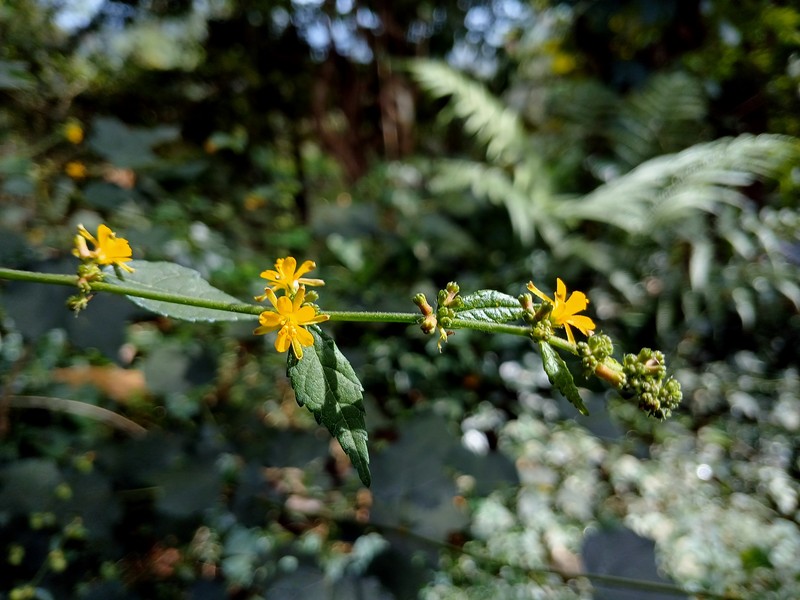
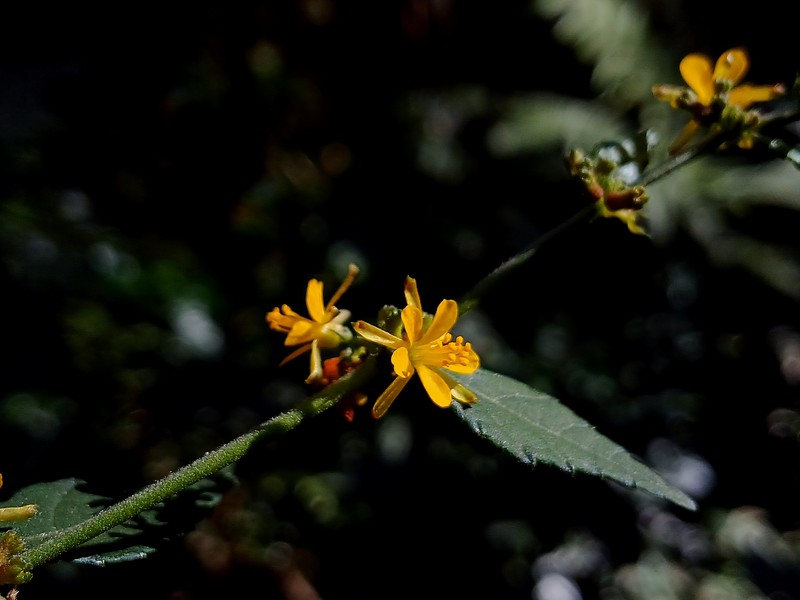
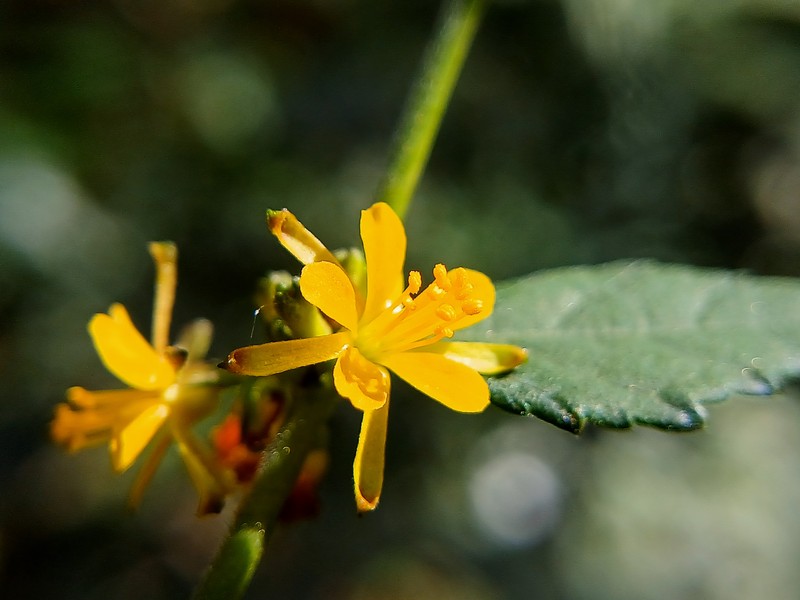
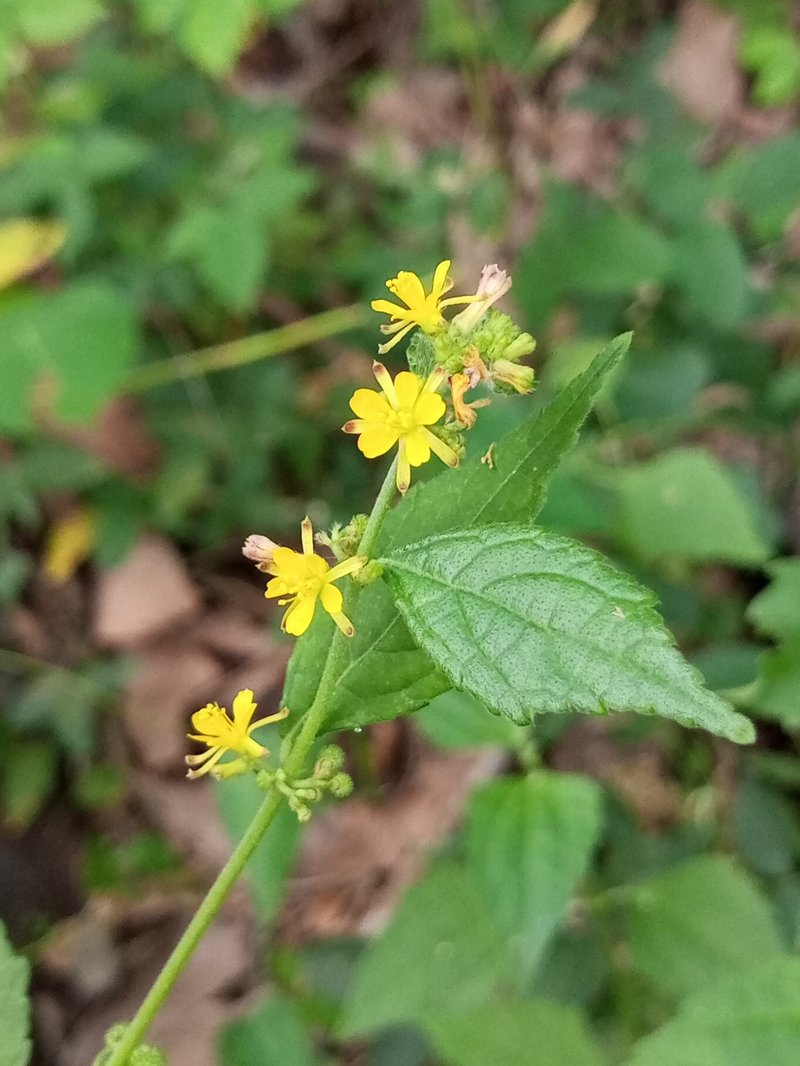
Diamond Burbark
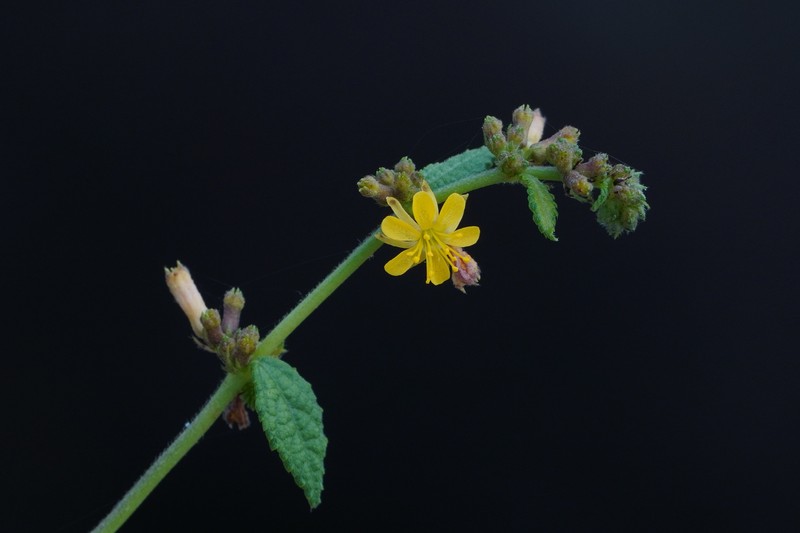
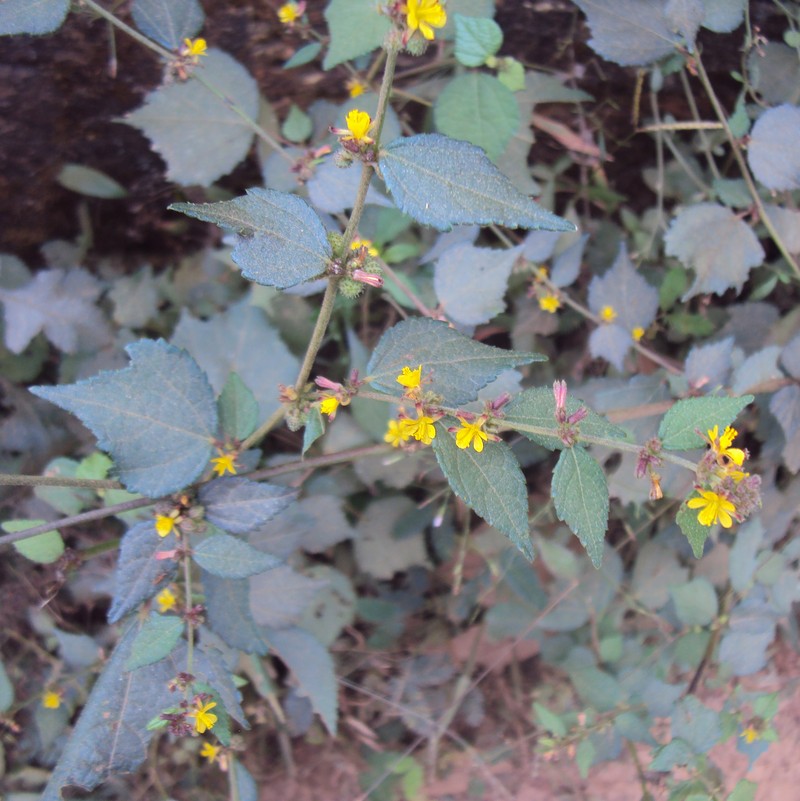
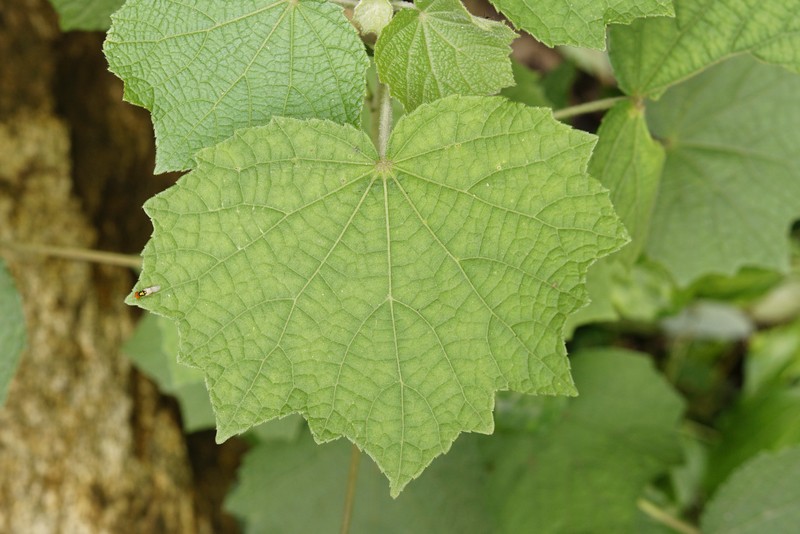
Triumfetta rhomboidea
Also known as: Triumfetta velutina
- Native to:
- Andaman Is., Angola, Australia, Bangladesh, Benin, Botswana, Burkina, Burundi, Cambodia, Cameroon, Cape Verde, Central African Republic, China, Congo, DR Congo, Eritrea, Eswatini, Ethiopia, Gabon, Gambia, Ghana, Guinea, Guinea-Bissau, Gulf of Guinea Is., India, Ivory Coast, Kazan-retto, Kenya, Laos, Lesser Sunda Is., Liberia, Malawi, Malaya, Mali, Mozambique, Myanmar, Namibia, Nansei-shoto, Nepal, Nicobar Is., Nigeria, Pakistan, Philippines, Rwanda, Saudi Arabia, Senegal, Sierra Leone, Solomon Is., South Africa, South China Sea, Sri Lanka, Sudan-South Sudan, Taiwan, Tanzania, Thailand, Togo, Uganda, Vietnam, Yemen, Zambia, Zimbabwe
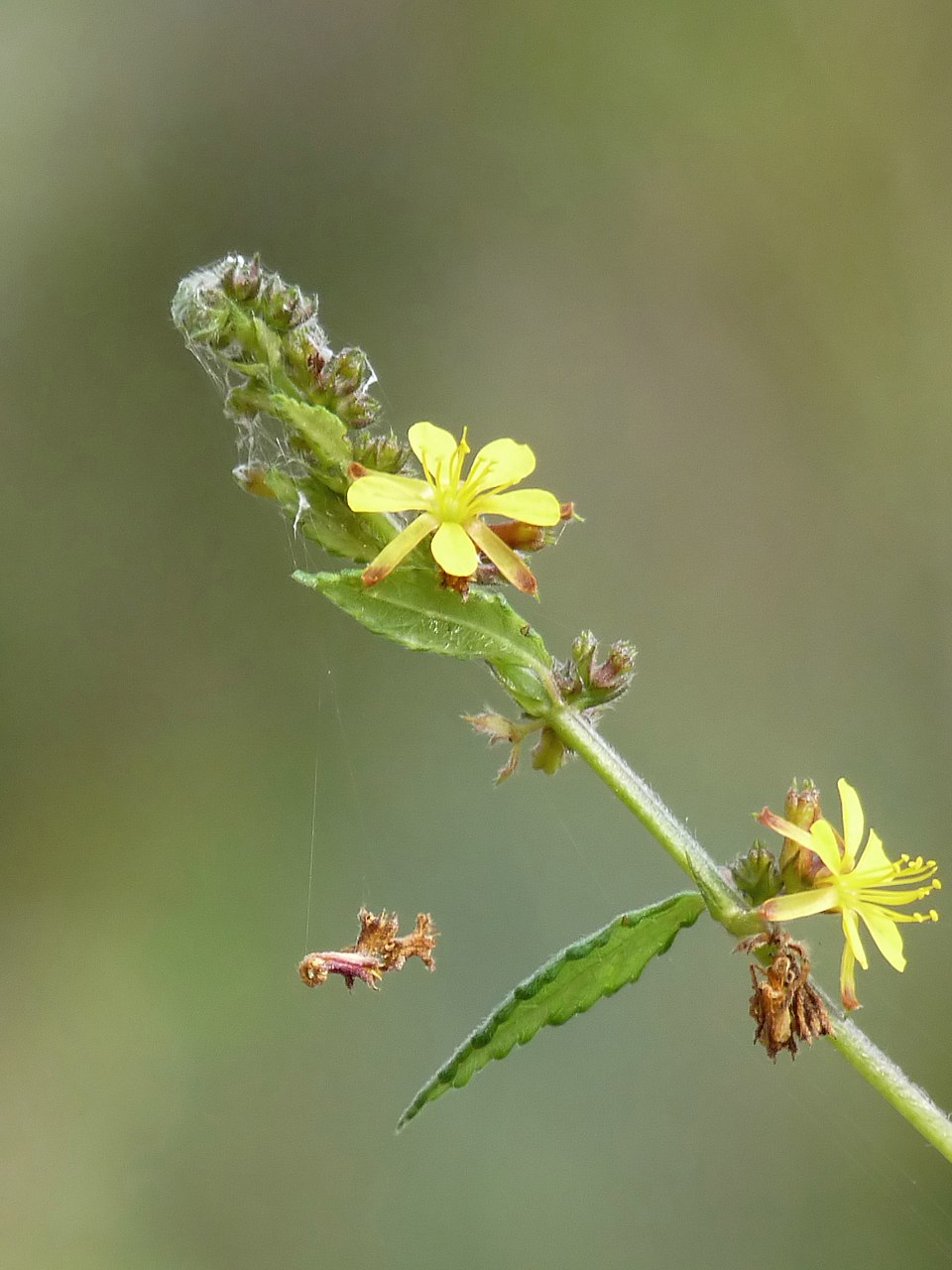
Vengolis
Taxonomy
- Division:
- Magnoliophyta | - Flowering plants
- Family:
- Malvaceae
- Genus:
- Triumfetta
- Species:
- Triumfetta rhomboidea
- USDA Symbol:
- TRRH
Growth Characteristics
- Life Cycle:
- Perennial
- Growth Habit:
- Shrub , Subshrub
- Height:
- 150 cm
- Light Requirements:
- Full Sun
- Drought Tolerance:
- Medium
- Bloom Months:
- jun,jul,aug,sep
- Bloom Colors:
- yellow
Garden & Ecology Notes
- Wildlife Value:
- bees, butterflies
Soil Requirements
- Soil Type:
- fertile, well-drained loamy soil
- pH:
- 5.5 - 7.5 (slightly acidic to neutral)
- Drainage:
- excellent drainage required
- Moisture:
- dry to moderate
- Notes:
- prefers disturbed areas with good sunlight