
Meadow Deathcamas
Toxicoscordion venenosum
- Native to:
- Canada, Mexico, United States
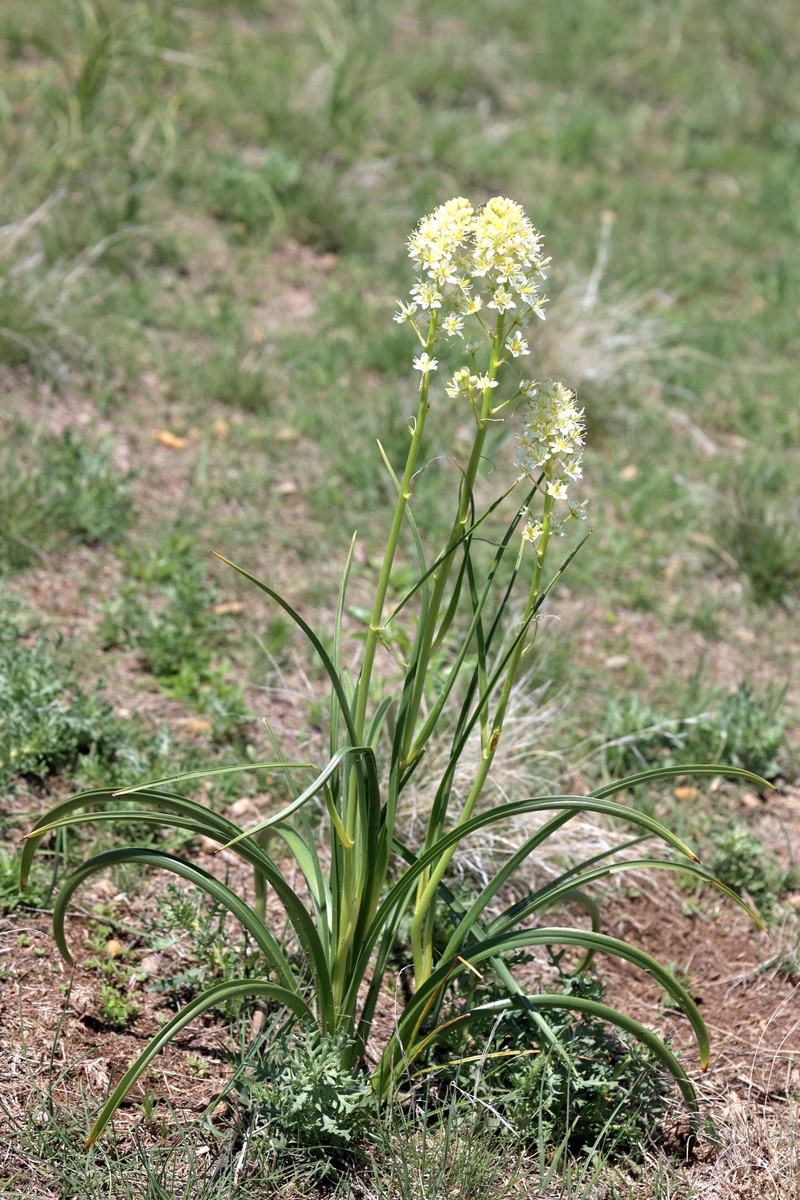
Craig Martin https://www.inaturalist.org/people/craigmartin (www.inaturalist.org)
Taxonomy
- Division:
- Magnoliophyta | - Flowering plants
- Family:
- Melanthiaceae
- Genus:
- Toxicoscordion
- Species:
- Toxicoscordion venenosum
- USDA Symbol:
- ZIVE
Growth Characteristics
- Life Cycle:
- Perennial
- Growth Habit:
- Forb/herb
- Height:
- 80 cm
- Light Requirements:
- Full Sun
- Drought Tolerance:
- Low
- Bloom Months:
- apr,may,jun
- Bloom Colors:
- white, cream
Wildlife Benefits
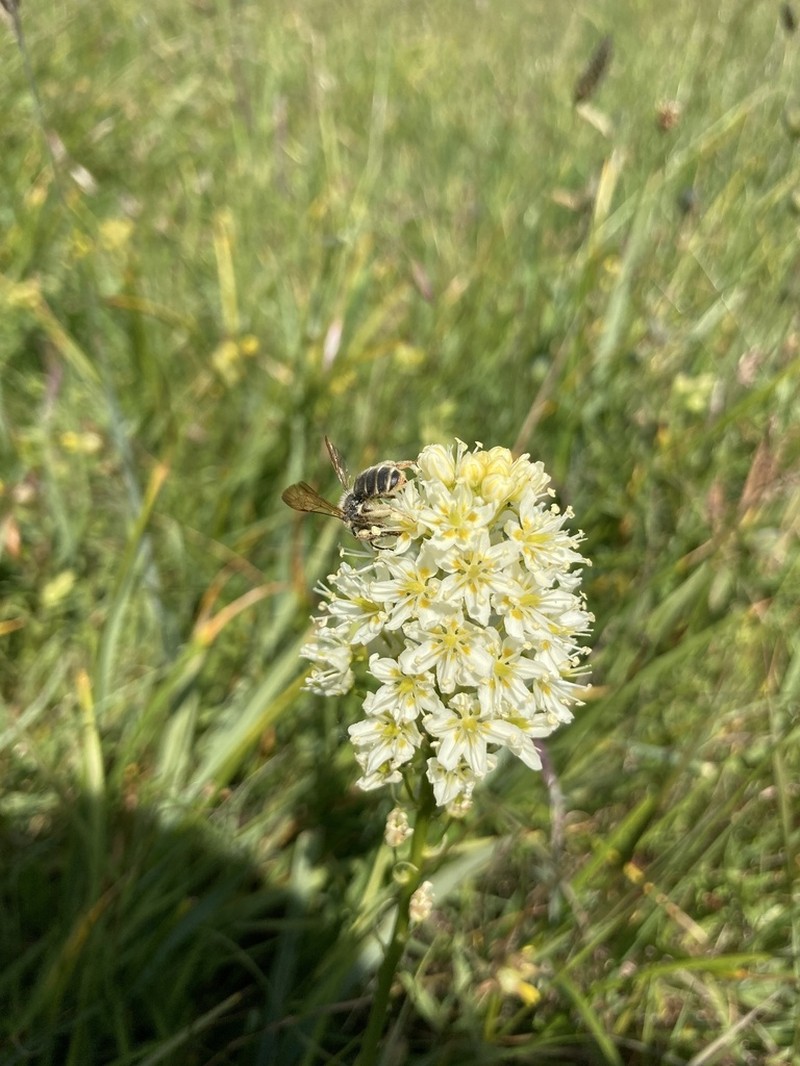
- Bees:
- ★☆☆☆☆ Documented bee visitation (GBIF)
- Butterflies & Moths:
- ★☆☆☆☆ Documented Lepidoptera association (GBIF)
Garden & Ecology Notes
- Deer Resistant:
- Yes
Soil Requirements
- Soil Type:
- well-drained, rocky or sandy soil
- pH:
- 5.5 - 7.5 (slightly acidic to neutral)
- Drainage:
- excellent drainage required
- Moisture:
- dry to moderate
- Notes:
- common in open woodlands and grasslands
Propagation & Germination
- Stratification:
- Cold/moist stratification required — 60–90 days
- Germination Time:
- 30–60 days
- Notes:
- Seeds require cold stratification for 60-90 days; germination occurs in spring.
Pre-treatment: Seeds should be sown into cone-tainers filled with Sunshine #1 (a soil-less peat-based media) amended with micro-nutrients (Micromax) and a slow release fertilizer (Osmocote 14-14-14). The flats of cone-tainers should be covered with poly-ethylene bags and placed in a walk-in cooler (35-40 degrees) for 90 days. For a western Washington ecotype, 6 weeks of cold moist stratification and cool germination temperatures are recommended. For the Palouse ecotype, extended cold, moist stratification is needed. Seed can be sown directly in the field in late fall in a firm, weed free seedbed. Seed should be lightly covered to a depth of no more than 1/8 inch.
Establishment: All plant parts, including seeds and capsules, are poisonous and should be handled with diligence and care. The Palouse phase is mostly var. gramineus. Wetland indicator status is FACU (US Fish and Wildlife Service 1988).
Source: npn.rngr.net