
Florida Strangler Fig
Ficus aurea
- Native to:
- Bahamas, Belize, Cayman Is., Central American Pacific Is., Costa Rica, Cuba, Dominican Republic, El Salvador, Guam, Guatemala, Haiti, Honduras, Jamaica, Mexico, Nicaragua, Panamá, Southwest Caribbean, Turks-Caicos Is., United States
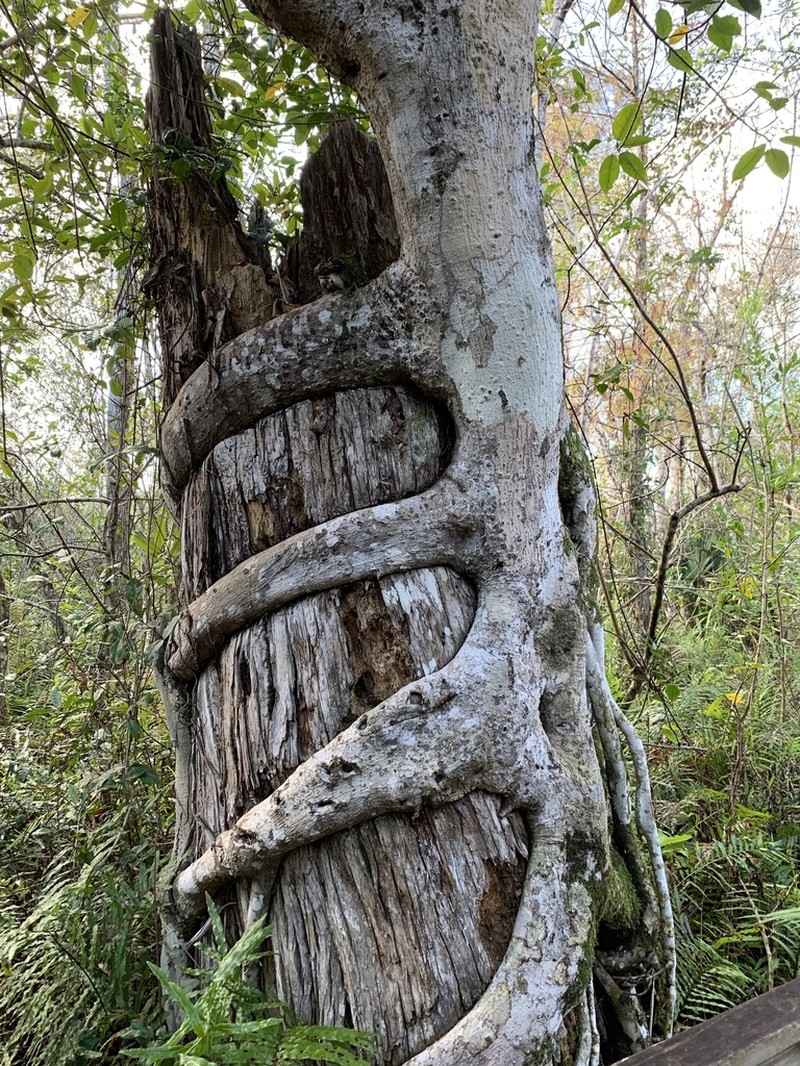
iNaturalist: © deutschgk (iNaturalist #36636077)
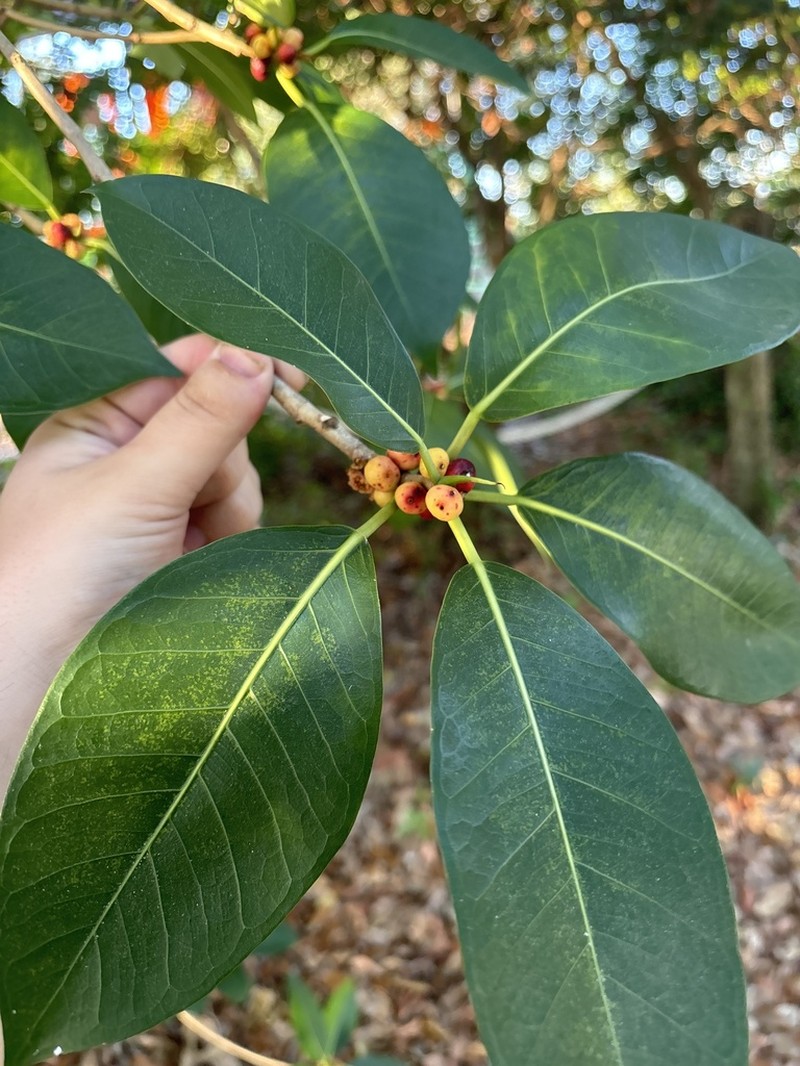
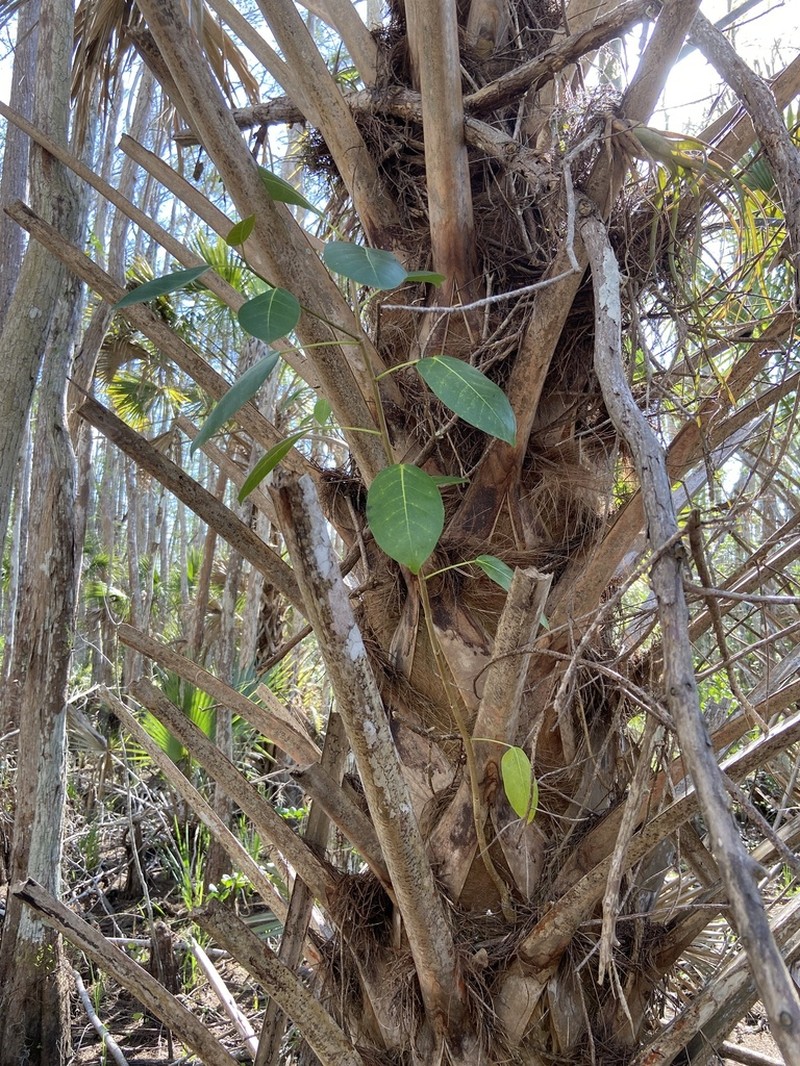
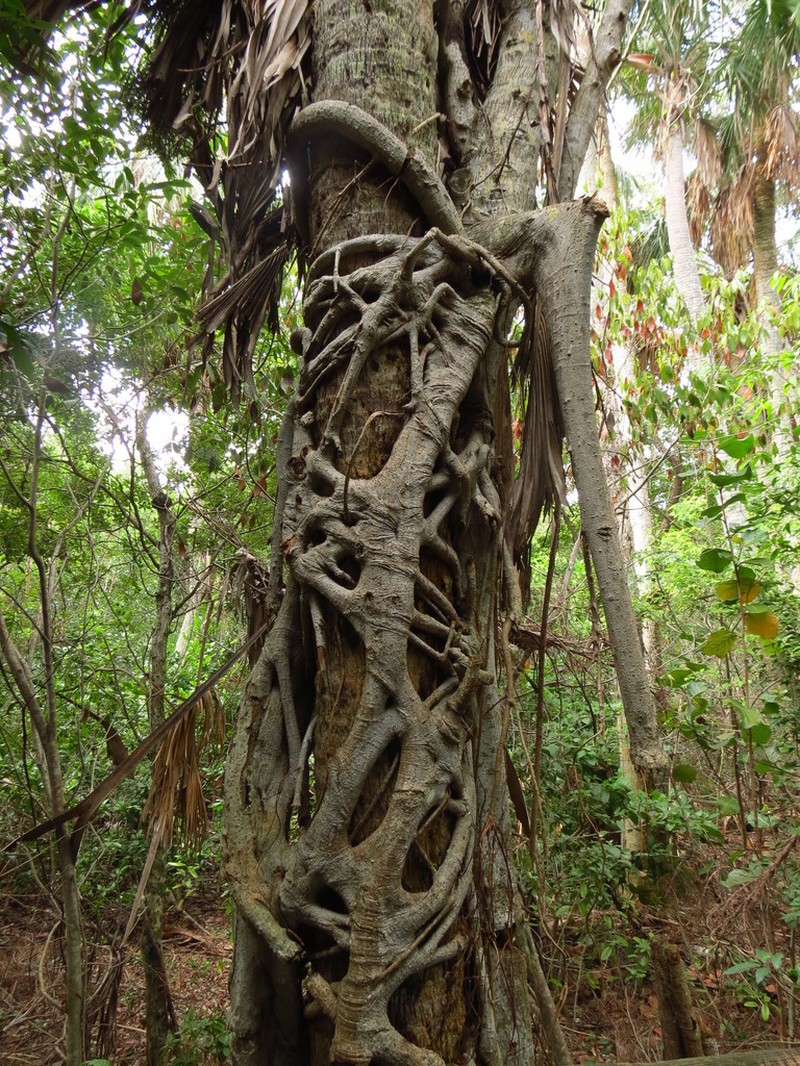
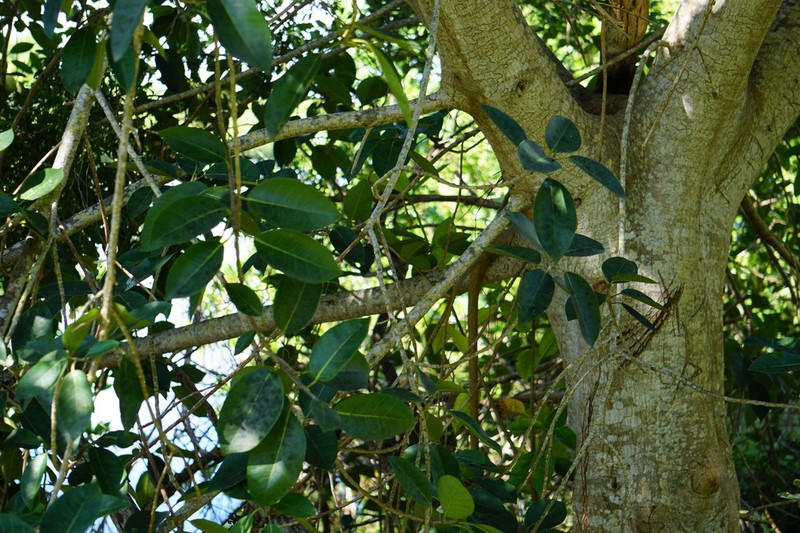
Taxonomy
- Division:
- Magnoliophyta | - Flowering plants
- Family:
- Moraceae
- Genus:
- Ficus
- Species:
- Ficus aurea
- USDA Symbol:
- FIAU
Growth Characteristics
- Life Cycle:
- Perennial
- Growth Habit:
- Shrub , Tree , Vine
- Height:
- 3000 cm
- Light Requirements:
- Full Sun
- Drought Tolerance:
- Low
Wildlife Benefits
- Bees:
- ★☆☆☆☆ Documented bee visitation (GBIF)
- Butterflies & Moths:
- ★★★☆☆ Documented Lepidoptera association (GBIF)
- Caterpillars:
- ★☆☆☆☆ Recorded caterpillar host plant (HOSTS Database)
Keystone Species Ranking
- Caterpillar Keystone:
- ★★★☆☆ Butterfly & moth species supported by this genus (NWF)
Host Plant for Caterpillars
Cherrystone Leafroller Moth (Tortyra slossonia), Hemerophila dyari, Marpesia sp., ruddy daggerwing (Marpesia petreus)
Reported Fauna Sightings
Moths:Edwards' wasp moth (Lymire edwardsii)
Garden & Ecology Notes
- Wildlife Value:
- birds, mammals
- Salt Tolerant:
- Yes
Soil Requirements
- Soil Type:
- rich, well-drained loamy soil
- pH:
- 6.0 - 7.5 (slightly acidic to neutral)
- Drainage:
- tolerates poor drainage
- Moisture:
- consistently moist
- Notes:
- often found in tropical hammocks and swamps