
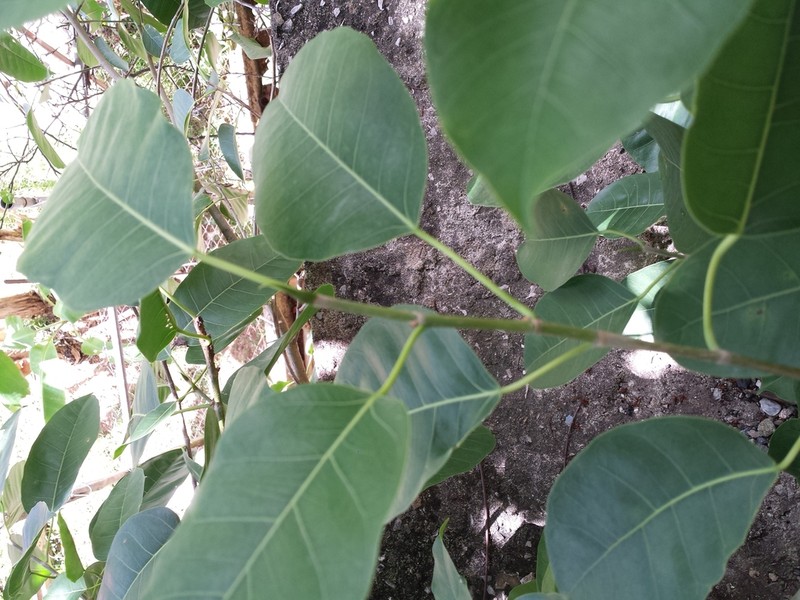
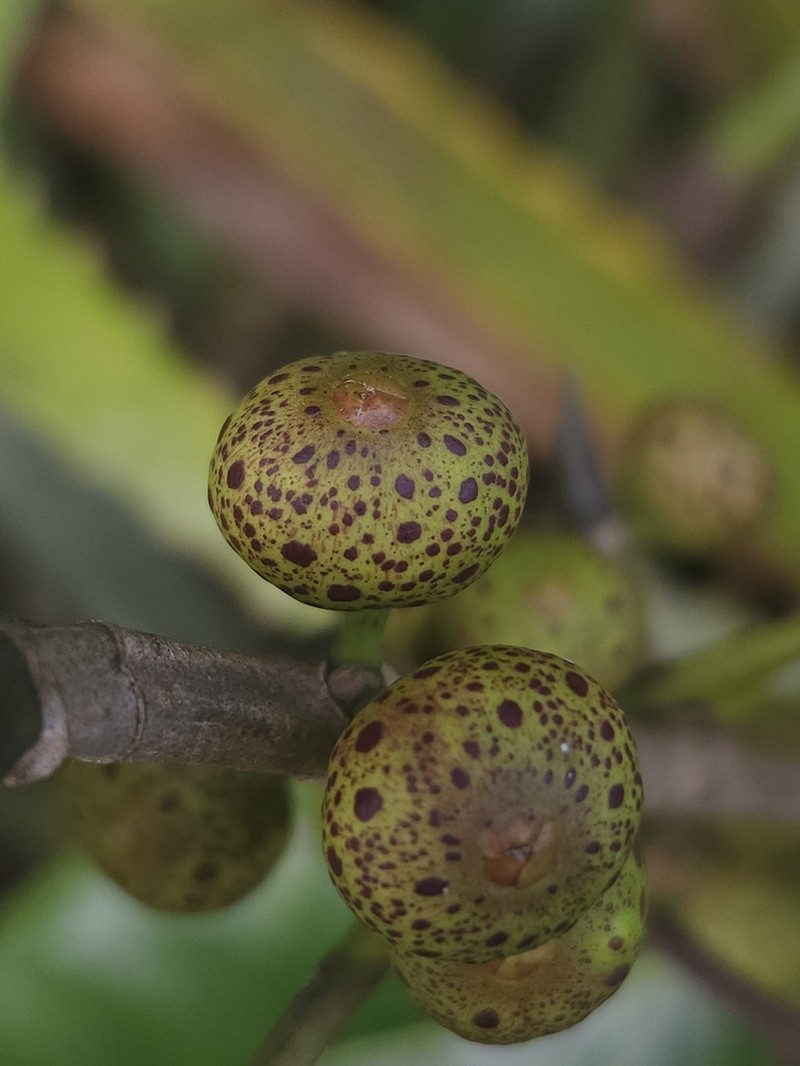
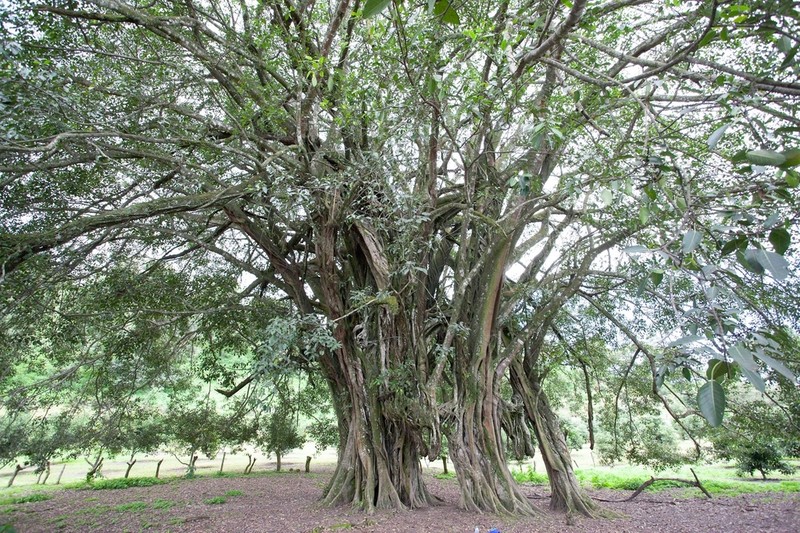
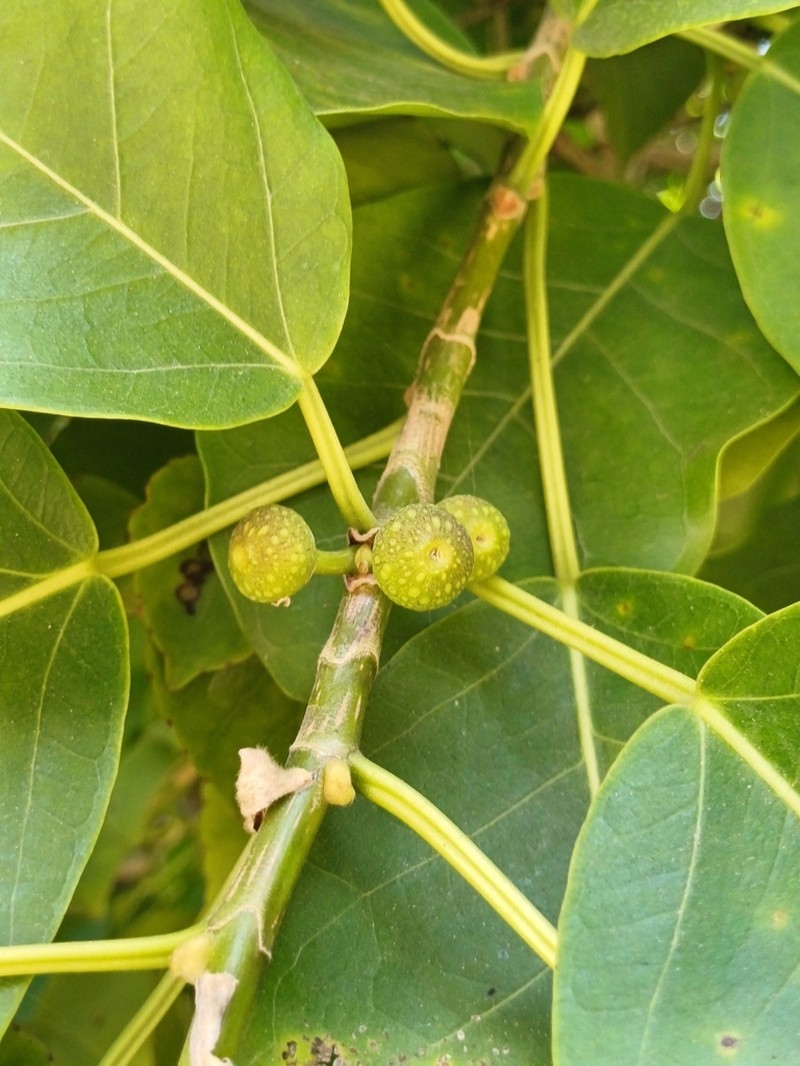
Wild Banyantree
Ficus citrifolia
- Native to:
- Argentina, Aruba, Bahamas, Belize, Bermuda, Bolivia, Brazil, Cayman Is., Colombia, Costa Rica, Cuba, Dominican Republic, Ecuador, El Salvador, Guam, Guatemala, Haiti, Honduras, Jamaica, Leeward Is., Mexico, Navassa Island, Netherlands Antilles, Nicaragua, Panamá, Paraguay, Peru, Puerto Rico, Turks-Caicos Is., United States, Venezuela, Virgin Islands, Windward Is.
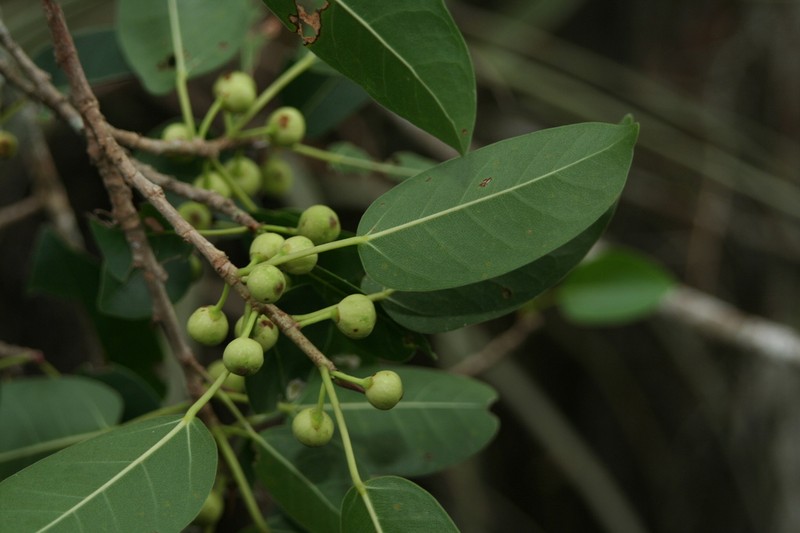
iNaturalist: © bruceholst (iNaturalist #38224032)
Taxonomy
- Division:
- Magnoliophyta | - Flowering plants
- Family:
- Moraceae
- Genus:
- Ficus
- Species:
- Ficus citrifolia
- USDA Symbol:
- FICI
Growth Characteristics
- Life Cycle:
- Perennial
- Growth Habit:
- Shrub , Tree
- Height:
- 1500 cm
- Light Requirements:
- Full Sun
- Drought Tolerance:
- Medium
Wildlife Benefits
- Butterflies & Moths:
- ★★★☆☆ Documented Lepidoptera association (GBIF)
- Caterpillars:
- ★☆☆☆☆ Recorded caterpillar host plant (HOSTS Database)
Keystone Species Ranking
- Caterpillar Keystone:
- ★★★☆☆ Butterfly & moth species supported by this genus (NWF)
Host Plant for Caterpillars
ruddy daggerwing (Marpesia petreus)
Garden & Ecology Notes
- Wildlife Value:
- birds, small mammals
- Salt Tolerant:
- Yes
Soil Requirements
- Soil Type:
- rich, well-drained loamy soil
- pH:
- 5.5 - 7.5 (slightly acidic to neutral)
- Drainage:
- tolerates poor drainage
- Moisture:
- consistently moist
- Notes:
- Common in tropical and subtropical regions