
Sweetgale
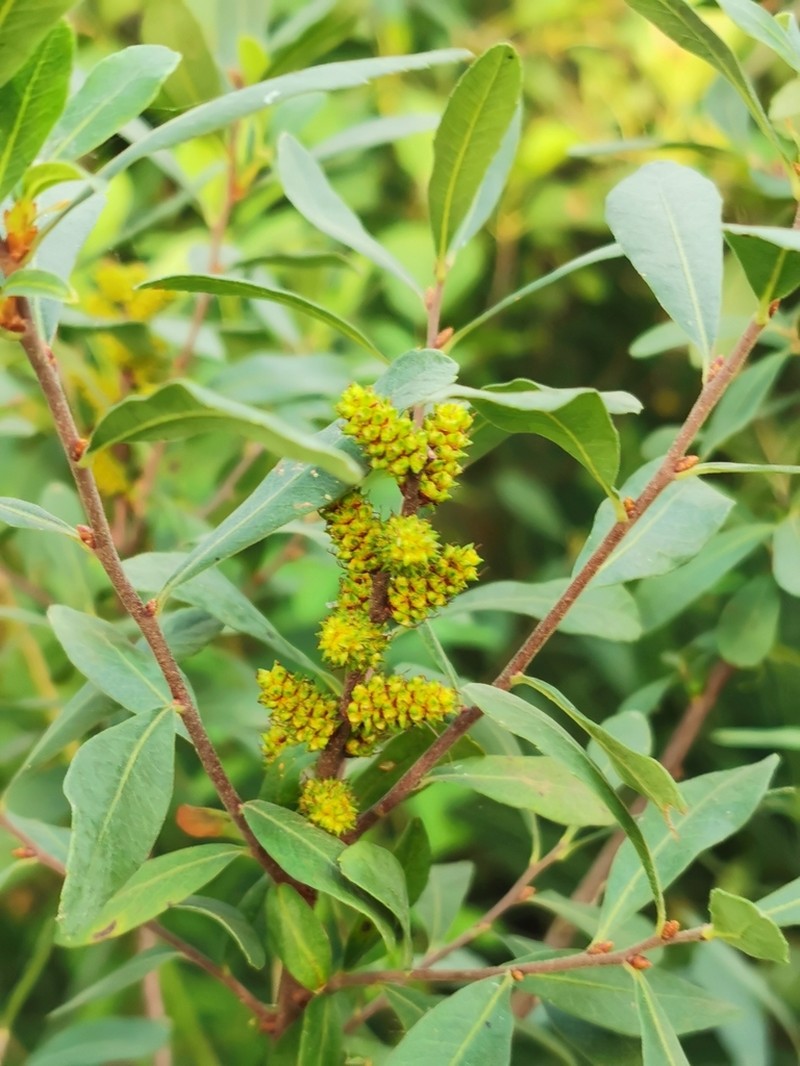
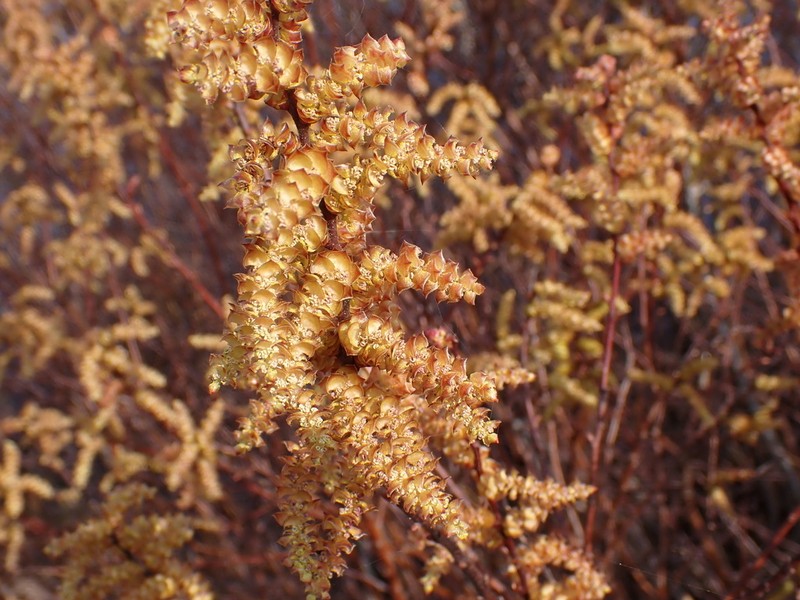
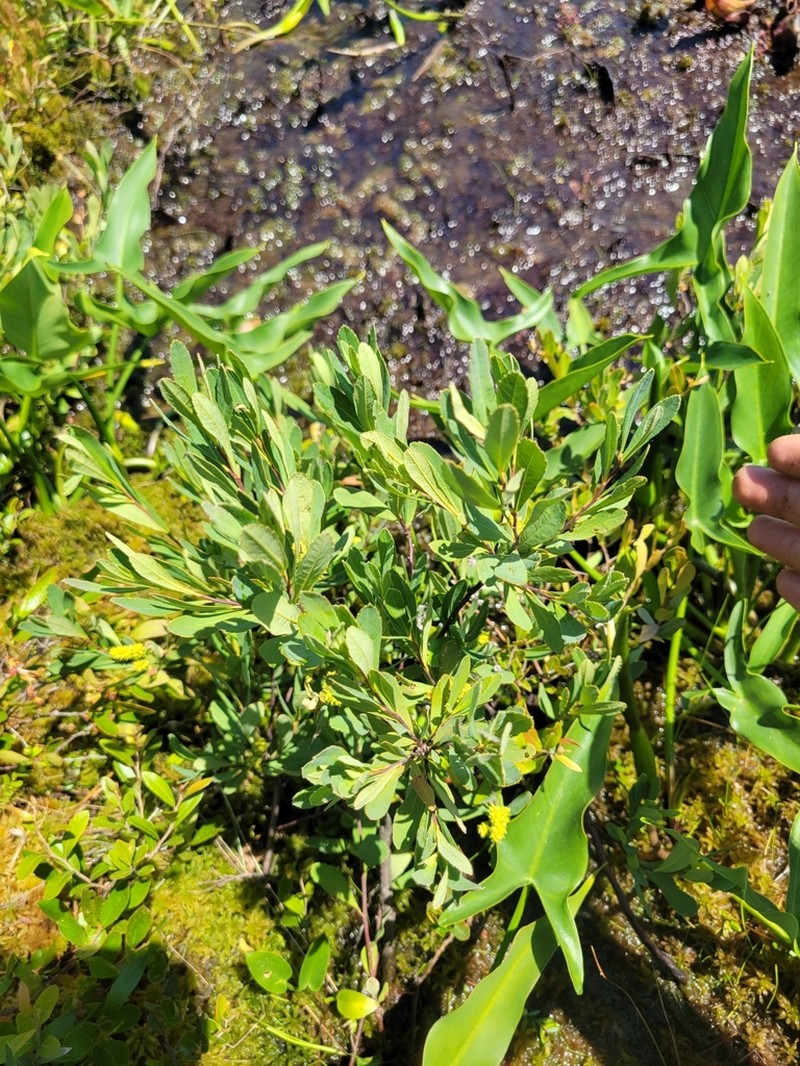
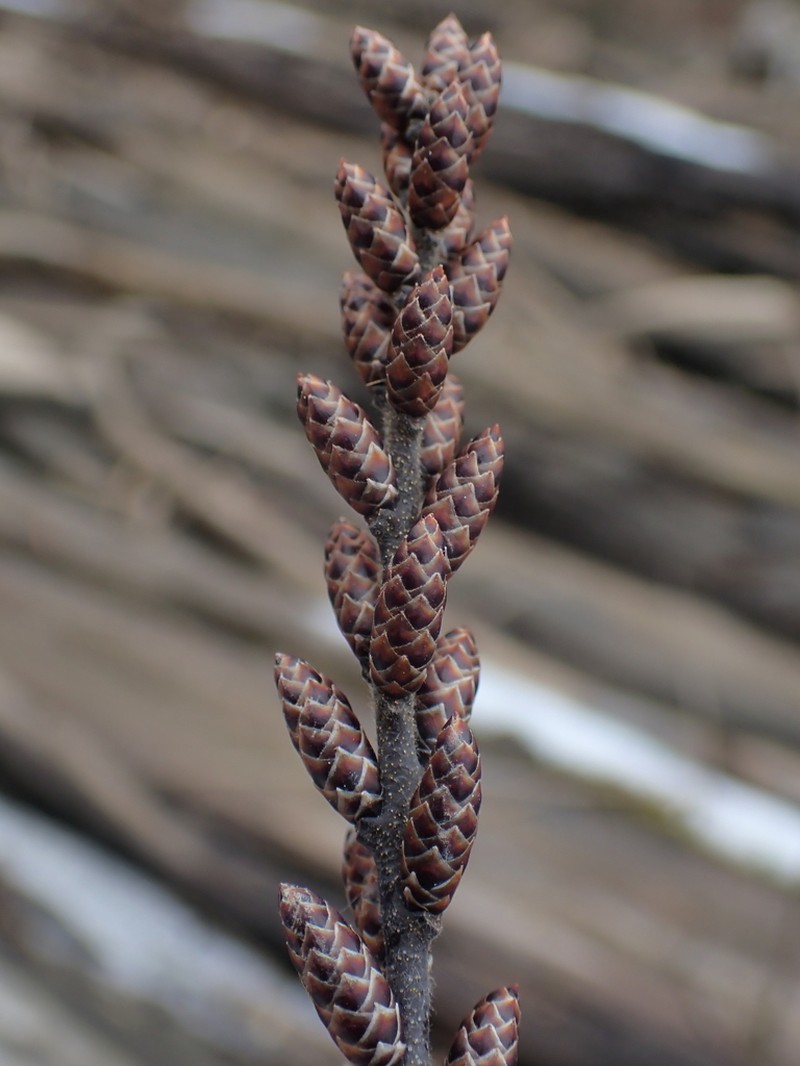
Myrica gale
- Native to:
- Baltic States, Belgium, Canada, Denmark, Finland, France, Germany, Great Britain, Ireland, Japan, Kuril Is., Labrador, Netherlands, Norway, Poland, Portugal, Prince Edward I., Russia, Spain, Sweden, United States
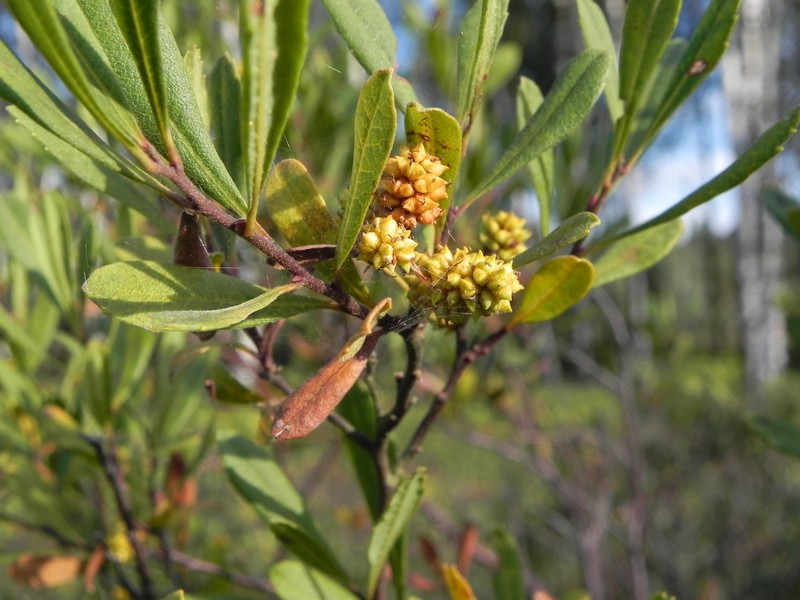
Source: Wikimedia; Credit: Hajotthu https://commons.wikimedia.org/wiki/User:Hajotthu
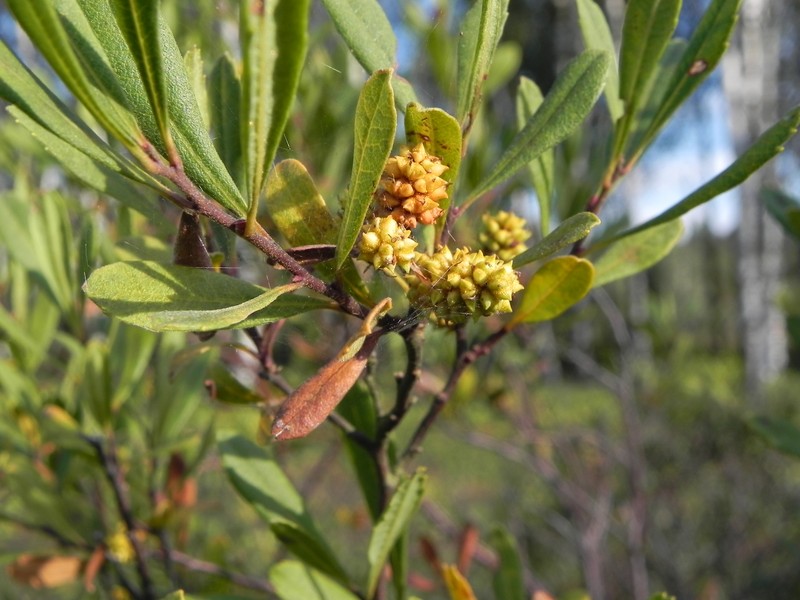
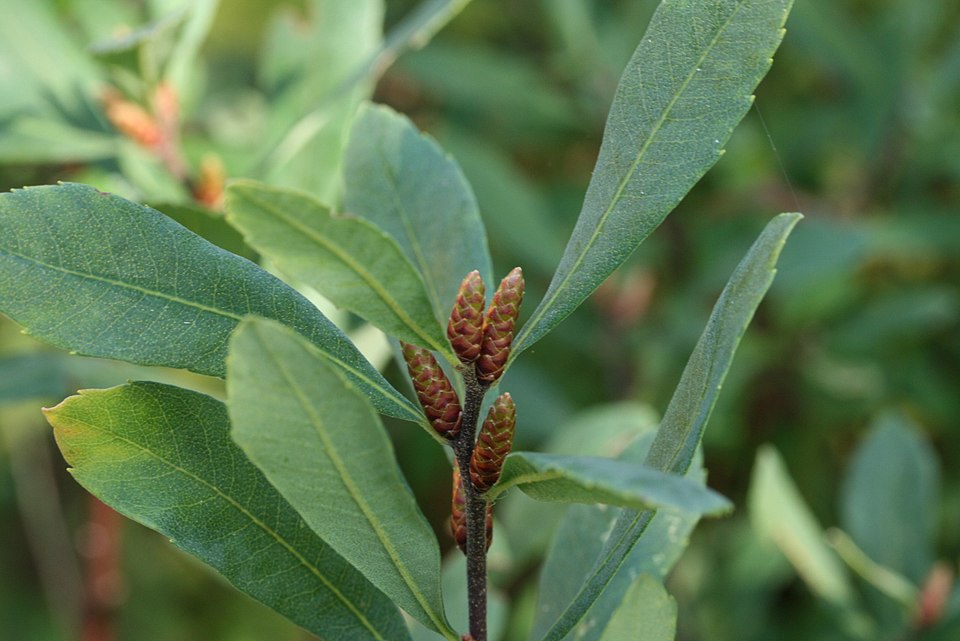
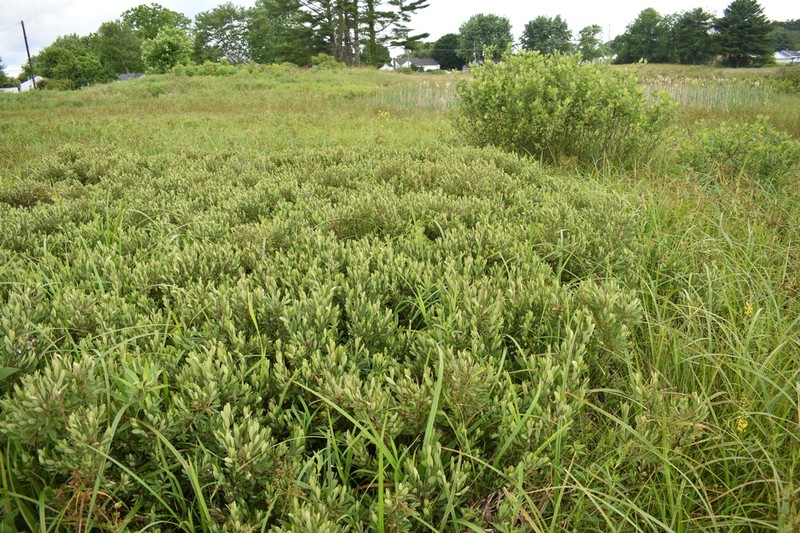
Taxonomy
- Division:
- Magnoliophyta | - Flowering plants
- Family:
- Myricaceae
- Genus:
- Myrica
- Species:
- Myrica gale
- USDA Symbol:
- MYGA
Growth Characteristics
- Life Cycle:
- Perennial
- Growth Habit:
- Shrub
- Height:
- 200 cm
- Light Requirements:
- Full Sun,Part Shade,Shade
- Drought Tolerance:
- Low
- Bloom Months:
- apr,may
- Bloom Colors:
- yellow, brown
- Landscaping Shrub:
- Yes
Wildlife Benefits
- Butterflies & Moths:
- ★★★★☆ Documented Lepidoptera association (GBIF)
- Caterpillars:
- ★★★★☆ Recorded caterpillar host plant (HOSTS Database)
Keystone Species Ranking
- Caterpillar Keystone:
- ★★★★★ Butterfly & moth species supported by this genus (NWF)
Host Plant for Caterpillars
Acleris bowmanana, Acleris fragariana, Acleris hastiana, Acleris kearfottana, Agonopterix walsinghamella, Allen's Aphelia (Aphelia alleniana), Apotomis paludicolana, Apple Sphinx (Sphinx gordius), Apple Sphinx (Sphinx "gordius"), Archips myricana, Argent and sable (Rheumaptera hastata), Argyrotaenia repertana, Bella Moth (Utetheisa bella), Bucculatrix paroptila, Caloptilia asplenifoliatella, Canadian Melanolophia (Melanolophia canadaria), Chain-lined geometer moth (Cingilia catenaria), Coelebs Underwing (Catocala coelebs), Coenophila opacifrons, common eupithecia (Eupithecia miserulata), Confused Morrisonia (Morrisonia confusa), Eugraphe subrosea, Gypsy moth (Lymantria dispar), impressed dagger moth (Acronicta impressa), Itame sulphurea, large looper moth (Autographa ampla), Melanchra assimilis, Mniotype ducta, Nevada buckmoth (Hemileuca nevadensis-complex), Olethreutes galevora, Olethreutes valdanum, Ortholepis myricella, Peppered Moth (Biston betularia), Pero zalissaria, projecta gray (Cleora projecta), Red-banded leafroller (Argyrotaenia velutinana), Red-fronted Emerald (Nemoria rubrifrontaria), Rheumaptera sp., Smeared Dagger Moth (Acronicta oblinita), Sparganothis daphnana, Sphinx poecila, sweetfern leaf casebearer (Acrobasis comptoniella), Syngrapha epigaea, Tacparia atropunctata, Thaxter's Pinion Moth (Lithophane thaxteri), three-lined leafroller (Pandemis limitata), Virginia Tiger Moth (Spilosoma virginica), White-marked Tussock Moth (Orgyia leucostigma), yellow-headed fireworm (Acleris minuta), Young's Dart (Xestia youngii)
Reported Fauna Sightings
Moths:Neurobathra strigifinitella
Garden & Ecology Notes
- Wildlife Value:
- birds, butterflies, small mammals
- Deer Resistant:
- Yes
- Fragrant:
- Yes
Soil Requirements
- Soil Type:
- peaty, acidic, nutrient-poor soil
- pH:
- 4.5 - 6.5 (acidic to slightly acidic)
- Drainage:
- tolerates poor drainage
- Moisture:
- consistently moist
- Notes:
- commonly found in bogs and wetlands
Propagation & Germination
- Stratification:
- Cold/moist stratification required — 60–90 days
- Germination Time:
- 30–60 days
- Notes:
- Seeds require cold stratification for 60-90 days; sow in moist peat or sand.
Pre-treatment: Cold-moist stratification for 30 days at 1–5°C (34–41°F).; then Cold-moist stratification for 60 days.
Source: Claude AI
ORGHPS Germination Guide: Sow @ 20C. Germinates within 3 months. Requires light / surface sow (fine seed).
Where to Buy
Nationwide Seller
- Sheffield's Seed (seeds)