
White Colicroot
Aletris farinosa
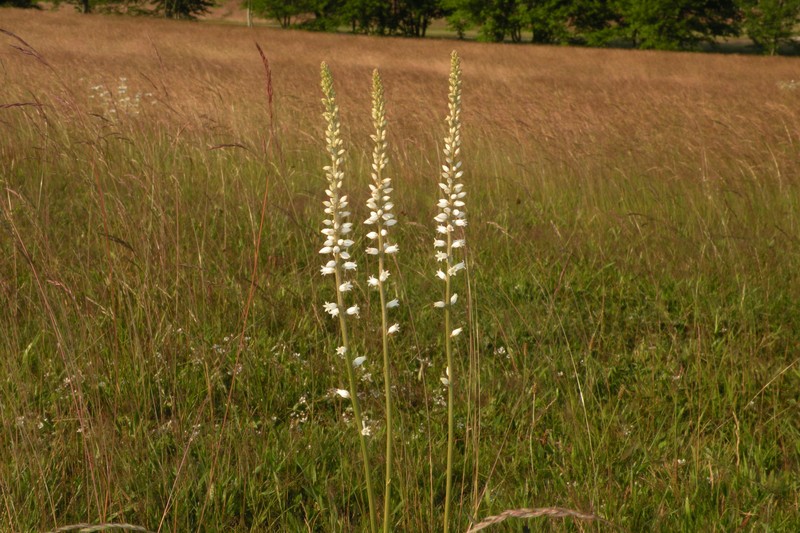
Doug McGrady from Warwick, RI, USA
Taxonomy
- Division:
- Magnoliophyta | - Flowering plants
- Family:
- Nartheciaceae
- Genus:
- Aletris
- Species:
- Aletris farinosa
Growth Characteristics
- Life Cycle:
- Perennial
- Growth Habit:
- Forb/herb
- Height:
- 3-4 ft
- Light Requirements:
- Full Sun
- Drought Tolerance:
- Medium
- Bloom Months:
- may, jun, jul, aug
- Bloom Colors:
- White
Native Range
United States: Alabama, Arkansas, Connecticut, District of Columbia, Delaware, Florida, Georgia, Illinois, Indiana, Kentucky, Louisiana, Massachusetts, Maryland, Maine, Michigan, Minnesota, Mississippi, North Carolina, New Hampshire, New Jersey, New York, Ohio, Oklahoma, Pennsylvania, Rhode Island, South Carolina, Tennessee, Texas, Virginia, Wisconsin, West Virginia, Canada: Ontario
Reported Fauna Sightings
Bees: American bumble bee (Bombus pensylvanicus), American bumble bee (Bombus pensylvanicus), Brown-belted bumble bee (Bombus griseocollis), Brown-belted bumble bee (Bombus griseocollis), Common eastern bumble bee (Bombus impatiens), Common eastern bumble bee (Bombus impatiens), Two-spotted bumble bee (Bombus bimaculatus), Two-spotted bumble bee (Bombus bimaculatus)
Soil Requirements
- Soil Type:
- sandy, acidic, nutrient-poor soil
- pH:
- 4.5 - 6.0 (acidic to slightly acidic)
- Drainage:
- excellent drainage required
- Moisture:
- dry to moderate
- Notes:
- Prefers open, sunny locations; often found in pine barrens and dry woods
Germination Information
Pre-treatment: Cold-moist stratification for 30 days at 1–5°C (34–41°F).
Source: OpenAI GPT-4o