
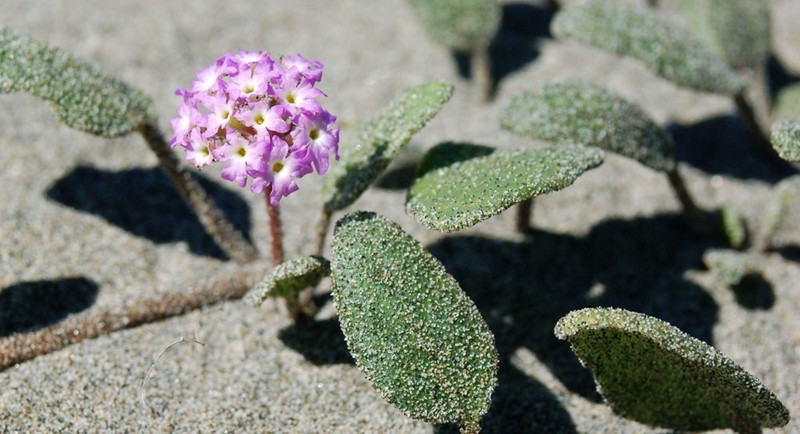
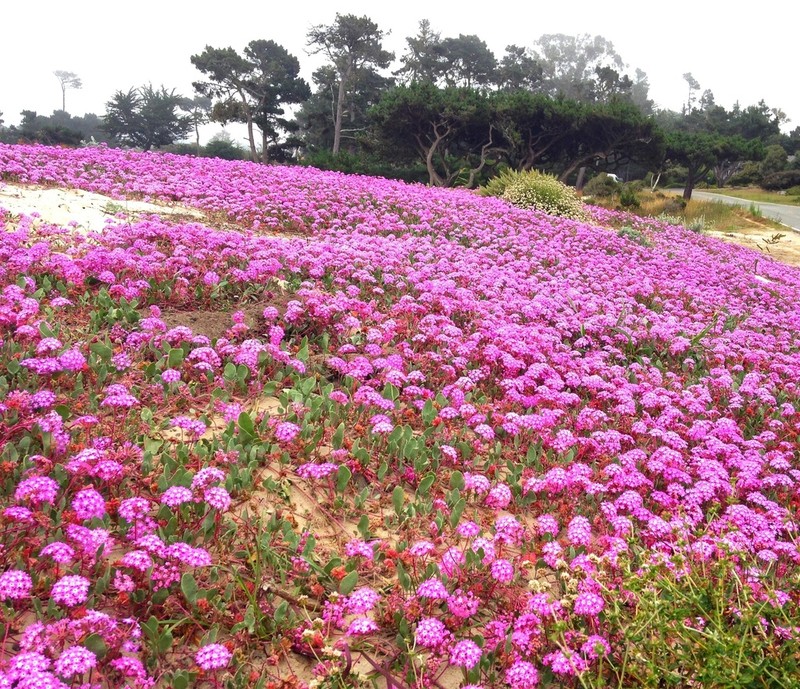
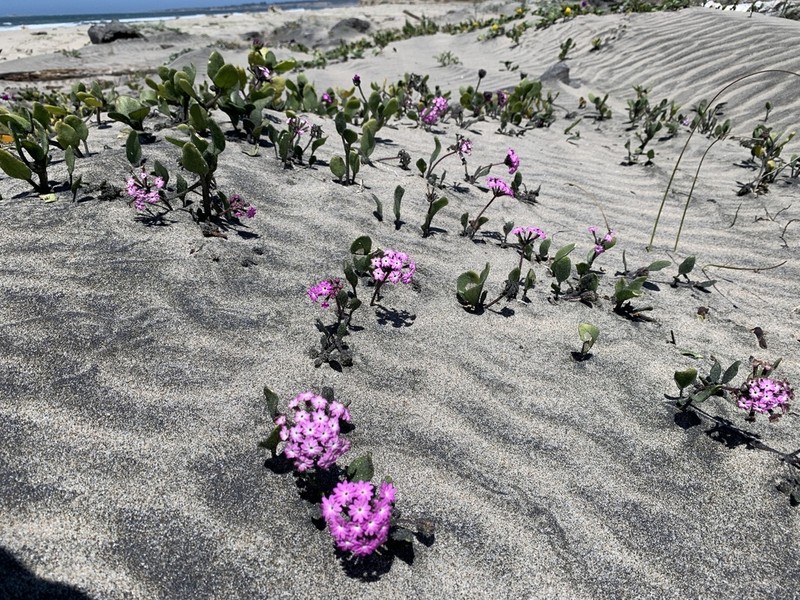
Pink Sand Verbena
Abronia umbellata
- Native to:
- Canada, Mexico, United States
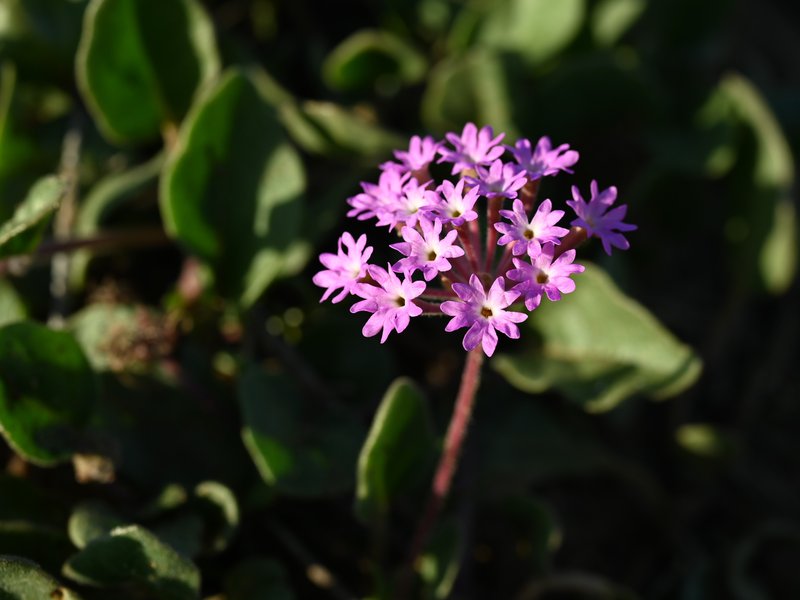
Krzysztof Ziarnek, Kenraiz
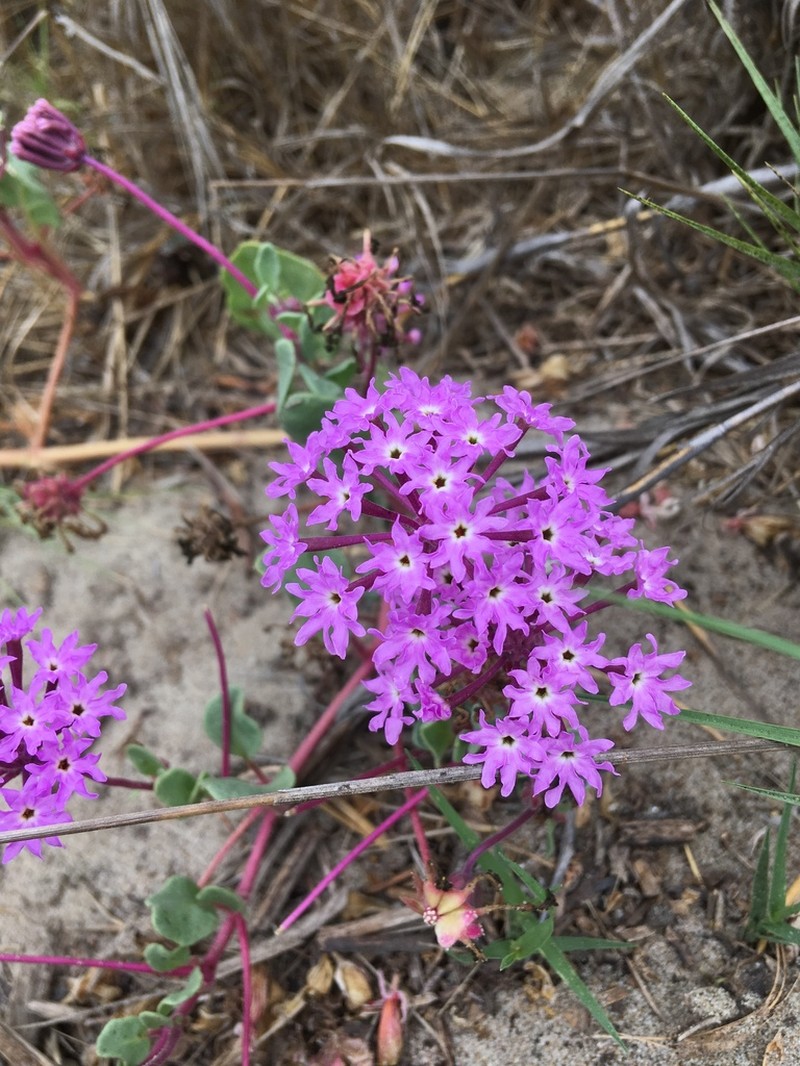
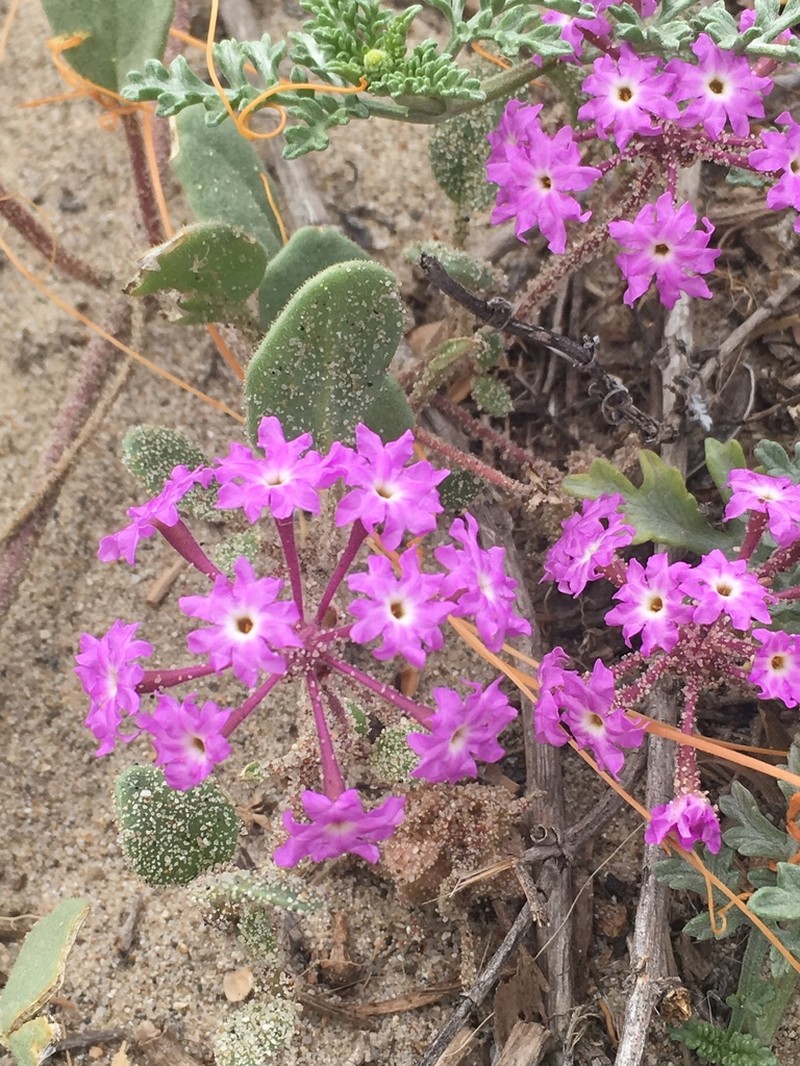
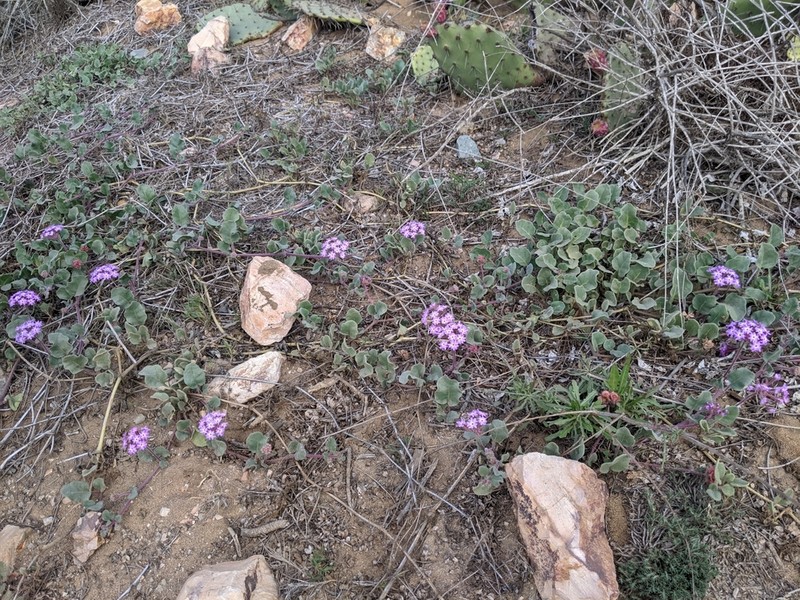
Taxonomy
- Division:
- Magnoliophyta | - Flowering plants
- Family:
- Nyctaginaceae
- Genus:
- Abronia
- Species:
- Abronia umbellata
- USDA Symbol:
- ABUM
Growth Characteristics
- Life Cycle:
- Perennial
- Growth Habit:
- Forb/herb , Vine
- Height:
- 30 cm
- Light Requirements:
- Full Sun
- Drought Tolerance:
- High
- Bloom Months:
- mar,apr,may,jun,jul,aug,sep
- Bloom Colors:
- pink, magenta
- Ground Cover:
- Yes
- Lawn Substitute:
- Yes
Wildlife Benefits
- Bees:
- ★☆☆☆☆ Documented bee visitation (GBIF)
- Butterflies & Moths:
- ★★★☆☆ Documented Lepidoptera association (GBIF)
- Caterpillars:
- ★☆☆☆☆ Recorded caterpillar host plant (HOSTS Database)
Host Plant for Caterpillars
Elegant Moth (Lithariapteryx elegans), Euphyia implicata, Lithariapteryx abroniaeella
Garden & Ecology Notes
- Wildlife Value:
- bees, butterflies
- Deer Resistant:
- Yes
- Salt Tolerant:
- Yes
- Fragrant:
- Yes
Soil Requirements
- Soil Type:
- sandy, nutrient-poor, well-drained soil
- pH:
- 6.0 - 7.5 (slightly acidic to neutral)
- Drainage:
- excellent drainage required
- Moisture:
- dry to moderate
- Notes:
- native to coastal dunes; prefers open, sunny areas
Propagation & Germination
- Stratification:
- Cold/moist stratification required — 30–60 days
- Germination Time:
- 14–30 days
- Notes:
- Seeds benefit from cold stratification for 4-8 weeks to break dormancy; sow in well-drained sandy soil.
Pre-treatment: Seeds are soaked in water for 48 hours, run in a blender on high for 10 minutes, placed in a 5% bleach solution for 2 minutes, rinsed thoroughly, and then placed in a plastic freezer bag with an equal amount of sterile peat or perlite for 2 weeks in the refrigerator until some seeds start germinating.
Establishment: Survival rate after transplanting averages 85%. The species is easy to germinate and germination may be better if pods are removed but further tests are needed. Seeds are collected between June 15th and October 1st. The species is found from Los Angeles County north to Sonoma County, California in coastal plant communities.
Source: npn.rngr.net