
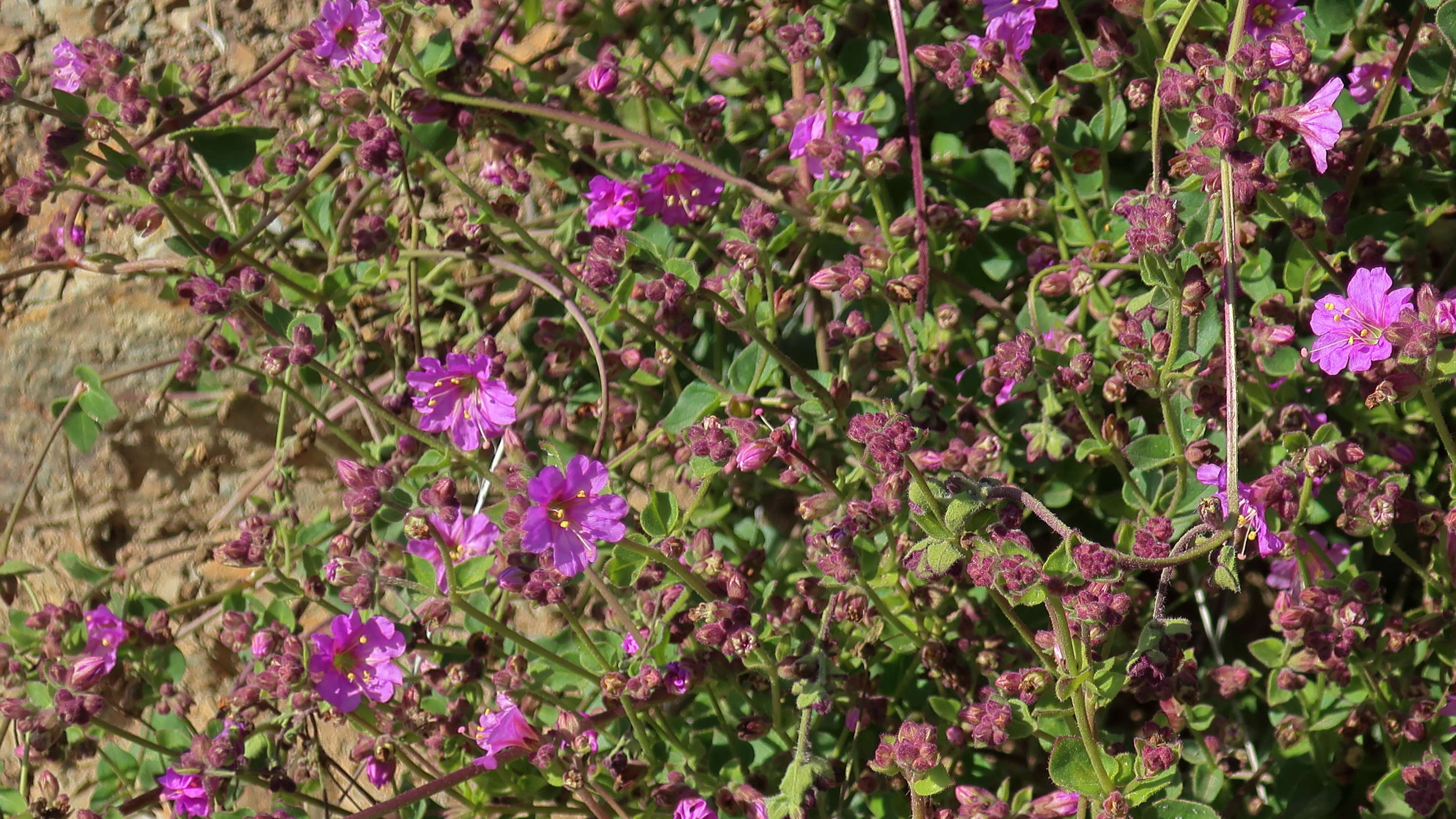
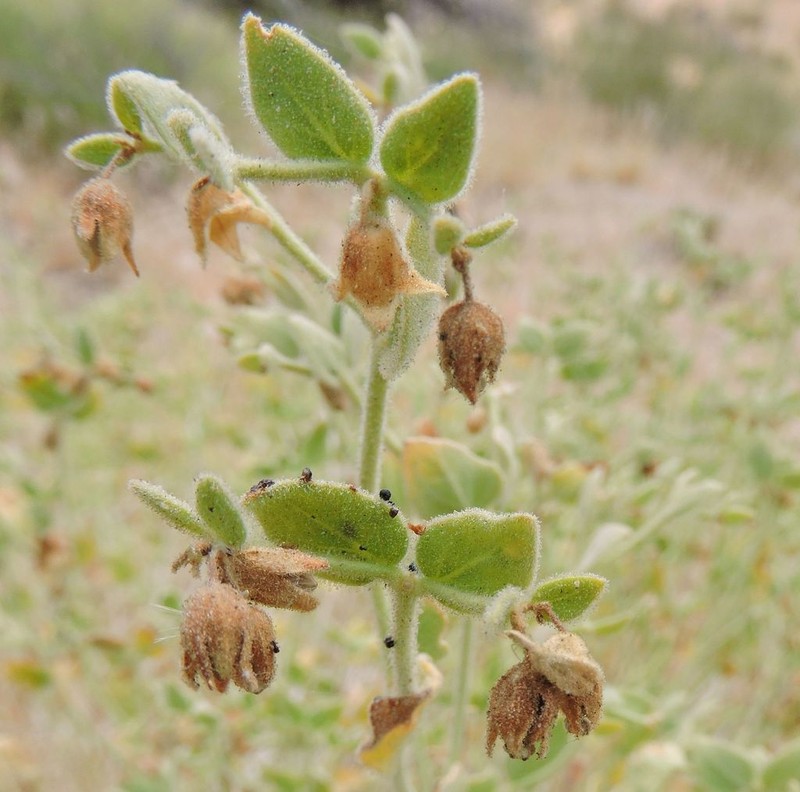
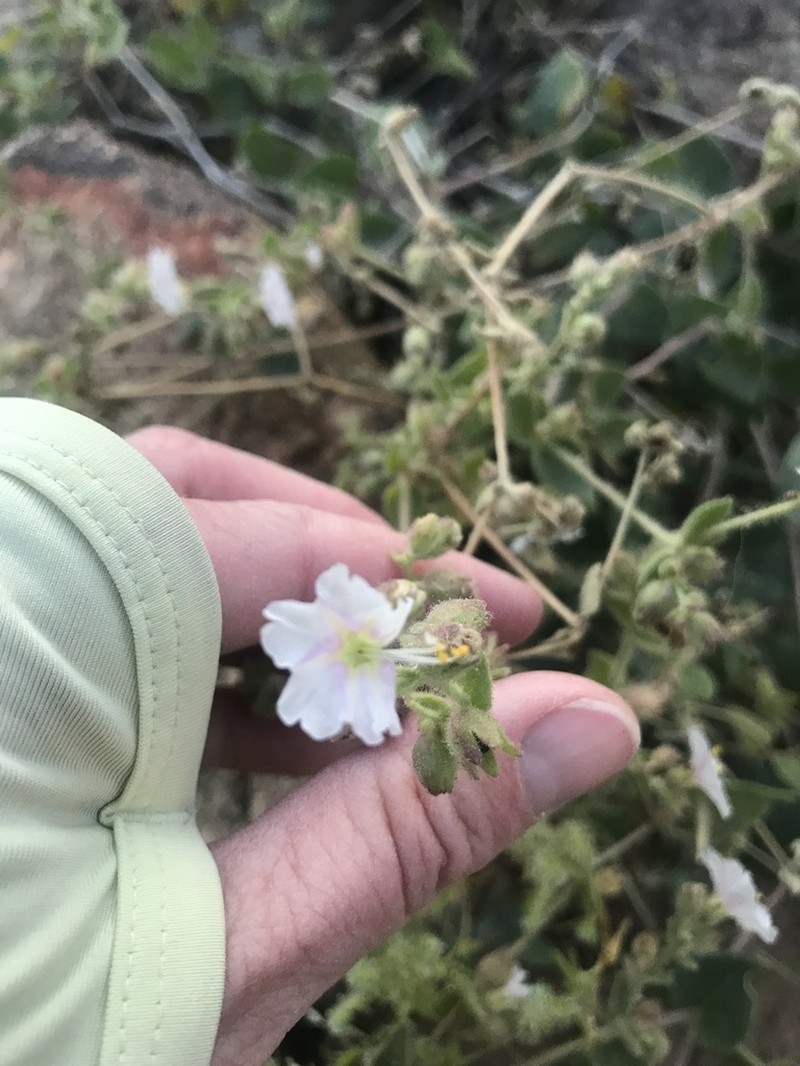
Desert Wishbone-Bush
Mirabilis laevis
- Native to:
- Mexican Pacific Is., Mexico, United States
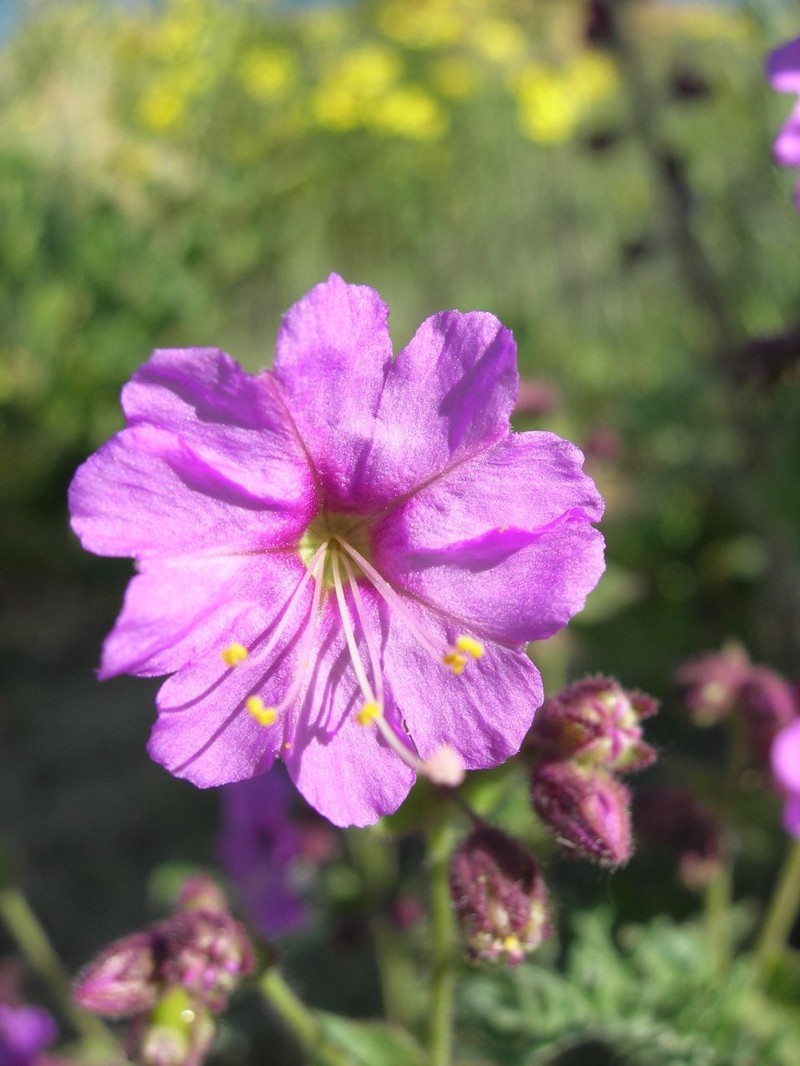
Joe Decruyenaere (www.flickr.com)
Taxonomy
- Division:
- Magnoliophyta | - Flowering plants
- Family:
- Nyctaginaceae
- Genus:
- Mirabilis
- Species:
- Mirabilis laevis
- USDA Symbol:
- MILA6
Growth Characteristics
- Life Cycle:
- Perennial
- Growth Habit:
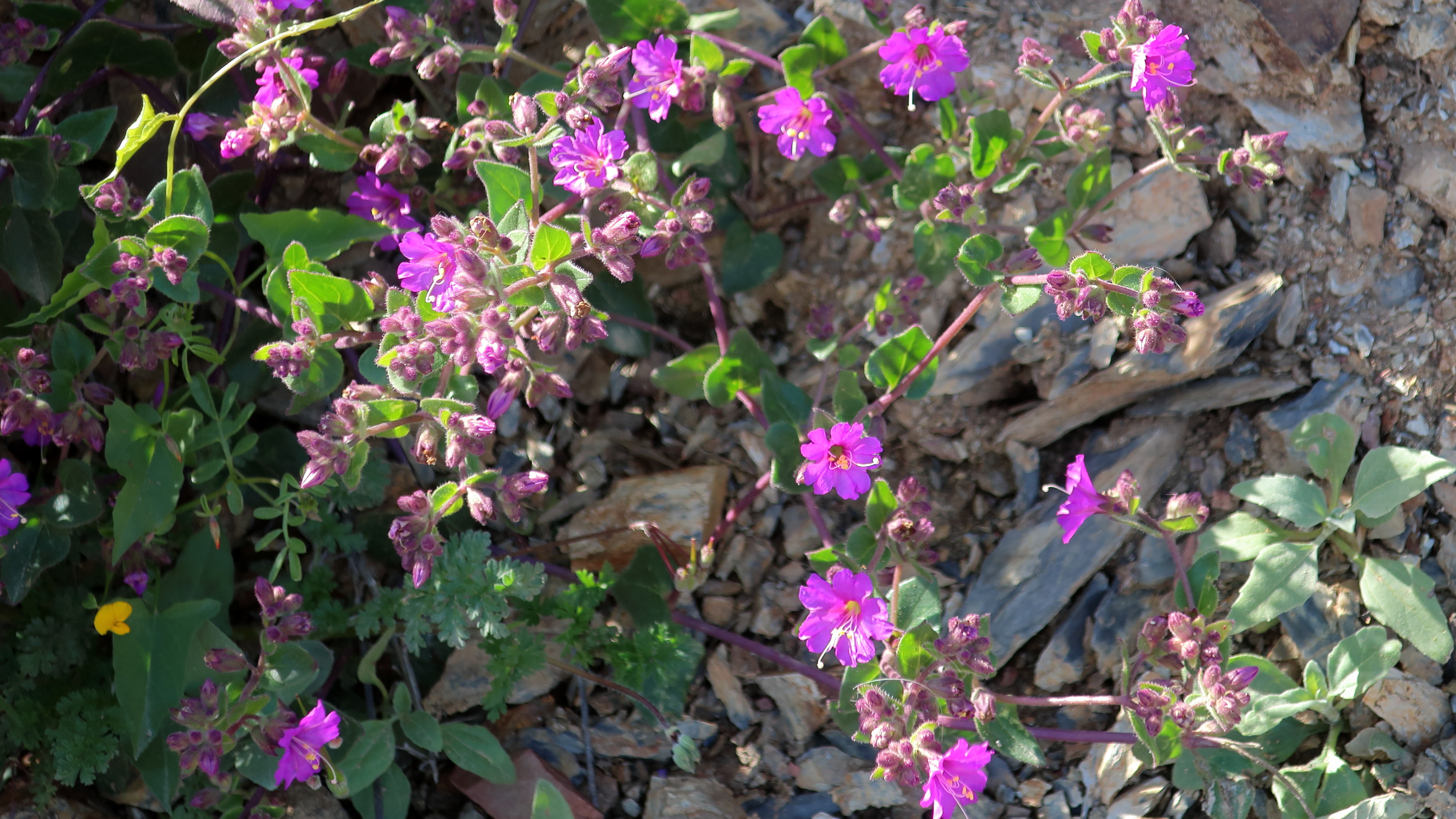
- Forb/herb , Subshrub
- Height:
- 100 cm
- Light Requirements:
- Full Sun
- Drought Tolerance:
- High
- Bloom Months:
- mar,apr,may,jun,jul,aug,sep,oct
- Bloom Colors:
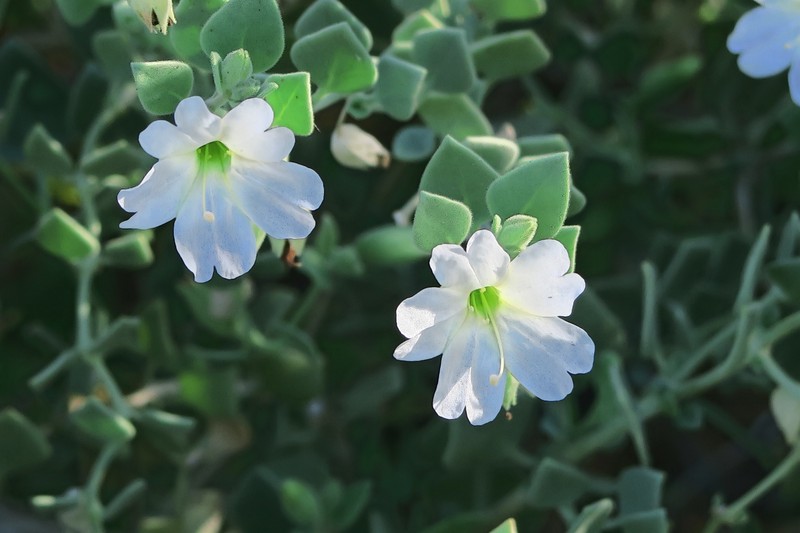
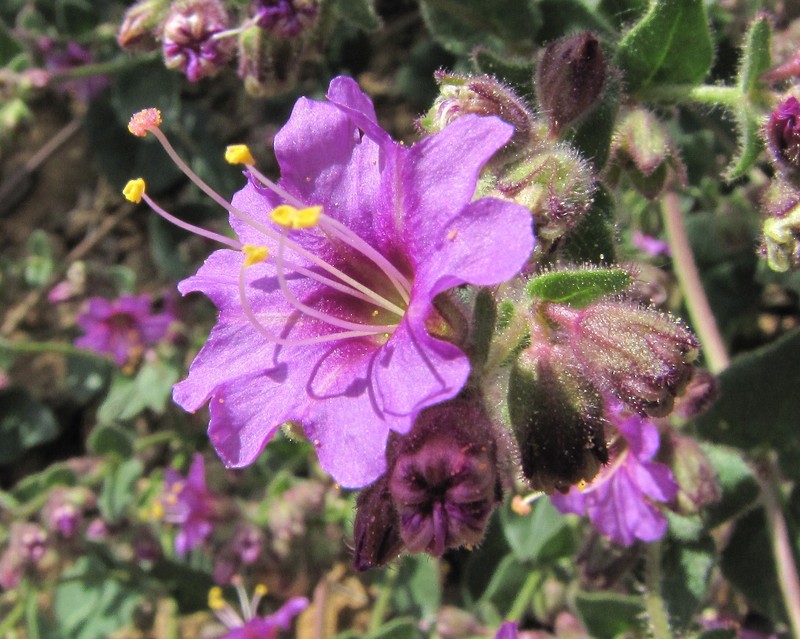
- pink, magenta, white
Wildlife Benefits
- Bees:
- ★☆☆☆☆ Documented bee visitation (GBIF)
- Butterflies & Moths:
- ★★★☆☆ Documented Lepidoptera association (GBIF)
Reported Fauna Sightings
Moths:Neoheliodines Hsu, White-lined sphinx moth (Hyles lineata)
Garden & Ecology Notes
- Wildlife Value:
- bees, butterflies
- Deer Resistant:
- Yes
Soil Requirements
- Soil Type:
- sandy, well-drained, nutrient-poor soil
- pH:
- 6.0 - 8.0 (slightly acidic to neutral)
- Drainage:
- excellent drainage required
- Moisture:
- dry to moderate
- Notes:
- Commonly found in arid, rocky areas
Propagation & Germination
Pre-treatment: Seeds are surface sterilized with a 3 minute Physan fungicide soak prior to testing or sowing.
Establishment: Seeds do not germinate until the second winter after sowing. Capsules are hand collected when they are fully matured, typically from June to December.
Source: npn.rngr.net