
Swamp Tupelo
Nyssa biflora
Also known as: Bear Tupelo
- Native to:
- United States, Virgin Islands
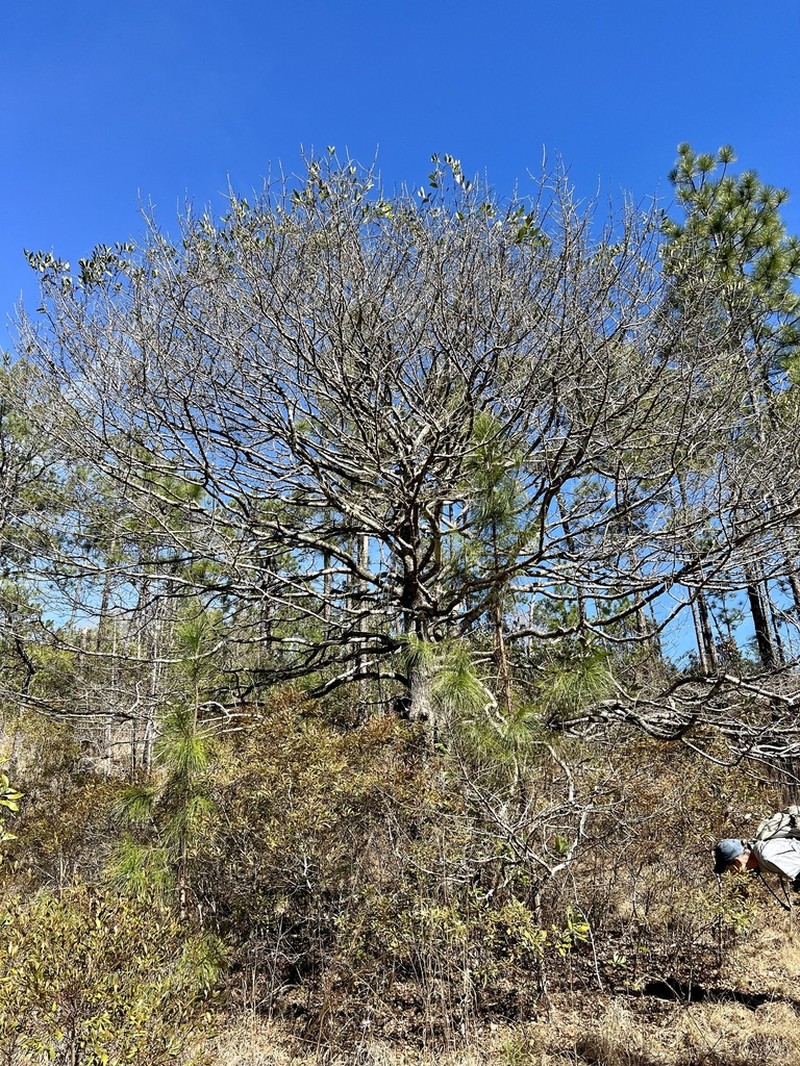
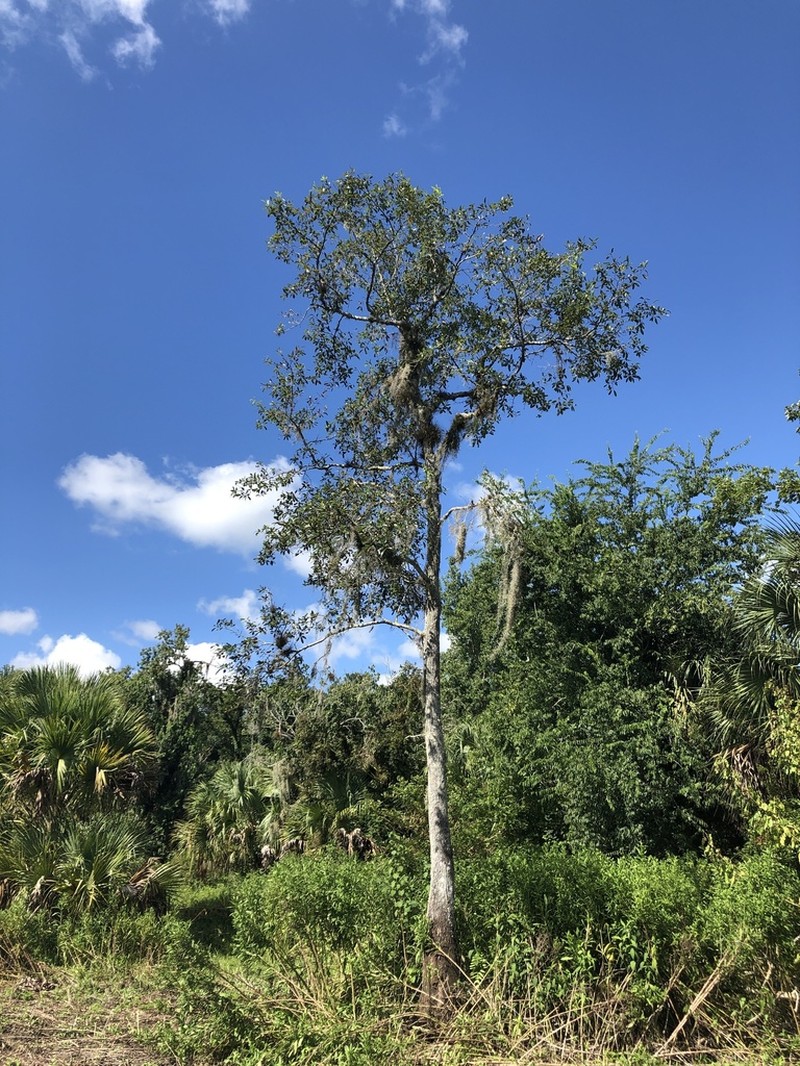
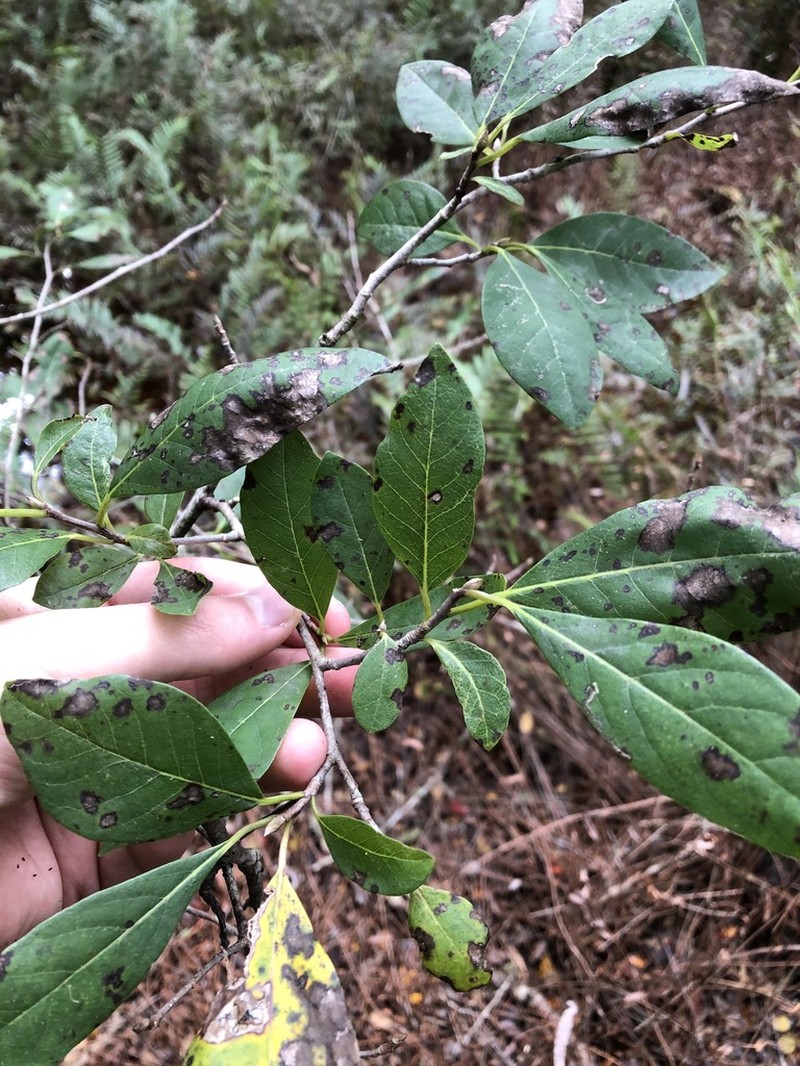
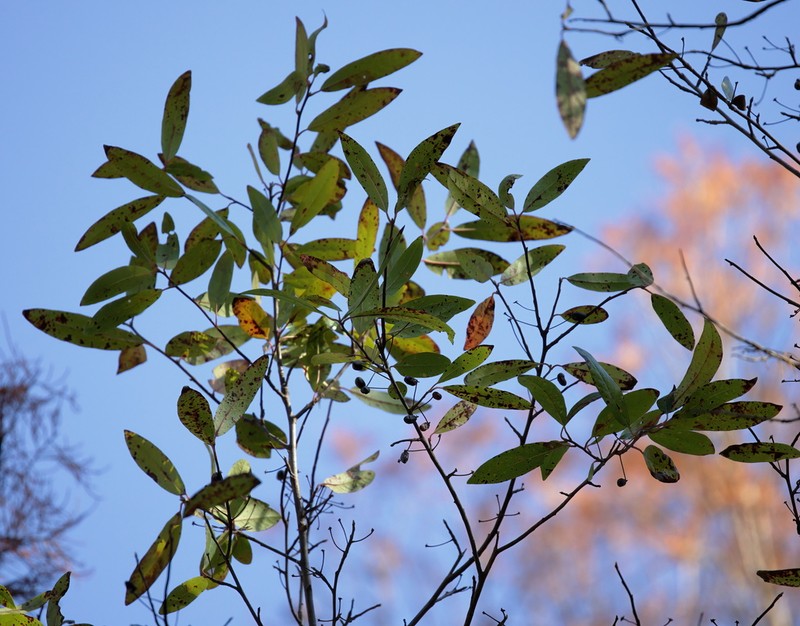
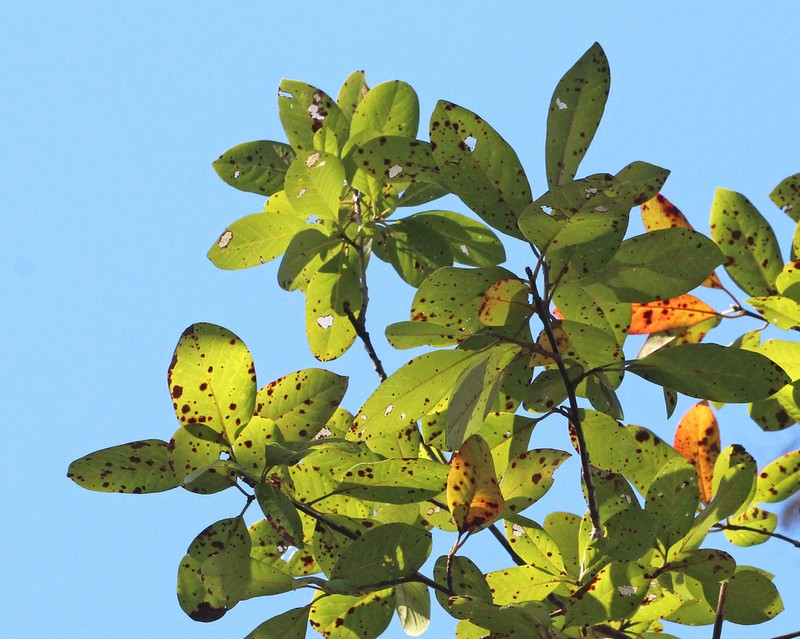
iNaturalist: © lauramorganclark (iNaturalist #149072195)
Taxonomy
- Division:
- Magnoliophyta | - Flowering plants
- Family:
- Nyssaceae
- Genus:
- Nyssa
- Species:
- Nyssa biflora
- USDA Symbol:
- NYBI
Growth Characteristics
- Life Cycle:
- Perennial
- Growth Habit:
- Tree
- Height:
- 3000 cm
- Light Requirements:
- Full Sun
- Drought Tolerance:
- Low
- Bloom Months:
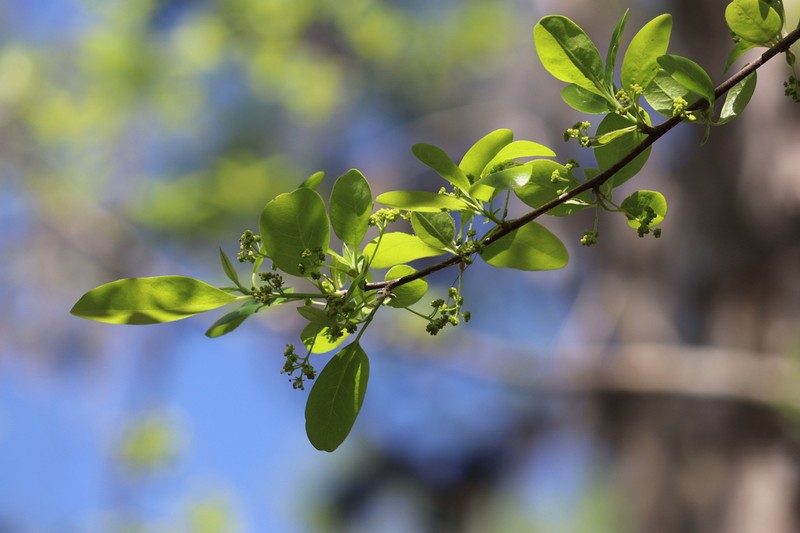
- apr,may,jun
- Bloom Colors:
- greenish-white
Wildlife Benefits
- Bees:
- ★☆☆☆☆ Documented bee visitation (GBIF)
- Butterflies & Moths:
- ★☆☆☆☆ Documented Lepidoptera association (GBIF)
- Caterpillars:
- ★★★☆☆ Recorded caterpillar host plant (HOSTS Database)
Keystone Species Ranking
- Caterpillar Keystone:
- ★★★☆☆ Butterfly & moth species supported by this genus (NWF)
Host Plant for Caterpillars
Actrix dissimulatrix, Antispila nysaefoliella, Azalea sphinx (Darapsa choerilus), Cecropia moth (Hyalophora cecropia), Eastern Tent Caterpillar (Malacosoma americana), Ectoedemia nyssaefoliella, Fall webworm (Hyphantria cunea), false prominent (Schizura leptinoides), False Underwing Moth (Allotria elonympha), Forest Tent Caterpillar (Malacosoma disstria), Gypsy moth (Lymantria dispar), Hebrew moth (Polygrammate hebraeicum), Luna moth (Actias luna), Morrisonia latex, Regal Moth (Citheronia regalis), skiff moth (Prolimacodes badia), tupelo leaffolder moth (Actrix nyssaecolella), White-marked Tussock Moth (Orgyia leucostigma)
Reported Fauna Sightings
Moths:Ectoedemia nyssaefoliella
Garden & Ecology Notes
- Wildlife Value:
- birds, small mammals, bees
- Fall Color:
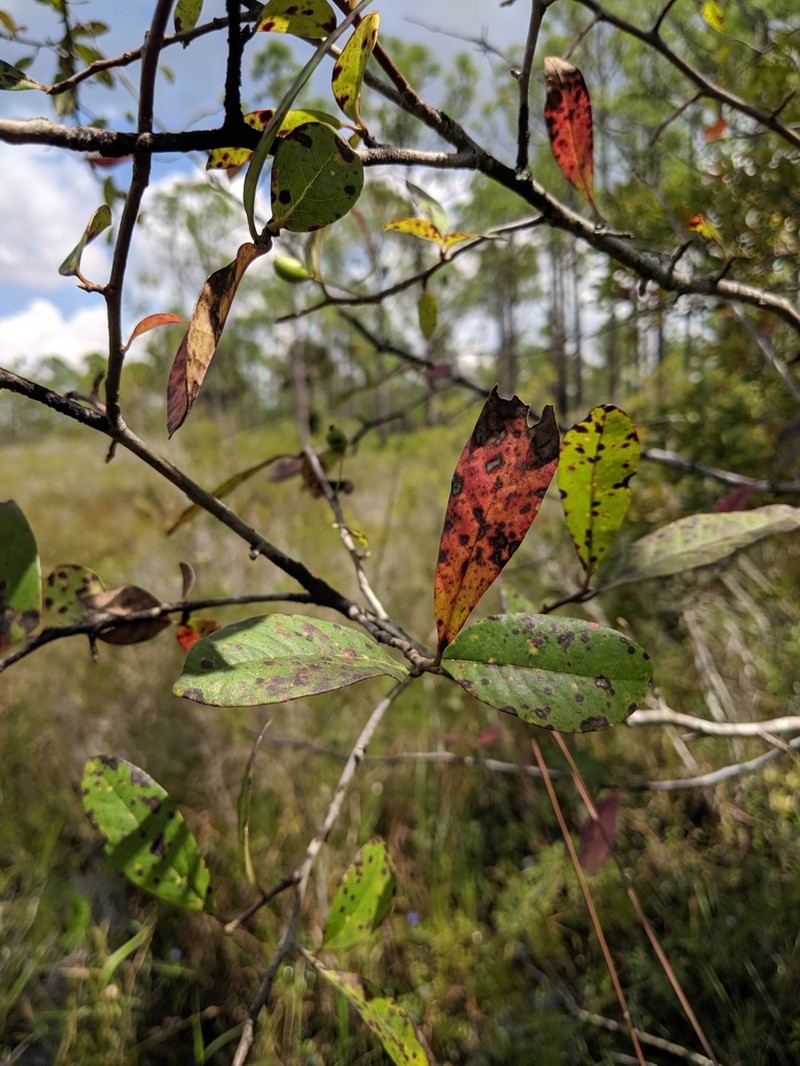
- red, purple
Soil Requirements
- Soil Type:
- moist, rich, acidic loamy soil
- pH:
- 4.5 - 6.5 (acidic to slightly acidic)
- Drainage:
- tolerates poor drainage
- Moisture:
- consistently moist
- Notes:
- commonly found in wetlands and swampy areas
Propagation & Germination
- Stratification:
- Cold/moist stratification required — 60–90 days
- Germination Time:
- 30–60 days
- Notes:
- Seeds require cold stratification for 60-90 days to break dormancy; germination occurs in spring.
Pre-treatment: Cold-moist stratification for 30 days at 1–5°C (34–41°F).; then Cold-moist stratification for 60 days.
Source: Claude AI