
White Ash
Fraxinus americana
- Native to:
- Canada, Mexico, Prince Edward I., United States, Virgin Islands
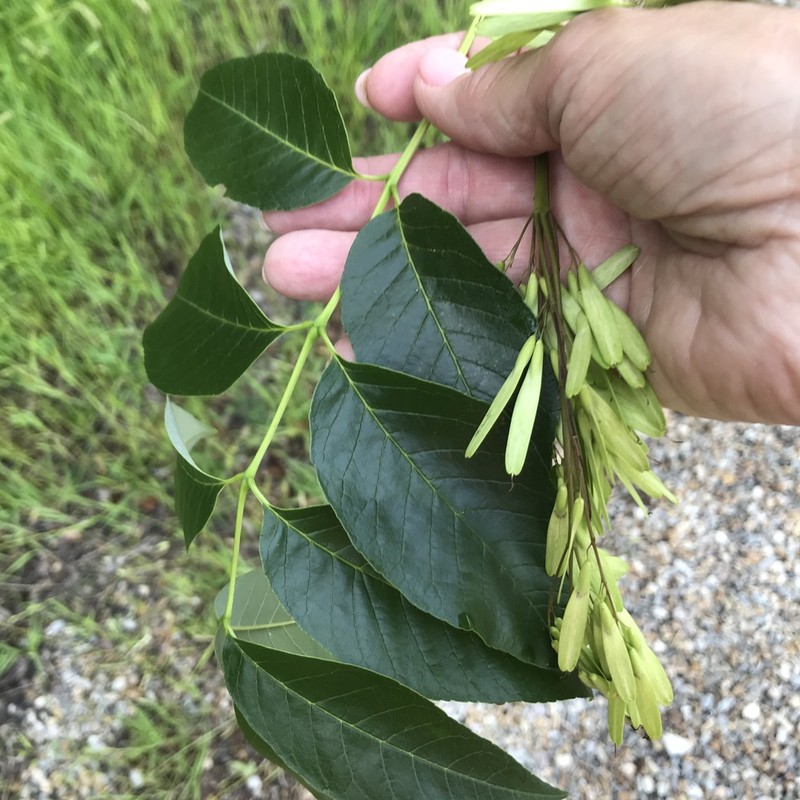
iNaturalist: © owenclarkin (iNaturalist #197822996)
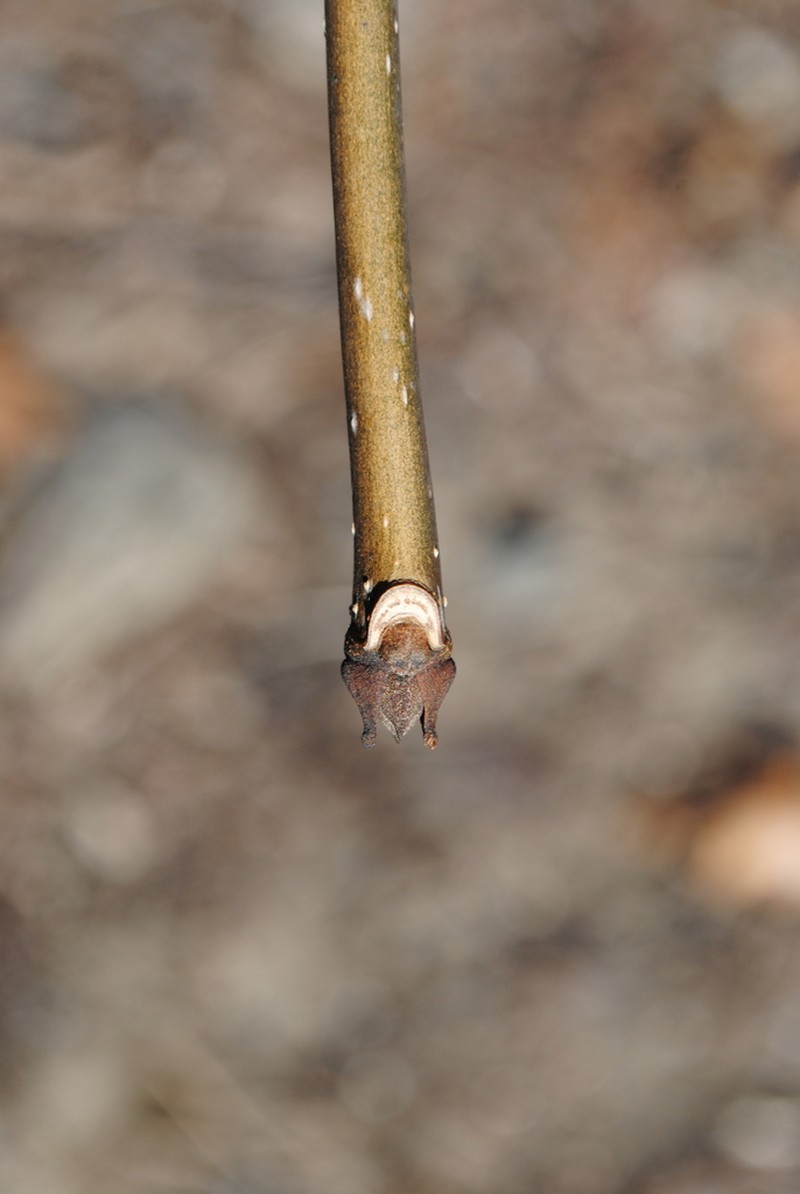
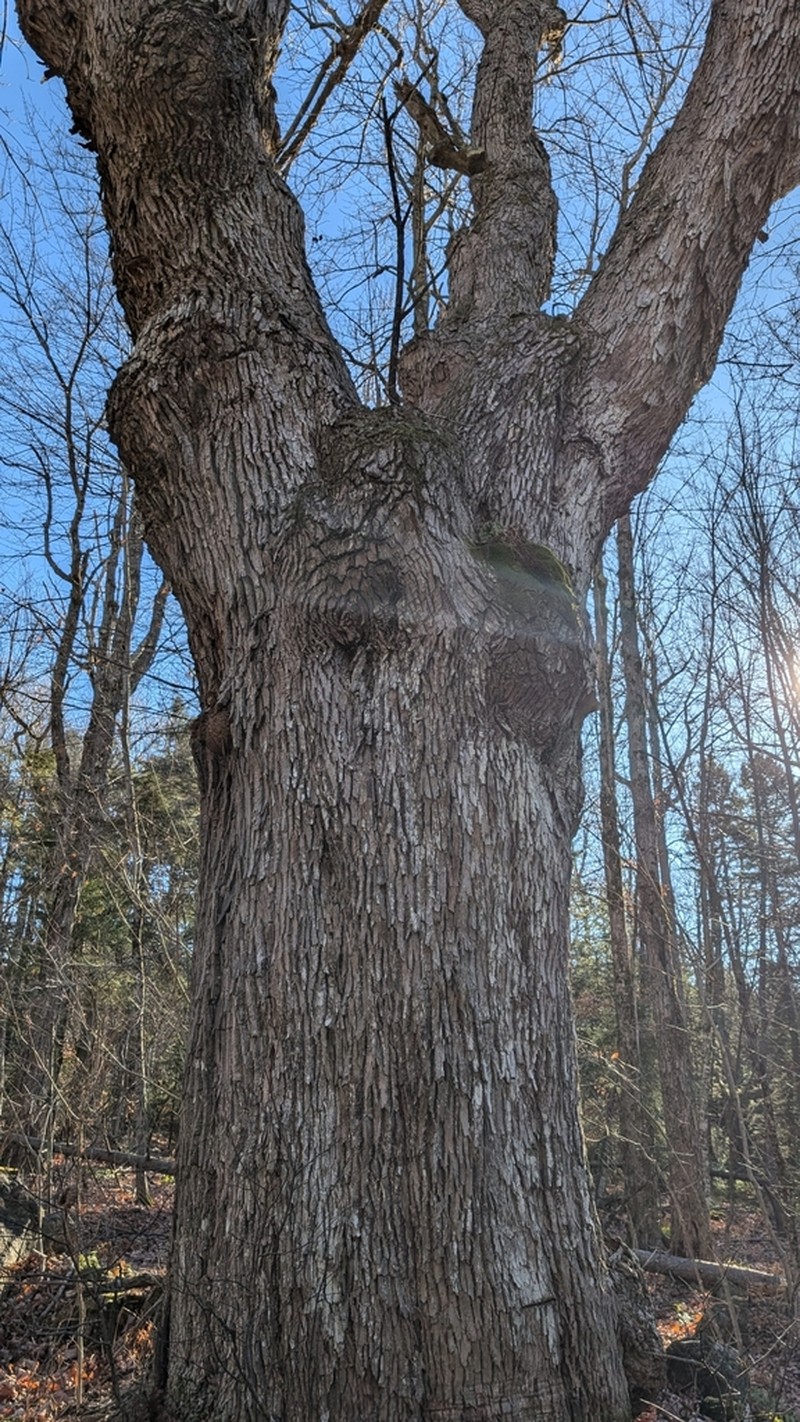
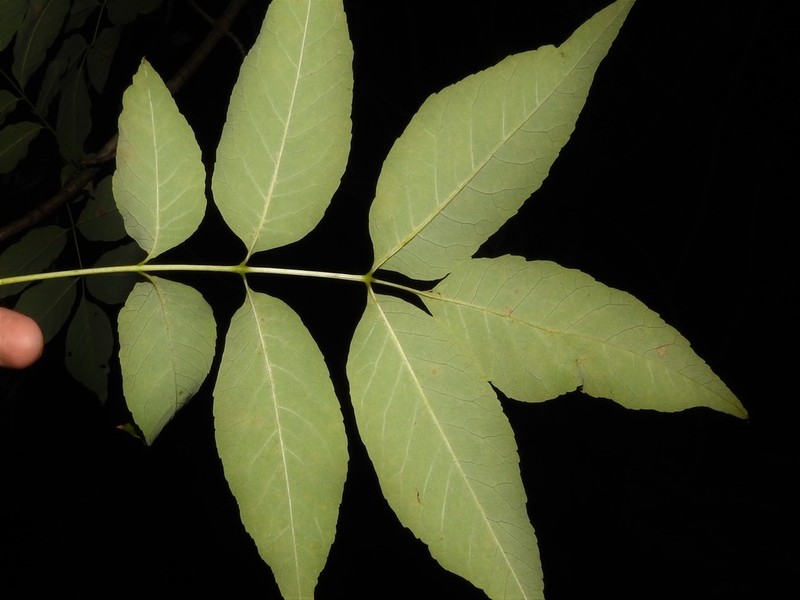
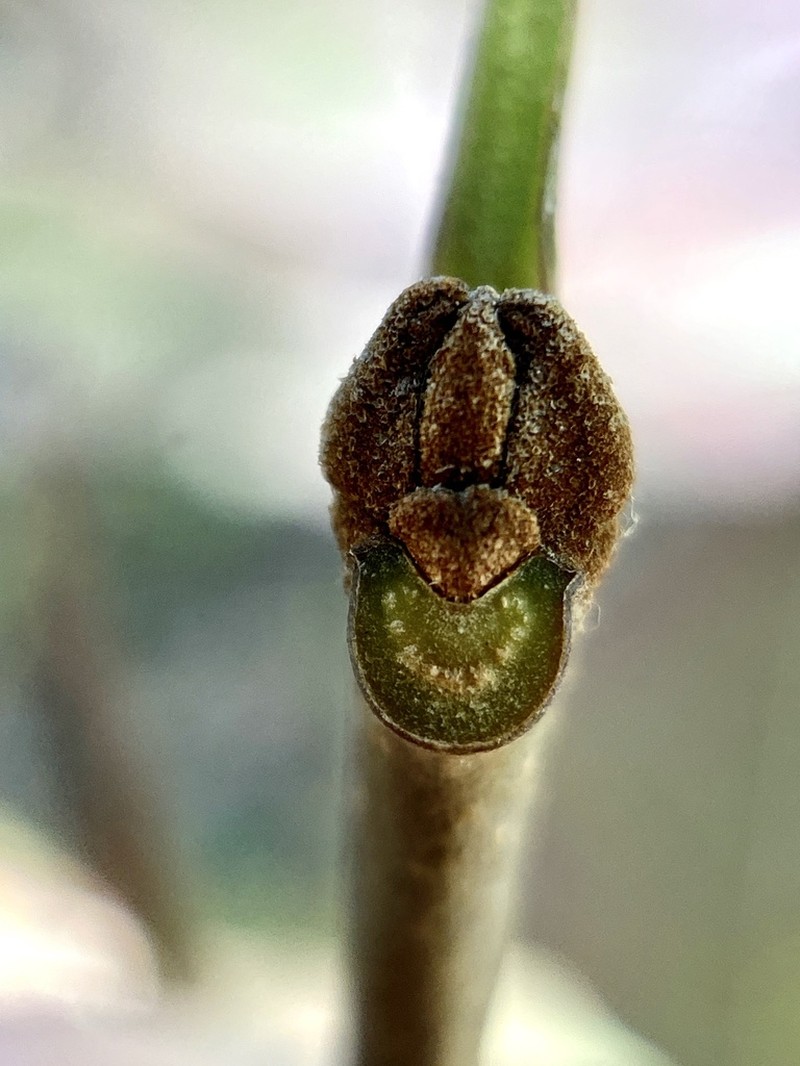
Taxonomy
- Division:
- Magnoliophyta | - Flowering plants
- Family:
- Oleaceae
- Genus:
- Fraxinus
- Species:
- Fraxinus americana
- USDA Symbol:
- FRAM2
Growth Characteristics
- Life Cycle:
- Perennial
- Growth Habit:
- Tree
- Height:
- 3000 cm
- Light Requirements:
- Full Sun,Part Shade,Shade
- Drought Tolerance:
- Medium
- Bloom Months:
- apr,may
- Bloom Colors:
- green, purple
Wildlife Benefits
- Butterflies & Moths:
- ★★★★★ Documented Lepidoptera association (GBIF)
- Caterpillars:
- ★★★★☆ Recorded caterpillar host plant (HOSTS Database)
Keystone Species Ranking
- Caterpillar Keystone:
- ★★★★★ Butterfly & moth species supported by this genus (NWF)
Host Plant for Caterpillars
Adita chionanthi, Ash Borer (Podosesia syringae), Banded Tussock Moth (Halysidota tessellaris), Bethune's Pinion (Lithophane bethunei), Brown-tail moth (Euproctis chrysorrhoea), Caloptilia fraxinella, ⚠️Canadian sphinx (Sphinx canadensis), Cecropia moth (Hyalophora cecropia), Copivaleria grotei, Dark-spotted Palthis (Palthis angulalis), Distinct Lichen Moth (Achatia distincta), Effecta Euchlaena Moth (Euchlaena effecta), fall cankerworm (Alsophila pometaria), Fall webworm (Hyphantria cunea), Forest Tent Caterpillar (Malacosoma disstria), Franck's sphinx moth (Sphinx franckii), Great Ash Sphinx (Sphinx chersis), Gypsy moth (Lymantria dispar), hibiscus Quaker (Orthosia hibisci), Hickory Tussock Moth (Lophocampa caryae), Io moth (Automeris io), Johnson's euchlaena moth (Euchlaena johnsonaria), lilac sphinx (Sphinx kalmiae), Linden looper (Erannis tiliaria), Manduca brontes, Maple spanworm (Ennomos magnaria), Marmara fraxinicola, Melanchra assimilis, Norman's Quaker (Crocigrapha normani), Obliquebanded leafroller (Choristoneura rosaceana), Ochre Euchlaena (Euchlaena marginaria), Orizaba silkmoth (Rothschildia orizaba), Orthosia revicta, Papaipema furcata, Promethea silkmoth (Callosamia promethea), Regal Moth (Citheronia regalis), reticulated sparganothis moth (Sparganothis reticulatana), Splendid Palpita Moth (Palpita magniferalis), Spring cankerworm (Paleacrita vernata), tawny brown carpet moth (Anacamptodes ephyraria), Twin-spotted sphinx (Smerinthus jamaicensis), Waved Sphinx (Ceratomia undulosa), White-marked Tussock Moth (Orgyia leucostigma), Winter moth (Operophtera brumata), woolly gray (Lycia ursaria), Baltimore checkerspot (Euphydryas phaeton), Eastern Tiger Swallowtail (Papilio glaucus), hickory hairstreak (Satyrium caryaevorum)
Reported Fauna Sightings
Moths:Caloptilia fraxinella, Copper Underwing (Amphipyra pyramidoides), Fall webworm (Hyphantria cunea), lilac sphinx (Sphinx kalmiae), Marmara fraxinicola, Promethea silkmoth (Callosamia promethea), Waved Sphinx (Ceratomia undulosa) Butterflies:Eastern Tiger Swallowtail (Papilio glaucus)
Garden & Ecology Notes
- Wildlife Value:
- birds, small mammals
- Fall Color:
- yellow, purple, red
Soil Requirements
- Soil Type:
- rich, well-drained loamy soil
- pH:
- 6.0 - 7.5 (slightly acidic to neutral)
- Drainage:
- good drainage preferred
- Moisture:
- consistently moist
- Notes:
- prefers deep, fertile soils in floodplains or upland forests
Propagation & Germination
- Stratification:
- Cold/moist stratification required — 60–90 days
- Germination Time:
- 30–60 days
- Notes:
- Seeds require cold stratification for 60-90 days to break dormancy; germination occurs in spring.
Pre-treatment: Seeds are cold stratified for 56 to 140 days, soaked in water for several hours or overnight, treated with fungicide and artificially stratified for 48 days in moist peat moss in a cooler at 36 F.
Establishment: Seeds are collected from mature fruit heads or purchased from local collectors. The plant is found within temperate deciduous forests of eastern North America, from Nova Scotia to Florida and Texas, and up to 1,050 m (3,450 ft) in the mountains. It occurs in a variety of deciduous and coniferous forests, as well as in riparian areas, typically on well-drained soils.
Source: npn.rngr.net
Where to Buy
Nationwide Seller
- Sheffield's Seed (seeds)