
European Ash
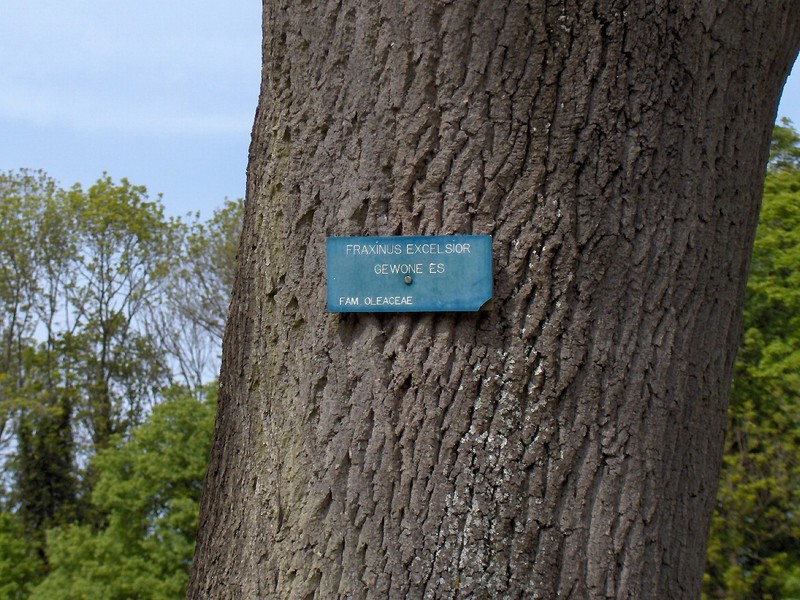
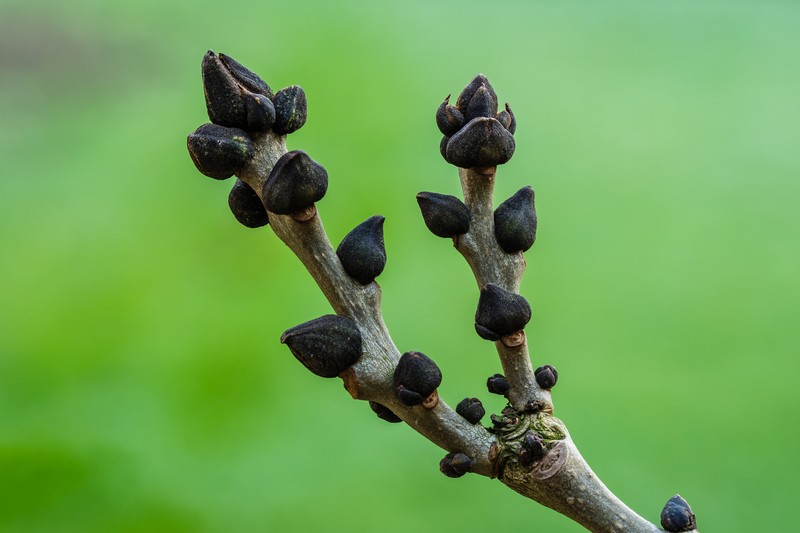
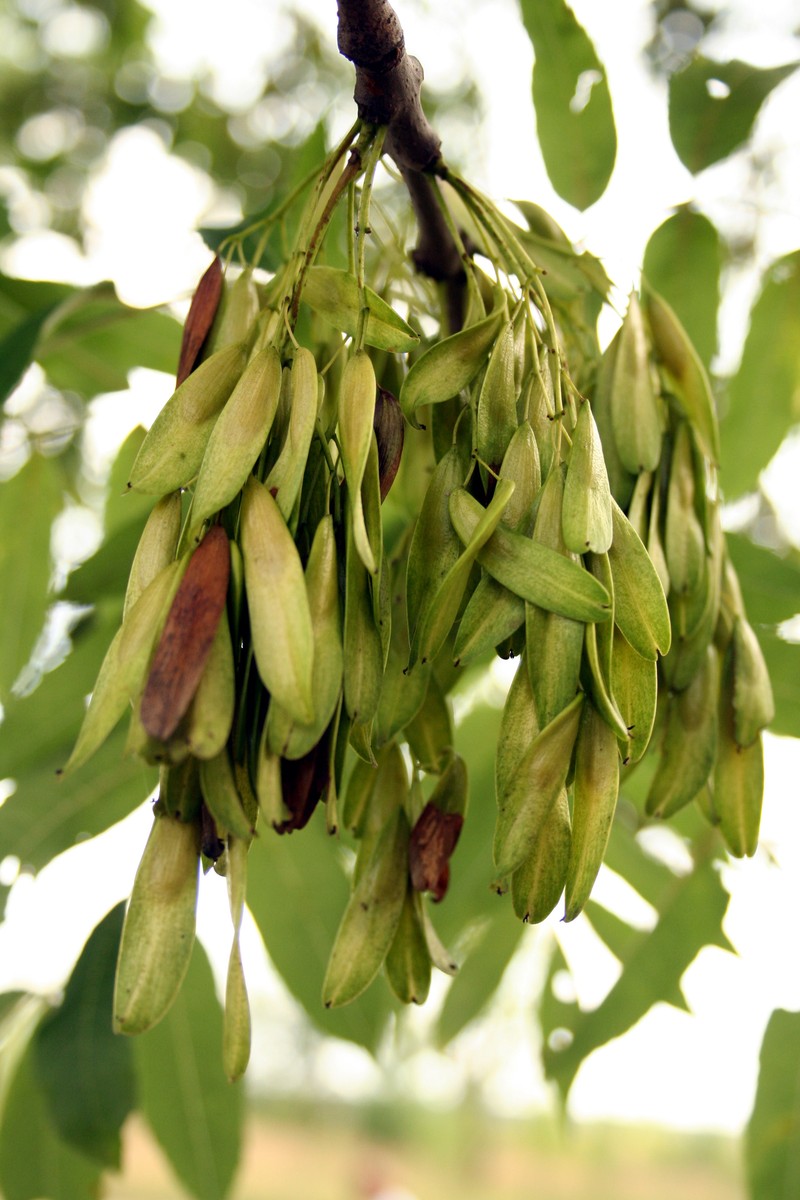
Fraxinus excelsior
- Native to:
- Austria, Baltic States, Belarus, Belgium, Bulgaria, Czechia-Slovakia, Denmark, East Aegean Is., France, Germany, Great Britain, Greece, Hungary, Iran, Ireland, Italy, Krym, Netherlands, North Caucasus, Norway, NW. Balkan Pen., Poland, Romania, Russia, Sicilia, Spain, Sweden, Switzerland, Transcaucasus, Türkiye, Ukraine
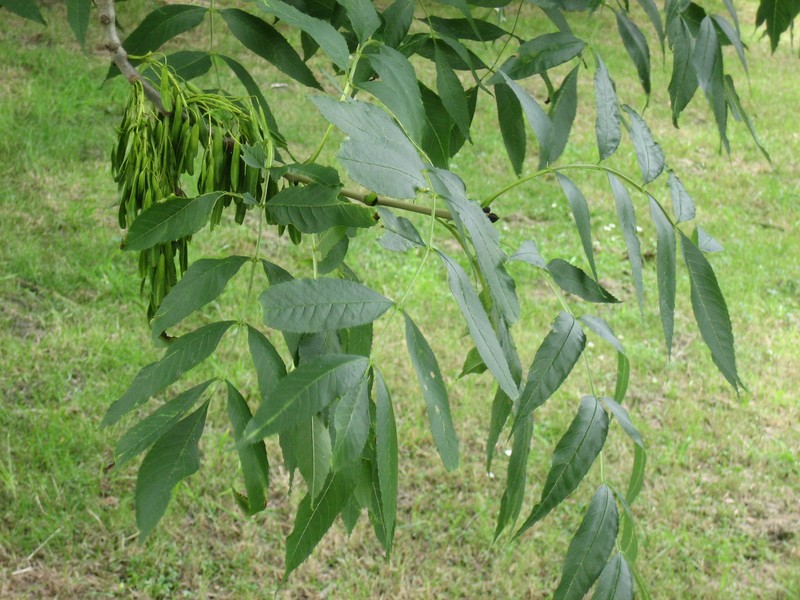
No machine-readable author provided. MPF assumed (based on copyright claims).
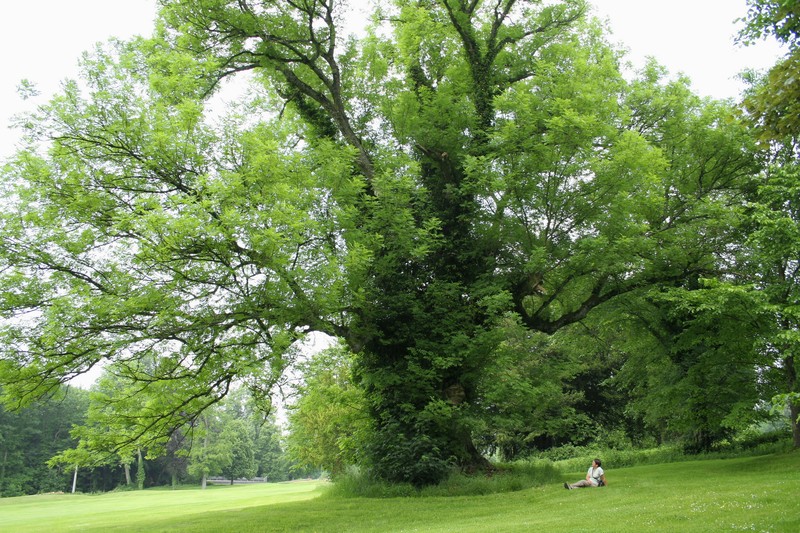
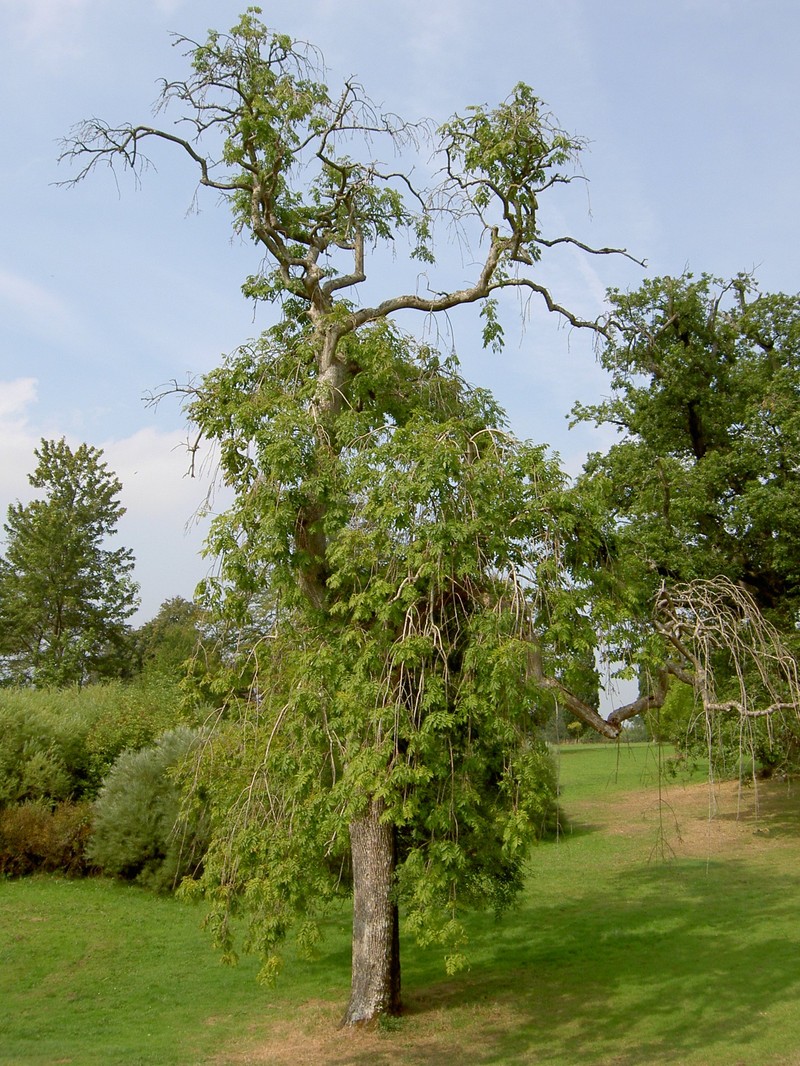
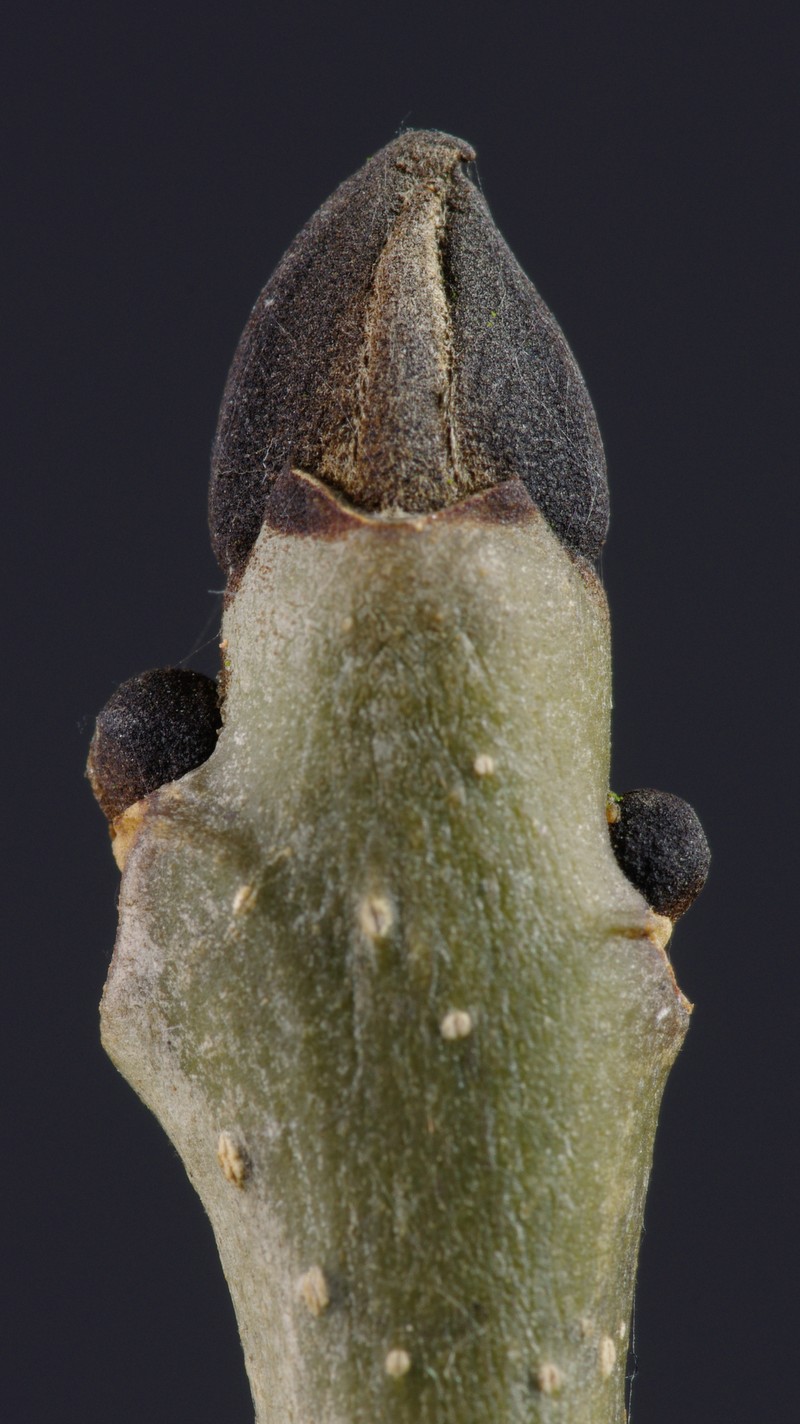
Taxonomy
- Division:
- Magnoliophyta | - Flowering plants
- Family:
- Oleaceae
- Genus:
- Fraxinus
- Species:
- Fraxinus excelsior
- USDA Symbol:
- FREX80
Growth Characteristics
- Life Cycle:
- Perennial
- Growth Habit:
- Tree
- Height:
- 4000 cm
- Light Requirements:
- Full Sun
- Drought Tolerance:
- Medium
- Bloom Months:
- apr,may
- Bloom Colors:
- green, purple
Wildlife Benefits
- Bees:
- ★☆☆☆☆ Documented bee visitation (GBIF)
- Butterflies & Moths:
- ★★★☆☆ Documented Lepidoptera association (GBIF)
- Caterpillars:
- ★★☆☆☆ Recorded caterpillar host plant (HOSTS Database)
Keystone Species Ranking
- Caterpillar Keystone:
- ★★★★★ Butterfly & moth species supported by this genus (NWF)
Host Plant for Caterpillars
Ash Borer (Podosesia syringae), Elegant sphinx (Sphinx perelegans), Fall webworm (Hyphantria cunea), Manduca brontes, Waved Sphinx (Ceratomia undulosa), White-marked Tussock Moth (Orgyia leucostigma)
Garden & Ecology Notes
- Wildlife Value:
- birds, small mammals
- Fall Color:
- yellow, purple
Soil Requirements
- Soil Type:
- rich, well-drained loamy soil
- pH:
- 5.5 - 7.5 (slightly acidic to neutral)
- Drainage:
- tolerates moderate drainage
- Moisture:
- consistently moist
- Notes:
- Prefers fertile soils in its native range
Propagation & Germination
- Stratification:
- Cold/moist stratification required — 60–90 days
- Germination Time:
- 30–60 days
- Notes:
- Seeds require cold stratification for 2-3 months to break dormancy; germination is often slow and erratic.
Where to Buy
Nationwide Seller
- Sheffield's Seed (seeds)