
European Privet
Ligustrum vulgare
- Native to:
- Albania, Algeria, Austria, Belgium, Bulgaria, Czechia-Slovakia, Denmark, France, Germany, Great Britain, Greece, Hungary, Iran, Ireland, Italy, Krym, Morocco, Netherlands, North Caucasus, Norway, NW. Balkan Pen., Poland, Portugal, Romania, Spain, Sweden, Switzerland, Transcaucasus, Türkiye, Türkiye-in-Europe, Ukraine
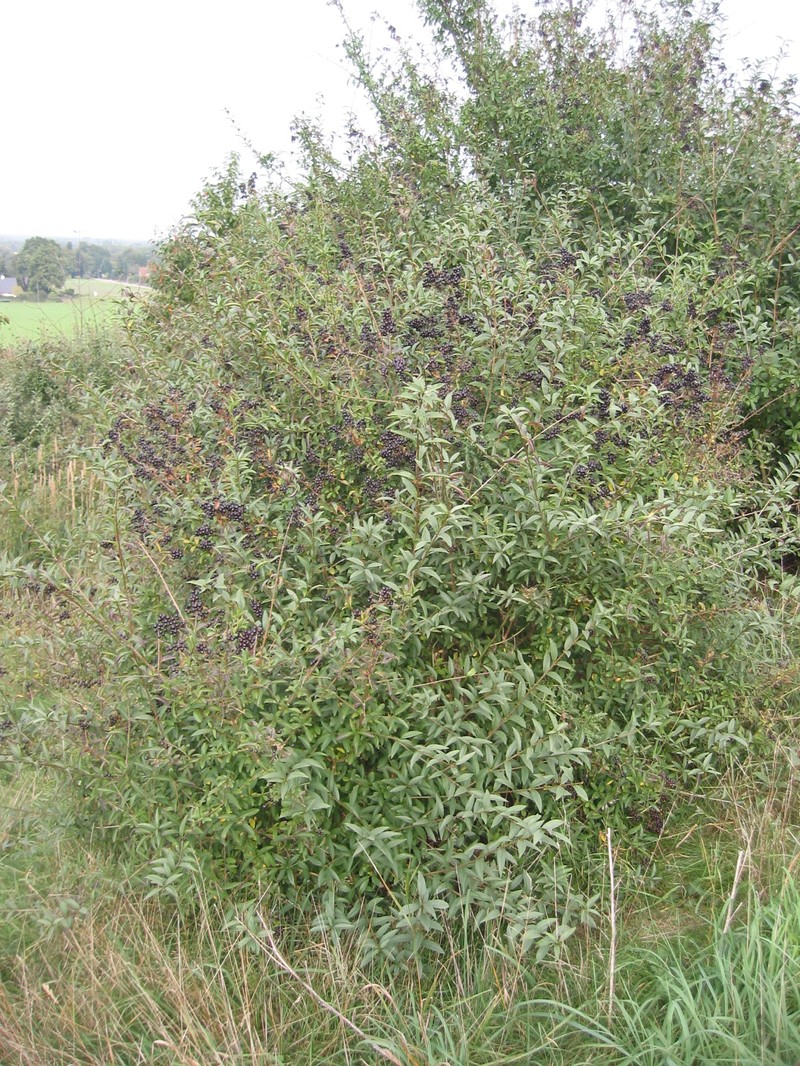
Rasbak
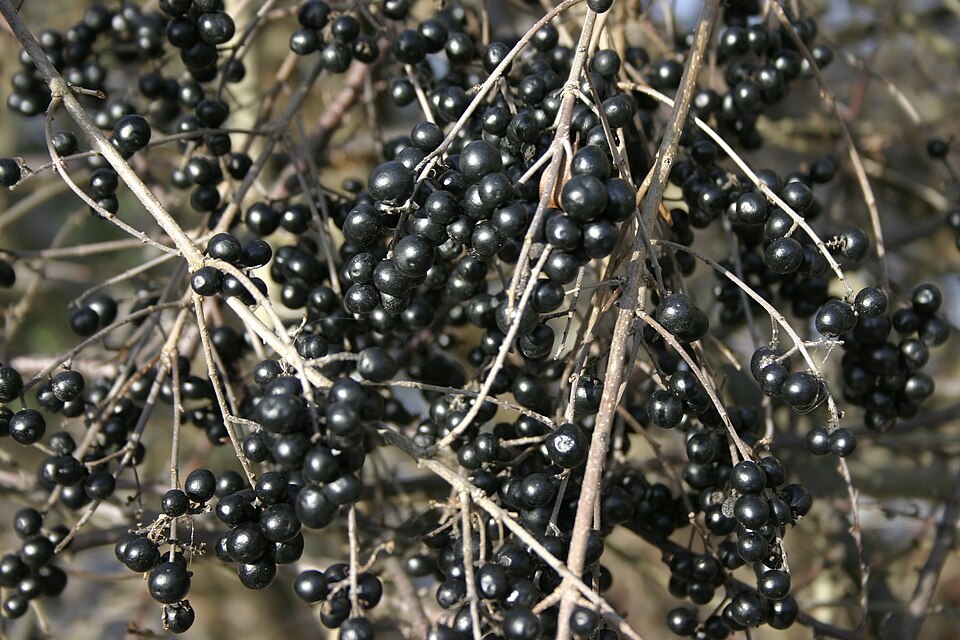
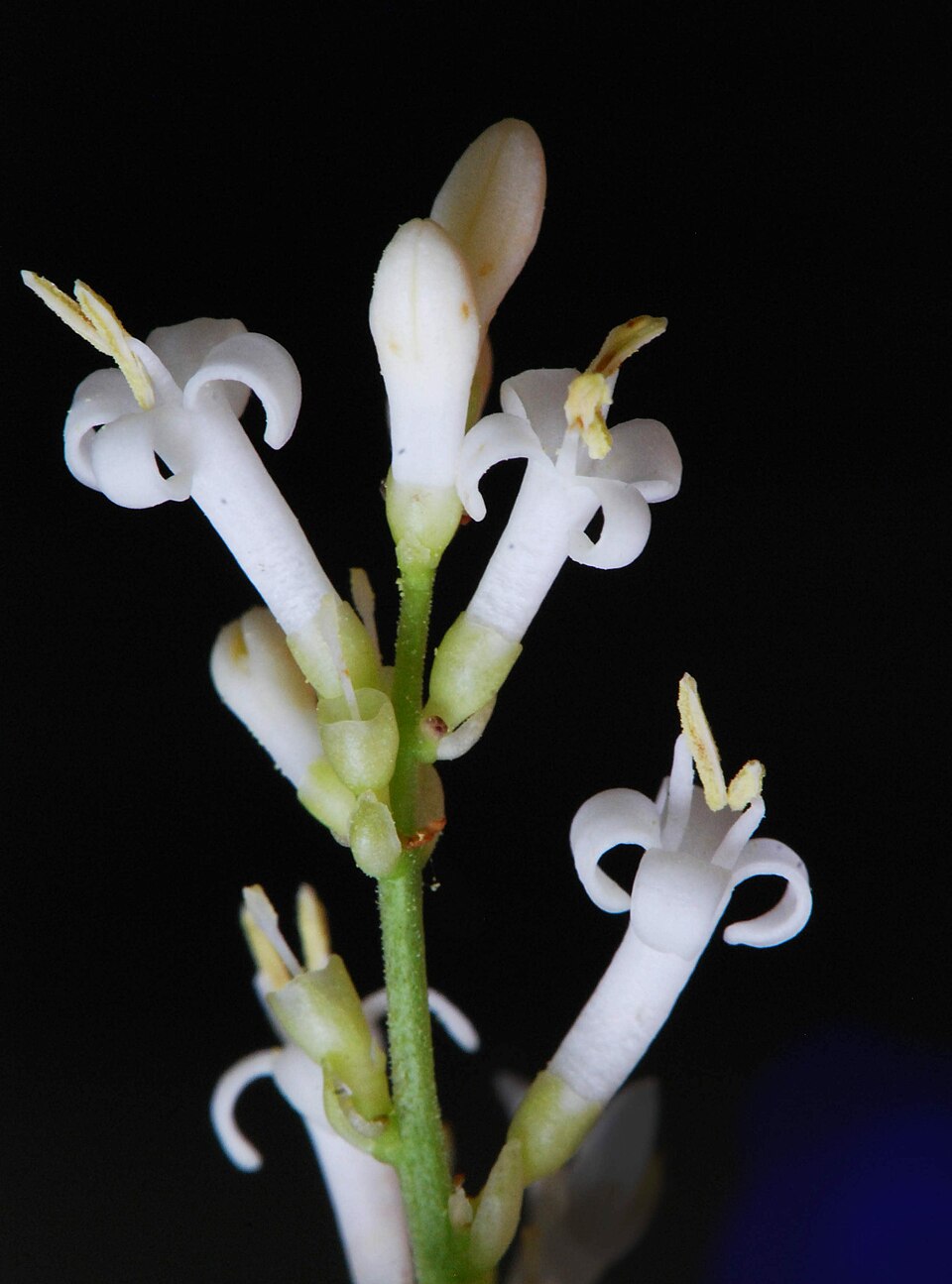
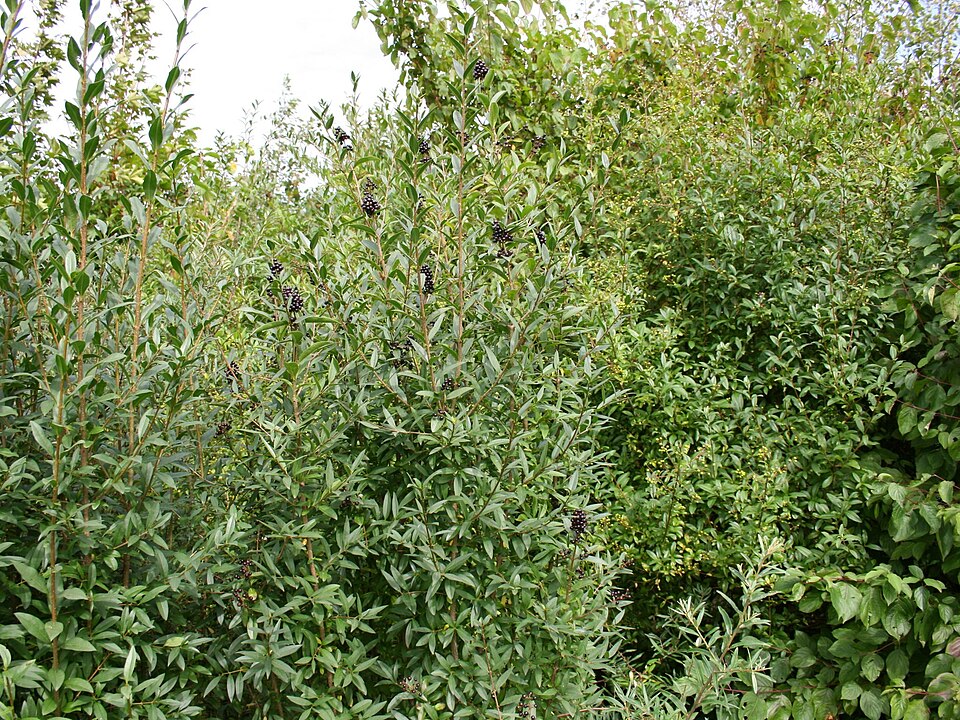
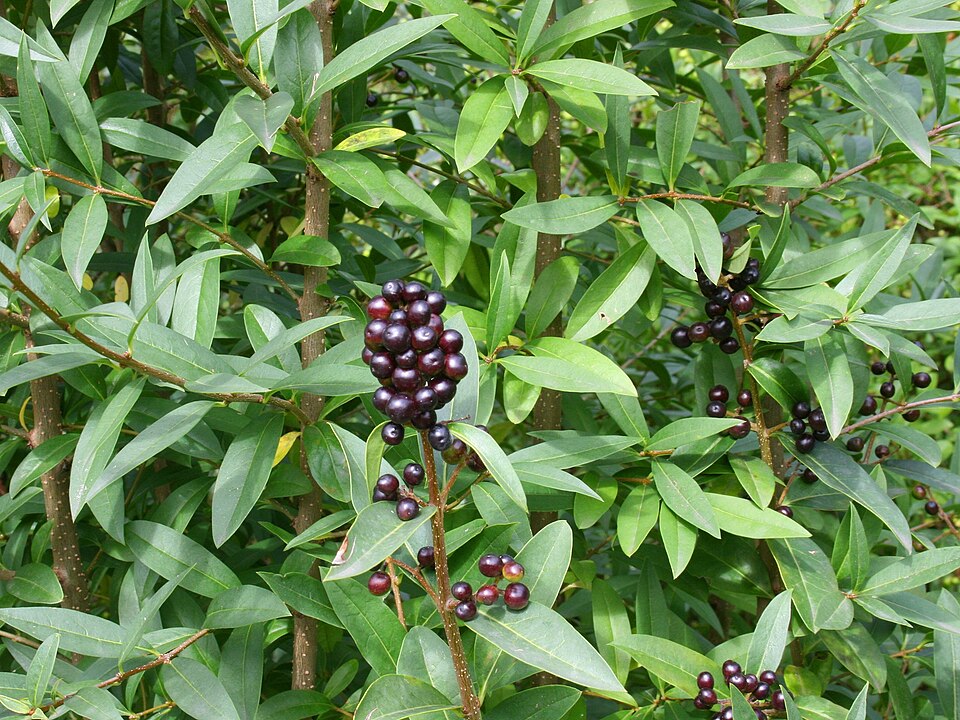
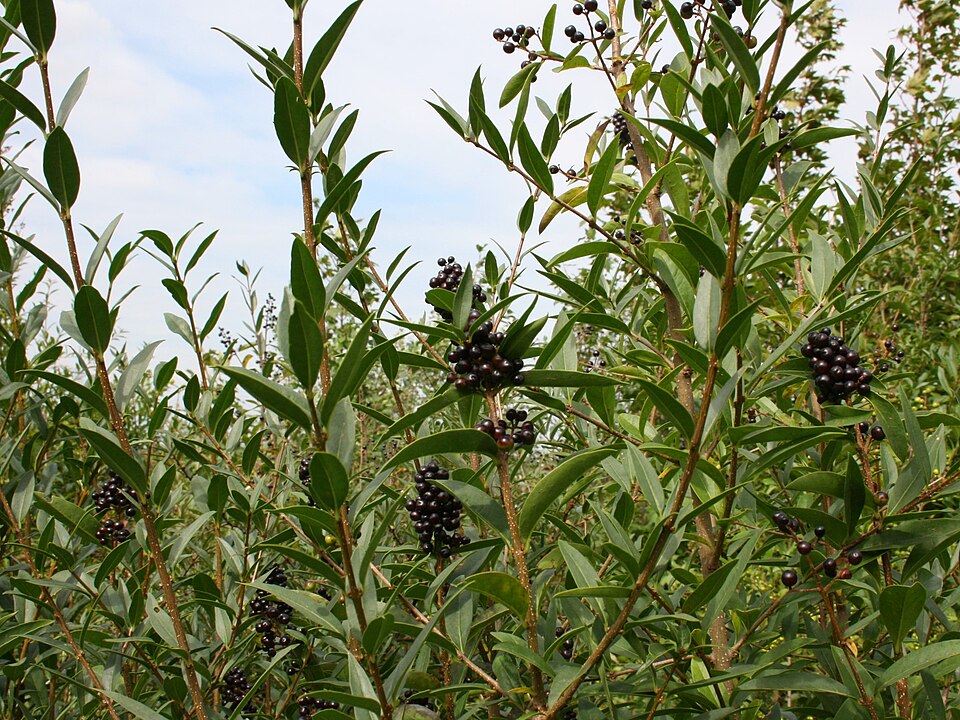
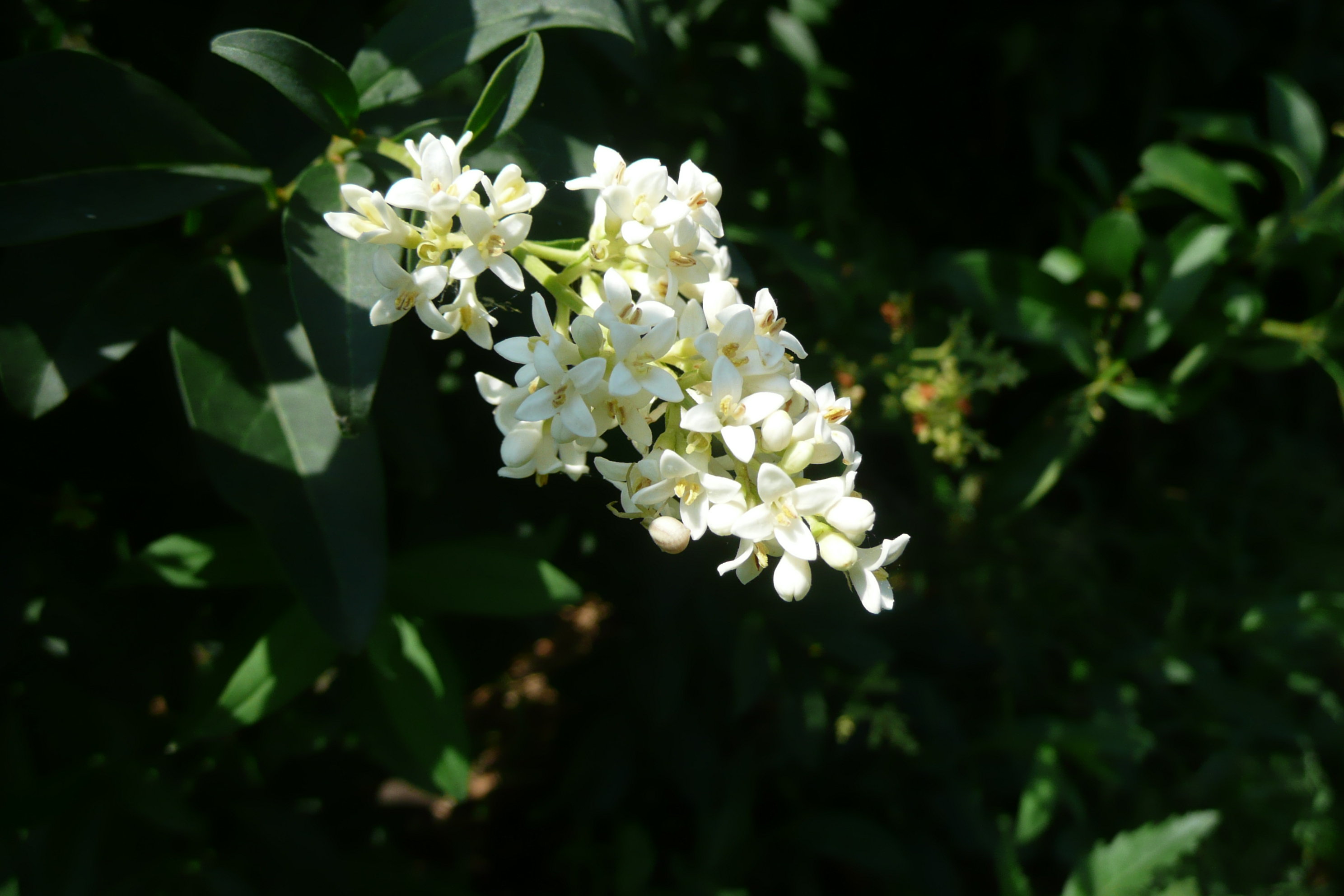
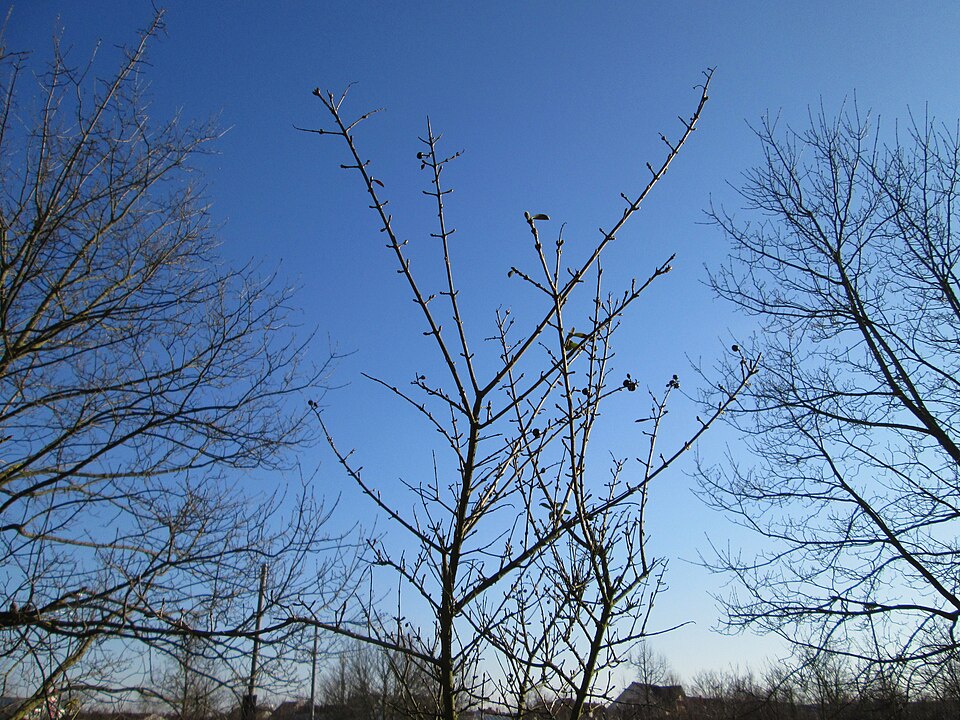
Taxonomy
- Division:
- Magnoliophyta | - Flowering plants
- Family:
- Oleaceae
- Genus:
- Ligustrum
- Species:
- Ligustrum vulgare
- USDA Symbol:
- LIVU
Growth Characteristics
- Life Cycle:
- Perennial
- Growth Habit:
- Shrub
- Height:
- 500 cm
- Light Requirements:
- Full Sun
- Drought Tolerance:
- Medium
- Bloom Months:
- may,jun
- Bloom Colors:
- white
- Landscaping Shrub:
- Yes
Wildlife Benefits
- Bees:
- ★☆☆☆☆ Documented bee visitation (GBIF)
- Butterflies & Moths:
- ★★★☆☆ Documented Lepidoptera association (GBIF)
- Caterpillars:
- ★★☆☆☆ Recorded caterpillar host plant (HOSTS Database)
Host Plant for Caterpillars
Cecropia moth (Hyalophora cecropia), Fall webworm (Hyphantria cunea), four-spotted palpita moth (Palpita quadristigmalis), Great Ash Sphinx (Sphinx chersis), Incense Cedar Sphinx (Sphinx libocedrus), Rose Tortrix (Archips rosana), Rustic Sphinx (Manduca rustica), Spring cankerworm (Paleacrita vernata), Waved Sphinx (Ceratomia undulosa), White-marked Tussock Moth (Orgyia leucostigma), Two-tailed Swallowtail (Papilio multicaudatus)
Garden & Ecology Notes
- Wildlife Value:
- birds, butterflies
- Deer Resistant:
- Yes
- Salt Tolerant:
- Yes
- Fragrant:
- Yes
Soil Requirements
- Soil Type:
- fertile, well-drained loamy soil
- pH:
- 6.0 - 8.0 (slightly acidic to alkaline)
- Drainage:
- tolerates poor drainage
- Moisture:
- dry to moderate
- Notes:
- Adaptable to various soil types including calcareous soils
Propagation & Germination
- Stratification:
- Cold/moist stratification required — 60–90 days
- Germination Time:
- 30–90 days
- Notes:
- Seeds benefit from cold stratification; germination may be slow and uneven.
Where to Buy
Nationwide Seller
- Sheffield's Seed (seeds)