
Olive
Olea europaea
- Native to:
- Afghanistan, Albania, Algeria, Angola, Baleares, Botswana, Burundi, Canary Is., China, Cyprus, Djibouti, DR Congo, East Aegean Is., Eritrea, Eswatini, Ethiopia, Greece, India, Iran, Italy, Kenya, Kriti, Lesotho, Libya, Madeira, Malawi, Mauritius, Morocco, Mozambique, Namibia, Nepal, Niger, NW. Balkan Pen., Oman, Pakistan, Palestine, Portugal, Réunion, Rwanda, Sardegna, Saudi Arabia, Sicilia, Somalia, South Africa, Spain, Sudan-South Sudan, Tanzania, Tunisia, Türkiye, Türkiye-in-Europe, Uganda, Yemen, Zambia, Zimbabwe
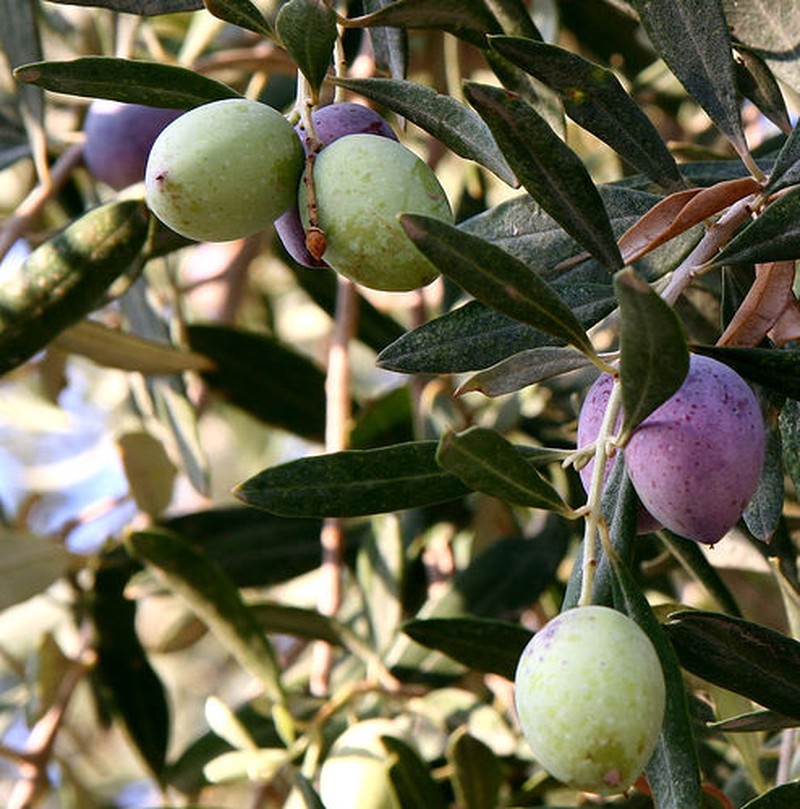
en:User:Nickfraser (en.wikipedia.org)
Taxonomy
- Division:
- Magnoliophyta | - Flowering plants
- Family:
- Oleaceae
- Genus:
- Olea
- Species:
- Olea europaea
- USDA Symbol:
- OLEU
Growth Characteristics
- Life Cycle:
- Perennial
- Growth Habit:
- Shrub , Tree
- Height:
- 1500 cm
- Light Requirements:
- Full Sun
- Drought Tolerance:
- High
- Bloom Months:
- apr,may,jun
- Bloom Colors:
- white, cream
- Evergreen Shrub:
- Yes
- Landscaping Shrub:
- Yes
Wildlife Benefits
- Bees:
- ★☆☆☆☆ Documented bee visitation (GBIF)
- Butterflies & Moths:
- ★★★★★ Documented Lepidoptera association (GBIF)
- Caterpillars:
- ★★☆☆☆ Recorded caterpillar host plant (HOSTS Database)
Host Plant for Caterpillars
American plum borer (Euzophera semifuneralis), Ash Borer (Podosesia syringae), Characoma nilotica, Kimball's palpita moth (Palpita kimballi), Omnivorous Looper (Sabulodes aegrotata), White-lined sphinx moth (Hyles lineata)
Garden & Ecology Notes
- Wildlife Value:
- birds, small mammals
- Salt Tolerant:
- Yes
- Fragrant:
- Yes
Soil Requirements
- Soil Type:
- rocky, well-drained, calcareous soil
- pH:
- 6.0 - 8.5 (slightly acidic to alkaline)
- Drainage:
- excellent drainage required
- Moisture:
- dry to moderate
- Notes:
- thrives in poor, nutrient-deficient soils
Where to Buy
Nationwide Seller
- Sheffield's Seed (seeds)