
Farewell To Spring
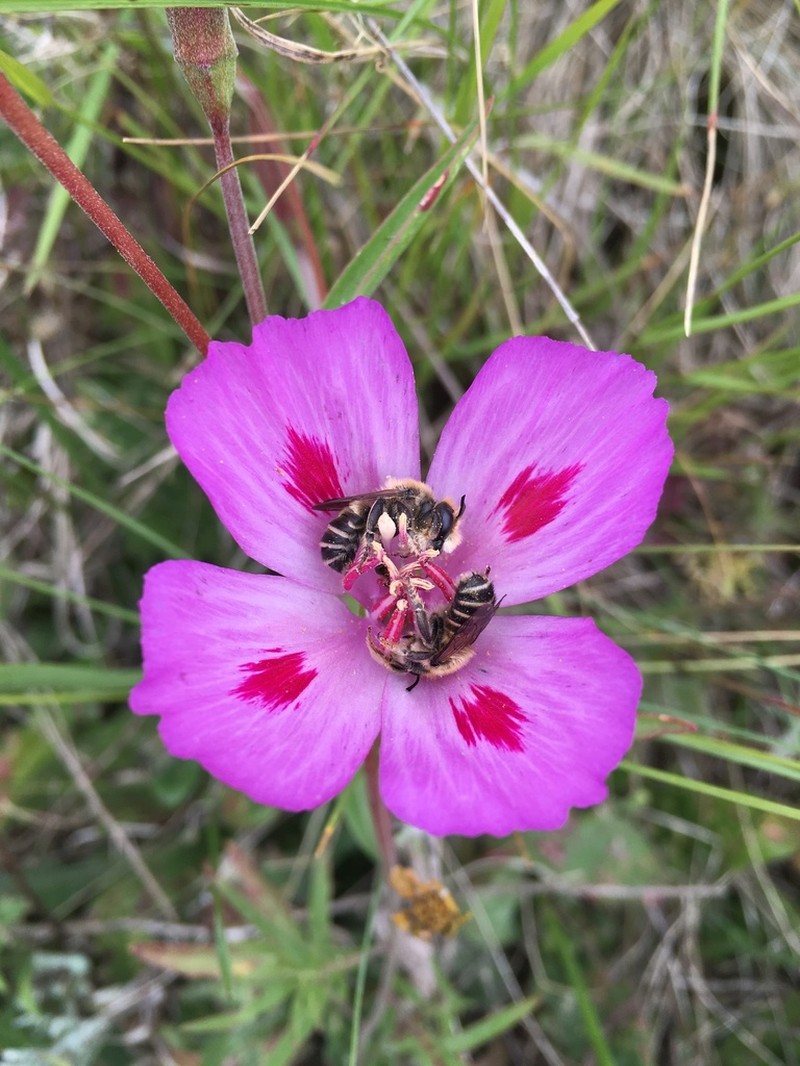
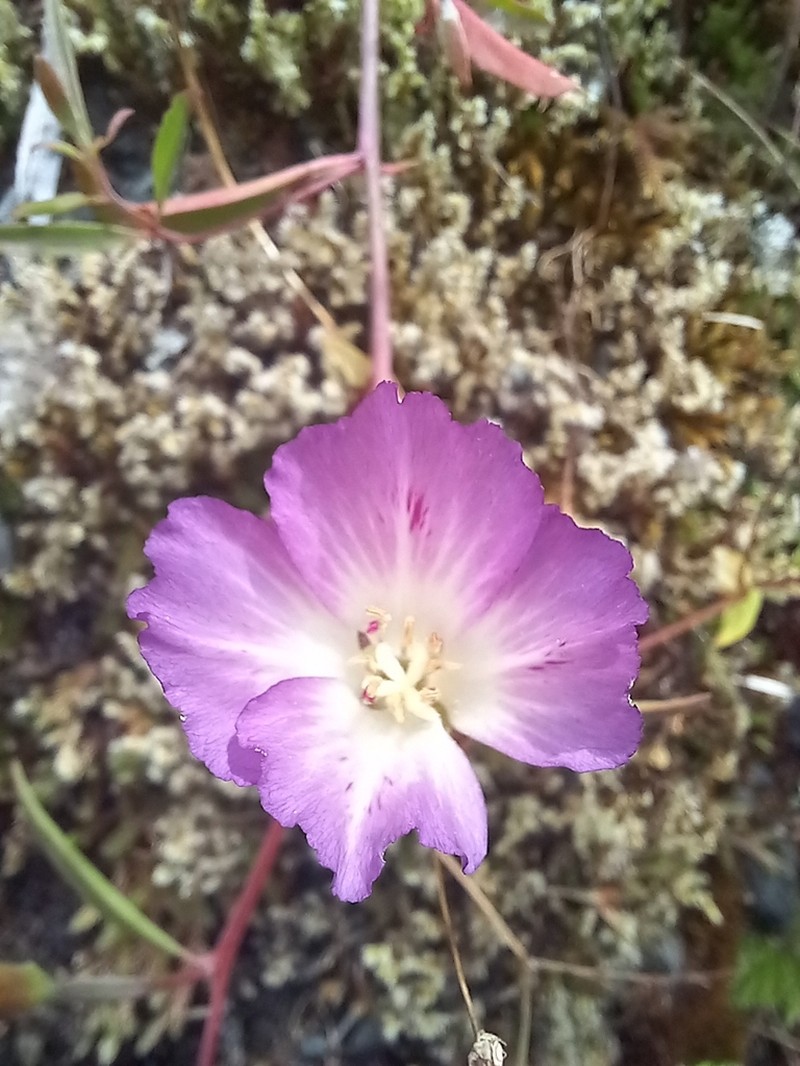
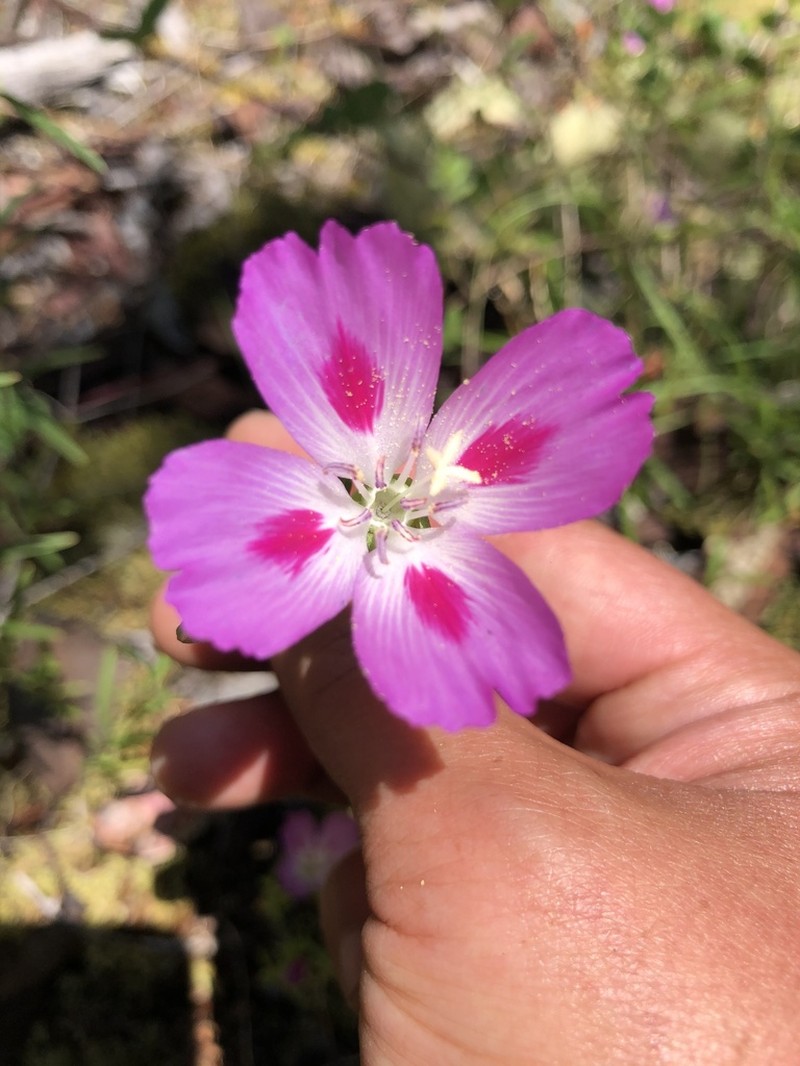
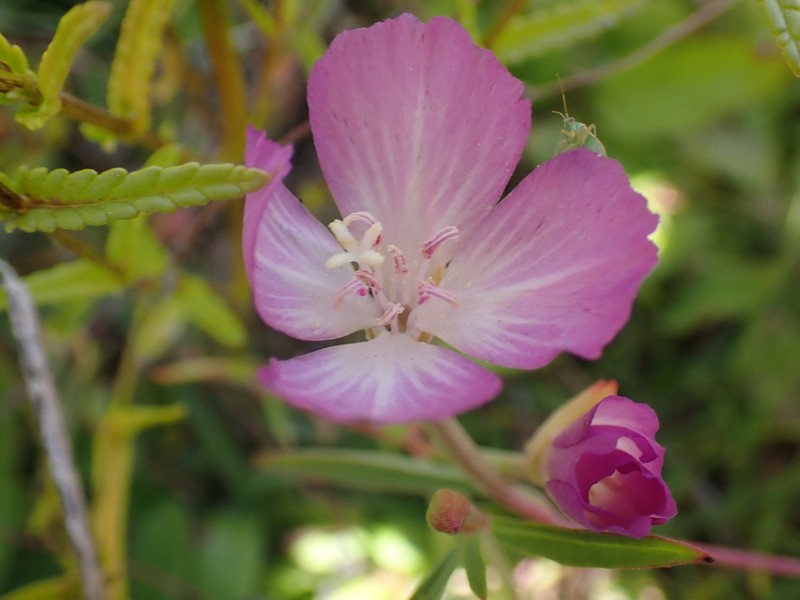
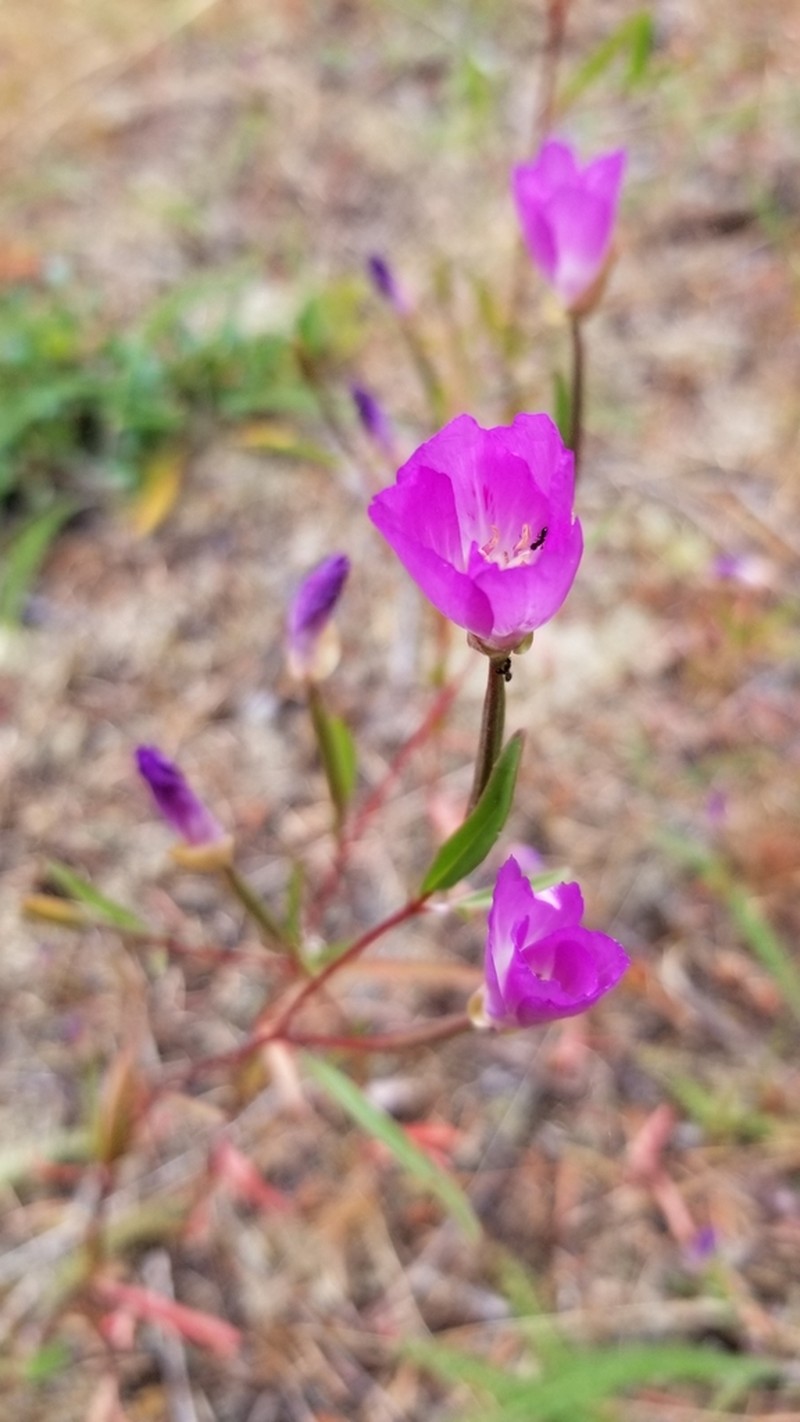
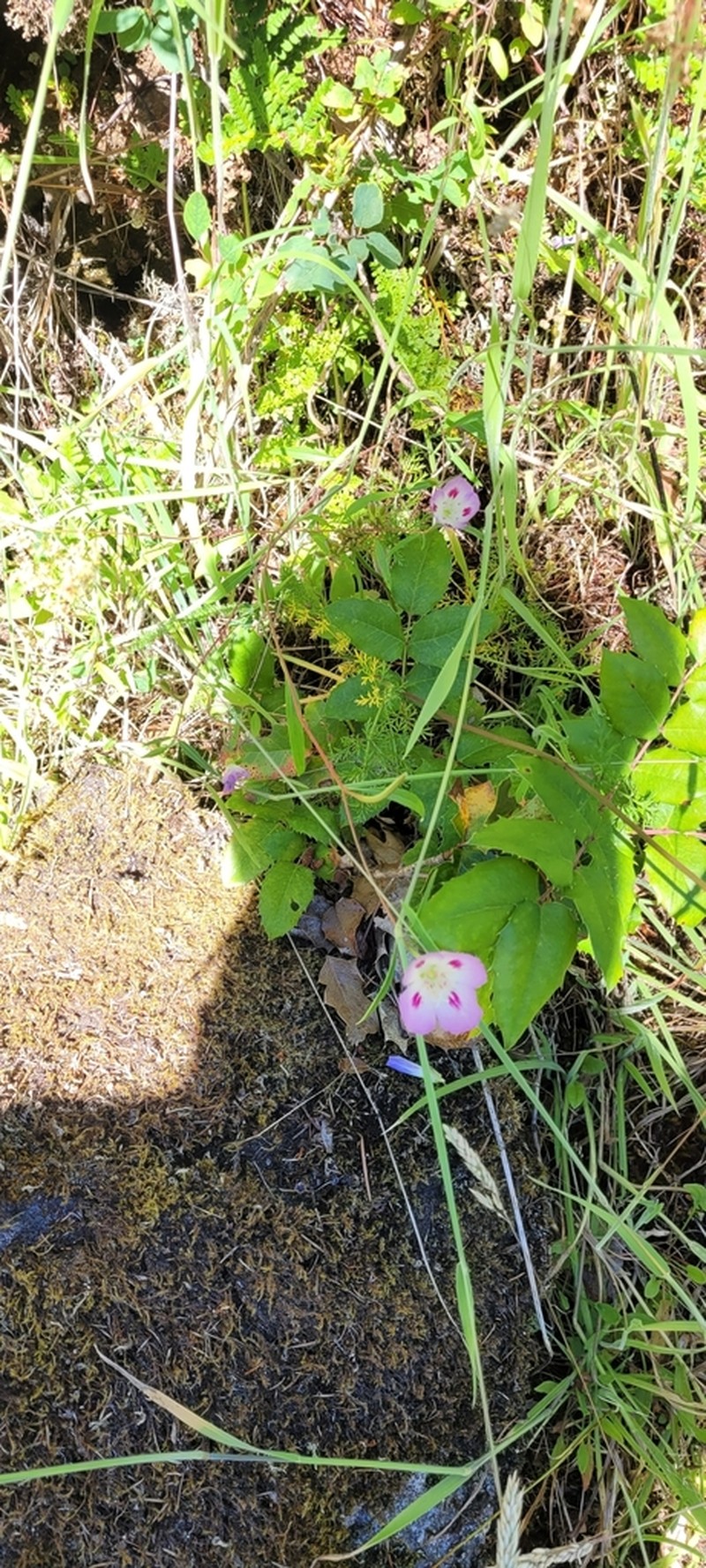
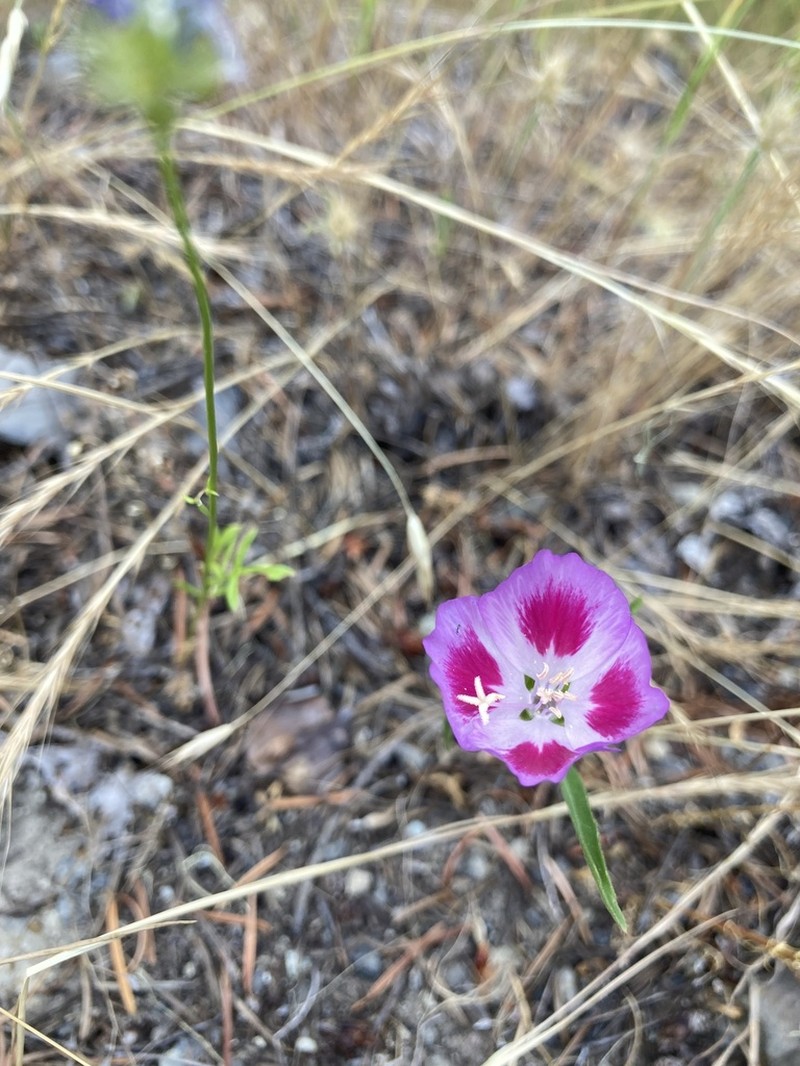
Clarkia amoena
- Native to:
- United States
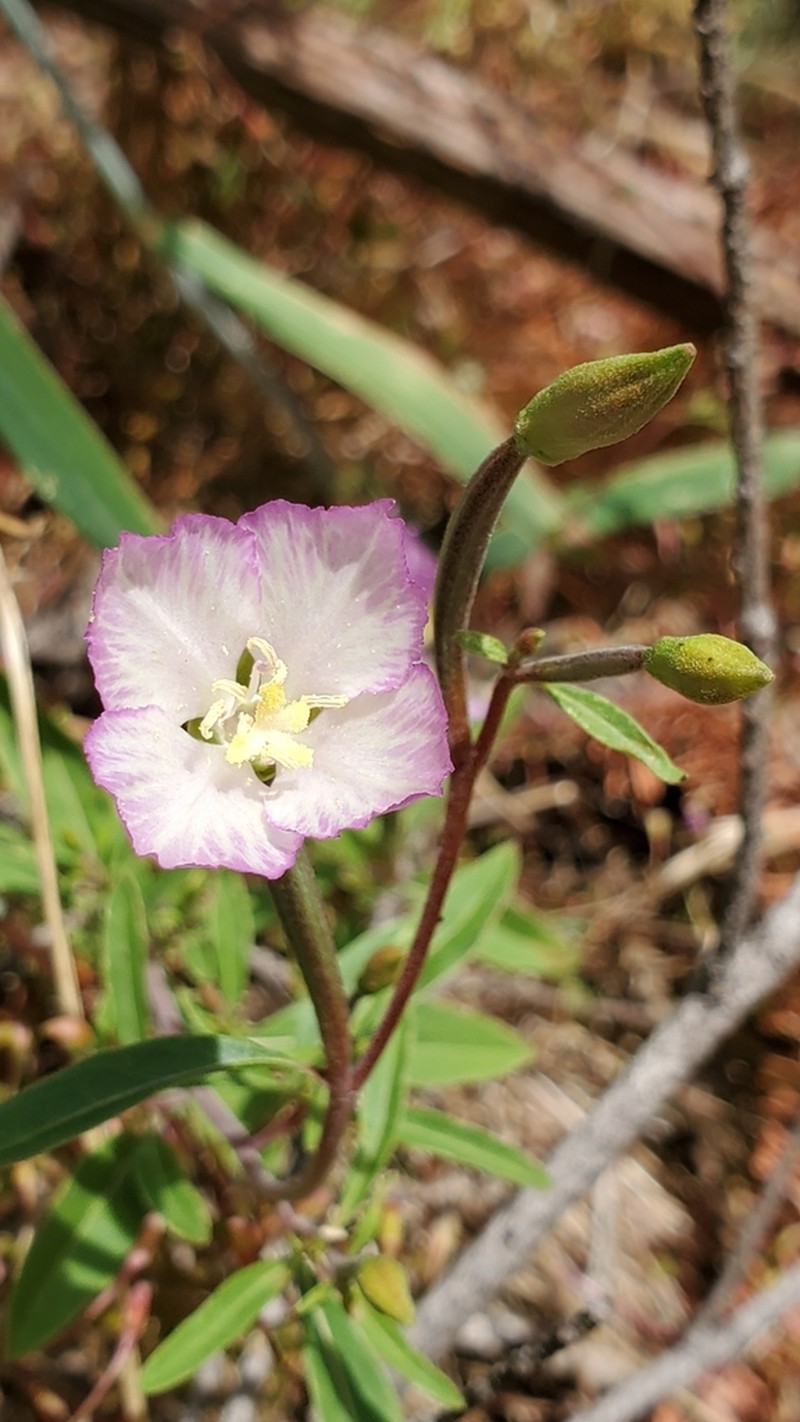
iNaturalist: © abe (iNaturalist #83599786)
Taxonomy
- Division:
- Magnoliophyta | - Flowering plants
- Family:
- Onagraceae
- Genus:
- Clarkia
- Species:
- Clarkia amoena
- USDA Symbol:
- CLAM
Growth Characteristics
- Life Cycle:
- Annual
- Growth Habit:
- Forb/herb
- Height:
- 90 cm
- Light Requirements:
- Part Shade
- Drought Tolerance:
- Medium
- Bloom Months:
- jun,jul,aug
- Bloom Colors:
- pink, purple, red, white
Wildlife Benefits
- Bees:
- ★☆☆☆☆ Documented bee visitation (GBIF)
- Butterflies & Moths:
- ★★☆☆☆ Documented Lepidoptera association (GBIF)
Reported Fauna Sightings
Bees: Yellow-faced bumble bee (Bombus vosnesenskii) Moths:White-lined sphinx moth (Hyles lineata)
Garden & Ecology Notes
- Wildlife Value:
- bees, butterflies
Soil Requirements
- Soil Type:
- sandy, well-drained, nutrient-poor soil
- pH:
- 5.5 - 7.0 (slightly acidic to neutral)
- Drainage:
- excellent drainage required
- Moisture:
- dry to moderate
- Notes:
- native to coastal areas with sandy soils
Propagation & Germination
- Stratification:
- Cold/moist stratification required — 30–60 days
- Germination Time:
- 14–30 days
- Notes:
- Seeds germinate best after cold stratification; sow in fall or stratify for 4-8 weeks before spring sowing.
Pre-treatment: Seeds were sown into cone-tainers filled with Sunshine # 1 (a soil-less peat-based media) amended with micro-nutrients (Micromax) and a slow-release fertilizer (Osmocote 14-14-14).
Source: npn.rngr.net
ORGHPS Germination Guide: Sow @ 20C. Germinates within 3 months.
Where to Buy
Nationwide Seller
- Native Seed Group (seeds)
- Vermont Wildflower Farm (nursery and seeds)