
Pinkfairies
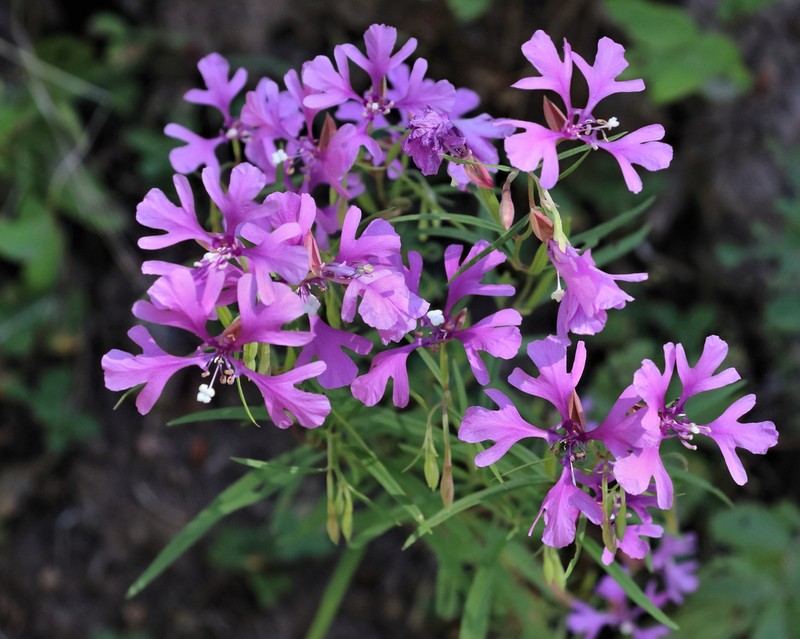
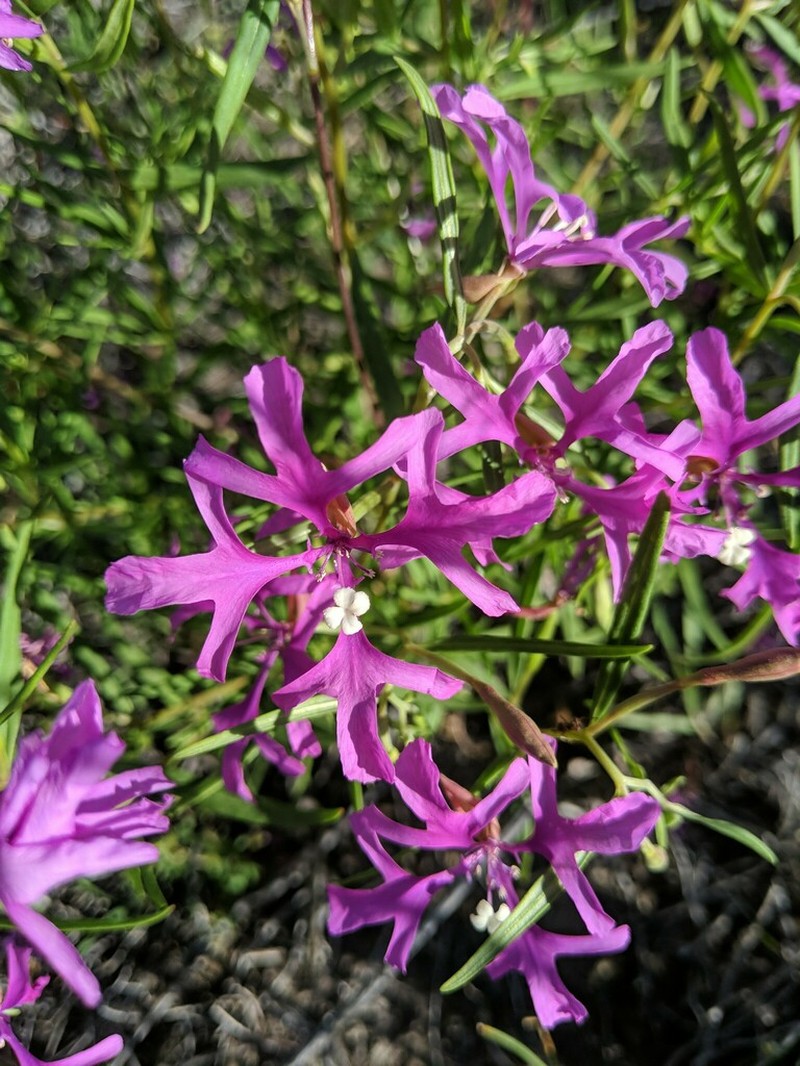
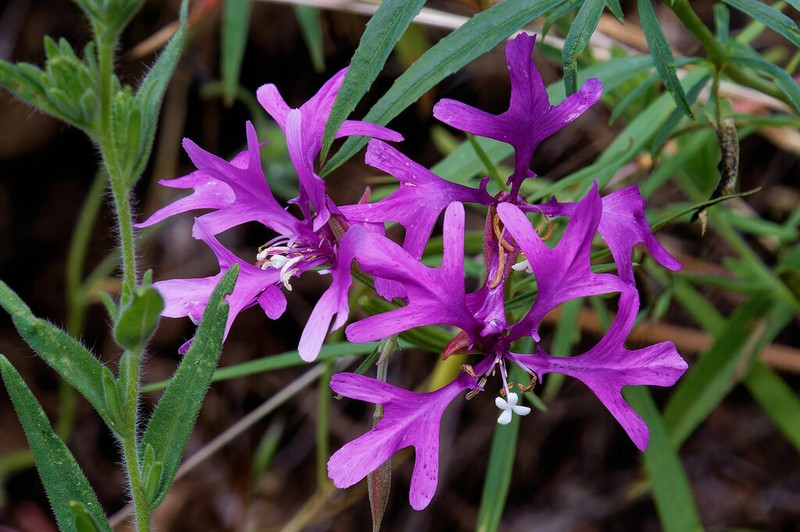
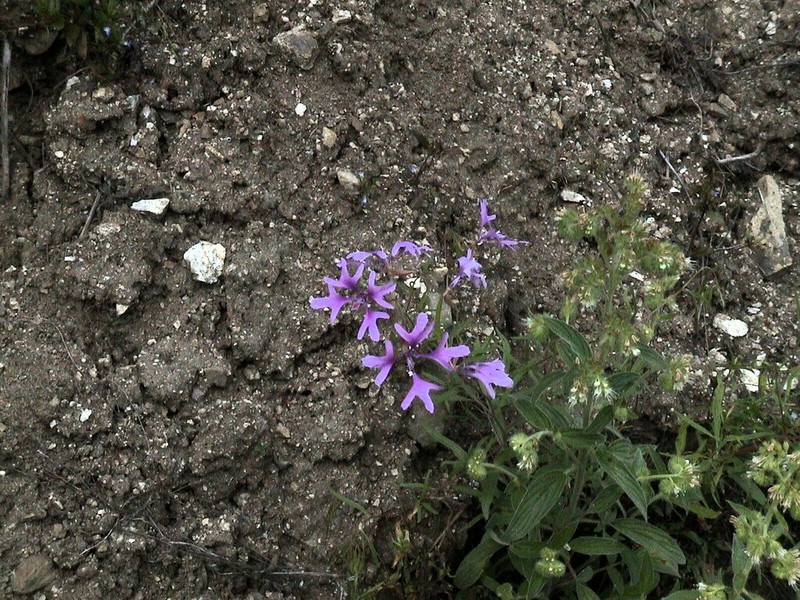
Clarkia pulchella
- Native to:
- Canada, United States
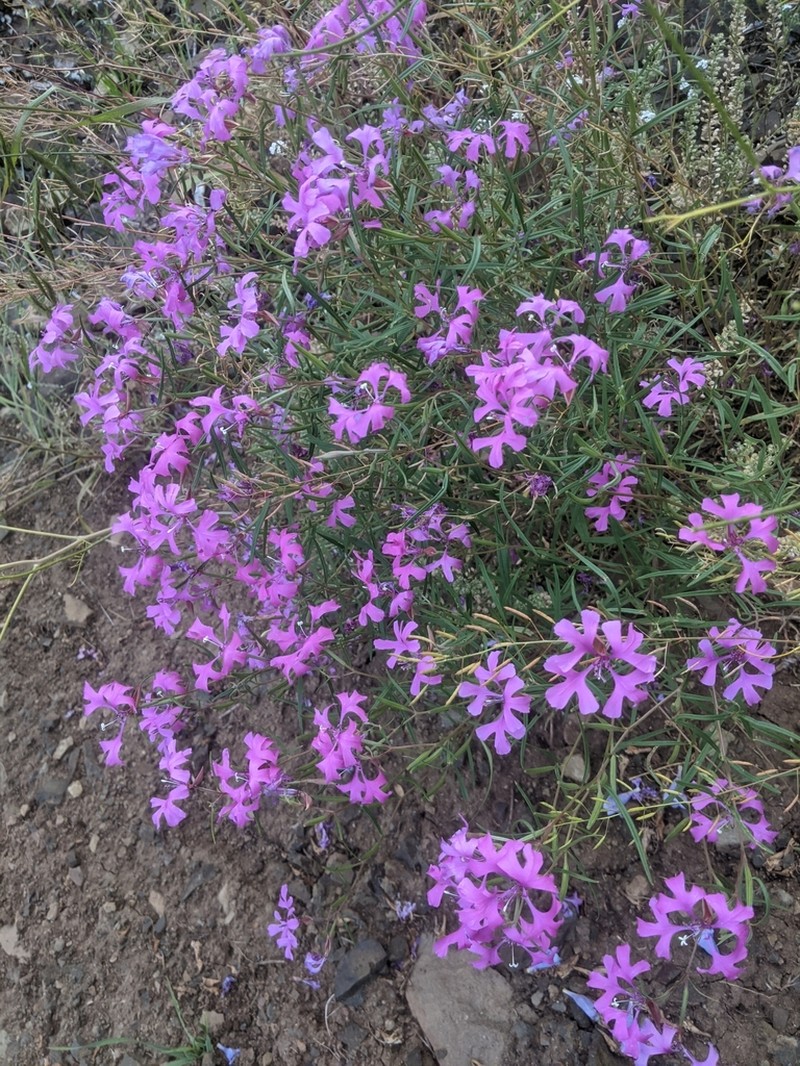
iNaturalist: © caitlinrushlow (iNaturalist #124892454)
Taxonomy
- Division:
- Magnoliophyta | - Flowering plants
- Family:
- Onagraceae
- Genus:
- Clarkia
- Species:
- Clarkia pulchella
- USDA Symbol:
- CLPU
Growth Characteristics
- Life Cycle:
- Annual
- Growth Habit:
- Forb/herb
- Height:
- 60 cm
- Light Requirements:
- Part Shade
- Drought Tolerance:
- Medium
- Bloom Months:
- may,jun,jul,aug
- Bloom Colors:
- pink, purple, lavender
Wildlife Benefits
- Bees:
- ★☆☆☆☆ Documented bee visitation (GBIF)
- Butterflies & Moths:
- ★☆☆☆☆ Documented Lepidoptera association (GBIF)
- Caterpillars:
- ★☆☆☆☆ Recorded caterpillar host plant (HOSTS Database)
Host Plant for Caterpillars
Garden & Ecology Notes
- Wildlife Value:
- bees, butterflies
Soil Requirements
- Soil Type:
- sandy, well-drained, nutrient-poor soil
- pH:
- 6.0 - 7.5 (slightly acidic to neutral)
- Drainage:
- excellent drainage required
- Moisture:
- dry to moderate
- Notes:
- prefers open, sunny habitats
Propagation & Germination
- Stratification:
- Cold/moist stratification required — 30–60 days
- Germination Time:
- 14–30 days
- Notes:
- Seeds germinate best after cold stratification for 4-8 weeks; sow on surface and keep moist.
Pre-treatment: None required. However, seed lots have been observed to germinate at higher rates after storage in cold, dry conditions.
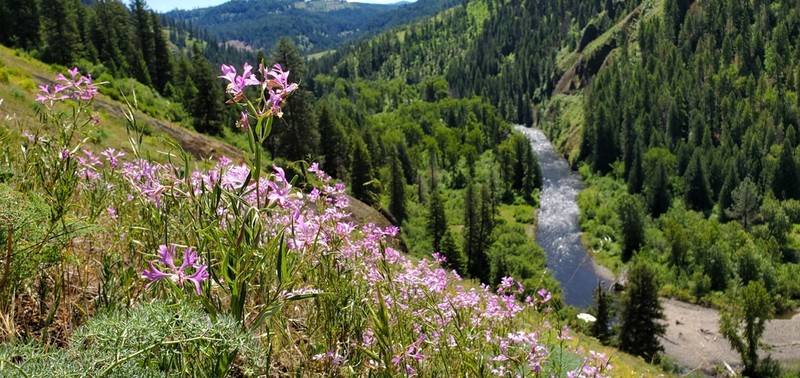
Establishment: Wild seeds are collected when the capsules begin to split. Plants in seed increase plantings are cut and dried in paper bags at room temperature. The plant flowers and matures seed indeterminately, thus a judgement must be made as to when to cut the plants to maximize seed production. Seeds are small and dark brown in color. General Distribution: Northwestern US east to South Dakota. Usually found on south slopes in dry, open grassland and open Ponderosa pine forest.
Source: npn.rngr.net
ORGHPS Germination Guide: Sow @ 20C. Germinates within 3 months.