
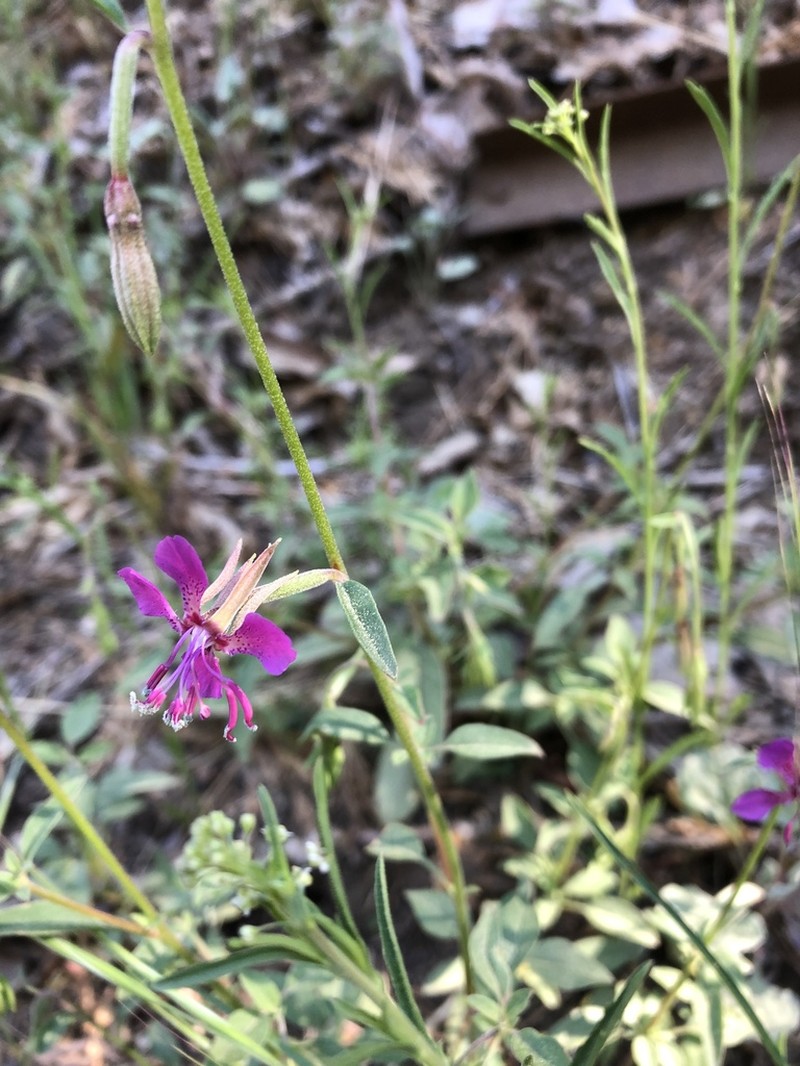
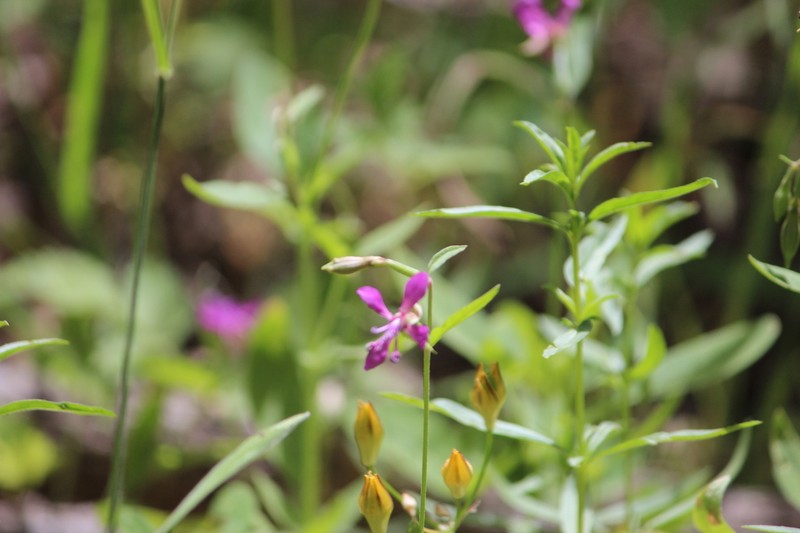
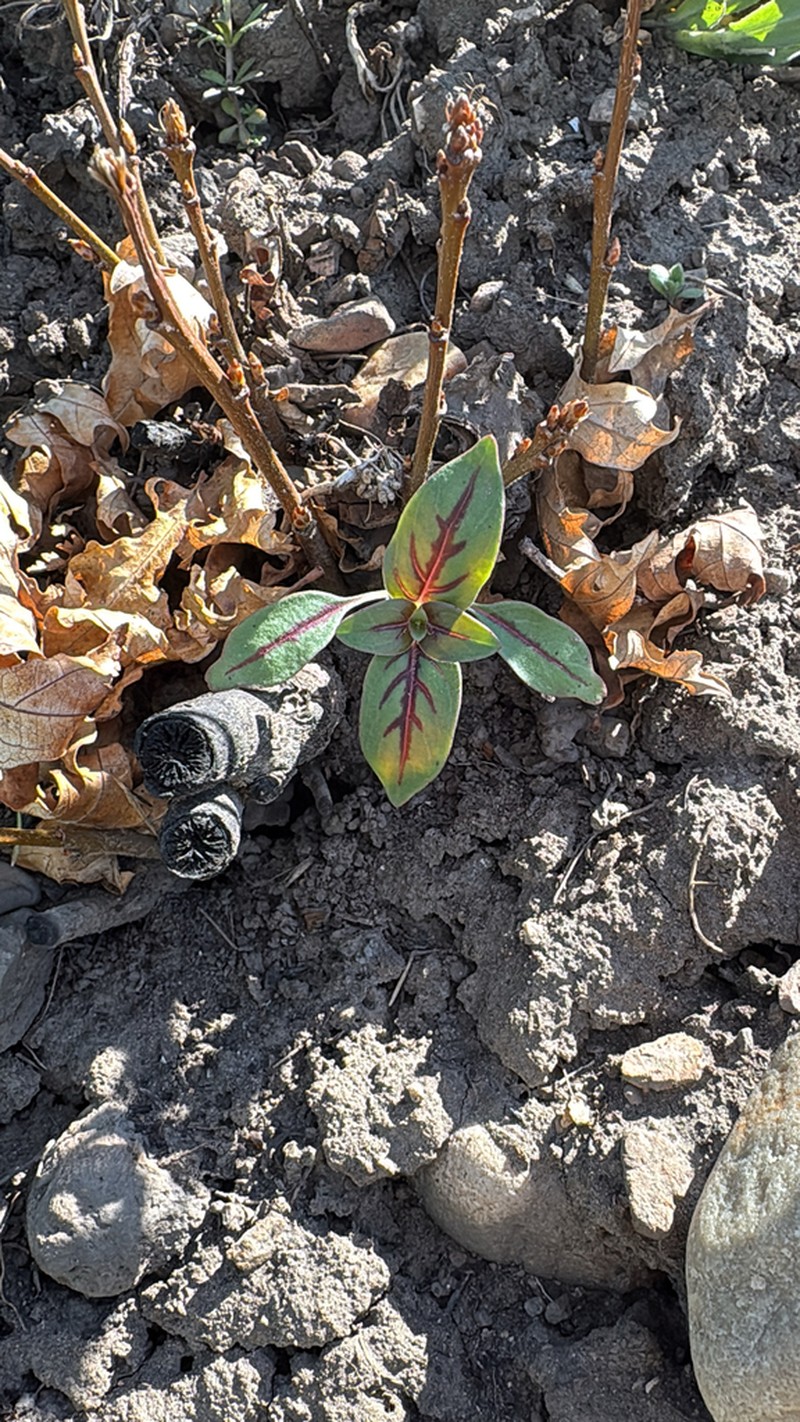
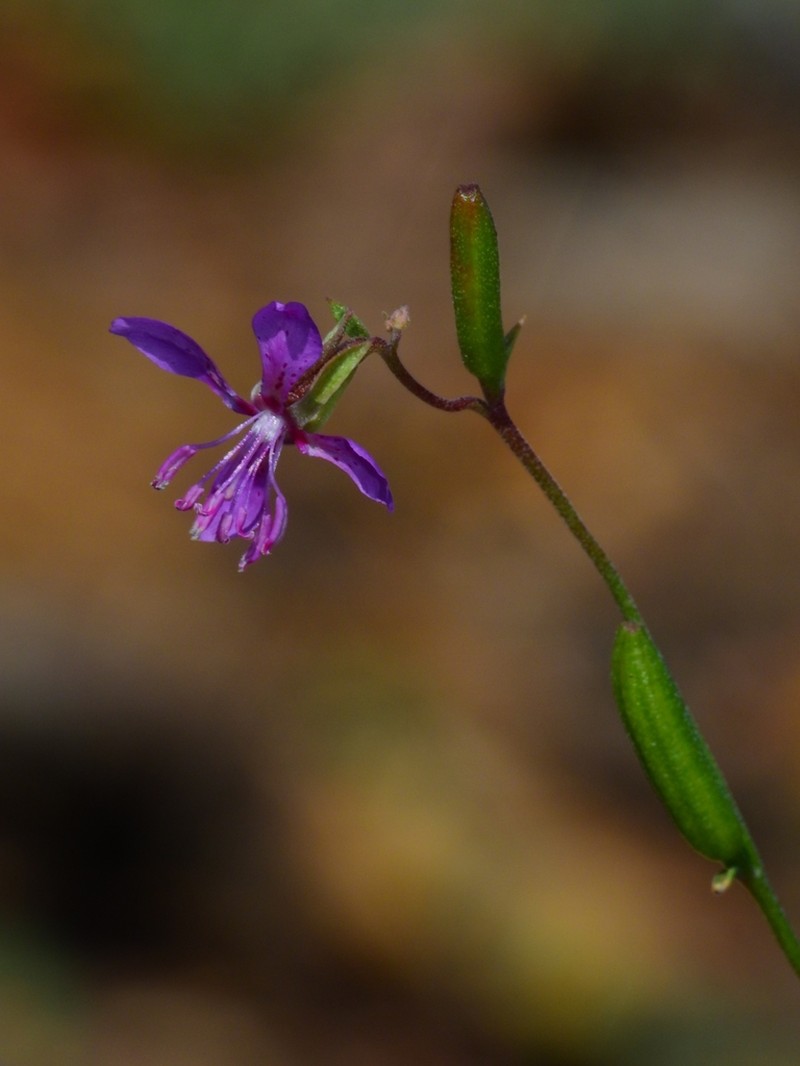
Diamond Clarkia
Clarkia rhomboidea
- Native to:
- Canada, Mexico, United States
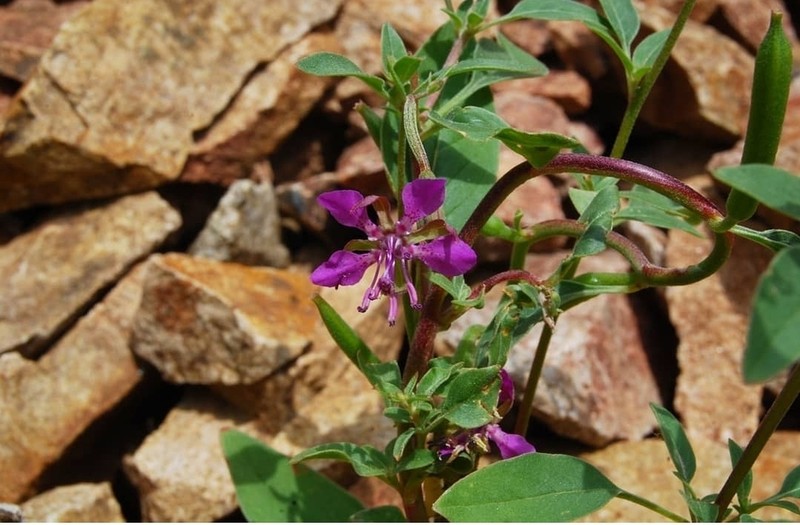
iNaturalist: © shanebustapbj (iNaturalist #135681692)
Taxonomy
- Division:
- Magnoliophyta | - Flowering plants
- Family:
- Onagraceae
- Genus:
- Clarkia
- Species:
- Clarkia rhomboidea
- USDA Symbol:
- CLRH
Growth Characteristics
- Life Cycle:
- Annual
- Growth Habit:
- Forb/herb
- Height:
- 100 cm
- Light Requirements:
- Full Sun
- Drought Tolerance:
- Medium
- Bloom Months:
- may,jun,jul
- Bloom Colors:
- pink, lavender
Wildlife Benefits
- Bees:
- ★☆☆☆☆ Documented bee visitation (GBIF)
- Butterflies & Moths:
- ★☆☆☆☆ Documented Lepidoptera association (GBIF)
- Caterpillars:
- ★☆☆☆☆ Recorded caterpillar host plant (HOSTS Database)
Host Plant for Caterpillars
Clark's sphinx moth (Proserpinus clarkiae), Snowberry Clearwing (Hemaris diffinis), White-lined sphinx moth (Hyles lineata)
Reported Fauna Sightings
Bees: Yellow-faced bumble bee (Bombus vosnesenskii)
Garden & Ecology Notes
- Wildlife Value:
- bees, butterflies
Soil Requirements
- Soil Type:
- well-drained, sandy or rocky soil
- pH:
- 5.5 - 7.5 (slightly acidic to neutral)
- Drainage:
- excellent drainage required
- Moisture:
- dry to moderate
- Notes:
- native to open, sunny slopes and meadows
Propagation & Germination
- Stratification:
- Cold/moist stratification required — 30–60 days
- Germination Time:
- 14–30 days
- Notes:
- Seeds germinate readily after cold stratification; surface sow and keep moist.
Pre-treatment: None required
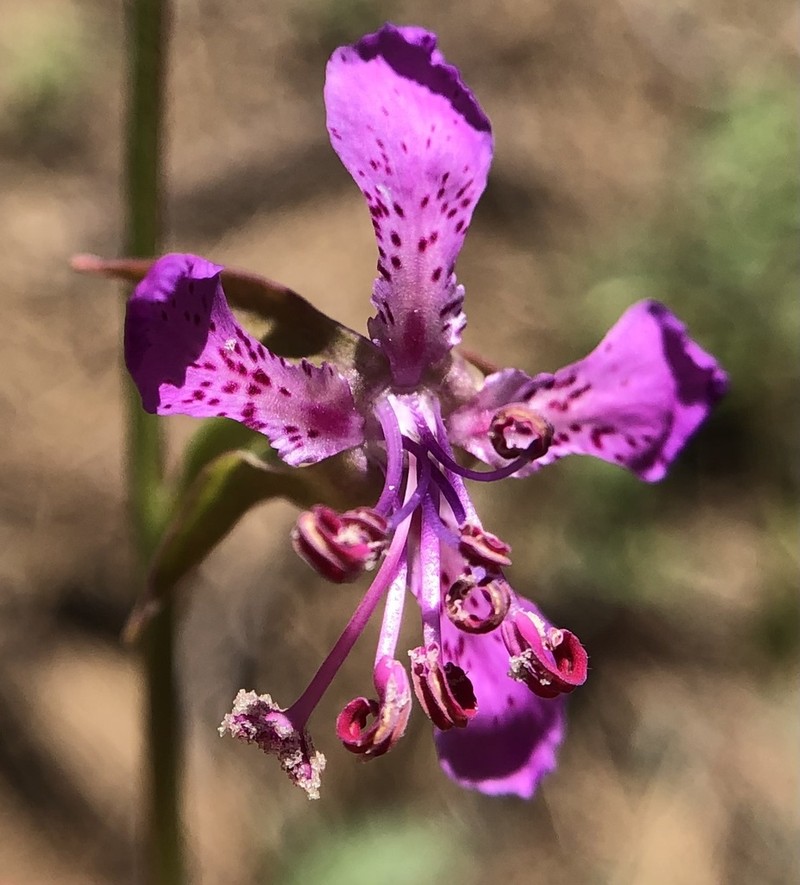
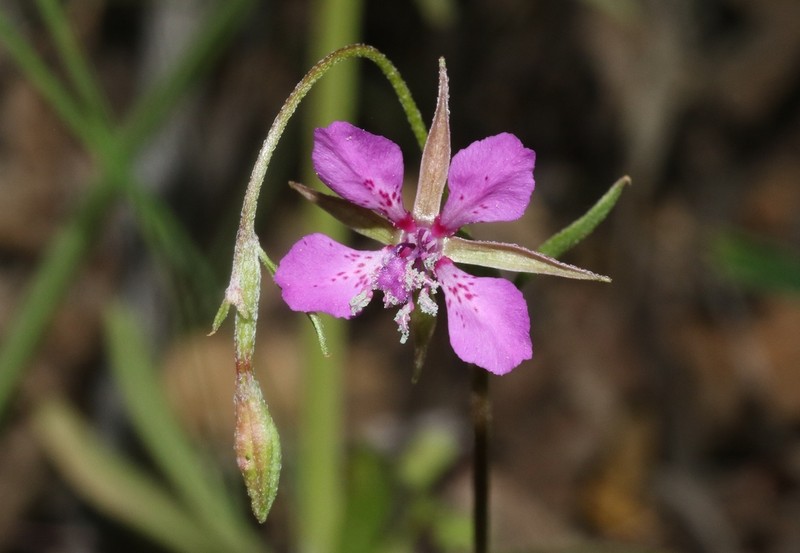
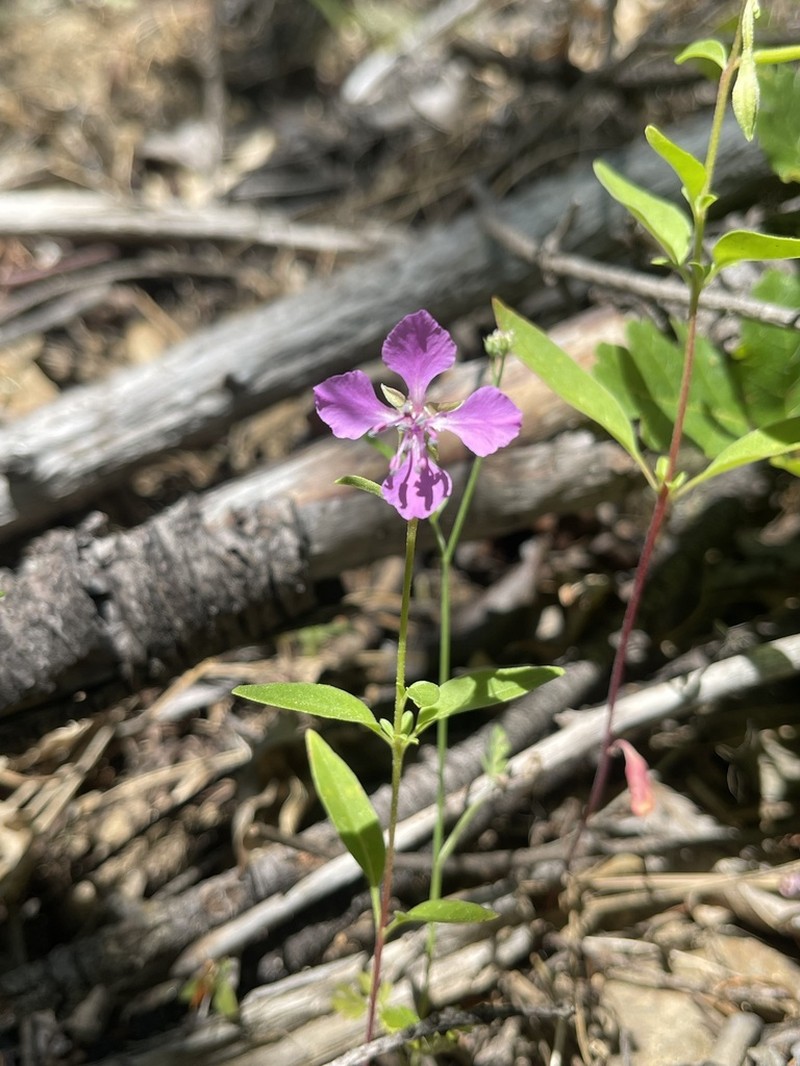
Establishment: Clarkia rhomboidea, also known as Diamond clarkia, is found within the mattoral vegetation association of California and other parts of the western United States and Canada.
Source: npn.rngr.net