
Elegant Clarkia
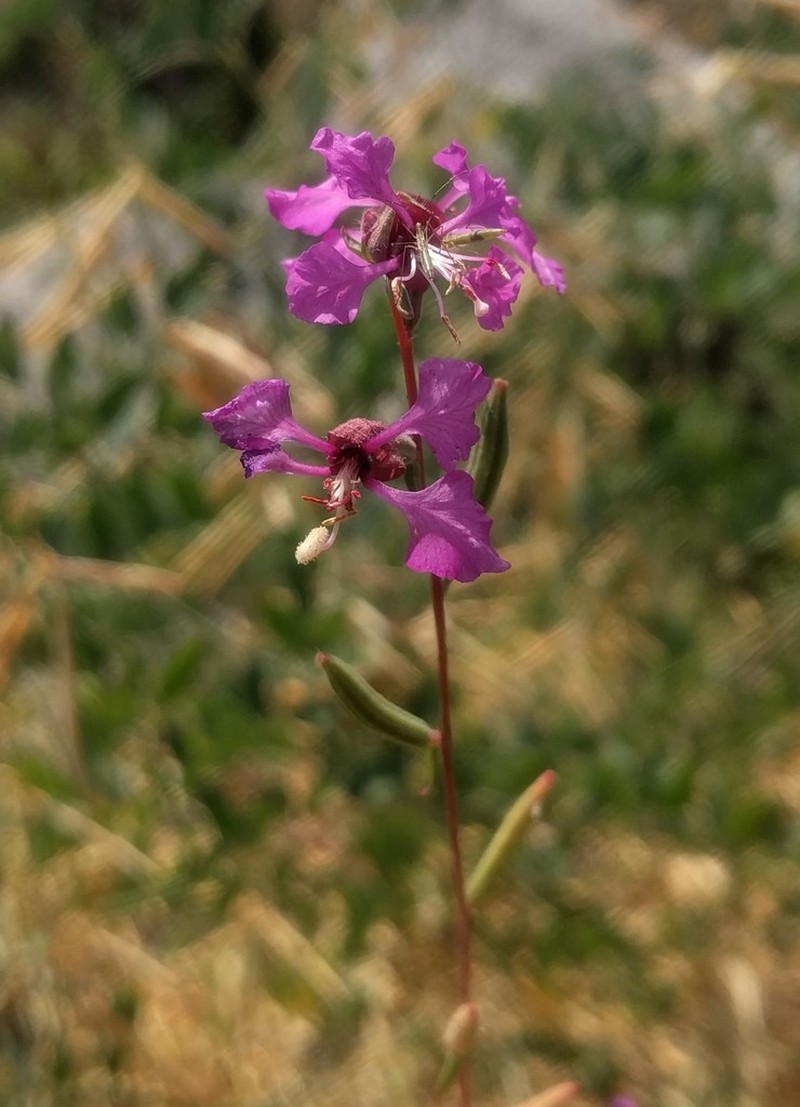
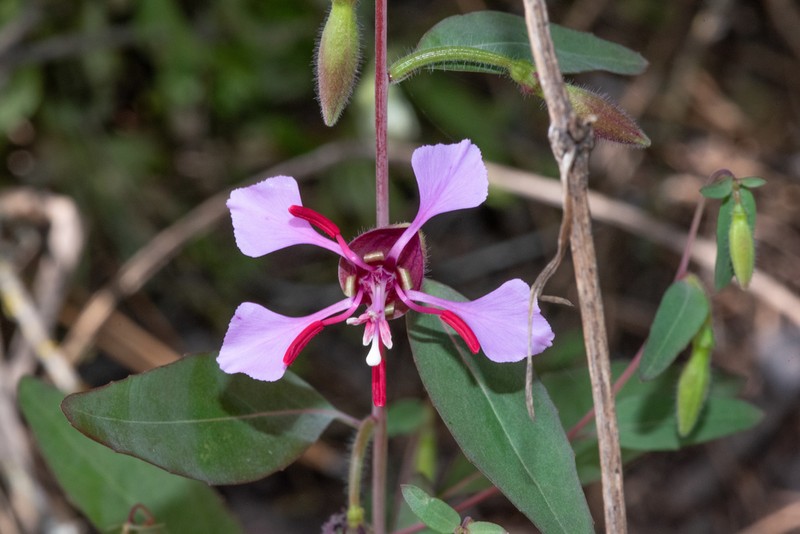
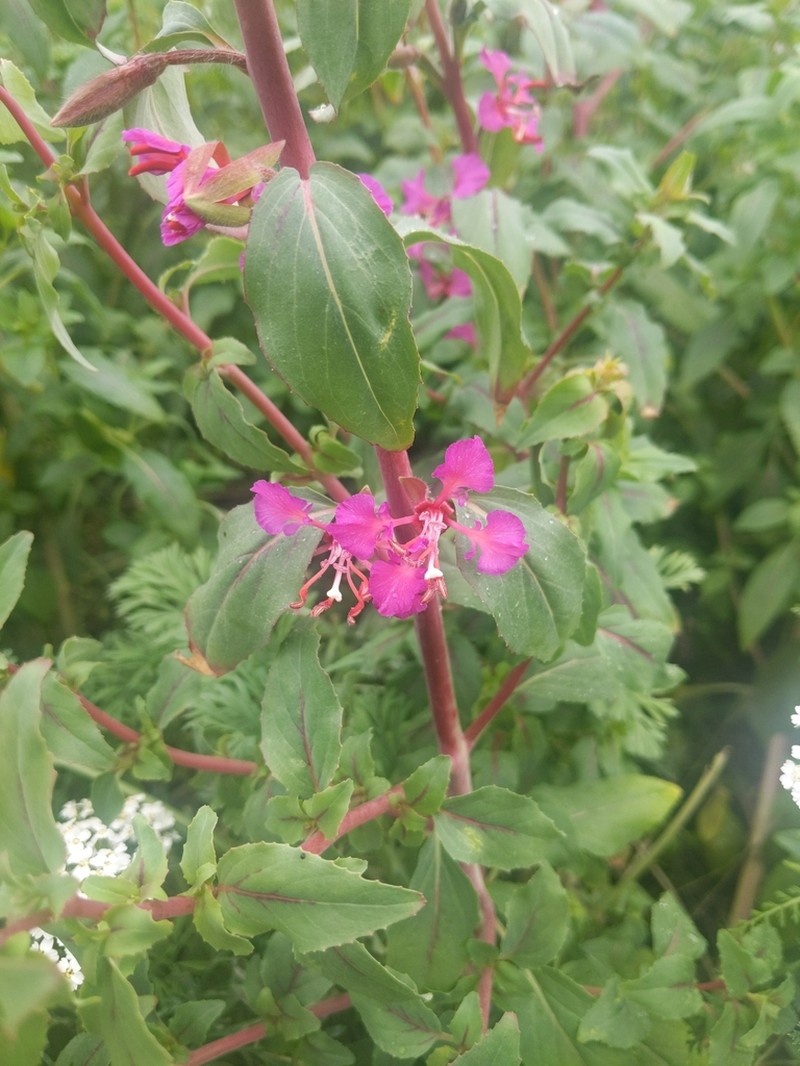
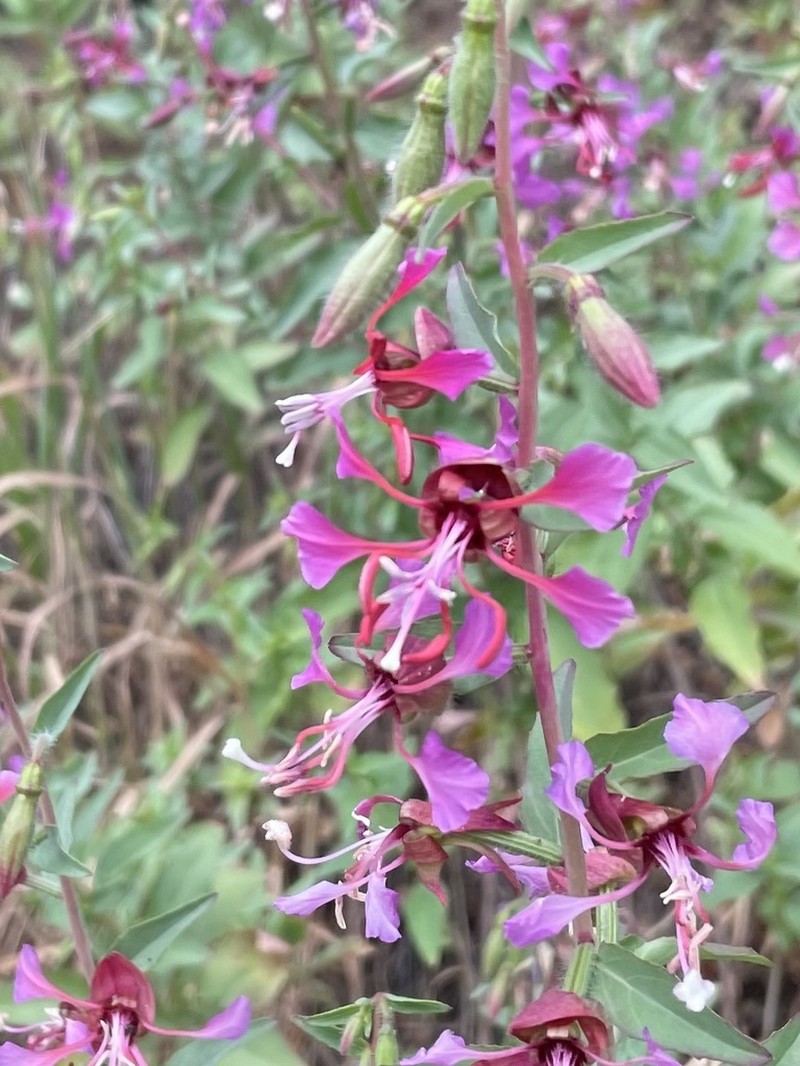
Clarkia unguiculata
- Native to:
- Mexico, United States
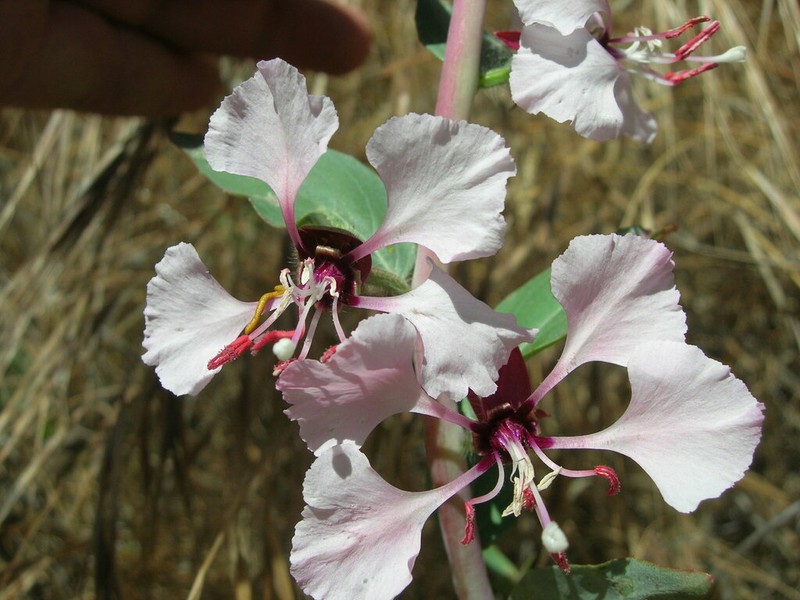
iNaturalist: © joedecruyenaere (iNaturalist #242707587)
Taxonomy
- Division:
- Magnoliophyta | - Flowering plants
- Family:
- Onagraceae
- Genus:
- Clarkia
- Species:
- Clarkia unguiculata
- USDA Symbol:
- CLUN
Growth Characteristics
- Life Cycle:
- Annual
- Growth Habit:
- Forb/herb
- Height:
- 120 cm
- Light Requirements:
- Part Shade
- Drought Tolerance:
- High
- Bloom Months:
- apr,may,jun,jul
- Bloom Colors:
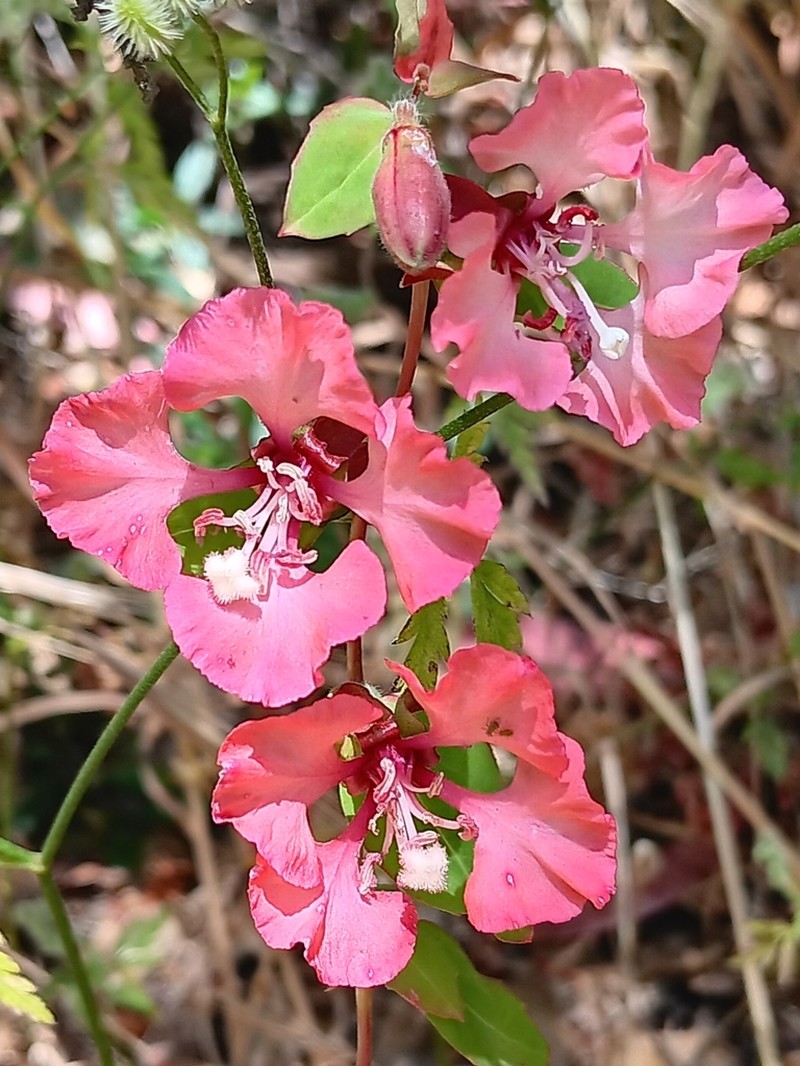
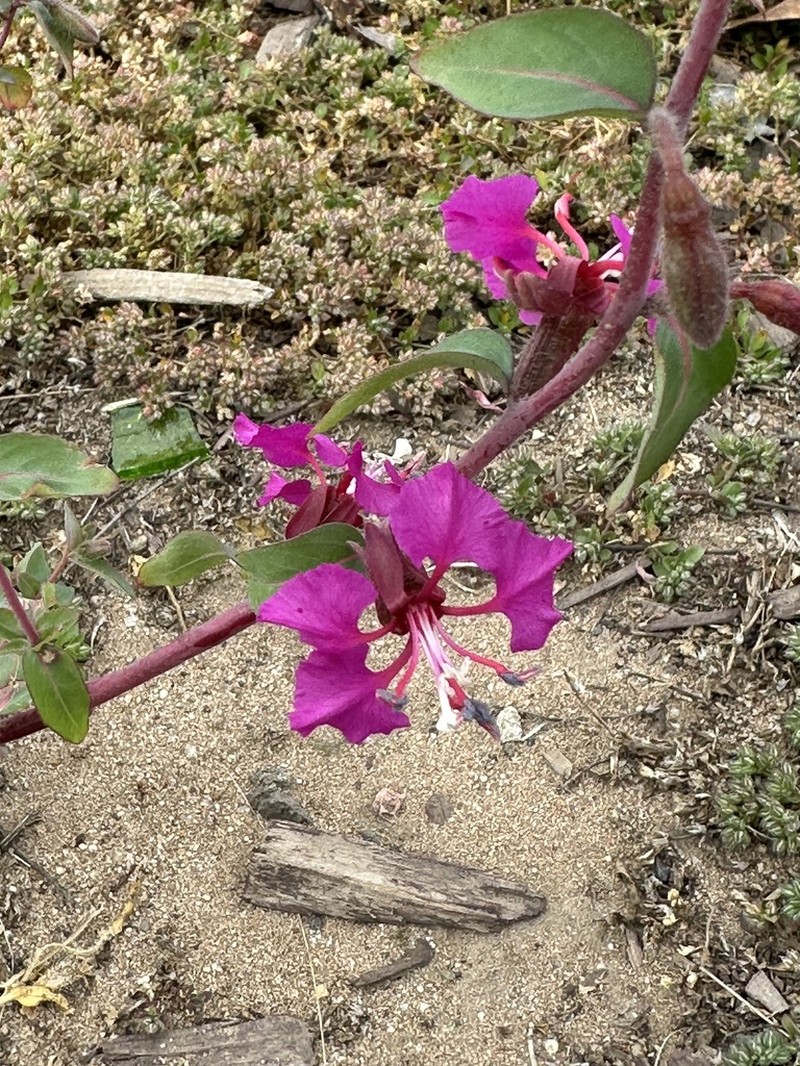
- pink, purple, lavender
Wildlife Benefits
- Bees:
- ★☆☆☆☆ Documented bee visitation (GBIF)
- Butterflies & Moths:
- ★☆☆☆☆ Documented Lepidoptera association (GBIF)
- Caterpillars:
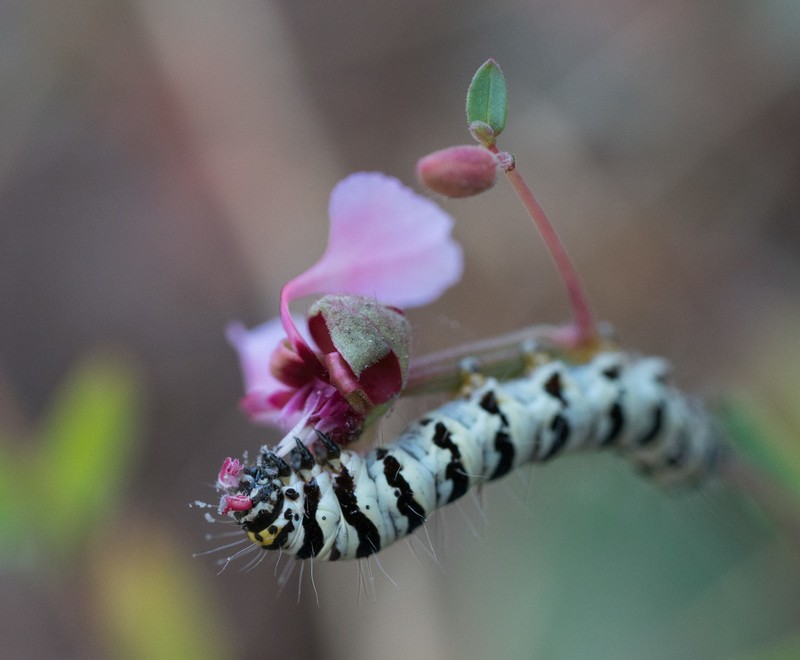
- ★☆☆☆☆ Recorded caterpillar host plant (HOSTS Database)
- Hummingbirds:
- ★☆☆☆☆ Documented hummingbird visits (GBIF)
Host Plant for Caterpillars
Clark's sphinx moth (Proserpinus clarkiae), Mariposa forester moth (Alypia mariposa)
Reported Fauna Sightings
Bees: Crotch bumble bee (Bombus crotchii), Pyrobombus Dalla, van Dyke bumble bee (Bombus vandykei), ⚠️Western honey bee (Apis mellifera), Xylocopa tabaniformis, Yellow-faced bumble bee (Bombus vosnesenskii) Hummingbirds: Costa's Hummingbird (Calypte costae) Moths:Mariposa forester moth (Alypia mariposa), White-lined sphinx moth (Hyles lineata)
Garden & Ecology Notes
- Wildlife Value:
- bees, butterflies
- Deer Resistant:
- Yes
- Fire Ecology:
- Fire adapted — tolerates or benefits from fire
- Fire Notes:
- Often germinates abundantly after fire; seeds persist in soil seed bank.
Soil Requirements
- Soil Type:
- well-drained, sandy or rocky soil
- pH:
- 6.0 - 7.5 (slightly acidic to neutral)
- Drainage:
- excellent drainage required
- Moisture:
- dry to moderate
- Notes:
- native to open, sunny slopes and hillsides
Propagation & Germination
- Stratification:
- Cold/moist stratification required — 30–60 days
- Germination Time:
- 14–30 days
- Notes:
- Seeds benefit from cold stratification for 4-8 weeks; sow in fall or early spring.
Pre-treatment: Single-step cold-moist stratification for temperate woodland species. for 60–120 days
Source: Claude AI
ORGHPS Germination Guide: Sow @ 20C. Germinates within 3 months.