
Fireweed
Epilobium angustifolium
- Native to:
- Afghanistan, Albania, Aleutian Is., Austria, Baltic States, Bangladesh, Belarus, Belgium, Bulgaria, Canada, China, Corse, Cyprus, Czechia-Slovakia, Denmark, Finland, Føroyar, France, Germany, Great Britain, Greece, Greenland, Hungary, Iceland, India, Iran, Iraq, Ireland, Italy, Japan, Kirgizstan, Korea, Krym, Kuril Is., Labrador, Lebanon-Syria, Mexico, Morocco, Myanmar, Nepal, Netherlands, North Caucasus, Norway, NW. Balkan Pen., Pakistan, Poland, Prince Edward I., Romania, Russia, Spain, Sweden, Switzerland, Tadzhikistan, Transcaucasus, Türkiye, Türkiye-in-Europe, Ukraine, United States, Uzbekistan, Virgin Islands
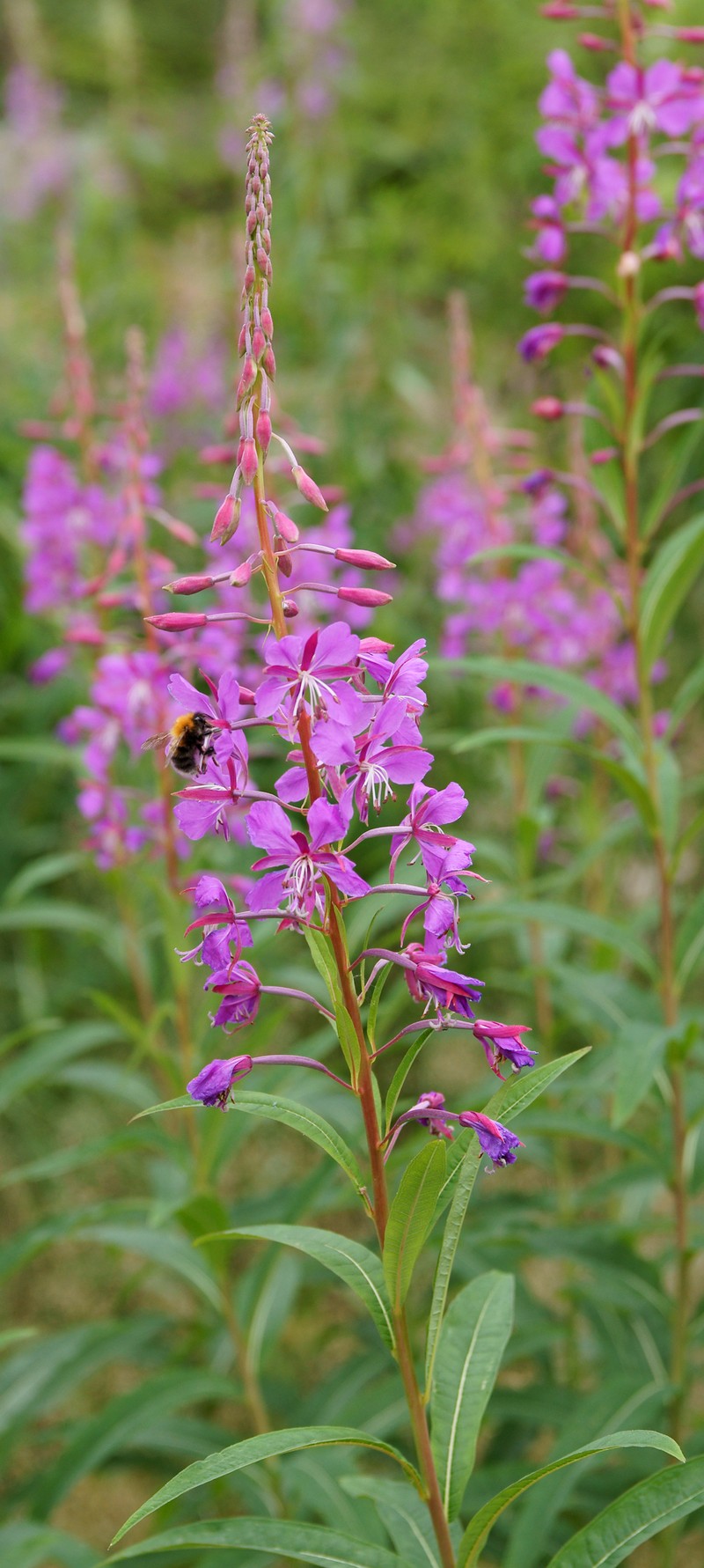
Wikimedia: kallerna
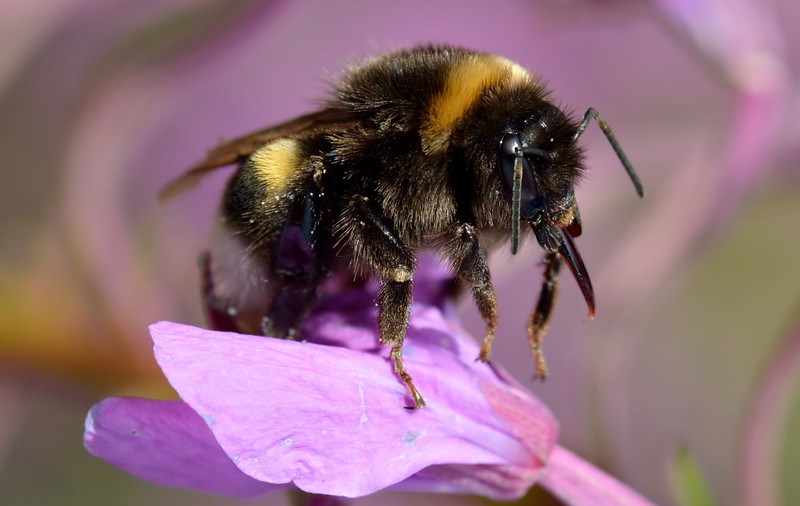
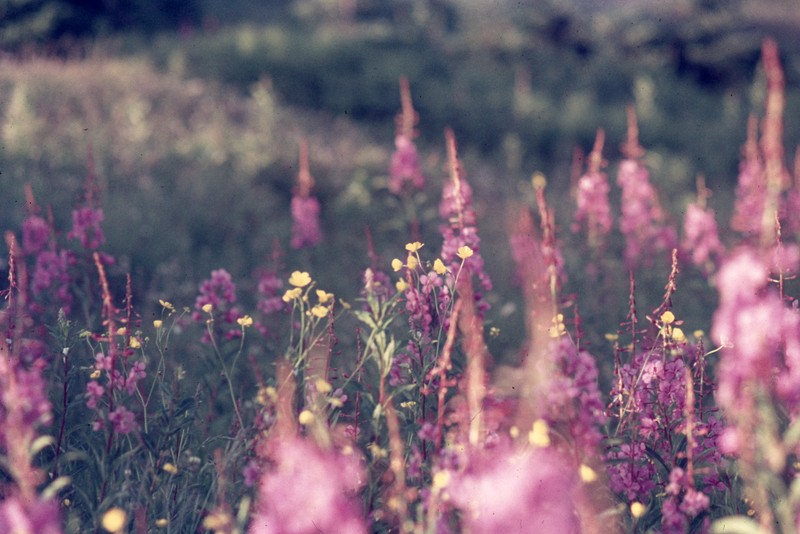
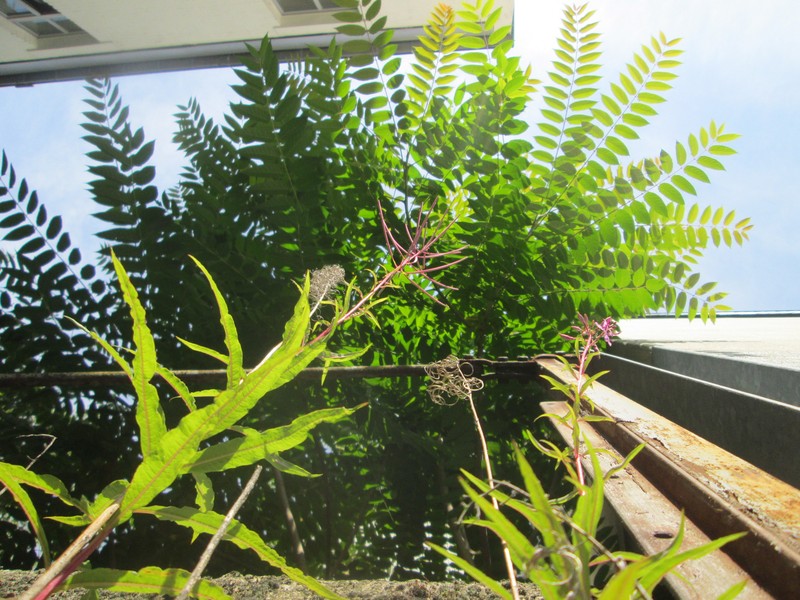
Taxonomy
- Division:
- Magnoliophyta | - Flowering plants
- Family:
- Onagraceae
- Genus:
- Epilobium
- Species:
- Epilobium angustifolium
- USDA Symbol:
- CHAN9
Growth Characteristics
- Life Cycle:
- Perennial
- Growth Habit:
- Forb/herb
- Height:
- 250 cm
- Light Requirements:
- Full Sun
- Drought Tolerance:
- Medium
- Bloom Months:
- jun,jul,aug,sep
- Bloom Colors:
- pink, magenta
Wildlife Benefits
- Bees:
- ★★★☆☆ Documented bee visitation (GBIF)
- Butterflies & Moths:
- ★★★★☆ Documented Lepidoptera association (GBIF)
- Caterpillars:
- ★★★☆☆ Recorded caterpillar host plant (HOSTS Database)
Host Plant for Caterpillars
Reported Fauna Sightings
Garden & Ecology Notes
- Wildlife Value:
- bees, butterflies, hummingbirds
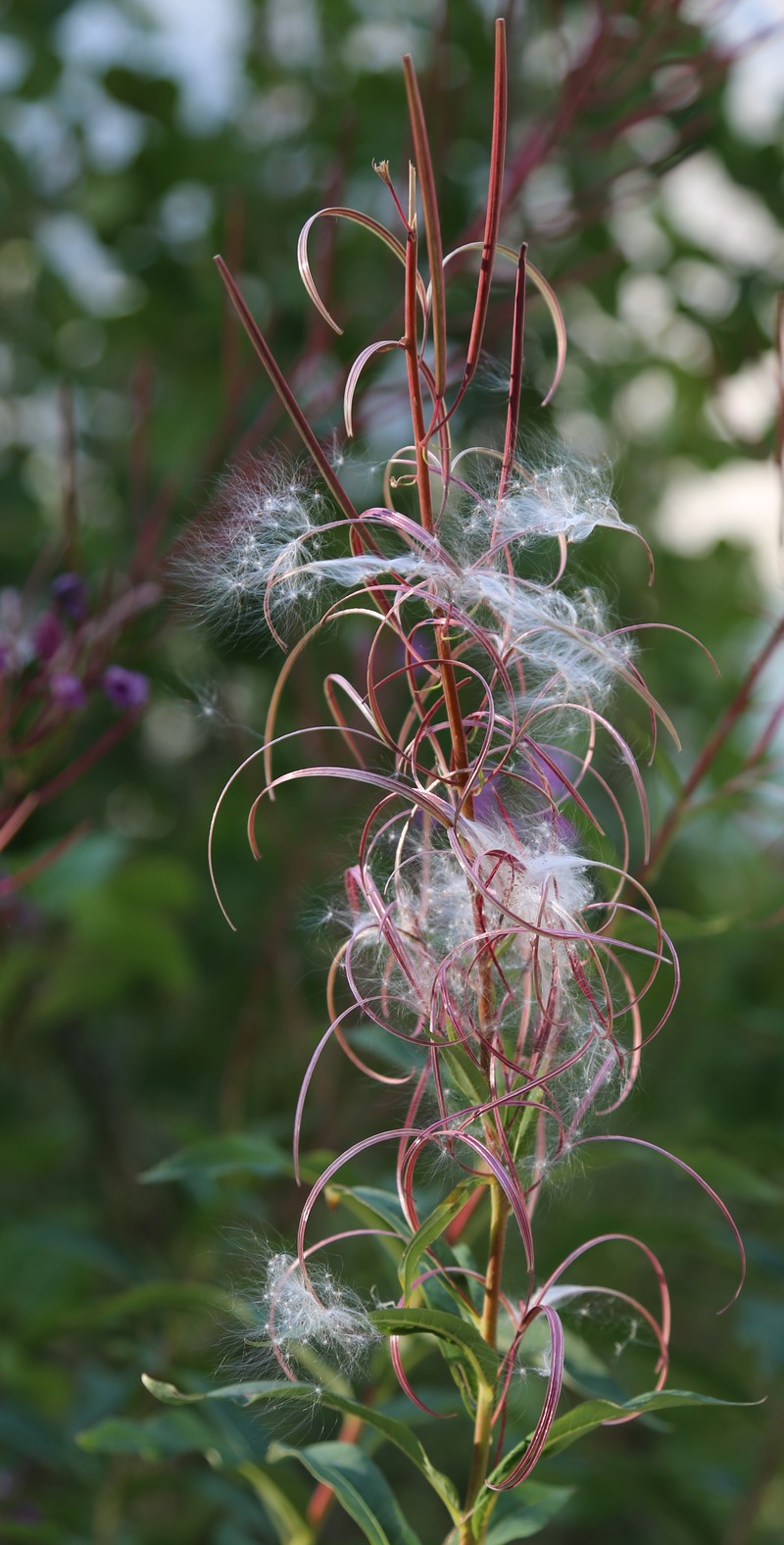
- Fall Color:
- red, orange
- Fire Ecology:
- Fire adapted — tolerates or benefits from fire
- Fire Notes:
- Seeds germinate prolifically after fire; a classic post-fire colonizer in boreal and montane ecosystems.
Soil Requirements
- Soil Type:
- moist, well-drained sandy loam
- pH:
- 4.5 - 7.0 (acidic to neutral)
- Drainage:
- excellent drainage required
- Moisture:
- consistently moist
- Notes:
- Thrives in disturbed soils and open areas
Propagation & Germination
- Stratification:
- Cold/moist stratification required — 30–60 days
- Germination Time:
- 14–30 days
- Notes:
- Seeds require light for germination; surface sow and do not cover.
Pre-treatment: Seeds should be stored in cold storage before germination. Cold moist stratification for 30 to 60 days at 2°C is recommended for uniform germination.
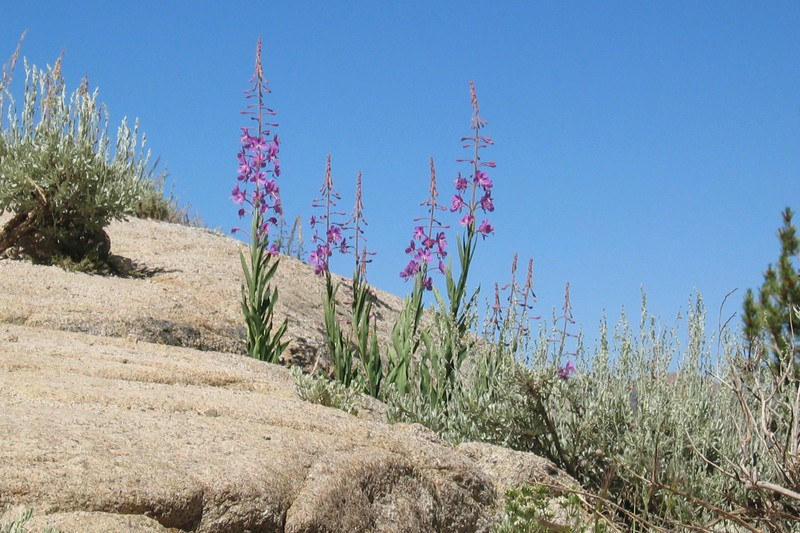
Establishment: Fireweed is a perennial, circumboreal species found in various regions, including all Canadian provinces, temperate, boreal, and arctic regions of the northern hemisphere, and parts of the United States. It is drought resistant and well adapted to a variety of upland sites. It is common on shallow soils or on heavier loam soils in forests, mountain meadows and hillsides; often forming pure stands following a fire or other disturbances. The subspecies angustifolium is found only in Alaska south to Washington, Montana, and Wyoming.
Source: npn.rngr.net
ORGHPS Germination Guide: Sow @ 20°C. Seed germinates within 3 months * low germination rate
Where to Buy
Nationwide Seller
- Wild Seed Project (seeds)
- Vermont Wildflower Farm (nursery and seeds)
- Sheffield's Seed (seeds)
- Prairie Moon Nursery (nursery and seeds)
- Butterfield Seeds (seeds)
- Native Seed Group (seeds)