
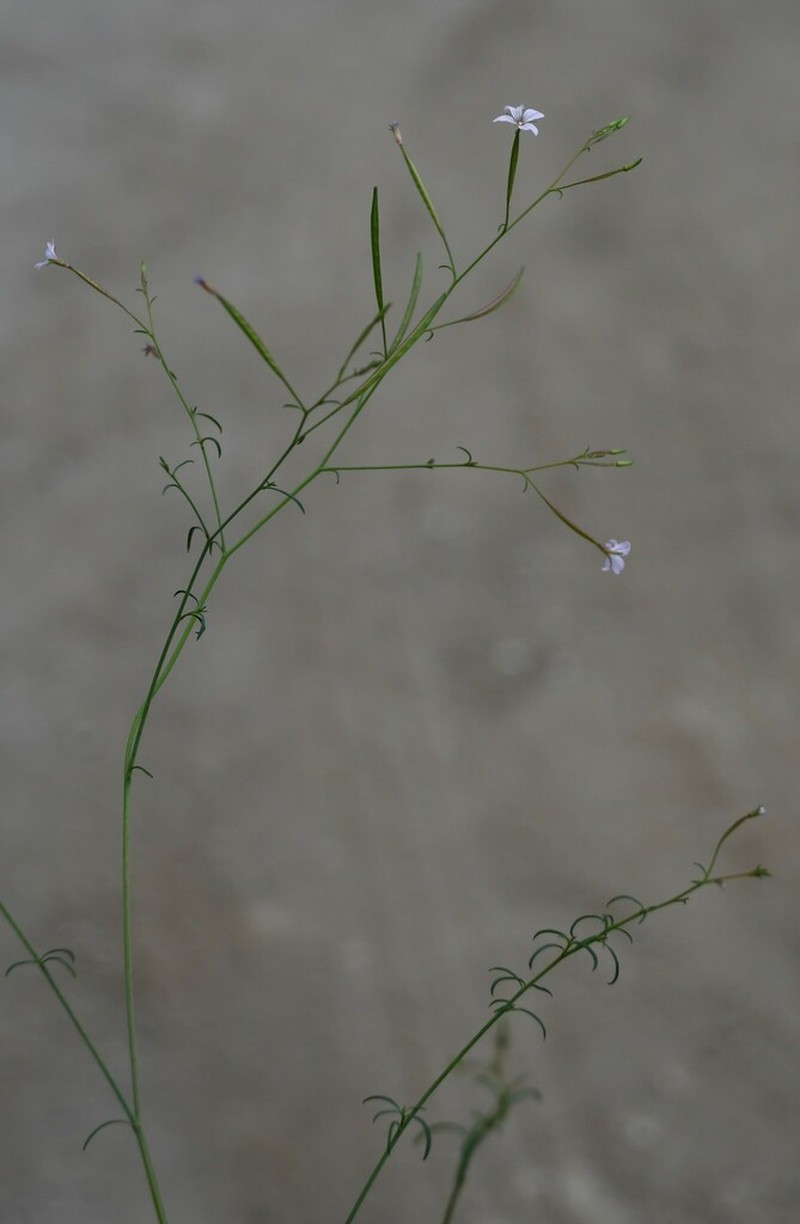
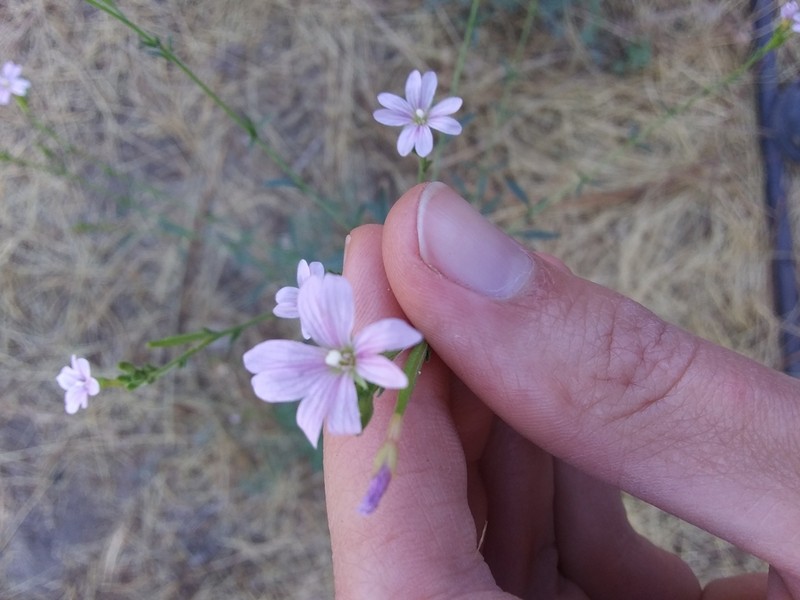
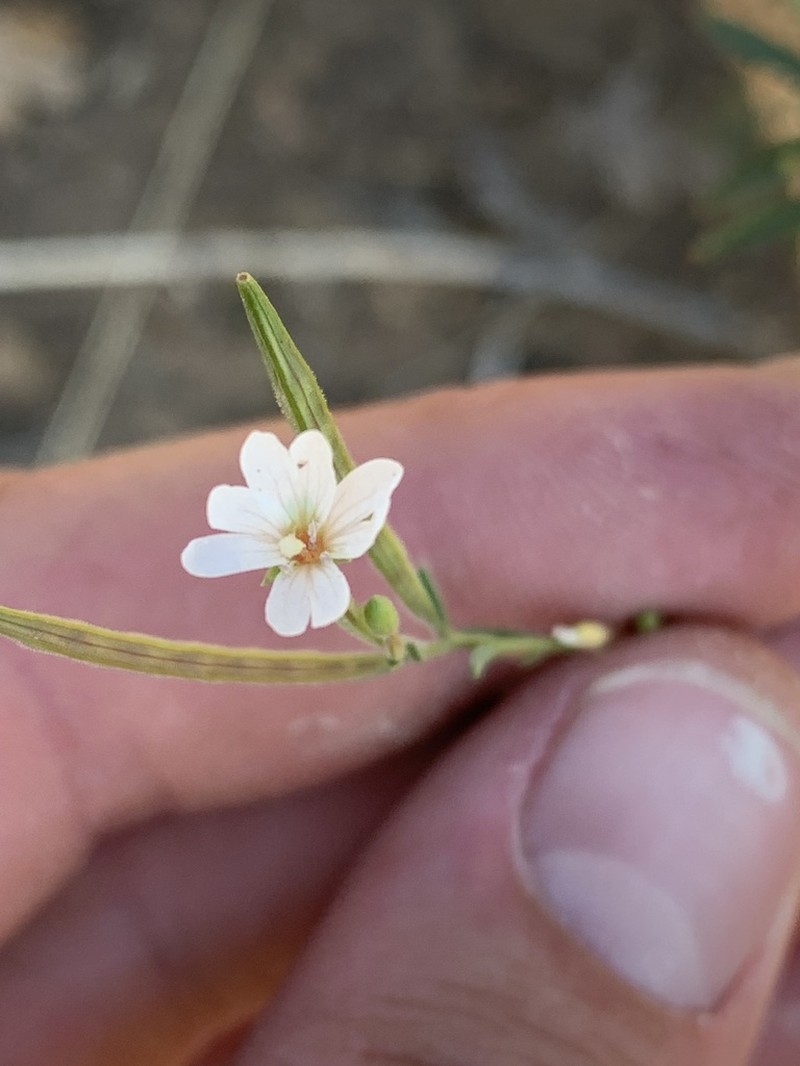
Tall Annual Willowherb
Epilobium brachycarpum
- Native to:
- Canada, Mexico, United States
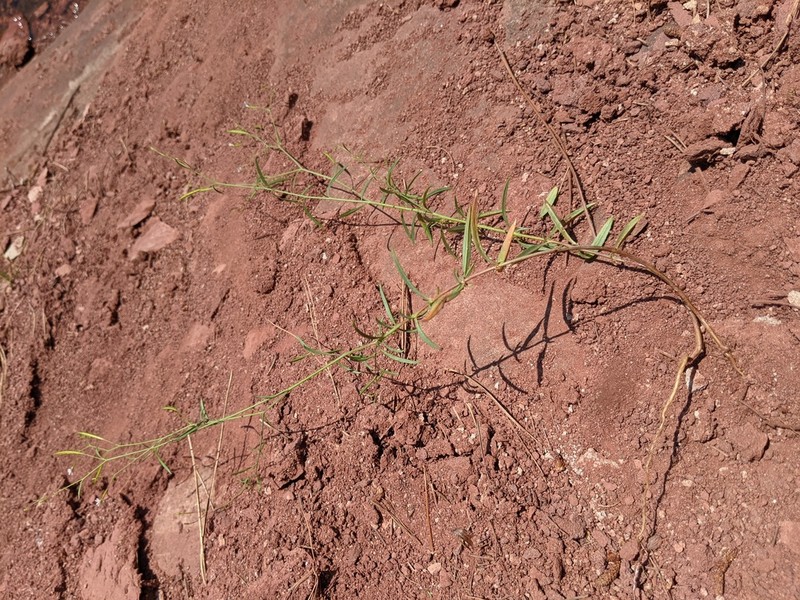
iNaturalist: © natemartineau (iNaturalist #87340534)
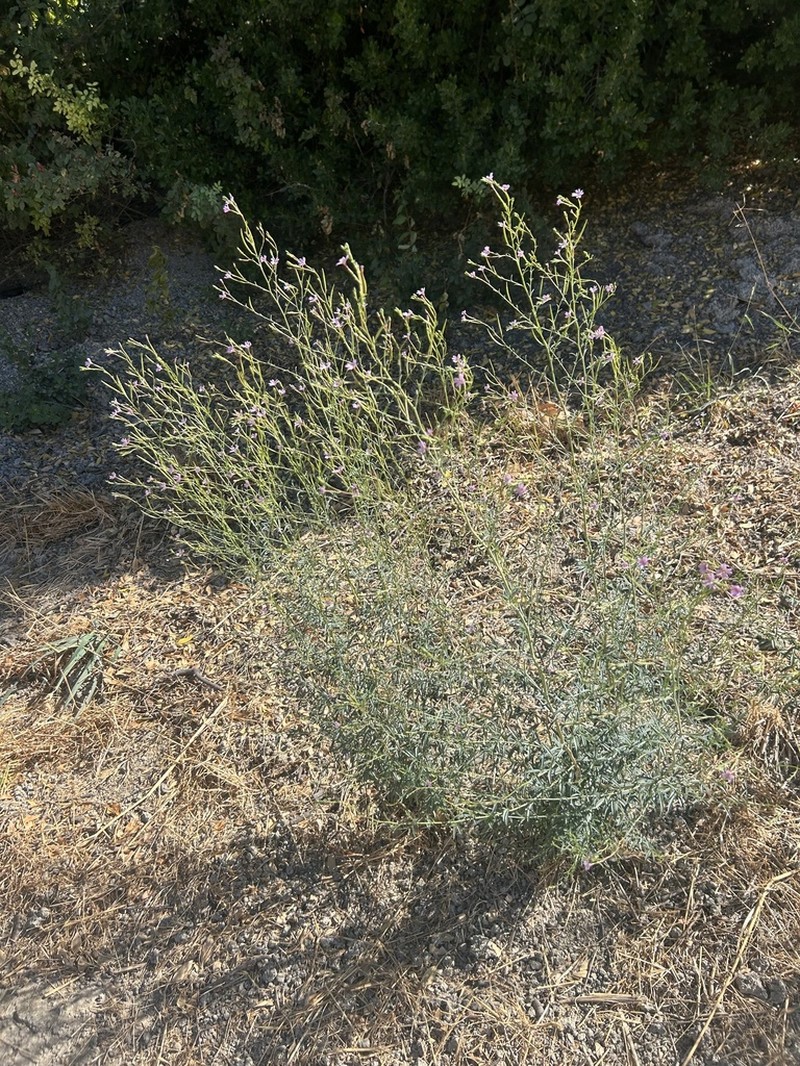
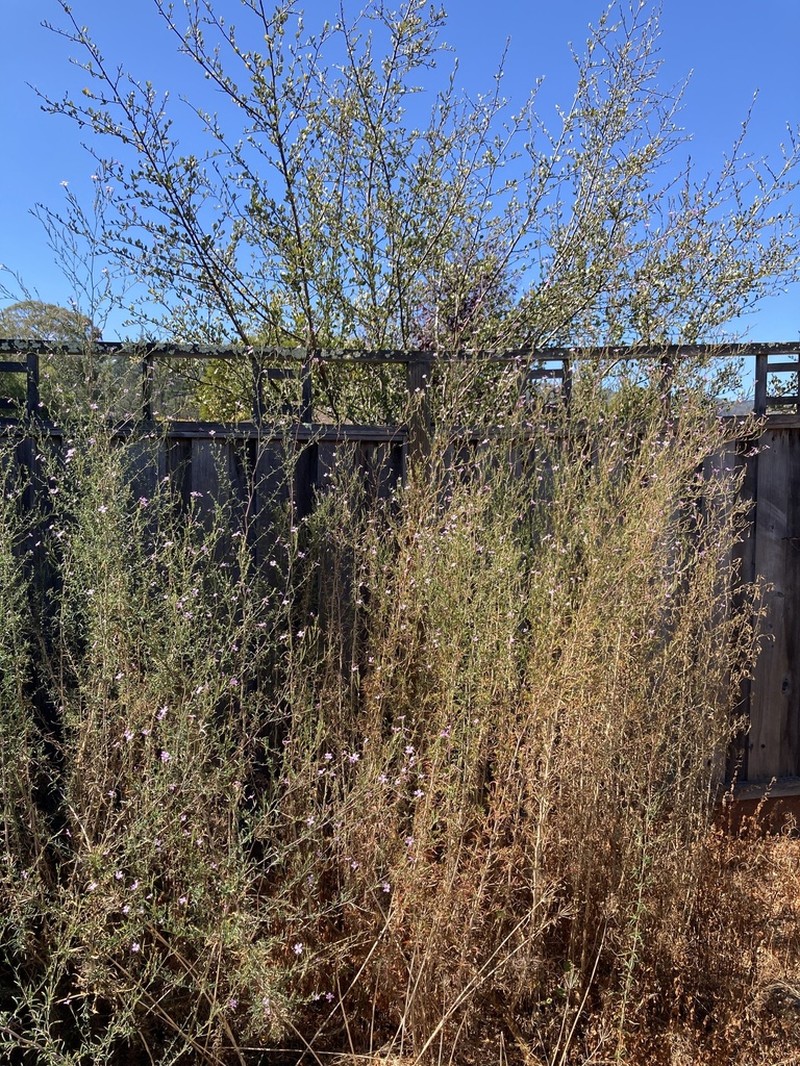
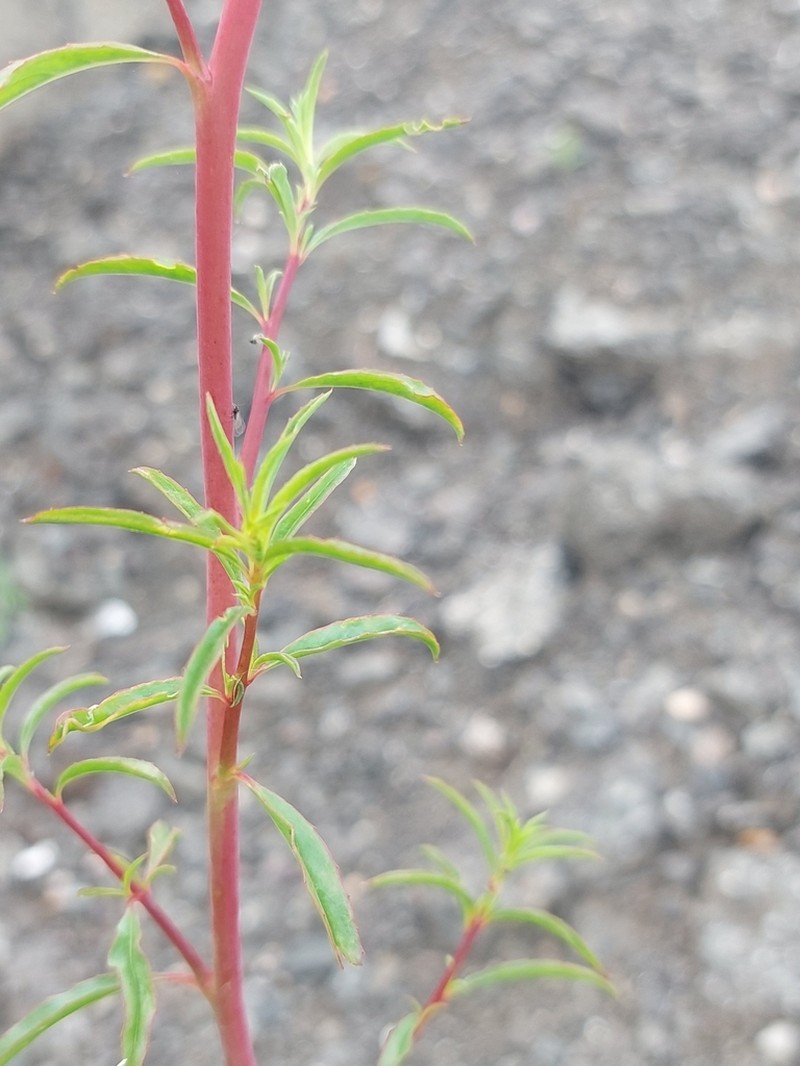
Taxonomy
- Division:
- Magnoliophyta | - Flowering plants
- Family:
- Onagraceae
- Genus:
- Epilobium
- Species:
- Epilobium brachycarpum
- USDA Symbol:
- EPBR3
Growth Characteristics
- Life Cycle:
- Annual
- Growth Habit:
- Forb/herb
- Height:
- 100 cm
- Light Requirements:
- Full Sun
- Drought Tolerance:
- High
- Bloom Months:
- jun,jul,aug,sep
- Bloom Colors:
- pink, purple
Wildlife Benefits
- Bees:
- ★☆☆☆☆ Documented bee visitation (GBIF)
- Butterflies & Moths:
- ★★★☆☆ Documented Lepidoptera association (GBIF)
- Caterpillars:
- ★☆☆☆☆ Recorded caterpillar host plant (HOSTS Database)
Host Plant for Caterpillars
Heliodines extraneella
Reported Fauna Sightings
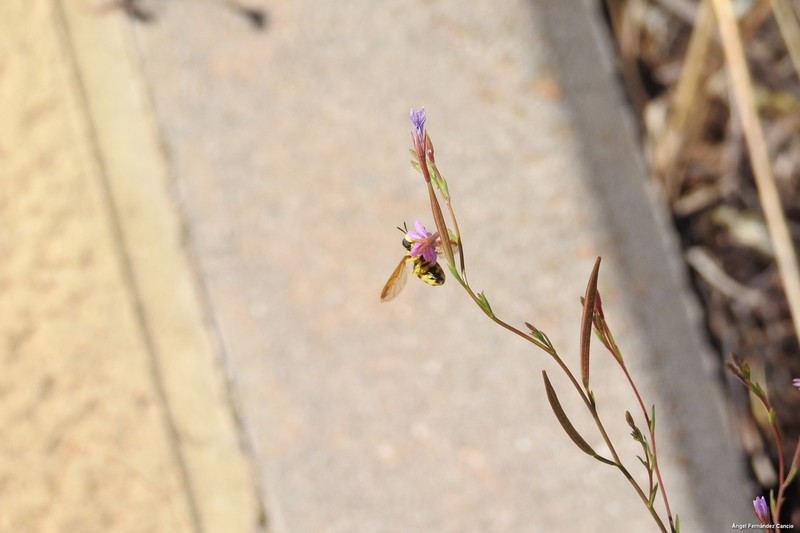
Bees: Yellow-faced bumble bee (Bombus vosnesenskii) Moths:White-lined sphinx moth (Hyles lineata)
Garden & Ecology Notes
- Wildlife Value:
- bees, butterflies
Soil Requirements
- Soil Type:
- poor, sandy, well-drained soil
- pH:
- 6.0 - 7.5 (slightly acidic to neutral)
- Drainage:
- excellent drainage required
- Moisture:
- dry to moderate
- Notes:
- often found in disturbed, open areas