
Common Evening Primrose
Oenothera biennis
- Native to:
- Canada, Mexico, Prince Edward I., United States, Virgin Islands
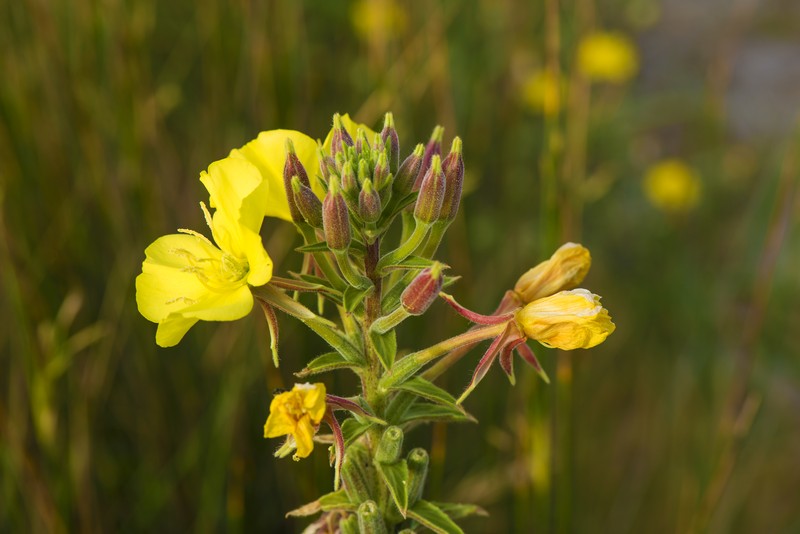
Source: Wikimedia; Credit: None
Taxonomy
- Division:
- Magnoliophyta | - Flowering plants
- Family:
- Onagraceae
- Genus:
- Oenothera
- Species:
- Oenothera biennis
- USDA Symbol:
- OEBI
Growth Characteristics
- Life Cycle:
- Biennial
- Growth Habit:
- Forb/herb
- Height:
- 200 cm
- Light Requirements:
- Full Sun,Part Shade,Shade
- Drought Tolerance:
- Medium
- Bloom Months:
- jun,jul,aug,sep,oct
- Bloom Colors:
- yellow
Wildlife Benefits
- Bees:
- ★☆☆☆☆ Documented bee visitation (GBIF)
- Butterflies & Moths:
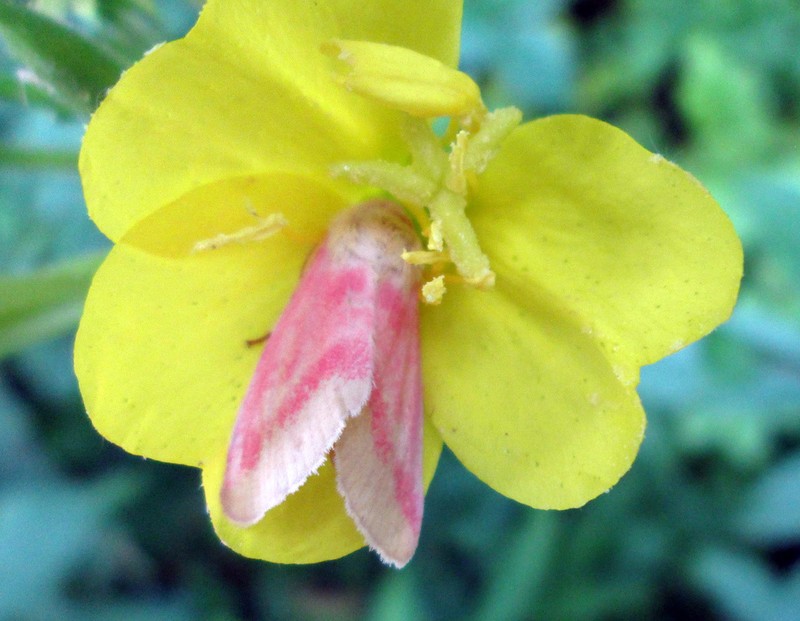
- ★★★☆☆ Documented Lepidoptera association (GBIF)
- Caterpillars:
- ★★☆☆☆ Recorded caterpillar host plant (HOSTS Database)
- Hummingbirds:
- ★☆☆☆☆ Documented hummingbird visits (GBIF)
Keystone Species Ranking
- Caterpillar Keystone:
- ★★☆☆☆ Butterfly & moth species supported by this genus (NWF)
- Pollen Specialist Bee Keystone:
- ★★★☆☆ Native pollen specialist bee species supported by this genus (NWF)
Host Plant for Caterpillars
Reported Fauna Sightings
Garden & Ecology Notes
- Wildlife Value:
- birds, butterflies, bees
- Fragrant:
- Yes
Soil Requirements
- Soil Type:
- sandy, well-drained, nutrient-poor soil
- pH:
- 5.5 - 7.0 (slightly acidic to neutral)
- Drainage:
- excellent drainage required
- Moisture:
- dry to moderate
- Notes:
- thrives in disturbed areas and poor soils
Propagation & Germination
- Stratification:
- Cold/moist stratification required — 30–60 days
- Germination Time:
- 14–30 days
- Notes:
- Seeds germinate best after cold stratification; surface sow on moist soil and keep warm.
Pre-treatment: Seeds are cold stratified. Mix the seeds with an equal amount of moist perlite or vermiculite. Put mixture into a sealed container and proceed with 3 months of moist cold stratification in a refrigerator or cold garage. Cold store until planted (up to 3 years).
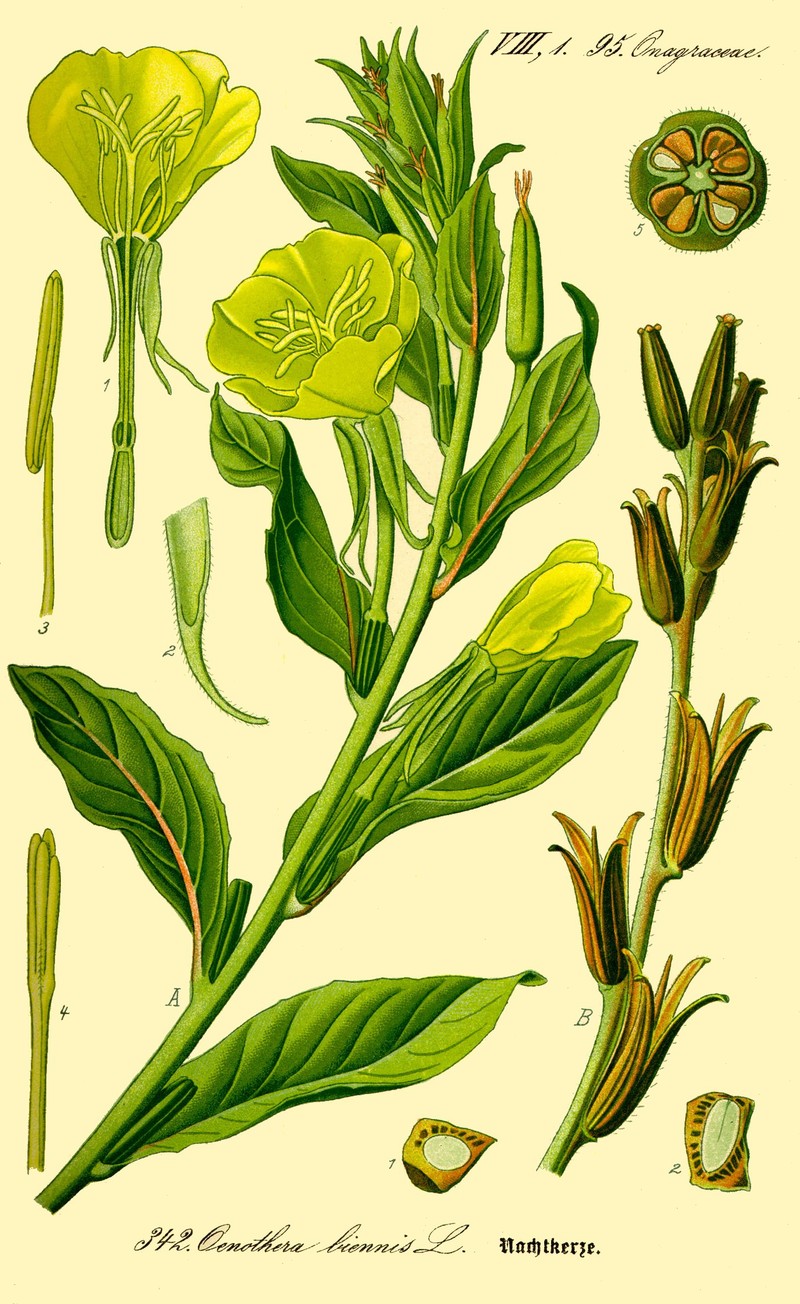
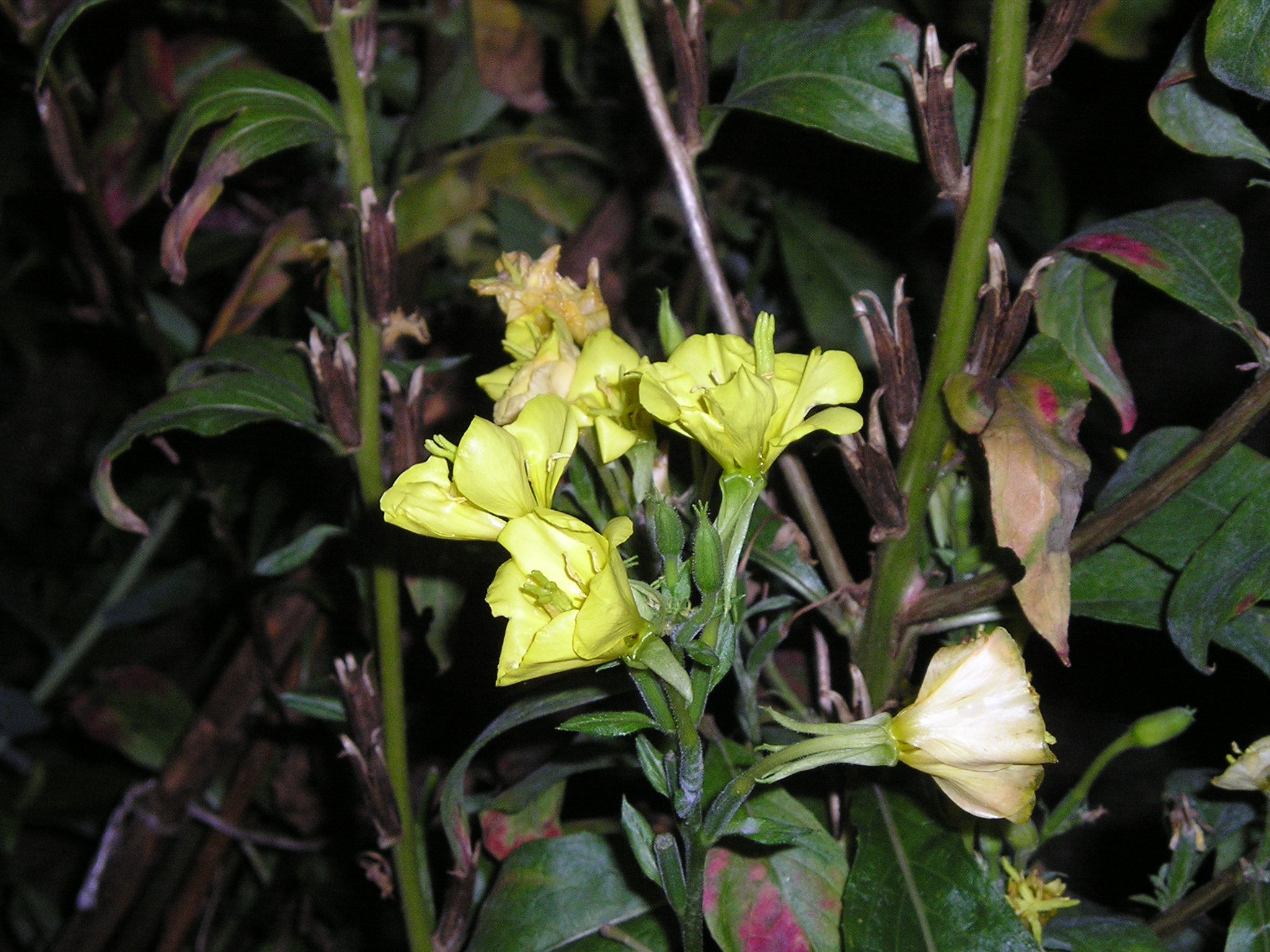
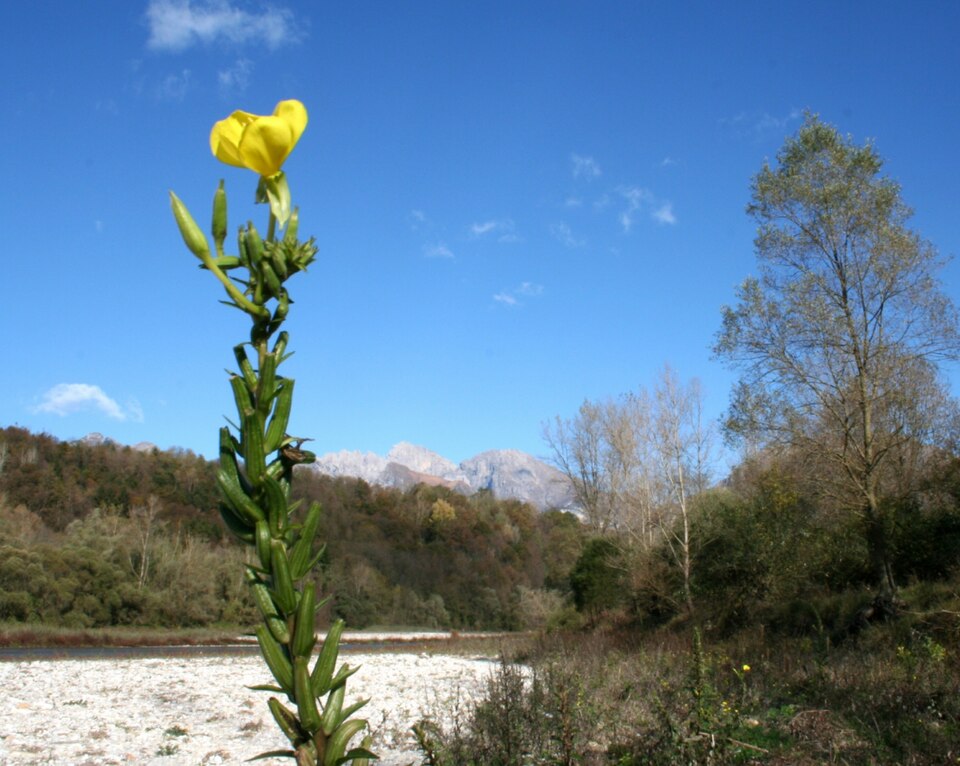
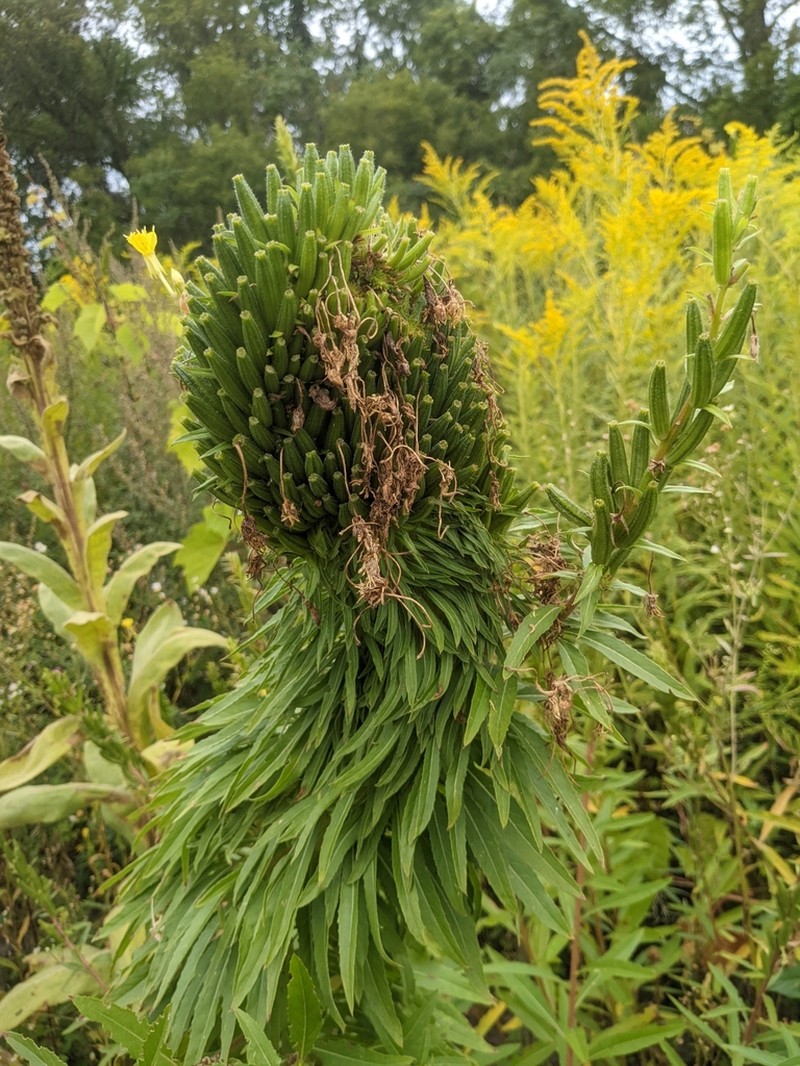
Establishment: Seeds are collected by hand from locally native plants within the eastern central Upper Peninsula. The plant is found in non forested areas of North America, dry, sandy roadsides, clearings, disturbed ground, fields, dunes, beaches. It is a stout, erect sometimes branched biennial up to 2 meters tall, often with purplish stems produced from the previous years' rosette. Yellow flowers are borne on dense terminal elongated spikes.
Source: npn.rngr.net
ORGHPS Germination Guide: Sow @ 20C. Germinates within 3 months. Requires light / surface sow (fine seed).
Where to Buy
Nationwide Seller
- Native Plants Nursery (nursery)
- Sheffield's Seed (seeds)
- Prairie Moon Nursery (nursery and seeds)
- Native Seed Group (seeds)