
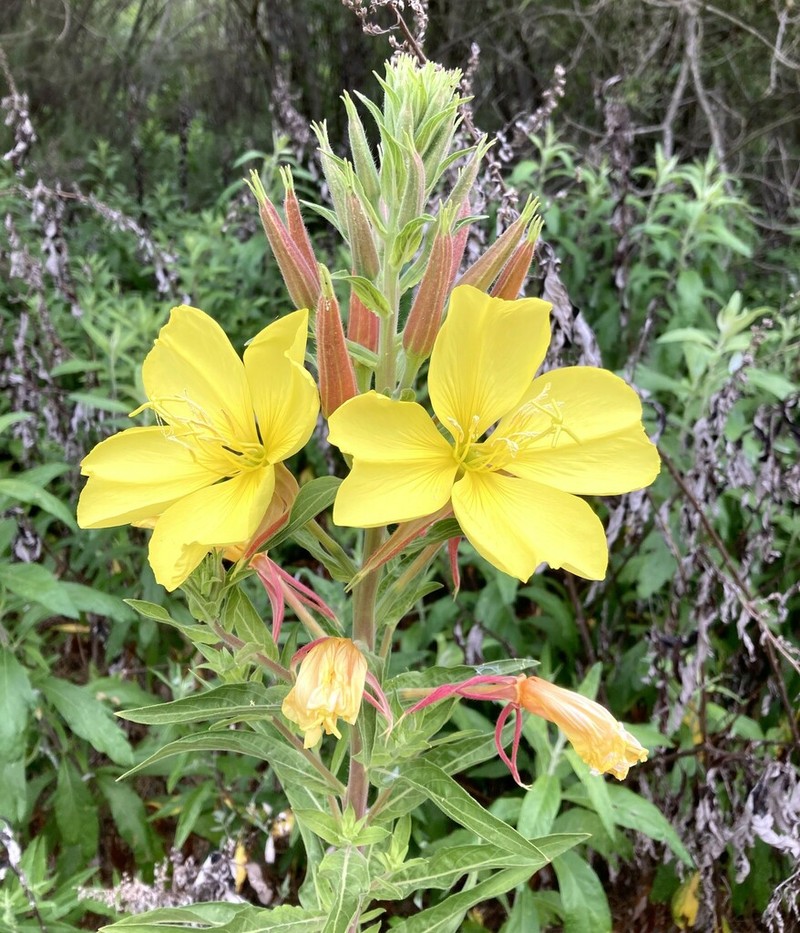
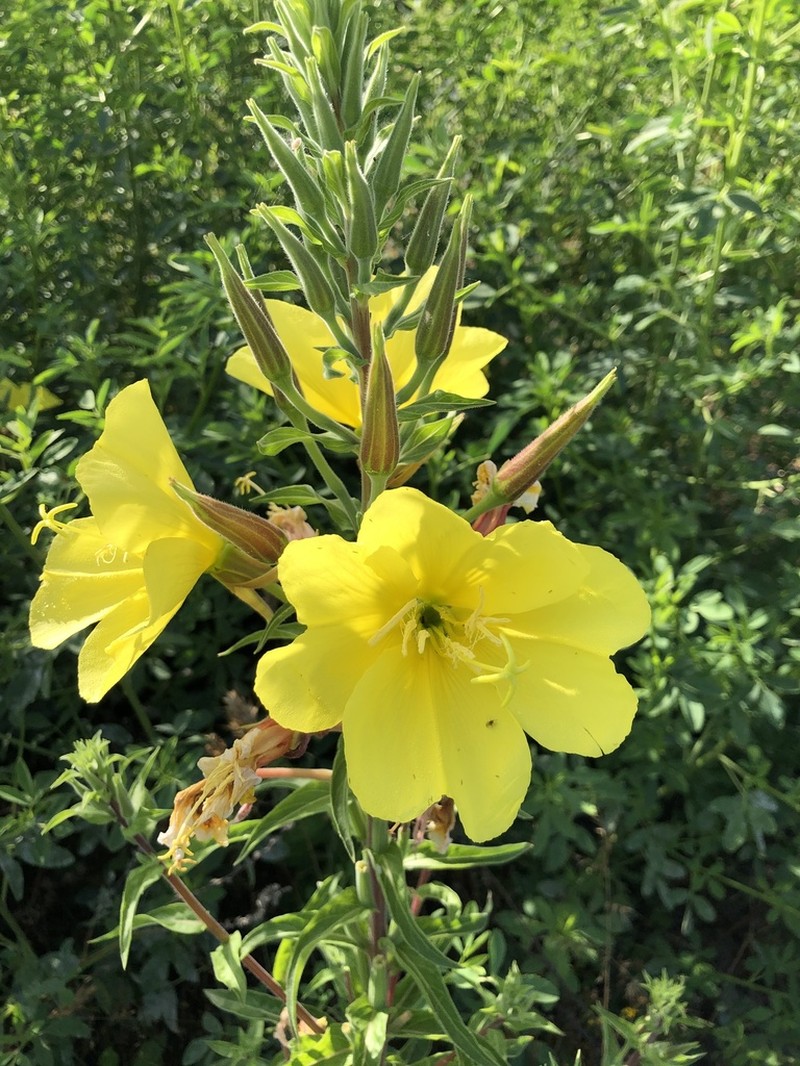
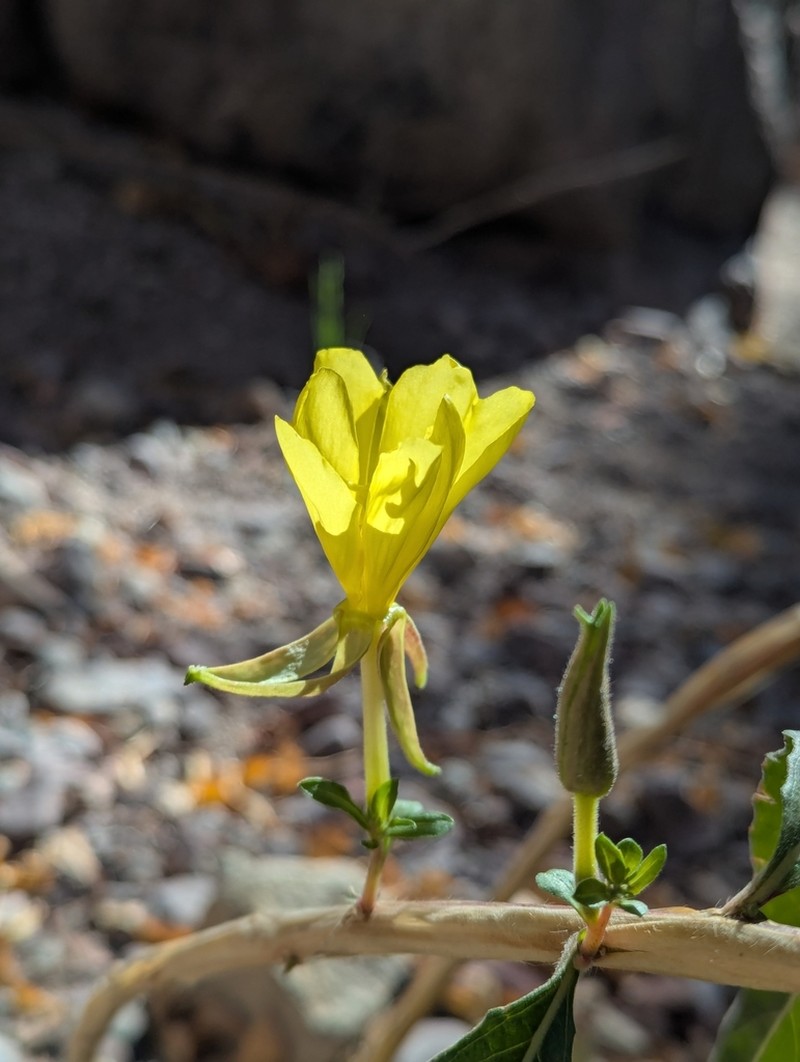
Hooker's Evening Primrose
Oenothera elata
- Native to:
- Costa Rica, El Salvador, Guam, Guatemala, Mexico, Panamá, United States
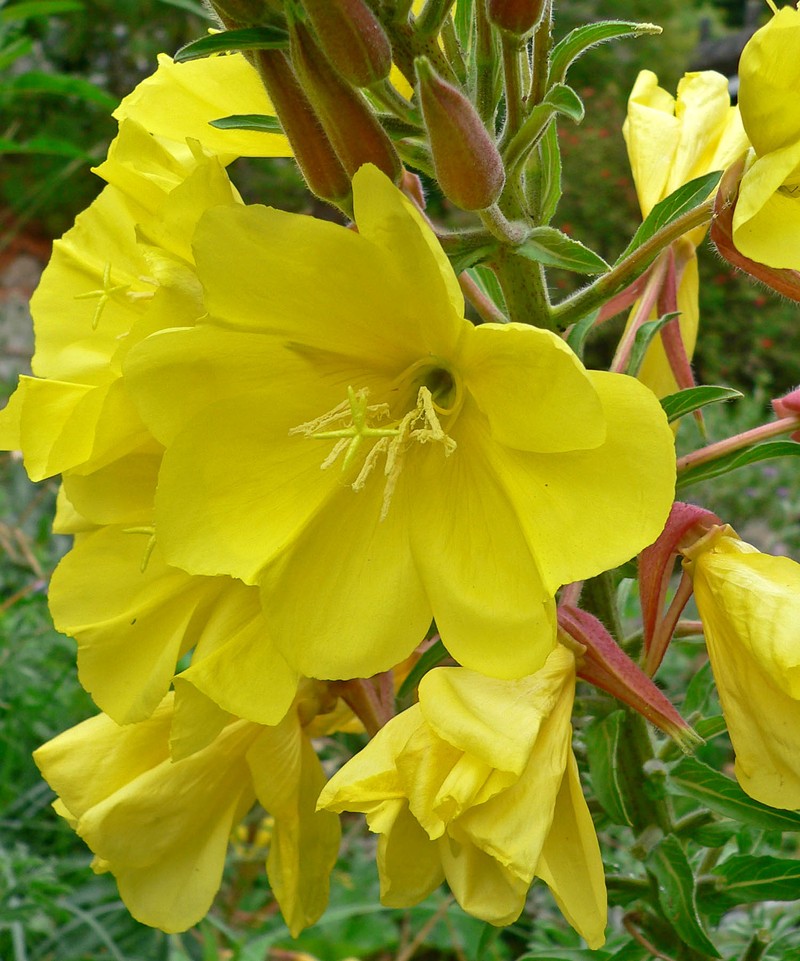
Wintertanager J.T. Storey (jtstorey.blogspot.com)
Taxonomy
- Division:
- Magnoliophyta | - Flowering plants
- Family:
- Onagraceae
- Genus:
- Oenothera
- Species:
- Oenothera elata
- USDA Symbol:
- OEEL
Growth Characteristics
- Life Cycle:
- Biennial | Perennial
- Growth Habit:
- Forb/herb
- Height:
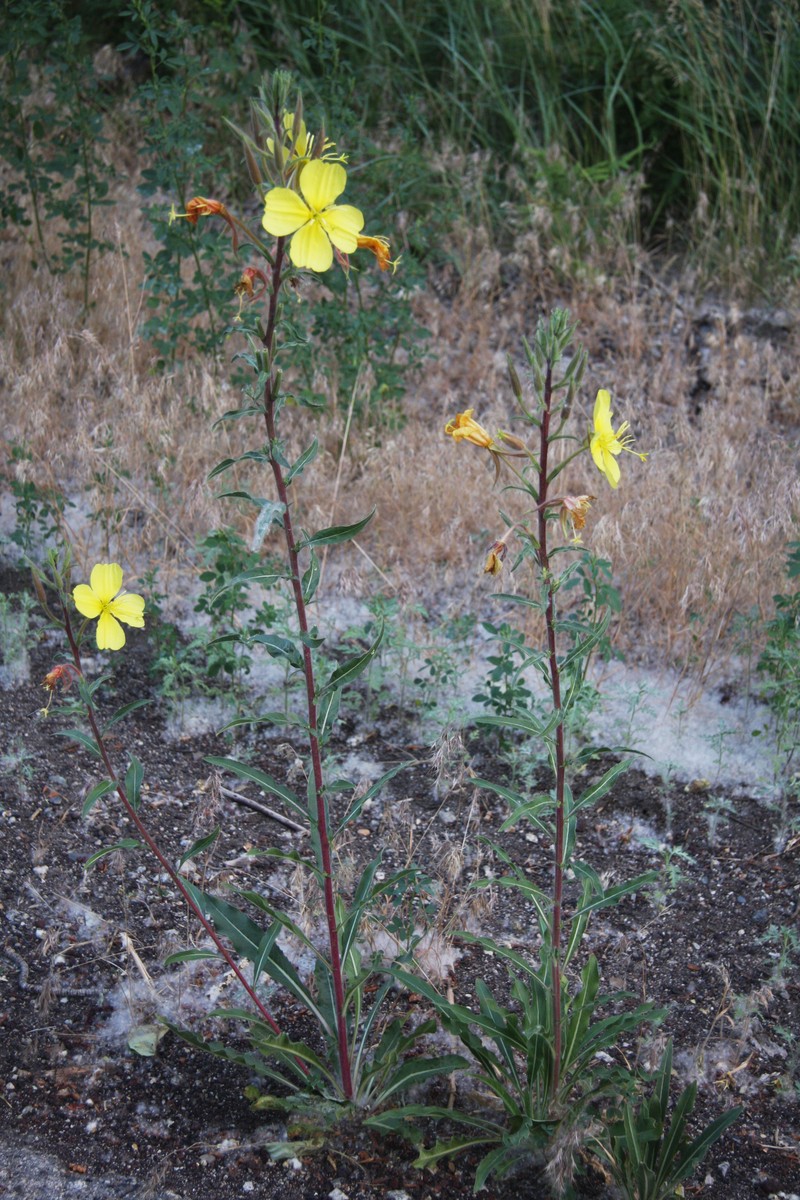
- 200 cm
- Light Requirements:
- Full Sun
- Drought Tolerance:
- Medium
- Bloom Months:
- jun,jul,aug,sep
- Bloom Colors:
- yellow
Wildlife Benefits
- Bees:
- ★☆☆☆☆ Documented bee visitation (GBIF)
- Butterflies & Moths:
- ★☆☆☆☆ Documented Lepidoptera association (GBIF)
- Caterpillars:
- ★☆☆☆☆ Recorded caterpillar host plant (HOSTS Database)
- Hummingbirds:
- ★☆☆☆☆ Documented hummingbird visits (GBIF)
Keystone Species Ranking
- Caterpillar Keystone:
- ★★☆☆☆ Butterfly & moth species supported by this genus (NWF)
- Pollen Specialist Bee Keystone:
- ★★★☆☆ Native pollen specialist bee species supported by this genus (NWF)
Host Plant for Caterpillars
⚠️Phaeton primrose sphinx (Euproserpinus phaeton), Primrose Moth (Schinia florida), White-lined sphinx moth (Hyles lineata)
Reported Fauna Sightings
Hummingbirds: Allen's Hummingbird (Selasphorus sasin), Anna's Hummingbird (Calypte anna)
Garden & Ecology Notes
- Wildlife Value:
- bees, butterflies, birds
Soil Requirements
- Soil Type:
- rich, well-drained loamy soil
- pH:
- 6.0 - 7.5 (slightly acidic to neutral)
- Drainage:
- excellent drainage required
- Moisture:
- dry to moderate
- Notes:
- prefers open, sunny areas
Propagation & Germination
- Stratification:
- Cold/moist stratification required — 30–60 days
- Germination Time:
- 14–30 days
- Notes:
- Seeds germinate readily after cold stratification; surface sow on moist soil.
Pre-treatment: Cold, moist stratification in vermiculite
Establishment: Fruits ripen from May through June (July). Seed may be rapidly gathered by drying fruit upside down in plastic bags. Native to Western North America to Central America, prefers moist places below 2,800 m.
Source: npn.rngr.net