
Northern Evening Primrose
Oenothera parviflora
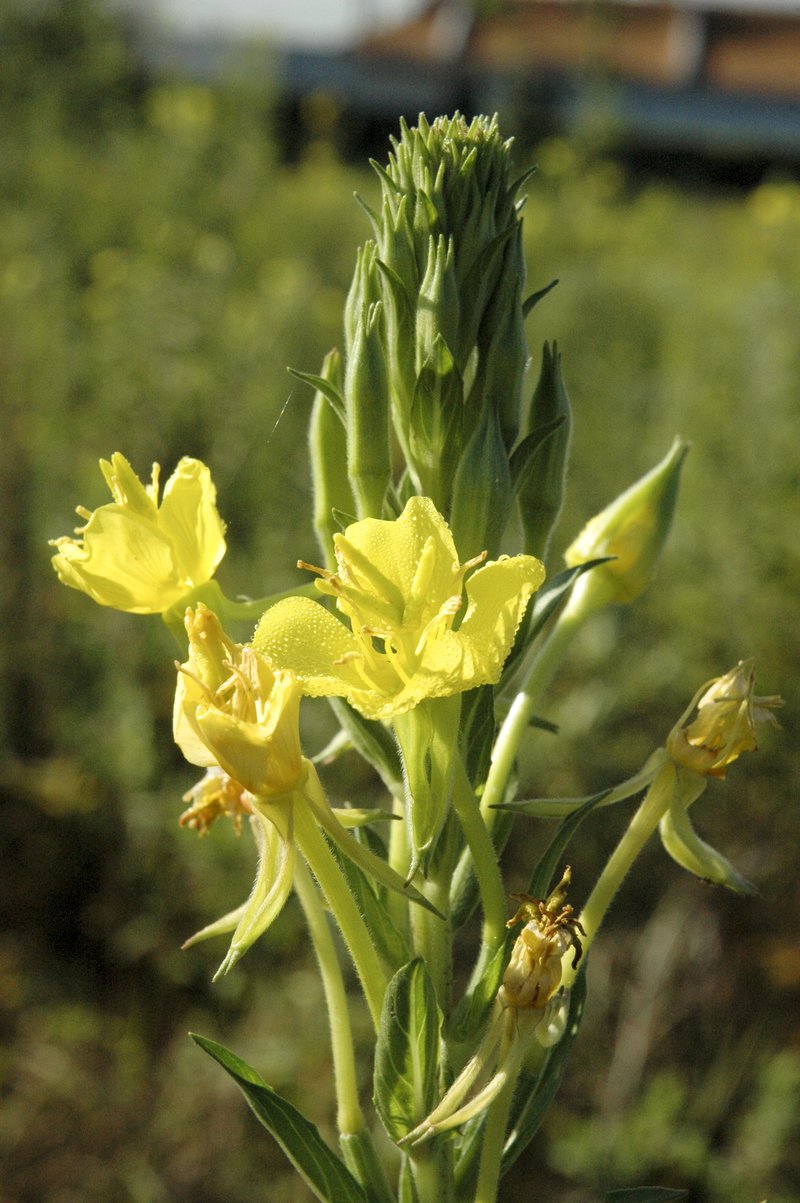
Frank Mayfield from Chicago area, USA
Taxonomy
- Division:
- Magnoliophyta | - Flowering plants
- Family:
- Onagraceae
- Genus:
- Oenothera
- Species:
- Oenothera parviflora
Growth Characteristics
- Life Cycle:
- Biennial
- Growth Habit:
- Forb/herb
- Height:
- 4-6 ft
- Light Requirements:
- Full Sun
- Drought Tolerance:
- High
- Bloom Months:
- jun, sep
- Bloom Colors:
- Yellow
Native Range
United States: Connecticut, District of Columbia, Delaware, Iowa, Illinois, Indiana, Kentucky, Massachusetts, Maryland, Maine, Michigan, Minnesota, Missouri, North Carolina, New Hampshire, New Jersey, New York, Ohio, Pennsylvania, Rhode Island, South Carolina, Tennessee, Virginia, Vermont, Wisconsin, West Virginia, Canada: British Columbia, Manitoba, New Brunswick, Nova Scotia, Ontario, Prince Edward Island, Quebec, Saskatchewan
Keystone Species Ranking
- Caterpillar Keystone:
- ★★★★☆ Based on number of butterfly and moth species using this genus as host plant (Source: National Wildlife Federation)
- Bee Keystone:
- ★★★☆☆ Based on number of native bee species using this genus for pollen and nectar (Source: National Wildlife Federation)
Host Plant for Caterpillars
Primrose Moth (Schinia florida)
Soil Requirements
- Soil Type:
- sandy, well-drained, nutrient-poor soil
- pH:
- 5.5 - 7.5 (slightly acidic to neutral)
- Drainage:
- excellent drainage required
- Moisture:
- dry to moderate
- Notes:
- thrives in disturbed, open areas
Germination Information
Pre-treatment: Cold-moist stratification for 30 days at 1–5°C (34–41°F).
Notes: Seeds require cold-moist stratification for 30 days before germination.
Source: OpenAI GPT-4o