
Tuberous Grasspink
Calopogon tuberosus
- Native to:
- Bahamas, Canada, Cuba, Prince Edward I., United States, Virgin Islands
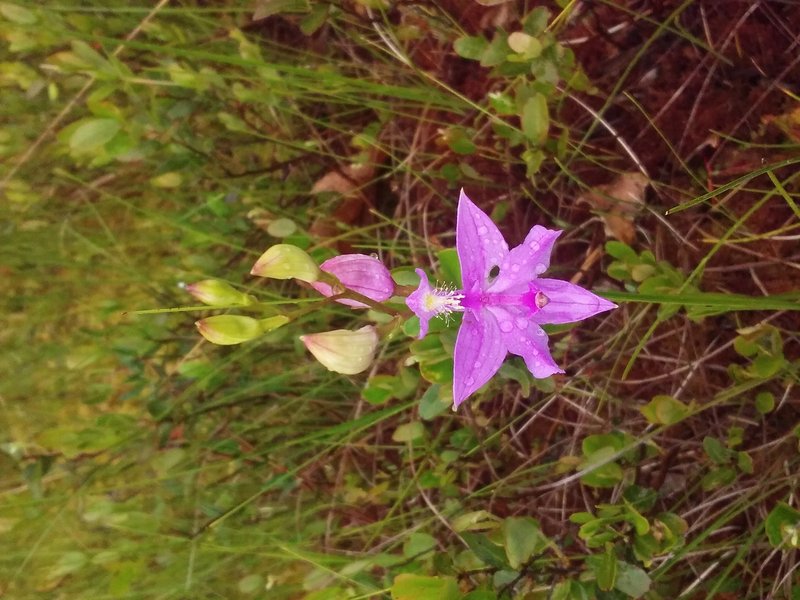
RiverBissonnette
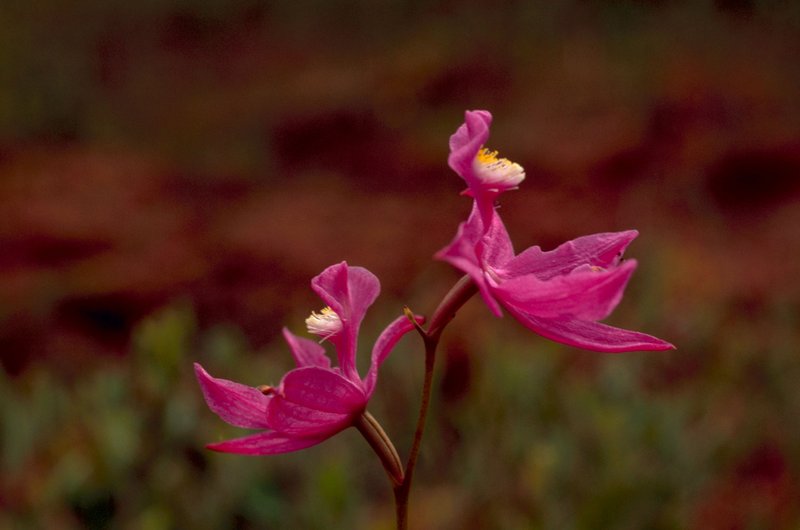
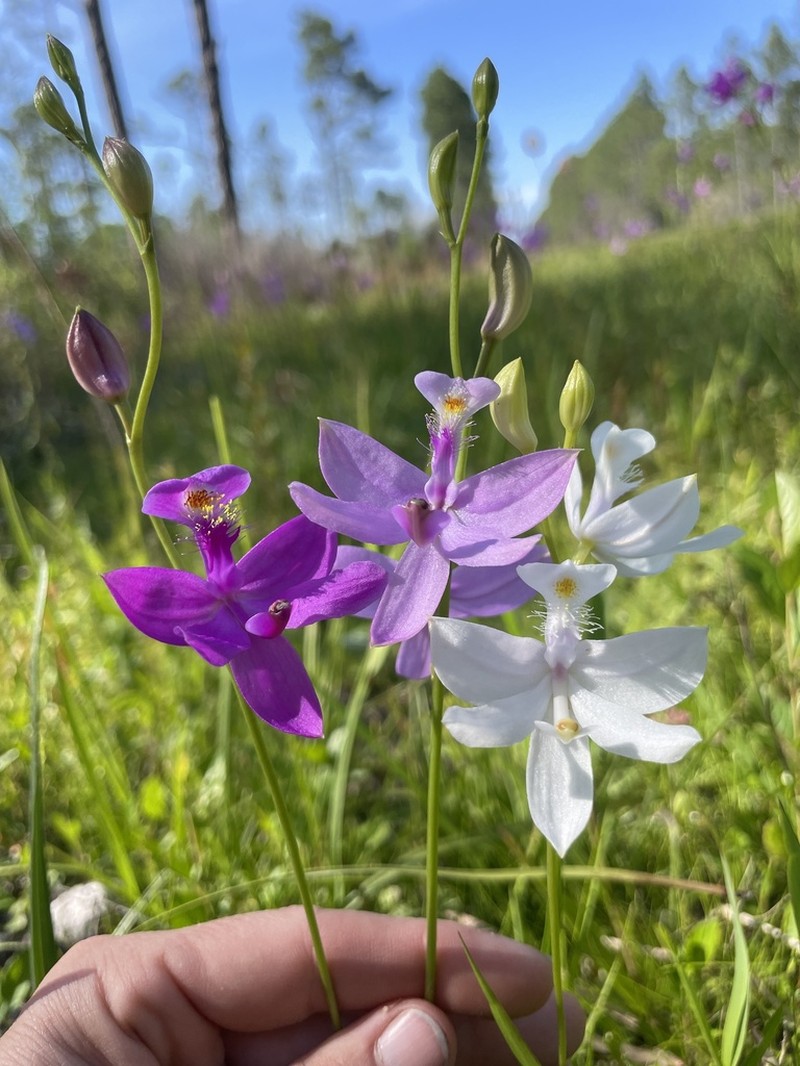
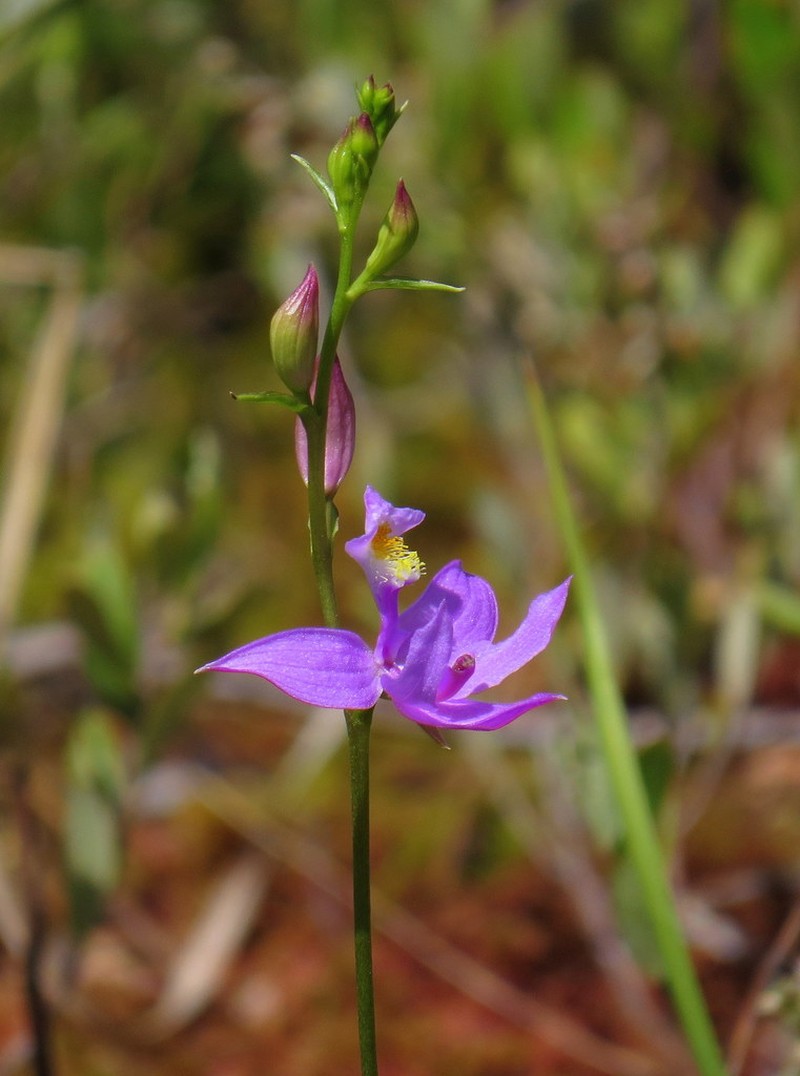
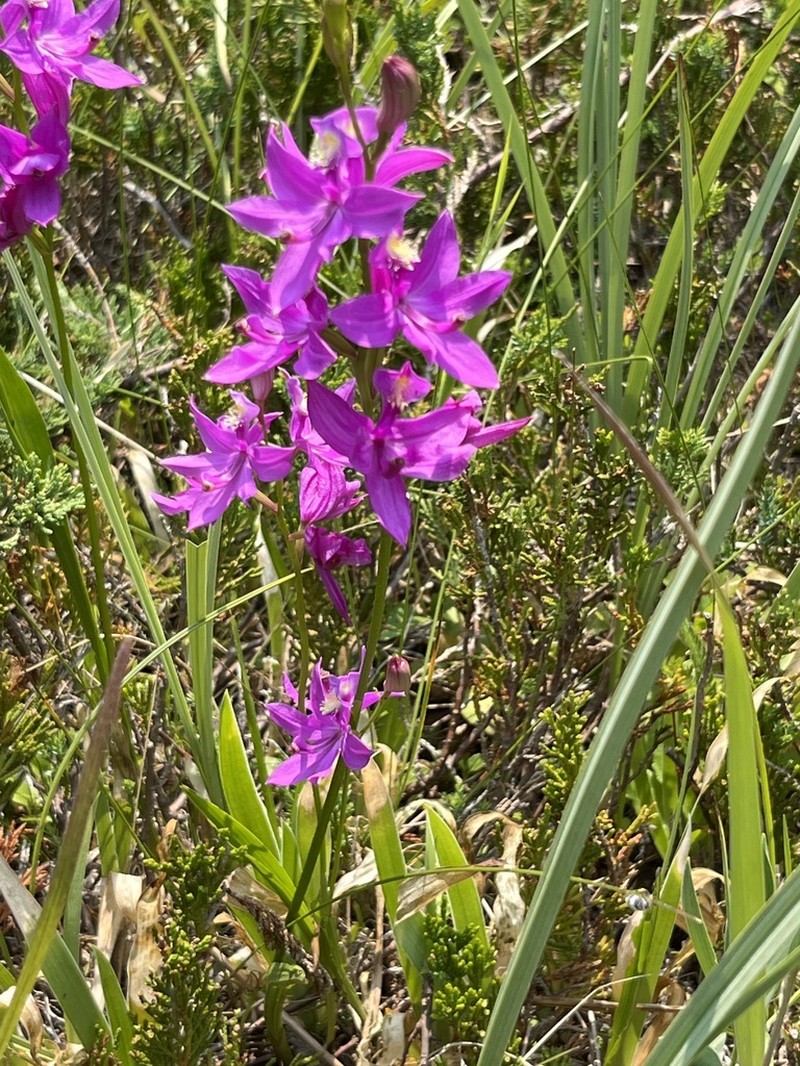
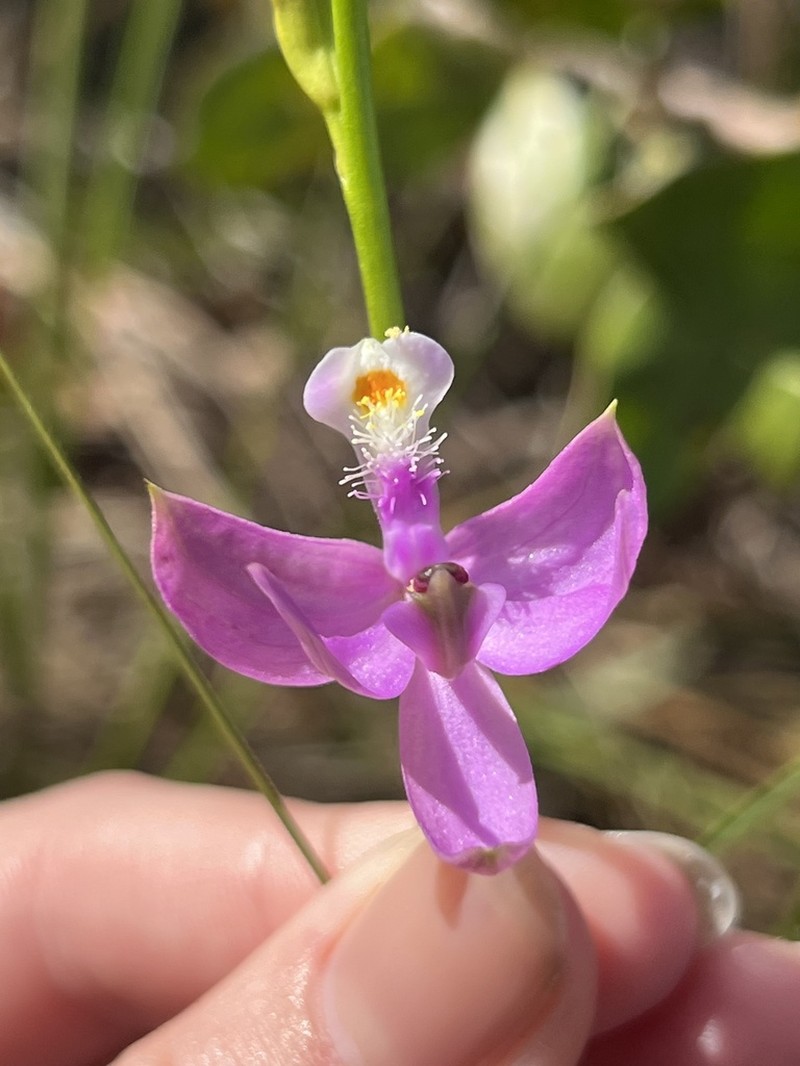
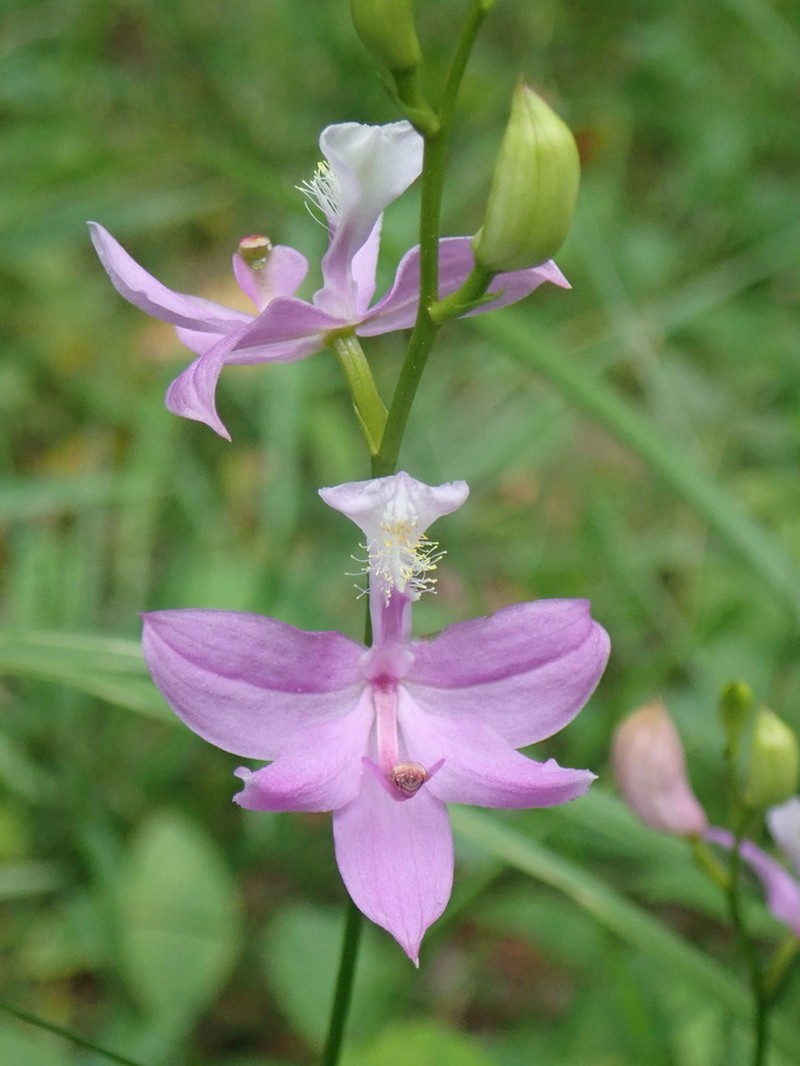
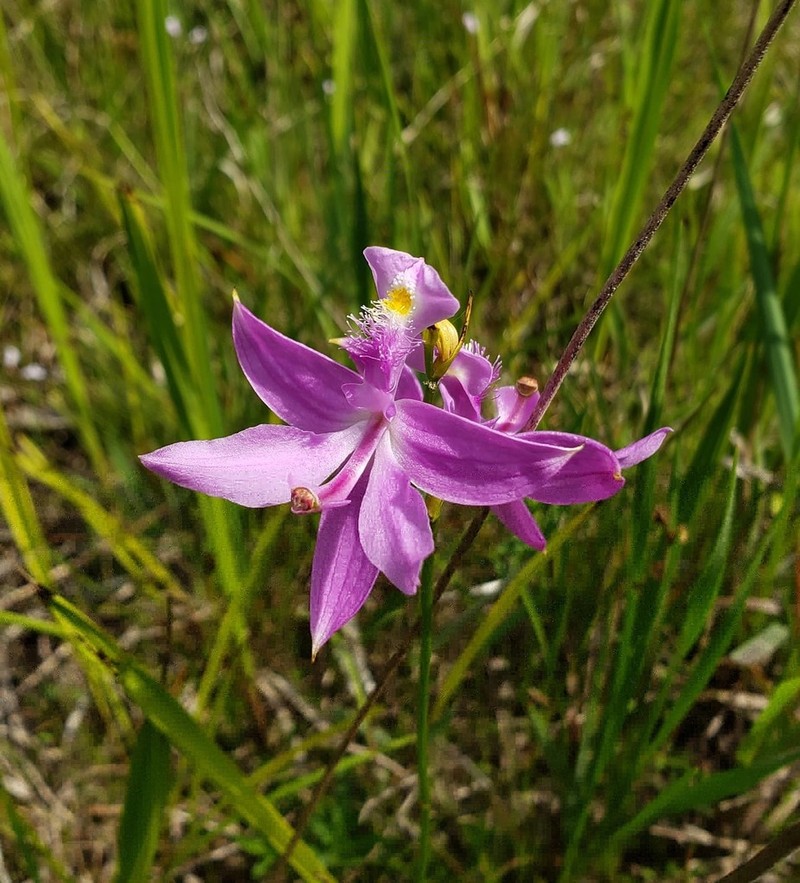
Taxonomy
- Division:
- Magnoliophyta | - Flowering plants
- Family:
- Orchidaceae
- Genus:
- Calopogon
- Species:
- Calopogon tuberosus
- USDA Symbol:
- CATU5
Growth Characteristics
- Life Cycle:
- Perennial
- Growth Habit:
- Forb/herb
- Height:
- 60 cm
- Light Requirements:
- Full Sun
- Drought Tolerance:
- Low
- Bloom Months:
- may,jun,jul
- Bloom Colors:
- pink, magenta, white
Wildlife Benefits
- Bees:
- ★☆☆☆☆ Documented bee visitation (GBIF)
- Butterflies & Moths:
- ★☆☆☆☆ Documented Lepidoptera association (GBIF)
Garden & Ecology Notes
- Wildlife Value:
- bees, butterflies
Soil Requirements
- Soil Type:
- wet, peaty, nutrient-poor soil
- pH:
- 4.5 - 6.5 (acidic to slightly acidic)
- Drainage:
- poor drainage tolerated
- Moisture:
- consistently moist
- Notes:
- Commonly found in bogs and wet meadows
Propagation & Germination
- Notes:
- Dust seeds require symbiotic mycorrhizal fungi for germination; conventional stratification is not applicable.
Pre-treatment: Cold-moist stratification for 30 days at 1–5°C (34–41°F).; then Cold-moist stratification for 60 days.
Source: Claude AI
ORGHPS Germination Guide: Collect the capsules in early Sept. before they split. Either sow in a dryish sphagnum bog or surface sterilize the capsule, remove the seed aseptically and sow thinly in a good culture medium. Some will germinate at 20°C, remainder germinate if put at 4°C for 2 months. Need bright light to grow. Alternatively, you can collect mature seed and sow in a sphagnum bog.