
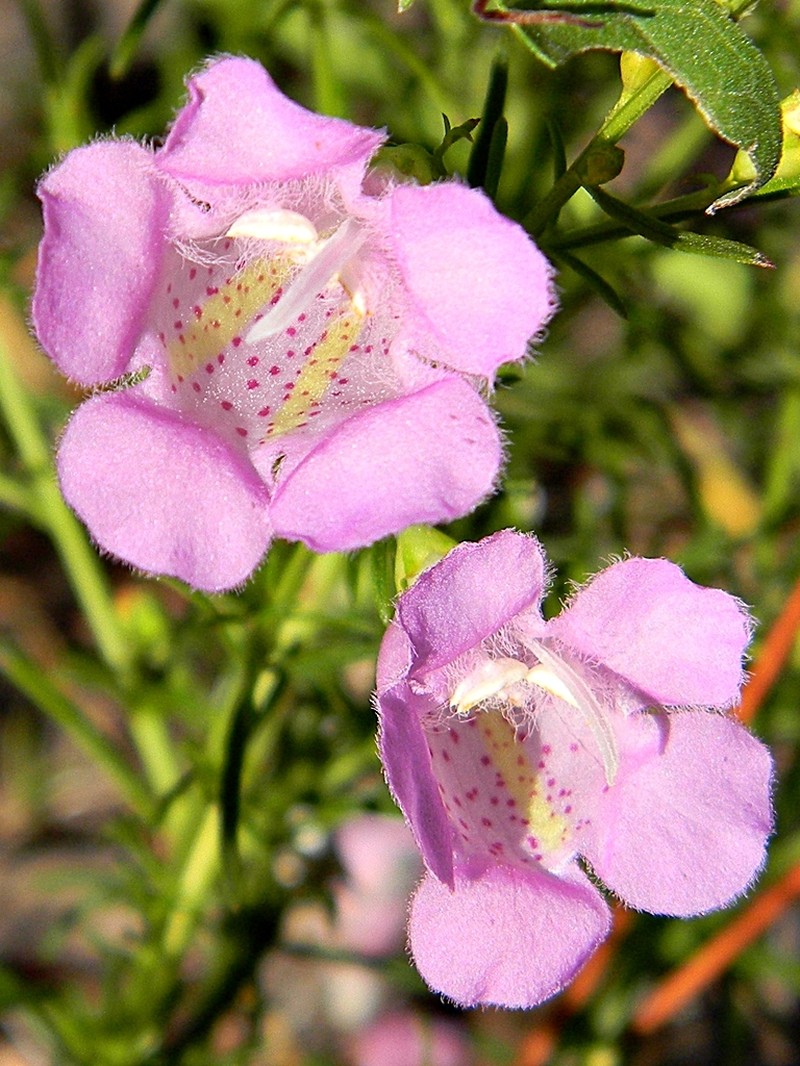
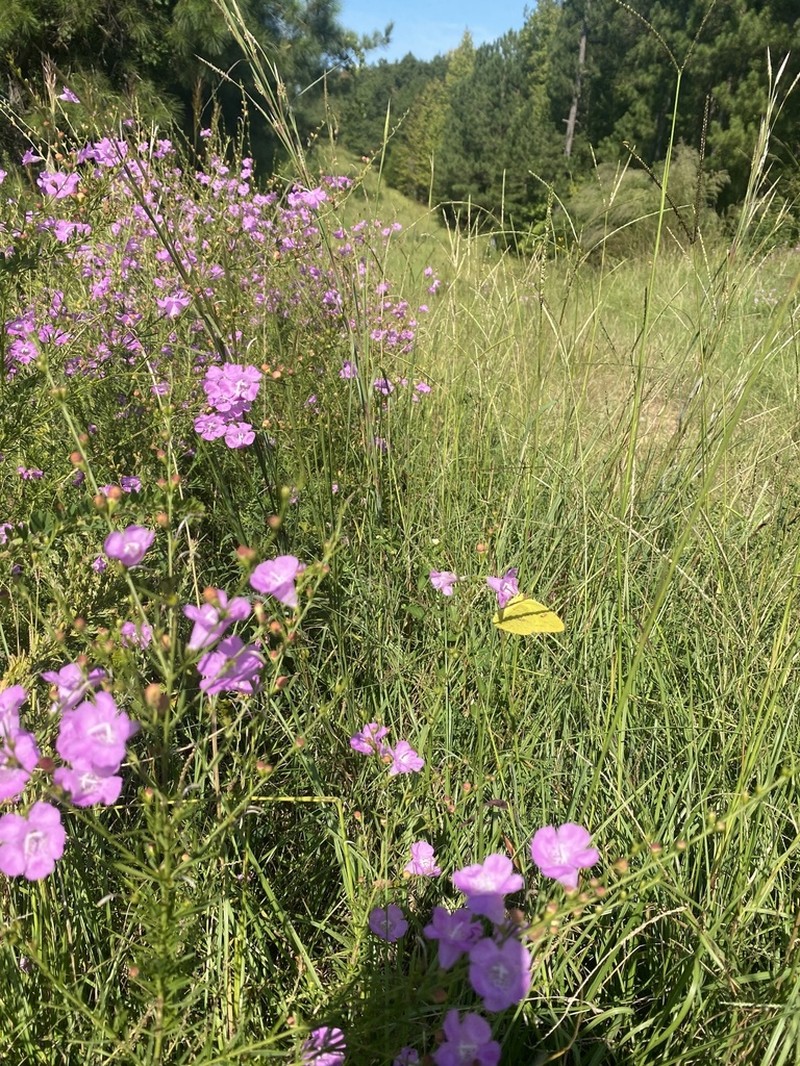
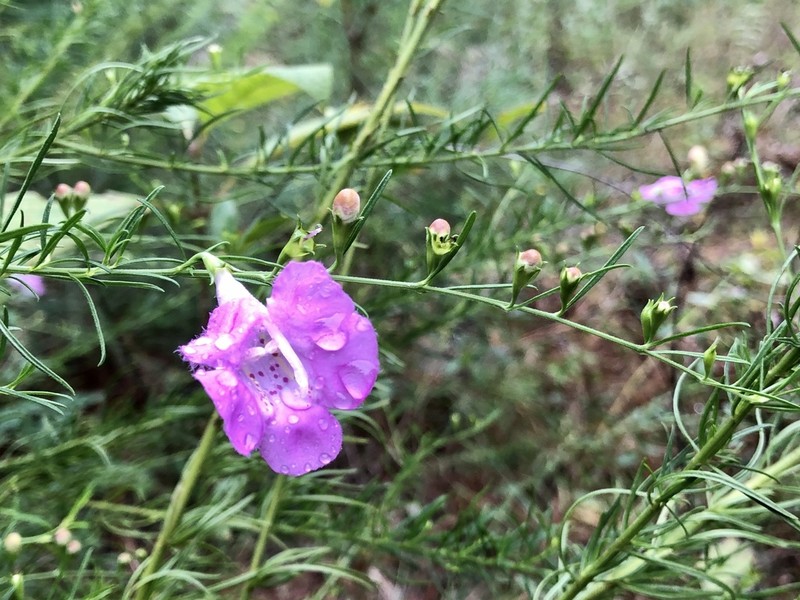
Beach False Foxglove
Agalinis fasciculata
- Native to:
- Cuba, Dominican Republic, Puerto Rico, United States
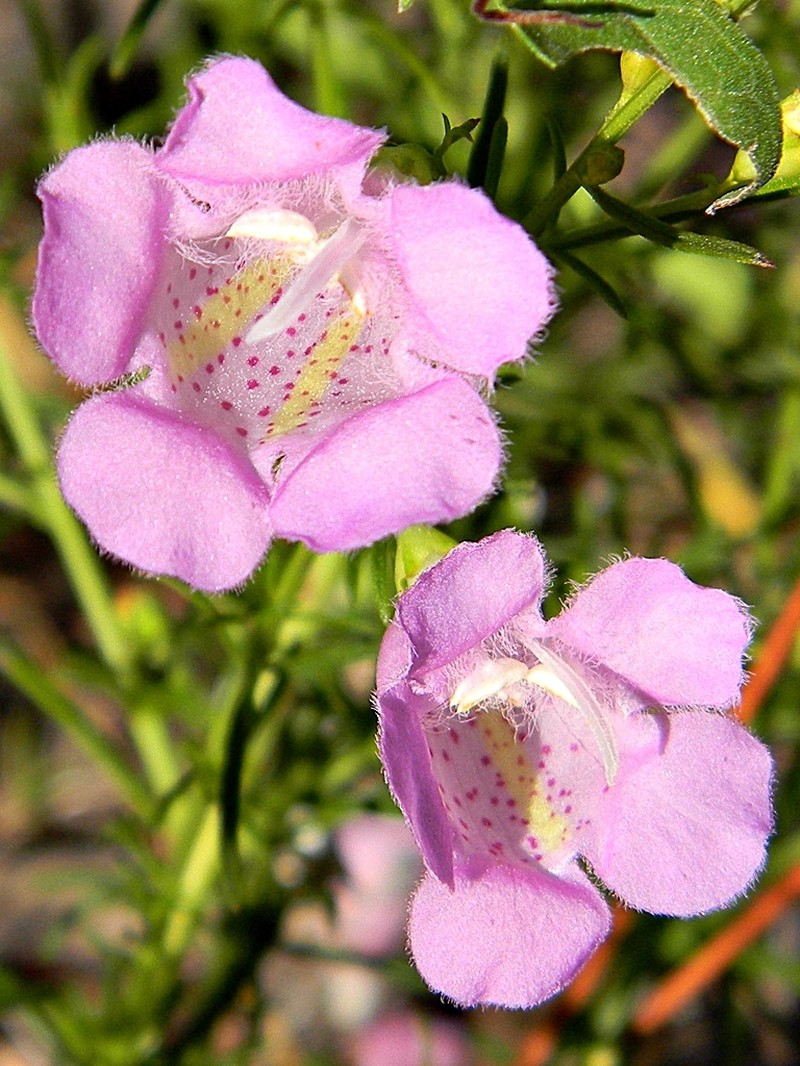
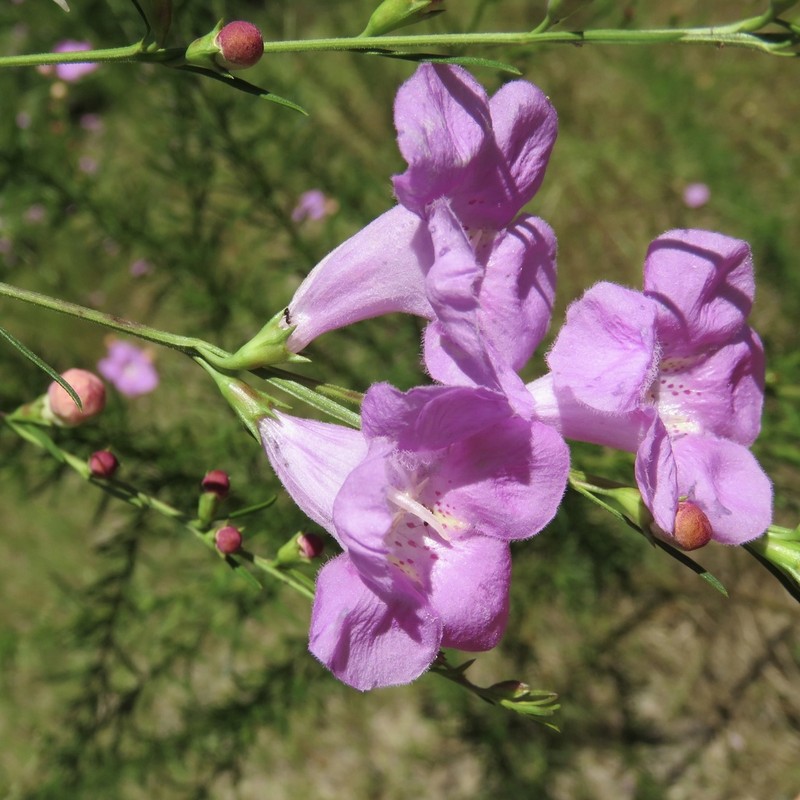
Source: Wikimedia; Credit: Bob Peterson from North Palm Beach, Florida, Planet Earth! https://www.flickr.com/people/50152666@N02
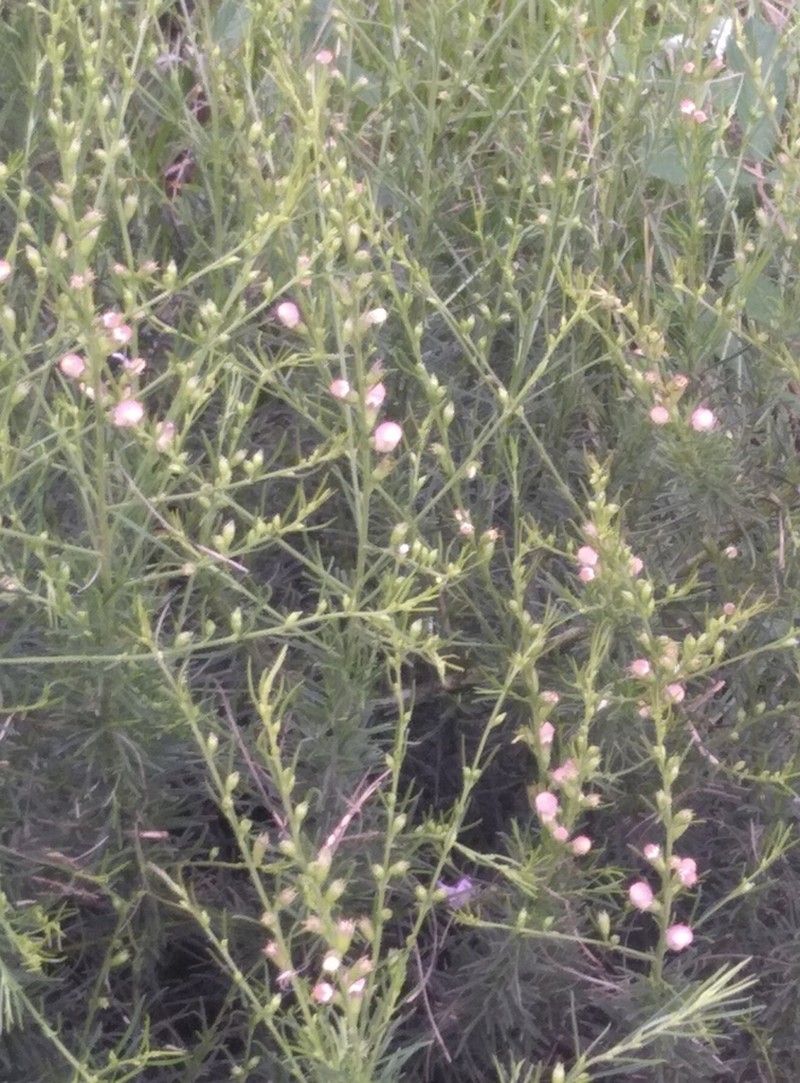
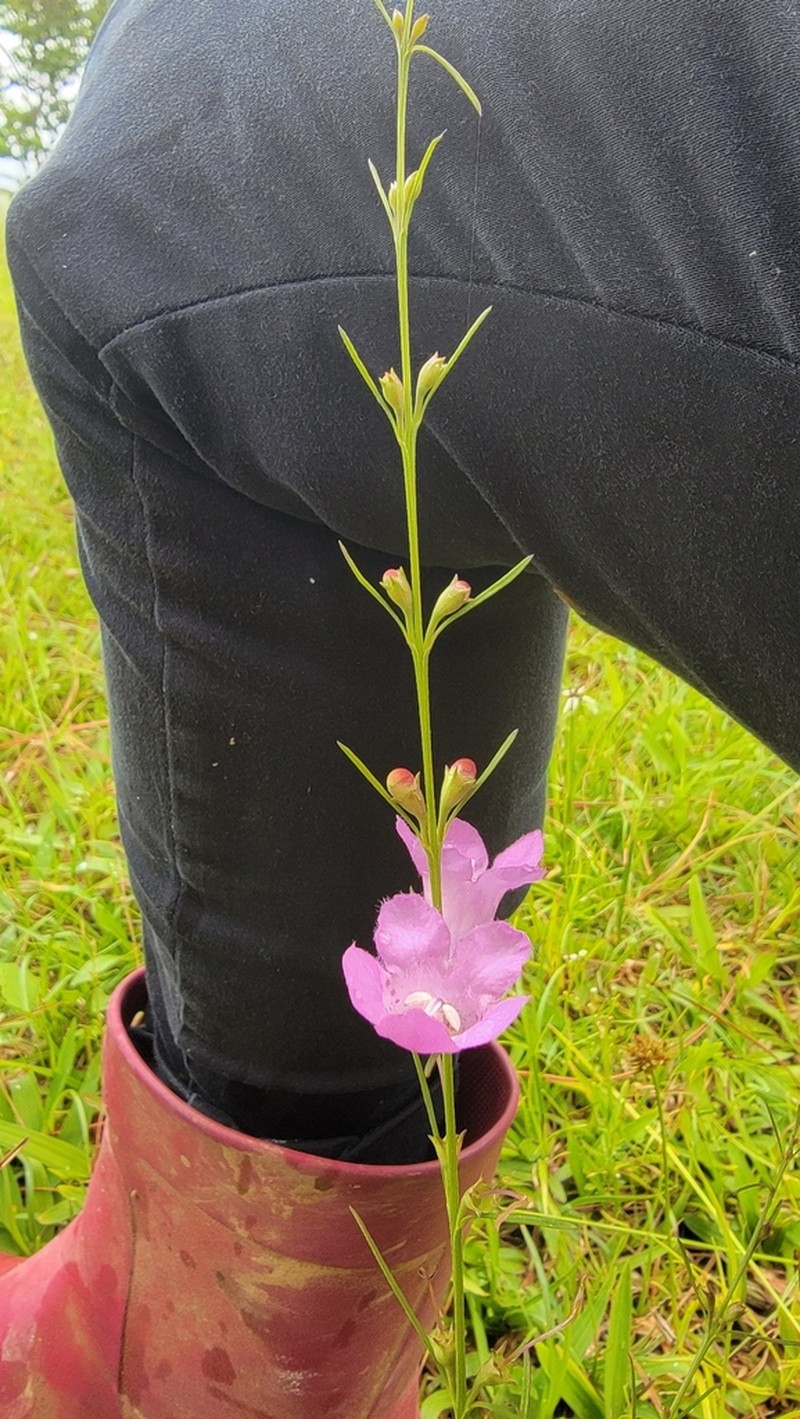
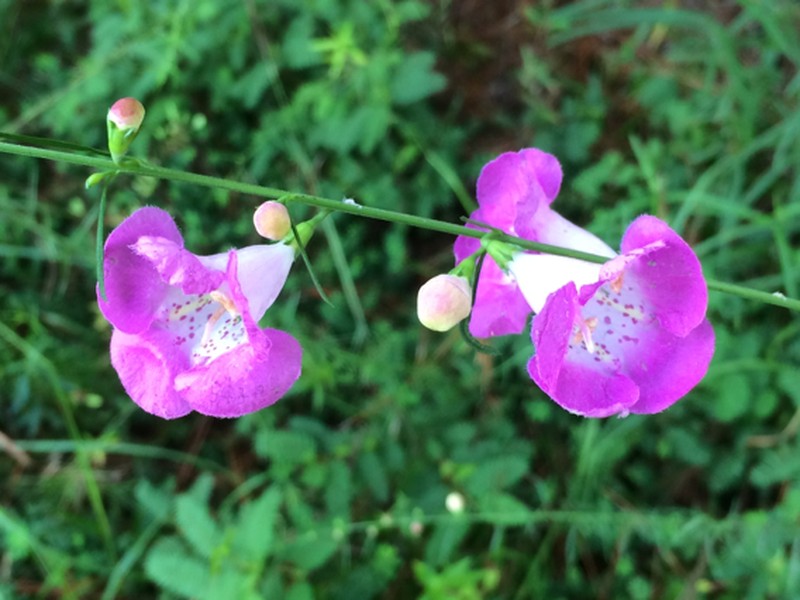
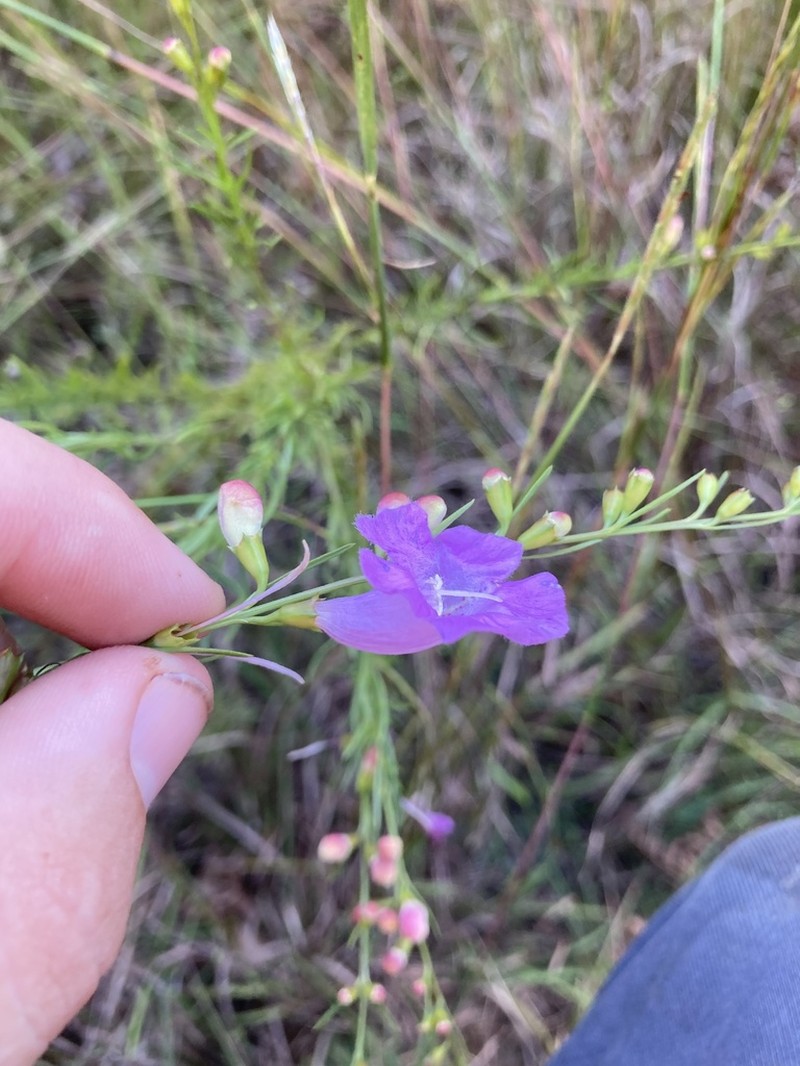
Taxonomy
- Division:
- Magnoliophyta | - Flowering plants
- Family:
- Orobanchaceae
- Genus:
- Agalinis
- Species:
- Agalinis fasciculata
- USDA Symbol:
- AGFA2
Growth Characteristics
- Life Cycle:
- Annual
- Growth Habit:
- Forb/herb
- Height:
- 100 cm
- Drought Tolerance:
- Low
- Bloom Months:
- aug,sep,oct
- Bloom Colors:
- pink, purple
Wildlife Benefits
- Bees:
- ★☆☆☆☆ Documented bee visitation (GBIF)
- Butterflies & Moths:
- ★☆☆☆☆ Documented Lepidoptera association (GBIF)
- Caterpillars:
- ★☆☆☆☆ Recorded caterpillar host plant (HOSTS Database)
Host Plant for Caterpillars
Tropical Buckeye (Junonia evarete)
Reported Fauna Sightings
Butterflies:Common Buckeye (Junonia coenia)
Garden & Ecology Notes
- Wildlife Value:
- bees, butterflies
- Fire Ecology:
- Fire adapted — tolerates or benefits from fire
- Fire Notes:
- Occurs in fire-maintained pine savannas and flatwoods; responds positively to fire.
Propagation & Germination
- Stratification:
- Cold/moist stratification required — 30–60 days
- Germination Time:
- 14–30 days
- Notes:
- Seeds benefit from cold moist stratification for 30-60 days; surface sow on moist medium.
Pre-treatment: Seeds are cold stratified
Establishment: A. fasiculata is found in non forested areas within temperate deciduous forests of coastal southeastern North America and the Caribbean.
Source: npn.rngr.net