
Coiled Lousewort
Pedicularis contorta
- Native to:
- Canada, United States
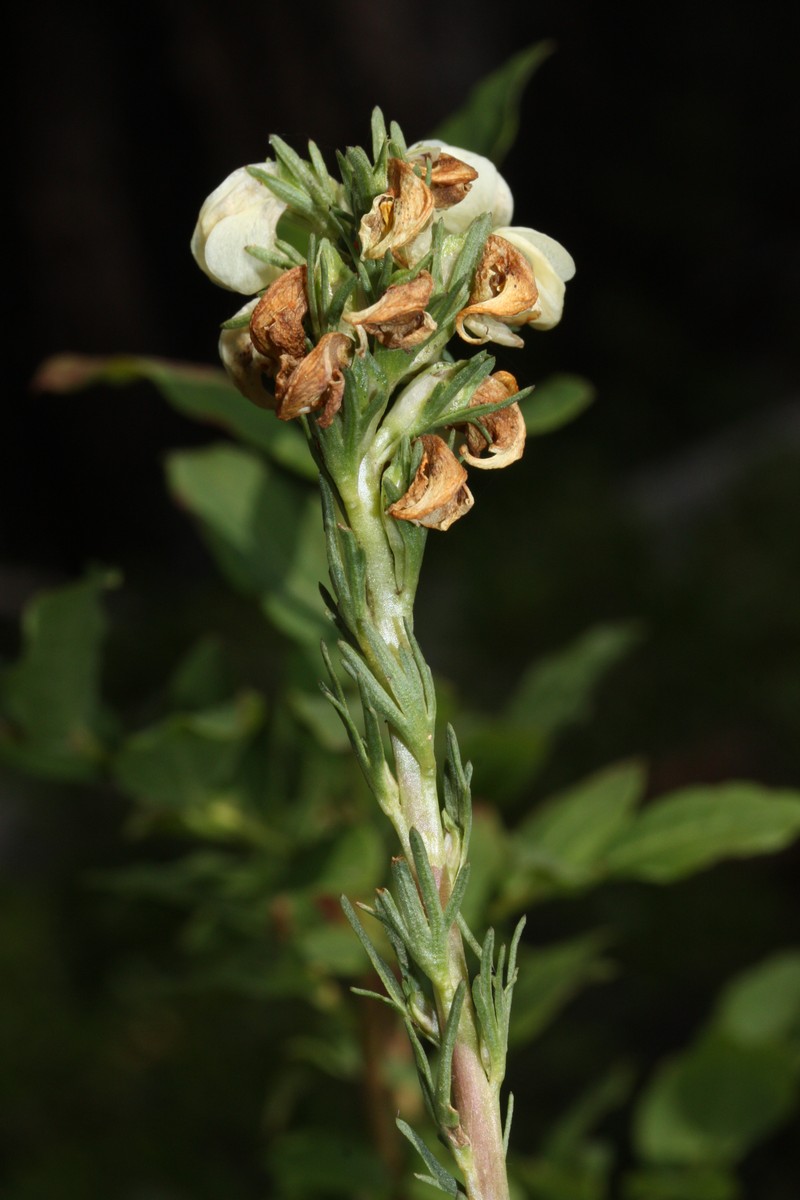
Walter Siegmund (talk)
Taxonomy
- Division:
- Magnoliophyta | - Flowering plants
- Family:
- Orobanchaceae
- Genus:
- Pedicularis
- Species:
- Pedicularis contorta
- USDA Symbol:
- PECO
Growth Characteristics
- Life Cycle:
- Perennial

- Growth Habit:
- Parasite
- Height:
- 51 cm

- Light Requirements:
- Full Sun

- Drought Tolerance:
- Medium
- Bloom Months:
- jun, jul, aug
- Bloom Colors:
- white, yellow
Wildlife Benefits
- Bees:
- ★☆☆☆☆ Documented bee visitation (GBIF)
- Butterflies & Moths:
- ★☆☆☆☆ Documented Lepidoptera association (GBIF)
Reported Fauna Sightings
Bees: Two-form bumble bee (Bombus bifarius), Western bumble bee (Bombus occidentalis), Yellow head bumble bee (Bombus flavifrons)
Garden & Ecology Notes
- Minimum Light:
- Part Sun
- Best Light:
- Full Sun, Part Sun
- Habitat:
- Bog, Meadow, Montane, Alpine
- Wildlife Value:
- bees
- Ecology:
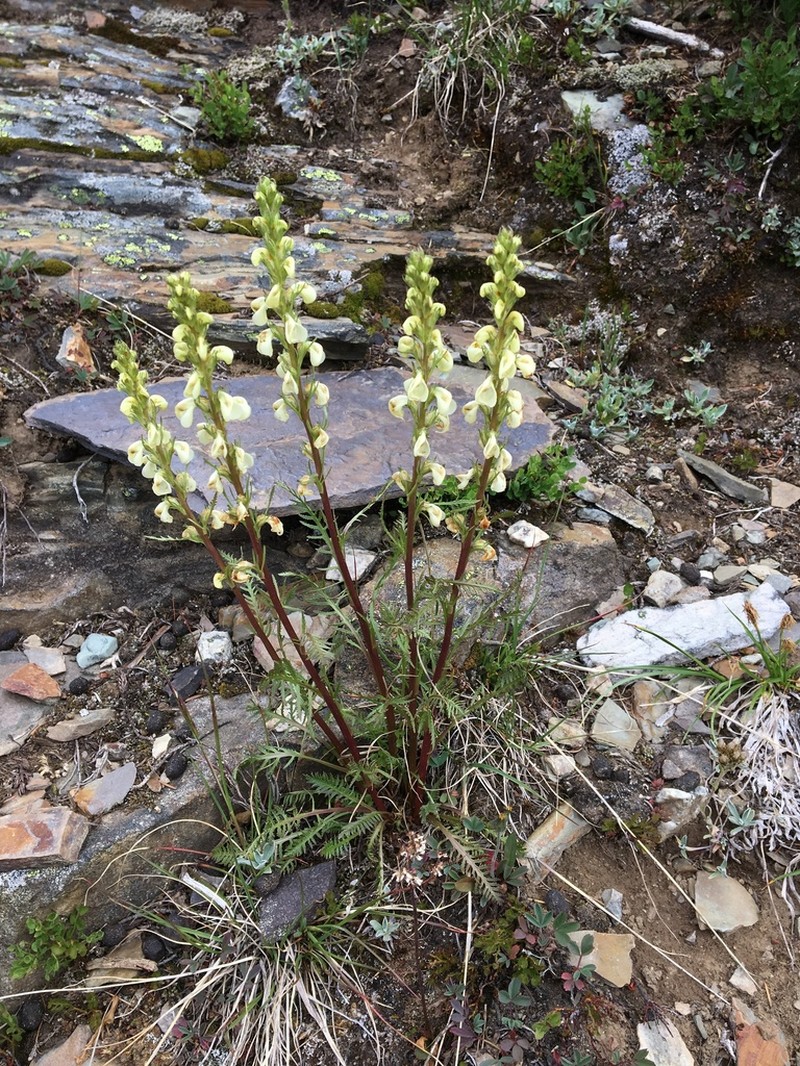
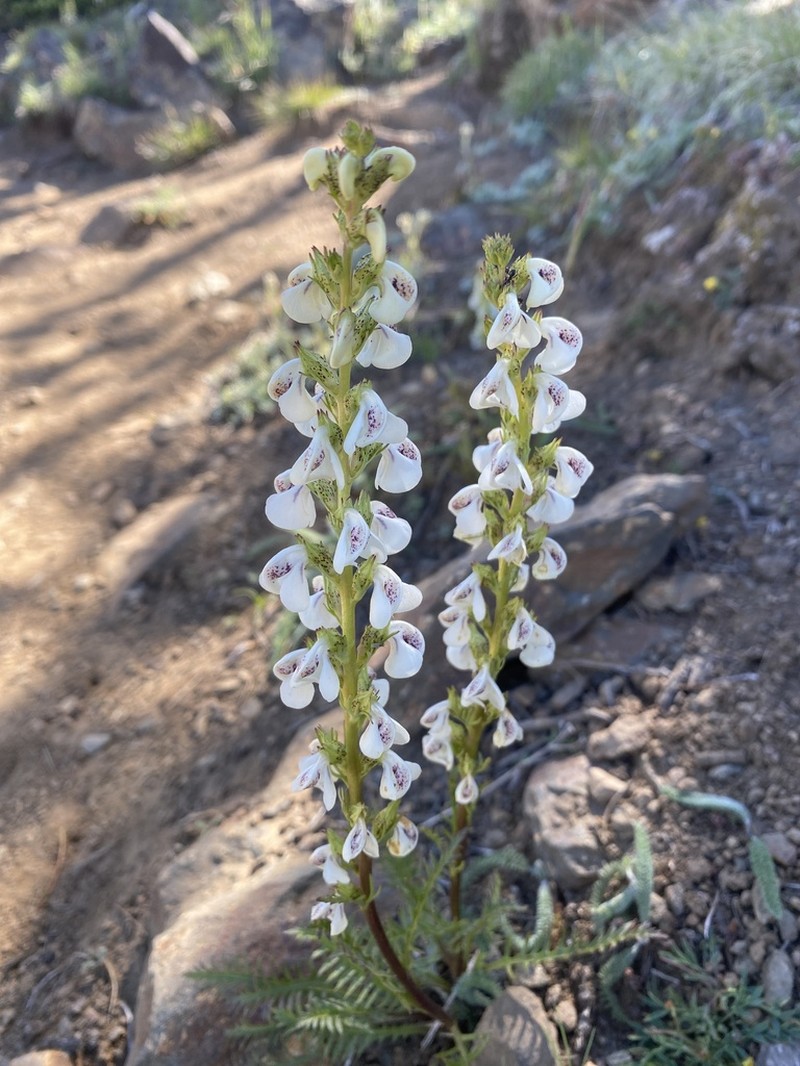
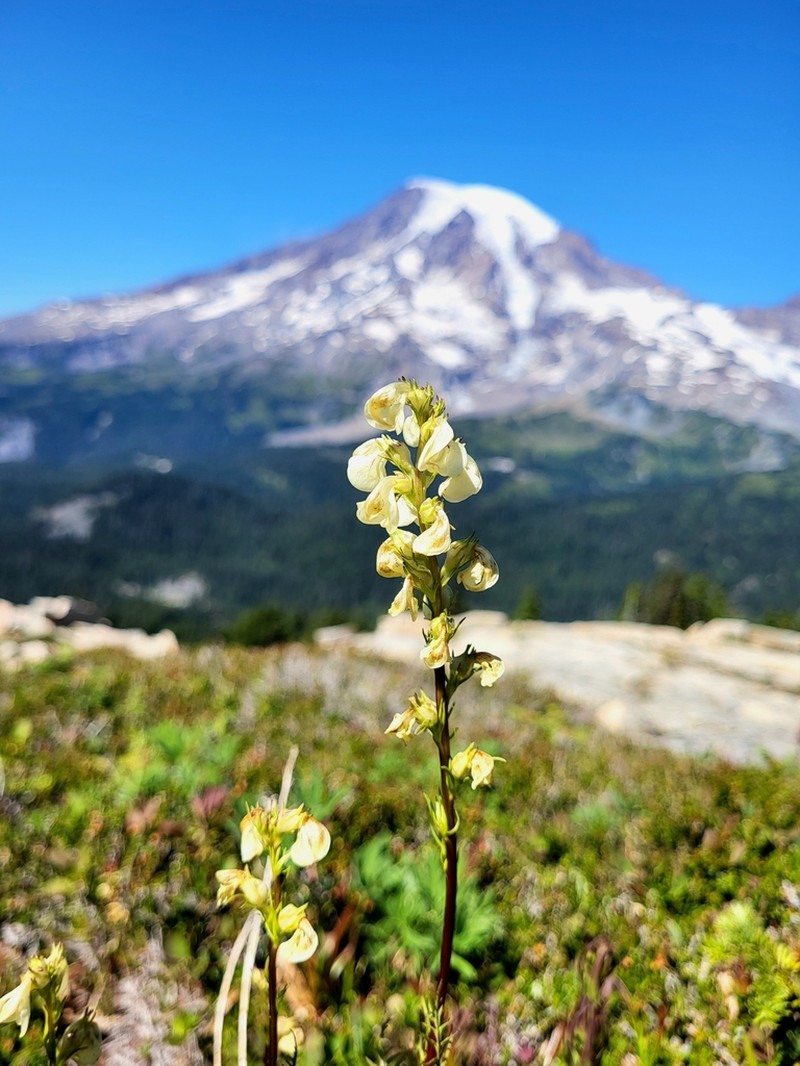
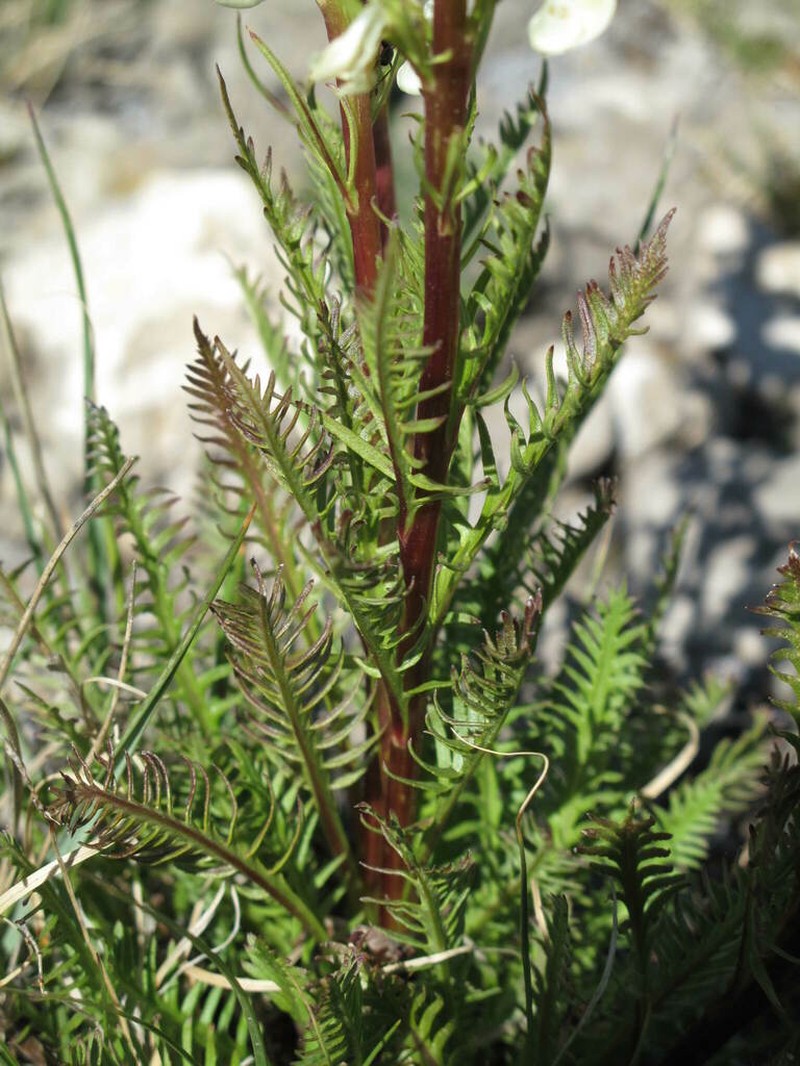
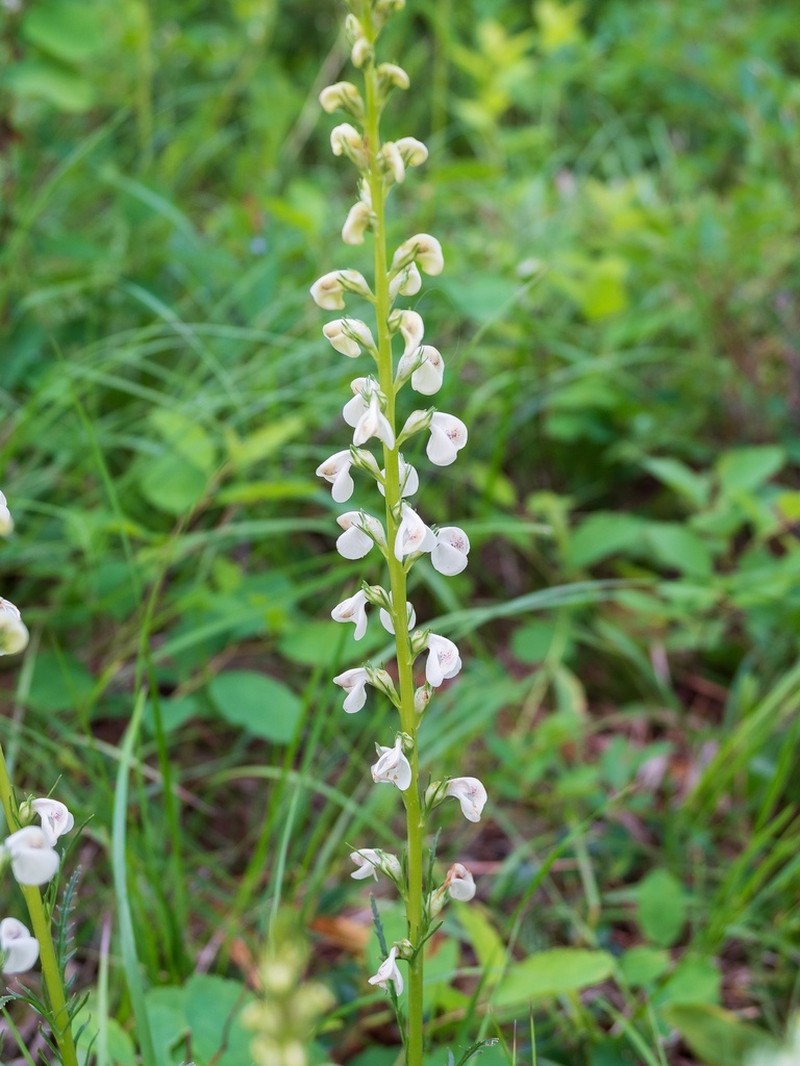
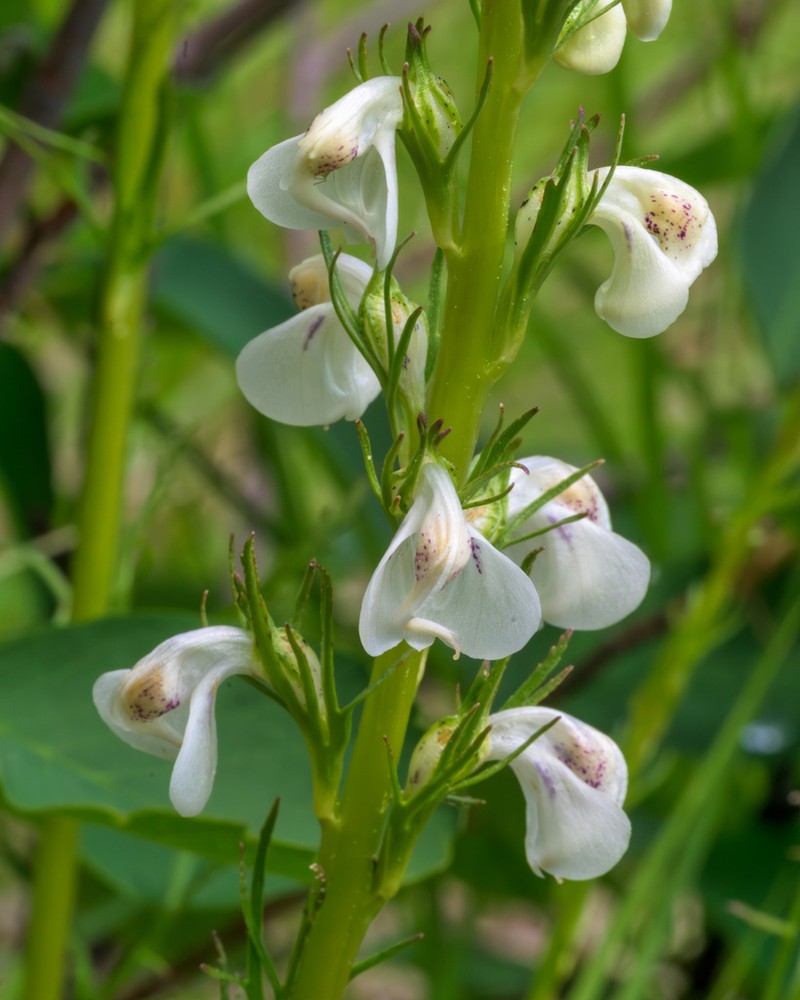
- Pedicularis contorta (curved-beak lousewort) is a hemiparasitic subalpine and alpine perennial that attaches to the roots of various neighboring plants via haustoria. Its distinctive coiled floral beaks are specialized for buzz pollination primarily by bumblebees (Bombus spp.).
Soil Requirements
- Soil:
- rocky — also tolerates loam, sandy
- pH:
- acidic to neutral
- Drainage:
- well-drained
- Moisture:
- dry to moderate
- Notes:
- Occurs in gravelly, rocky, coarse-textured soils and scree, typically derived from granitic or volcanic parent materials.
Propagation & Germination
- Notes:
- Seeds require cold moist stratification for approximately 60 to 90 days. Hemiparasitic nature often requires the presence of a host plant for seedling survival and vigorous development.
Pre-treatment: Seeds are treated with 500 ppm gibberellic acid for 15 minutes, rinsed with distilled water, and placed into moist paper towels in an open plastic bag under refrigeration at 1 to 3 C for 90 days.
Establishment: Seeds are collected in late August when capsules begin to split and seeds are easily shaken out of capsules. Seeds are dark grey at maturity. Capsules are collected in paper bags and kept in a well ventilated drying shed prior to cleaning. P. contorta occurs from B.C. to northern California, Alberta to north and west Wyoming, and central Idaho. It is found in high elevation meadows and slopes.
Source: npn.rngr.net