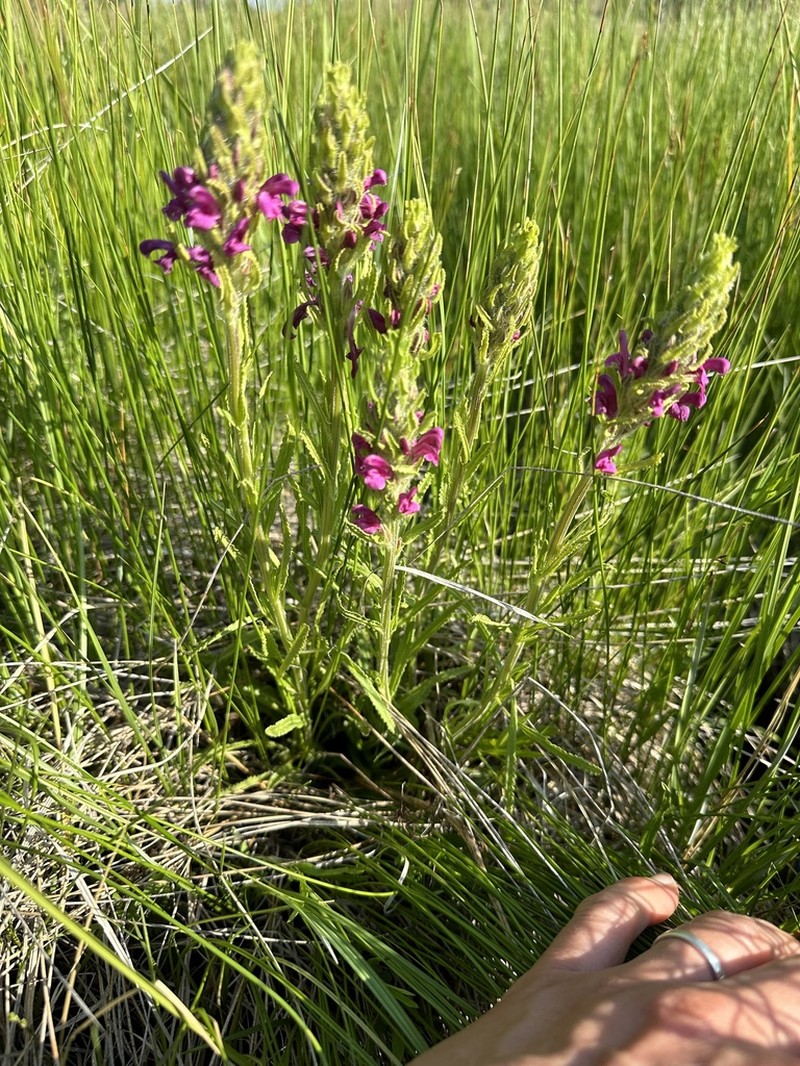
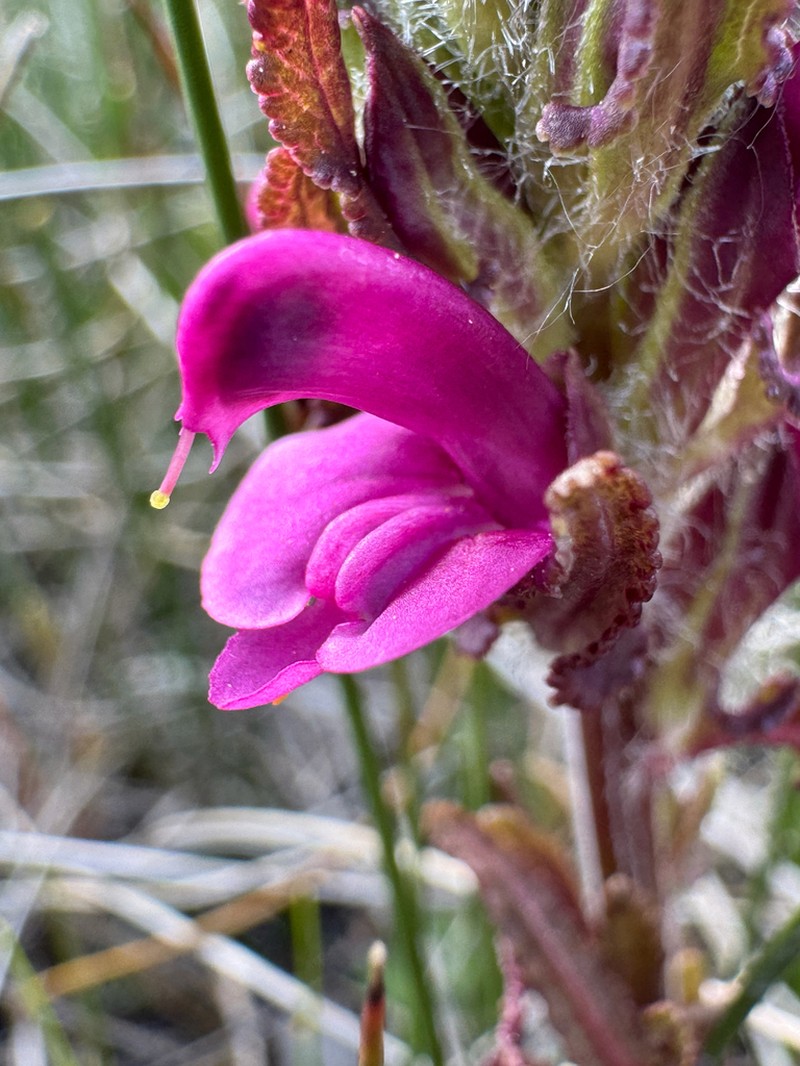
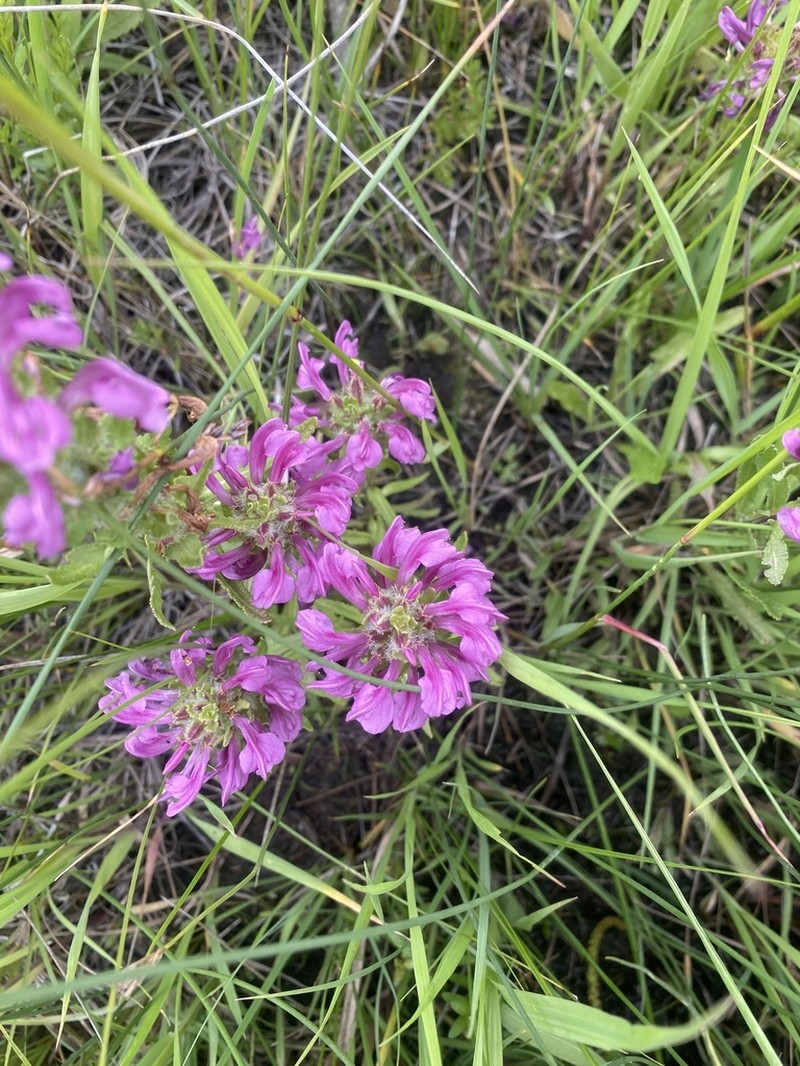
Meadow Lousewort
Pedicularis crenulata
- Native to:
- United States
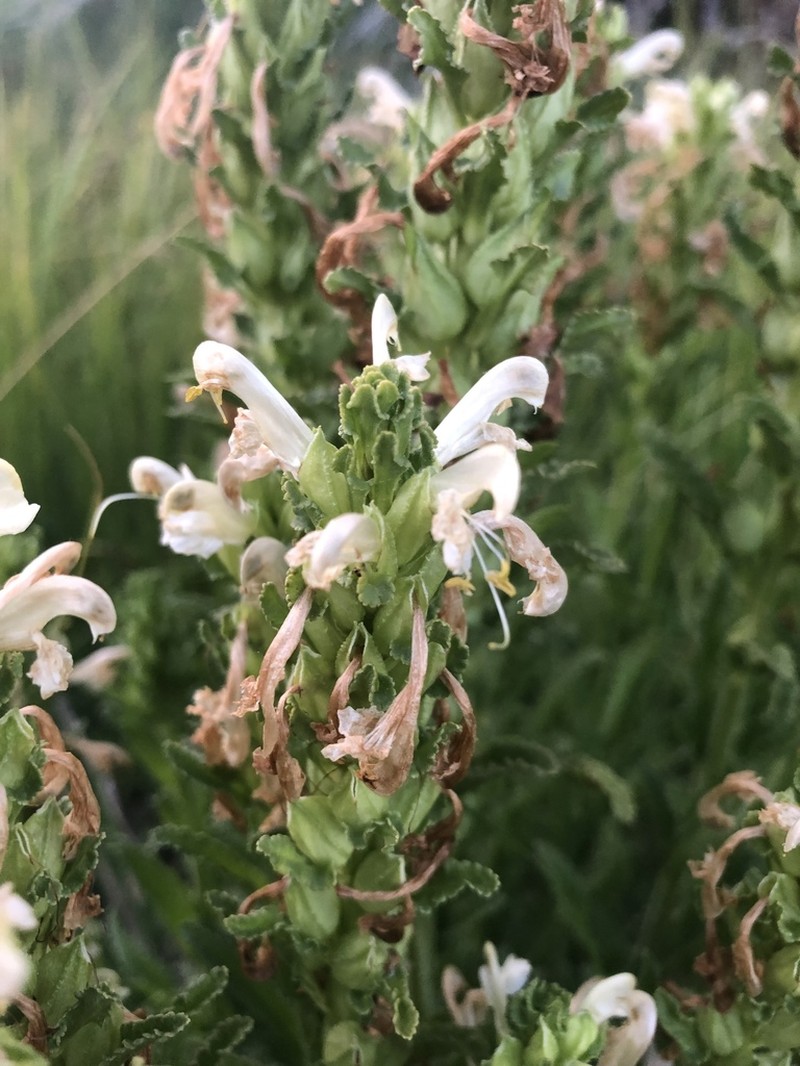
iNaturalist: © jordanwaits (iNaturalist #29713993)
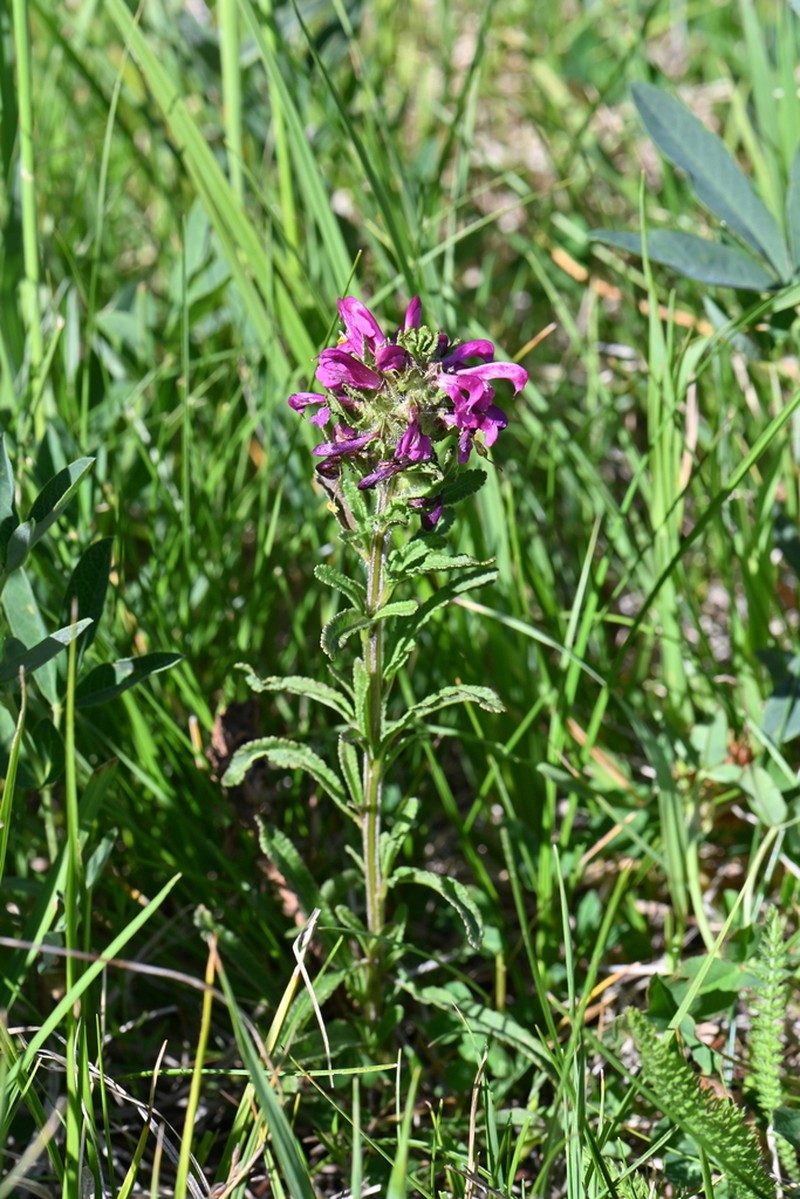
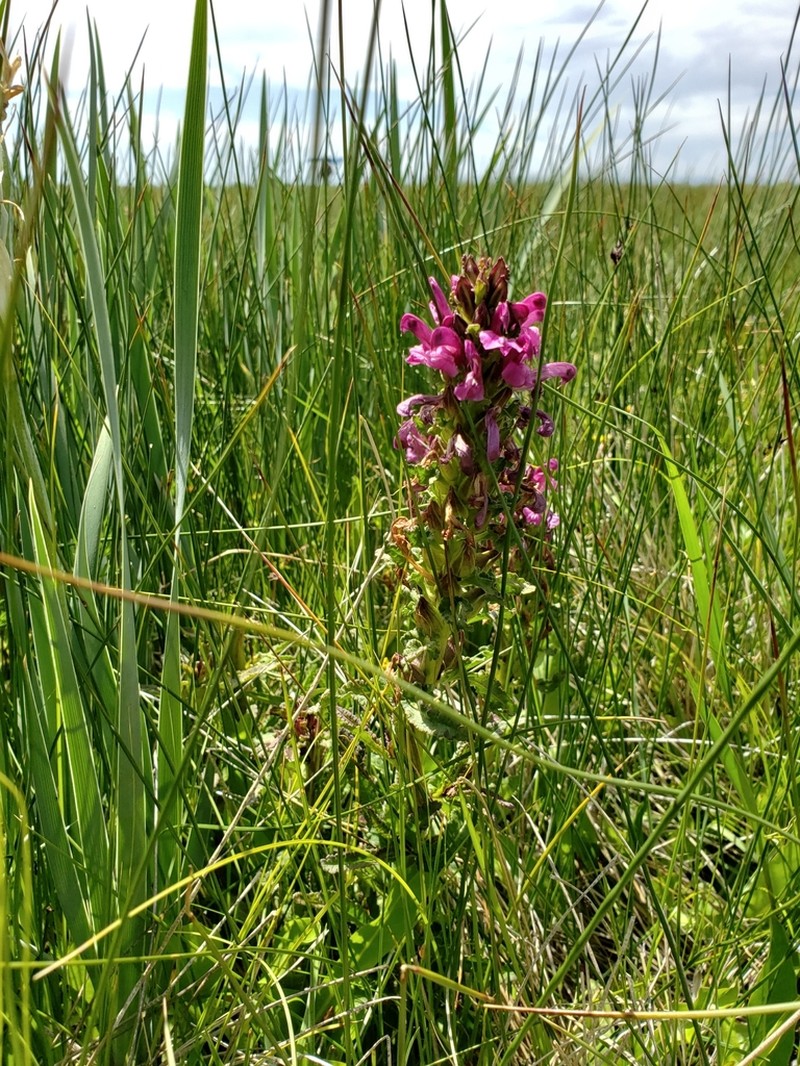
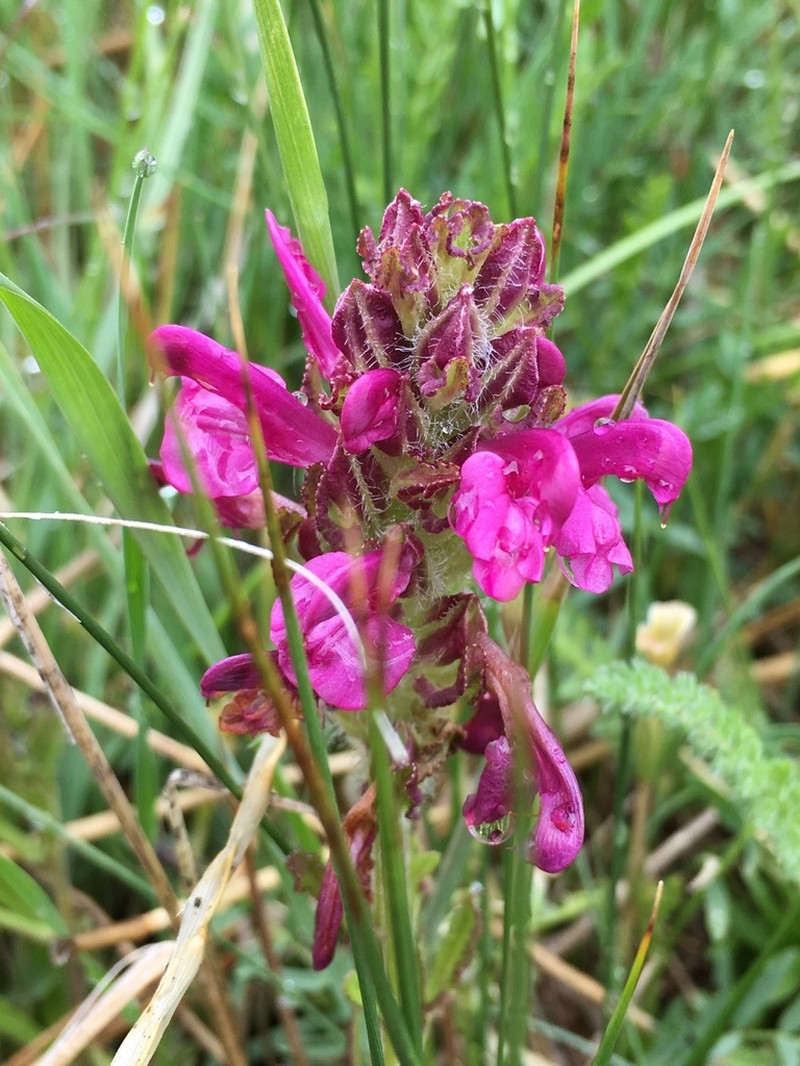
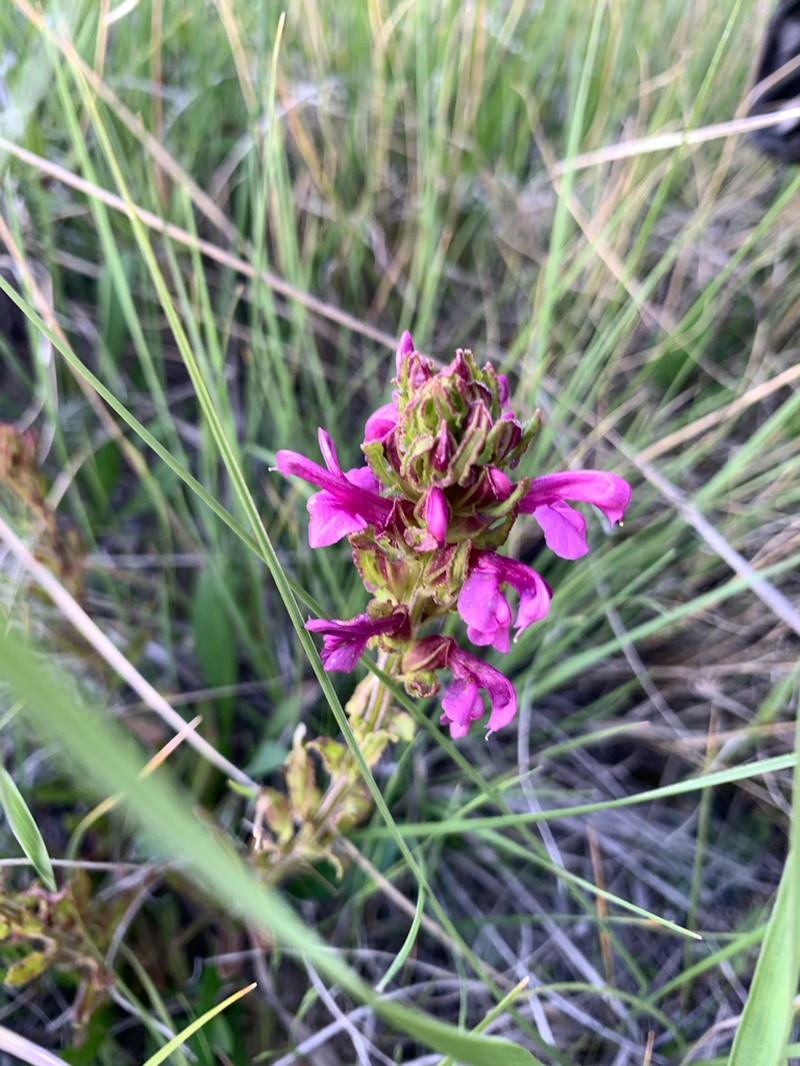
Taxonomy
- Division:
- Magnoliophyta | - Flowering plants
- Family:
- Orobanchaceae
- Genus:
- Pedicularis
- Species:
- Pedicularis crenulata
- USDA Symbol:
- PECR
Growth Characteristics
- Life Cycle:
- Perennial

- Growth Habit:
- Parasite
- Height:
- 41 cm

- Light Requirements:
- Full Sun

- Drought Tolerance:
- Low
- Bloom Months:
- may, jun, jul, aug
- Bloom Colors:
- white, pink, purple
Wildlife Benefits
- Bees:
- ★☆☆☆☆ Documented bee visitation (GBIF)
- Butterflies & Moths:
- ★☆☆☆☆ Documented Lepidoptera association (GBIF)
Garden & Ecology Notes
- Minimum Light:
- Part Sun
- Best Light:
- Full Sun
- Habitat:
- Meadow, Wetland, Riparian
- Wildlife Value:
- bees
- Ecology:
- A hemiparasite commonly found in alkaline wet meadows, fens, streamsides, and moist valley bottoms across the Intermountain West and southern Rocky Mountains. It attaches to host plant root systems via haustoria while maintaining photosynthetic capability, and is primarily pollinated by bumblebees.
Soil Requirements
- Soil:
- loam
- pH:
- 6.6 - 8.0 (neutral to alkaline)
- Drainage:
- moist to wet
- Moisture:
- moist to wet
- Notes:
- Associated with moist, alkaline to calcareous soils, often with high organic matter, frequently occurring in wet, peaty or marly substrates.
Propagation & Germination
- Notes:
- Seeds require cold-wet stratification to break physiological dormancy and typically exhibit enhanced development when germinated in the presence of host root exudates.
Pre-treatment: Cold-moist stratification for 30 days at 1–5°C (34–41°F).; then Cold-moist stratification for 60 days.
Source: Claude AI