
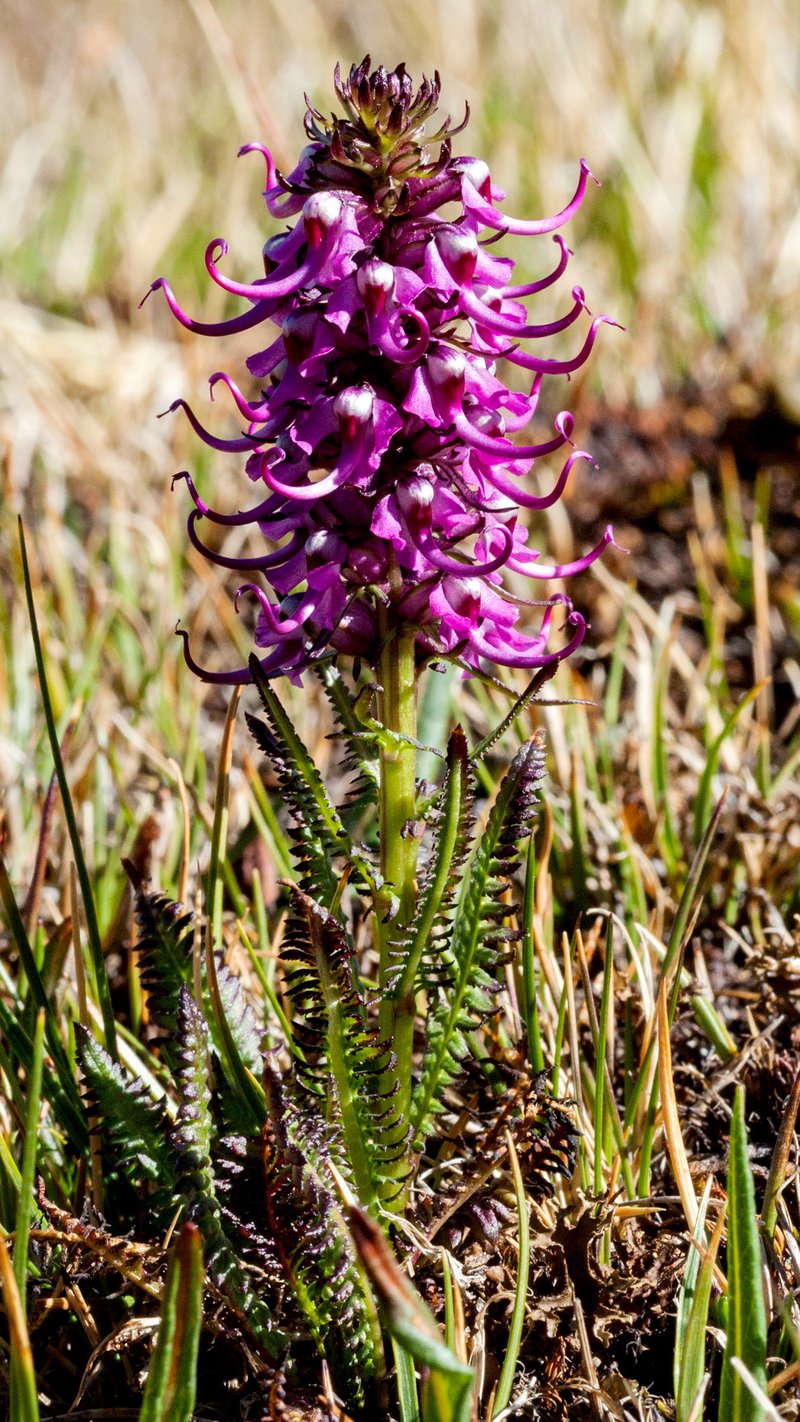
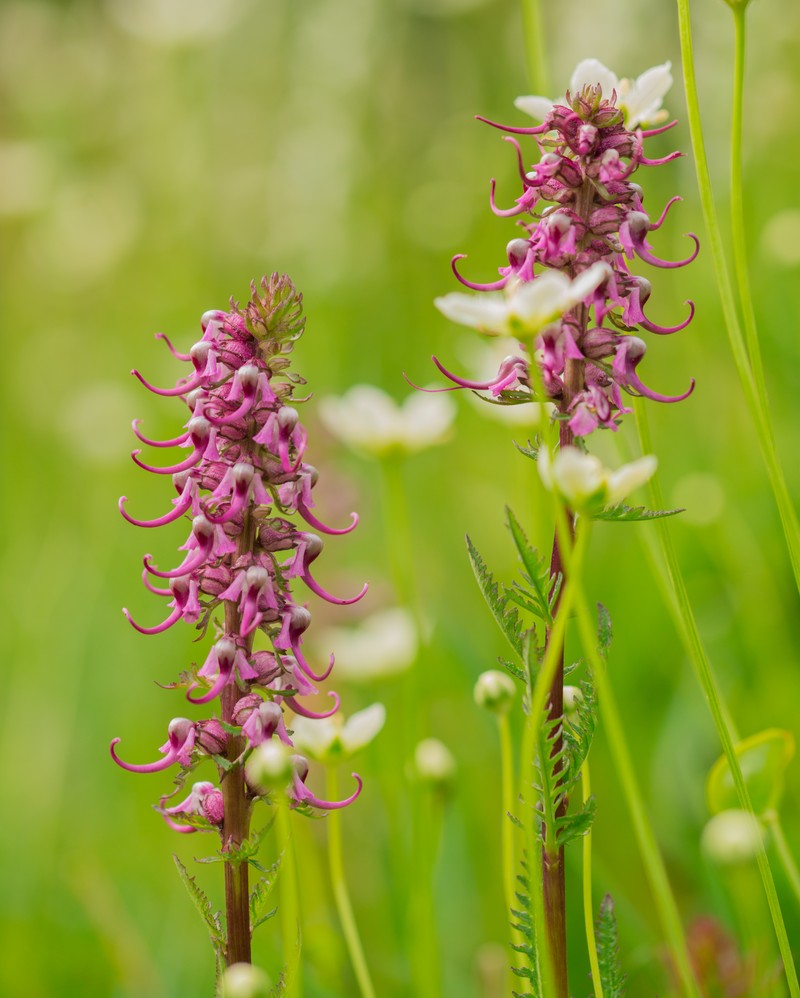
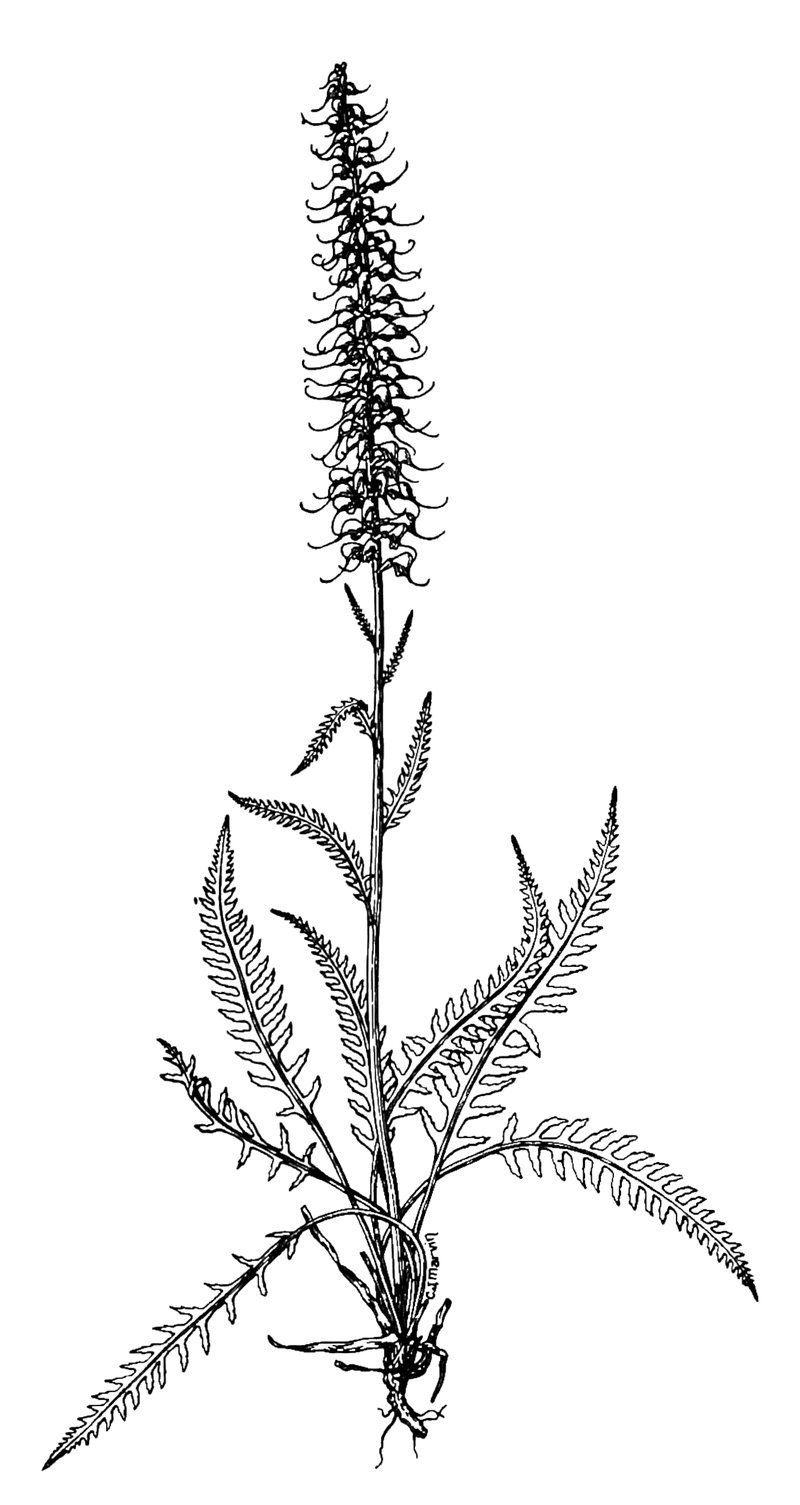
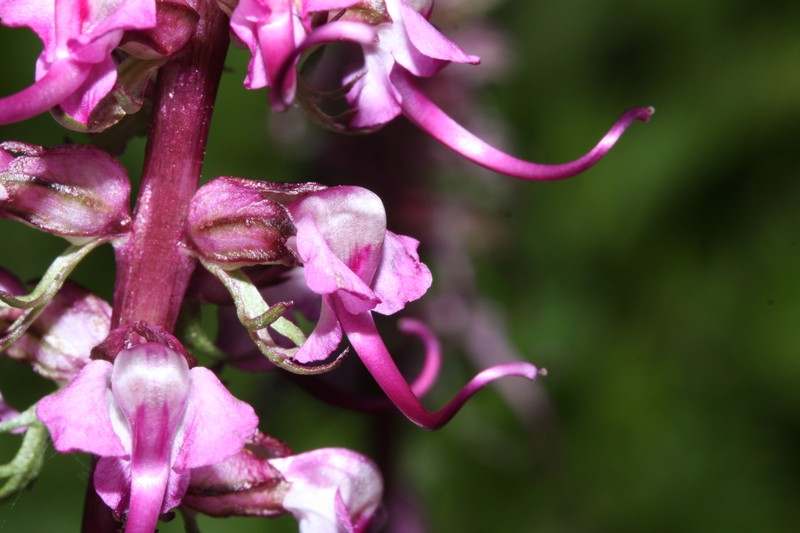
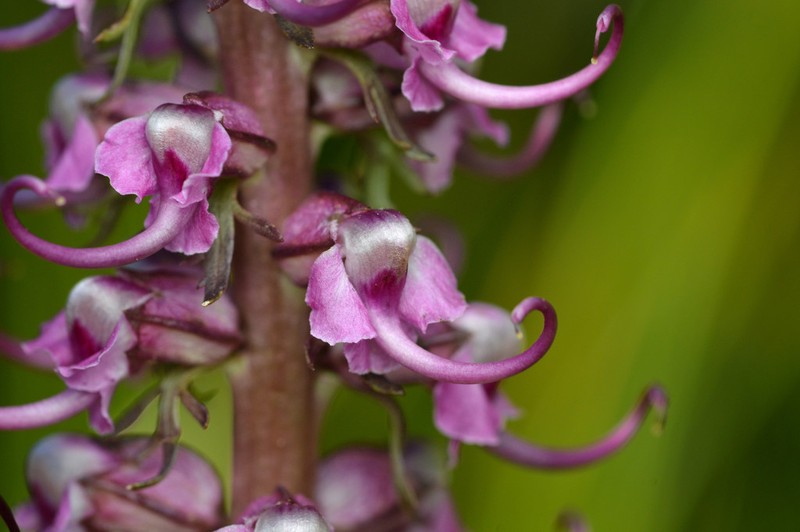
Elephanthead Lousewort
Pedicularis groenlandica
- Native to:
- Canada, Greenland, Labrador, United States
Will Brown (www.flickr.com)
Taxonomy
- Division:
- Magnoliophyta | - Flowering plants
- Family:
- Orobanchaceae
- Genus:
- Pedicularis
- Species:
- Pedicularis groenlandica
- USDA Symbol:
- PEGR2
Growth Characteristics
- Life Cycle:
- Perennial
- Growth Habit:
- Parasite
- Height:
- 60 cm
- Light Requirements:
- Full Sun
- Drought Tolerance:
- Low
- Bloom Months:
- jun,jul,aug
- Bloom Colors:
- pink, purple
Wildlife Benefits
- Bees:
- ★☆☆☆☆ Documented bee visitation (GBIF)
- Caterpillars:
- ★☆☆☆☆ Recorded caterpillar host plant (HOSTS Database)
Host Plant for Caterpillars
Reported Fauna Sightings
Garden & Ecology Notes
- Wildlife Value:
- bumblebees
Soil Requirements
- Soil Type:
- moist, nutrient-rich, organic soil
- pH:
- 5.5 - 7.0 (slightly acidic to neutral)
- Drainage:
- tolerates poor drainage
- Moisture:
- consistently moist
- Notes:
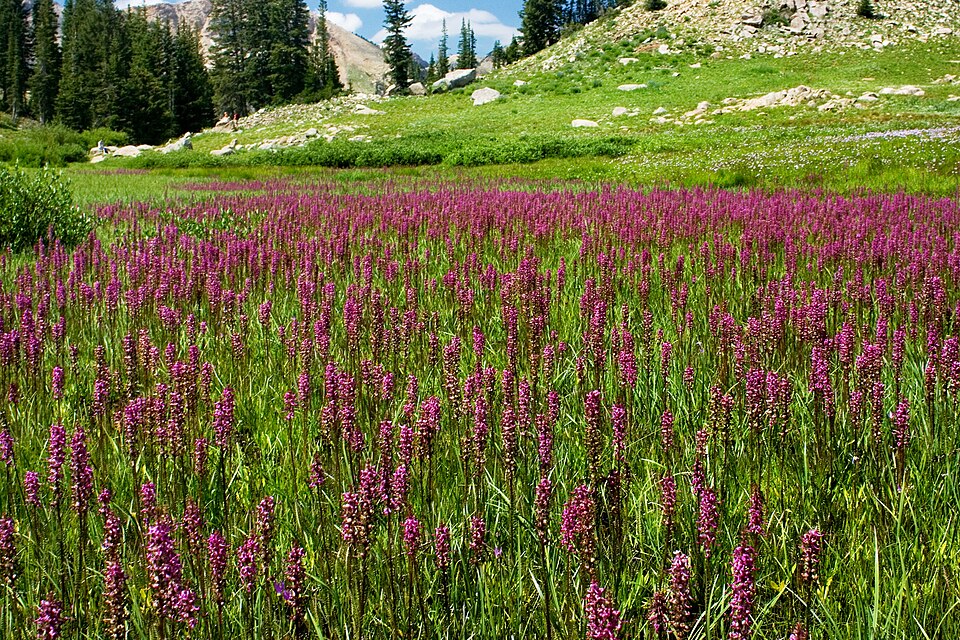
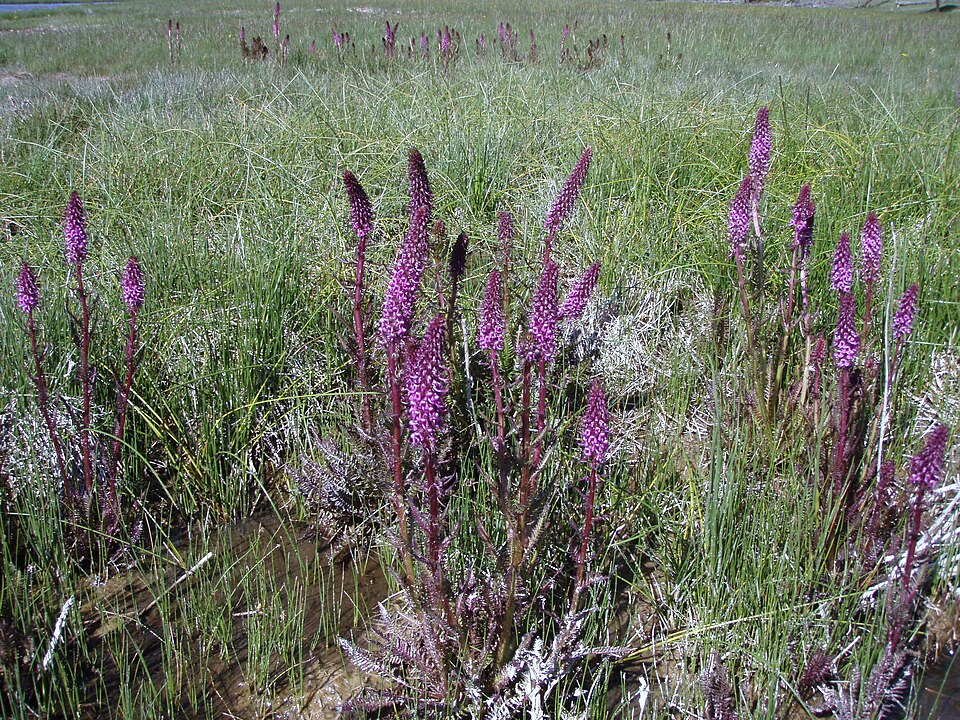
- Commonly found in wet meadows and bogs
Propagation & Germination
- Stratification:
- Cold/moist stratification required — 60–90 days
- Germination Time:
- 14–30 days
- Notes:
- Seeds require cold stratification for 60-90 days; surface sow on moist peat or sphagnum.
Pre-treatment: Seeds are treated with 200 ppm gibberellic acid for 24 hrs, then thoroughly rinsed with water. Seeds are then placed into a 90 to 100 day cold, moist stratification at 33.8 to 37.4°F. Some seeds begin to germinate during stratification and are planted as germinants.
Establishment: Seeds are collected in early fall when capsules turn brown and begin to dehisce. The plant prefers to grow in moist areas or meadow regions. There are regional variations in distribution, with the plant found in moist meadows from the prairie to the alpine; from Alaska south to California and New Mexico and east across Canada to Newfoundland. It also inhabits wet meadows, streambanks, and wetlands from mid-montane to alpine elevations.
Source: npn.rngr.net
Where to Buy
Nationwide Seller
- Native Seed Group (seeds)