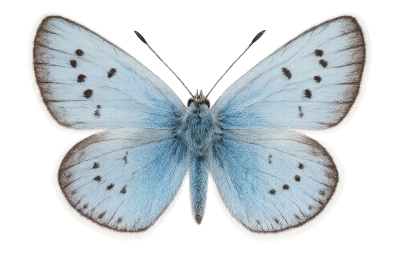
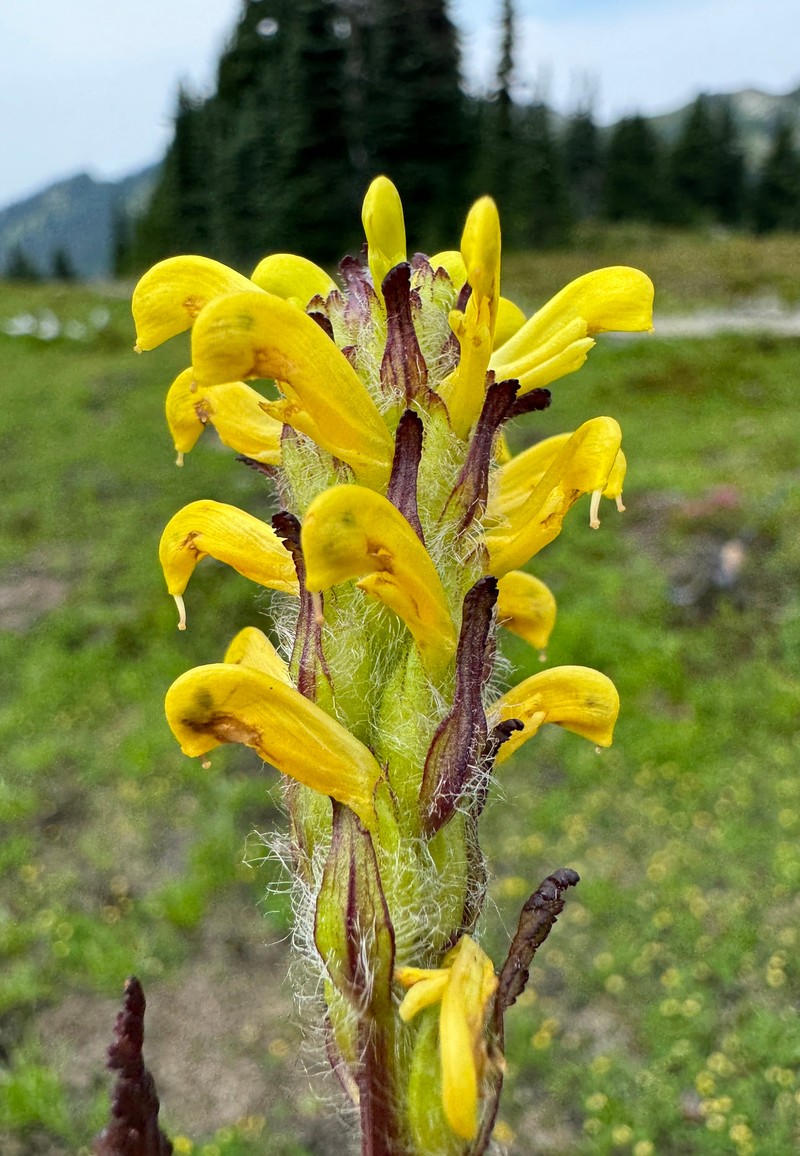
Mt. Rainier Lousewort
Pedicularis rainierensis
- Native to:
- United States
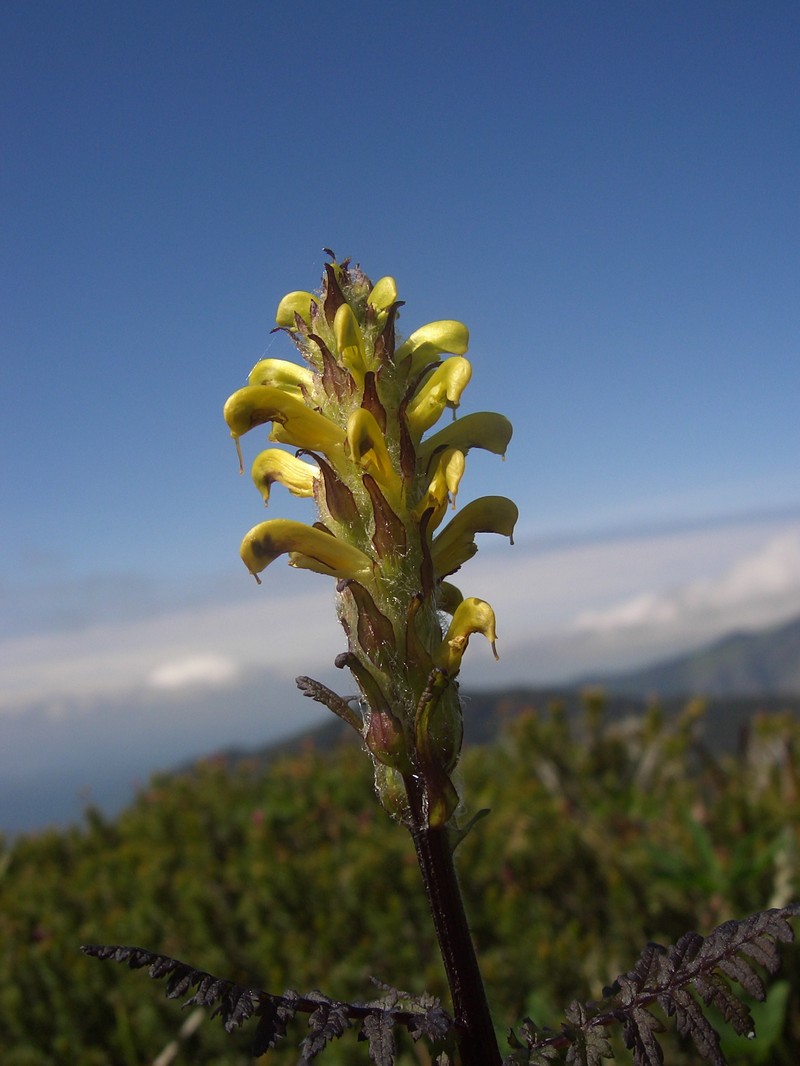
Ben Cody
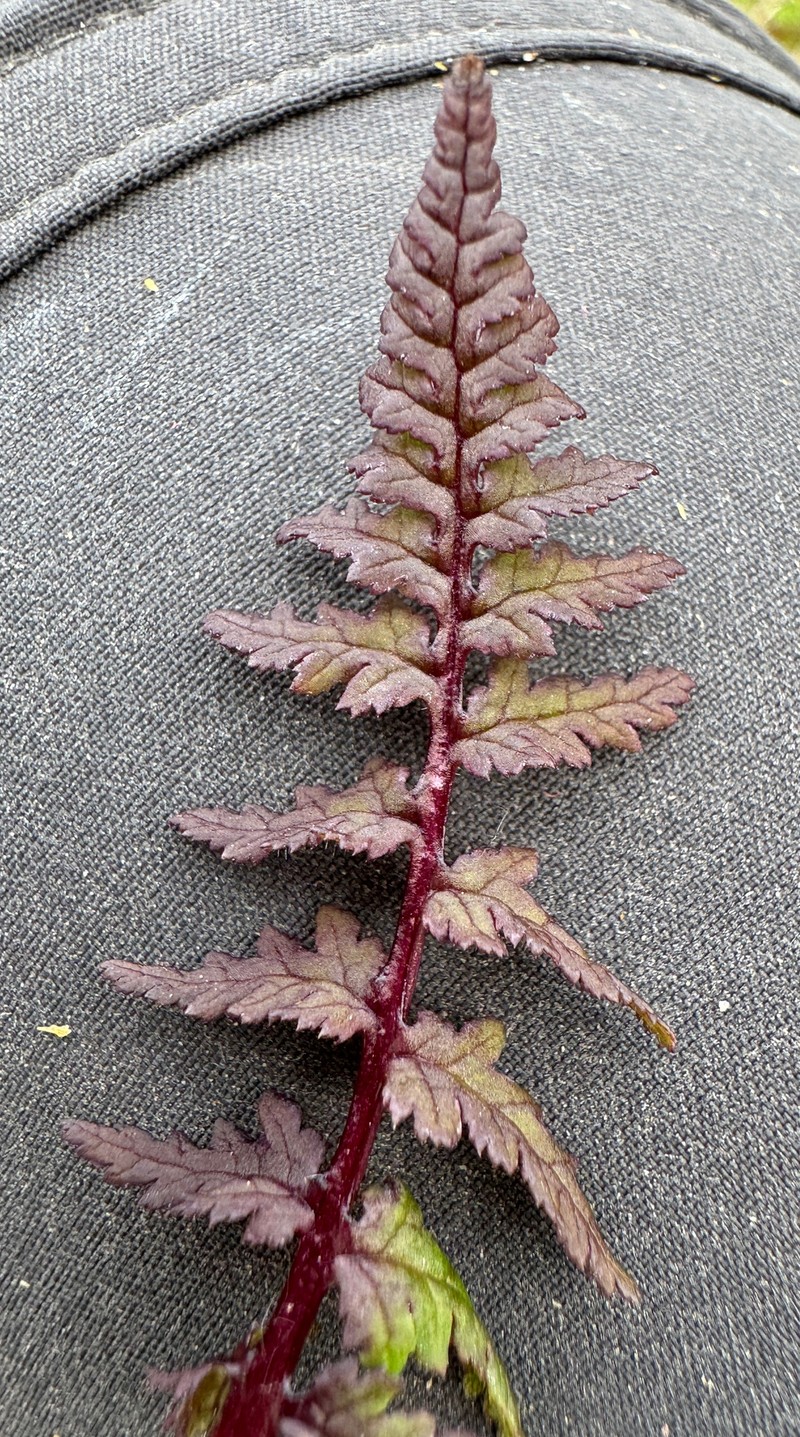
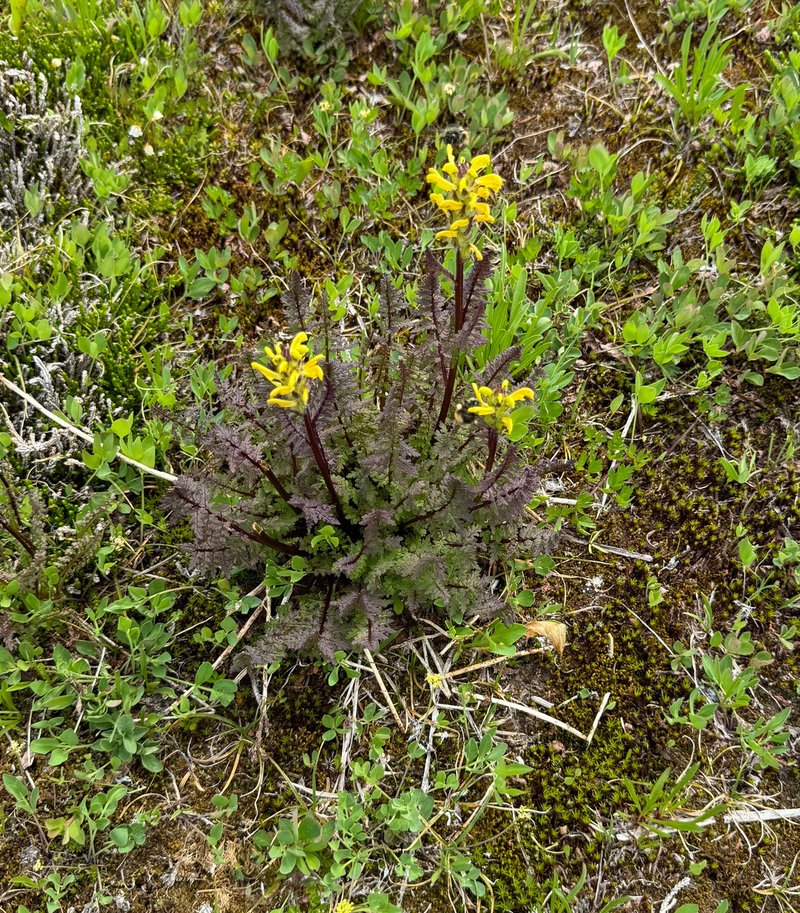
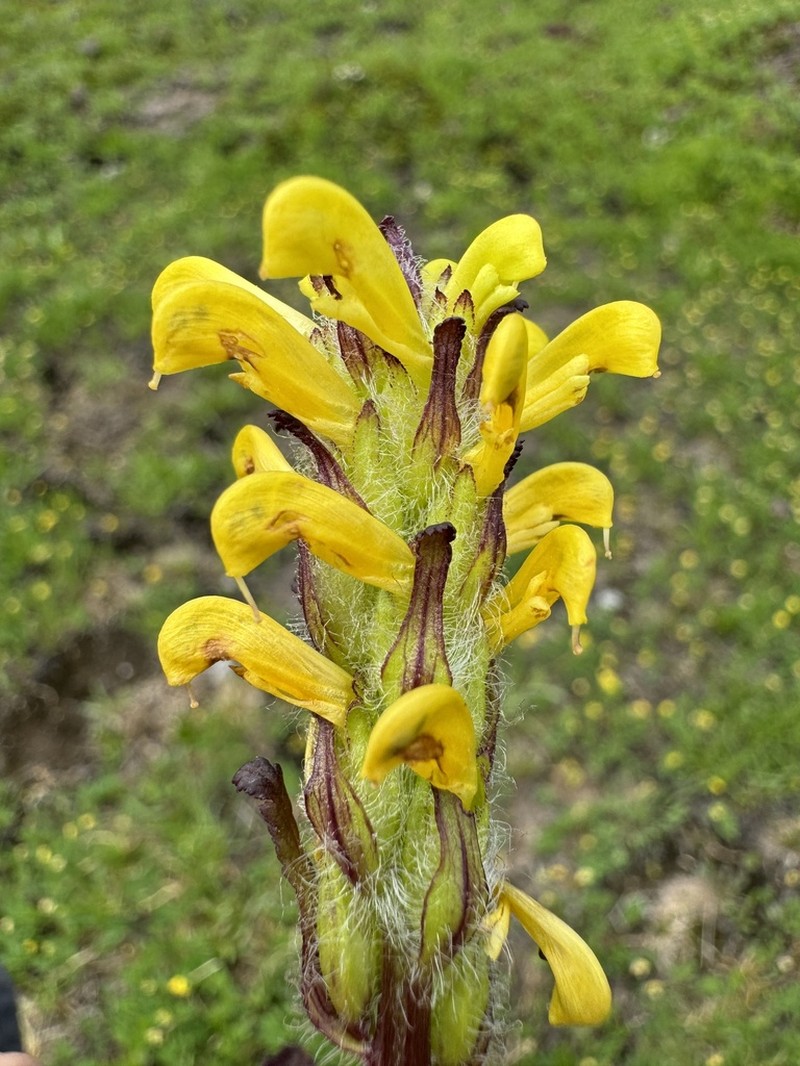
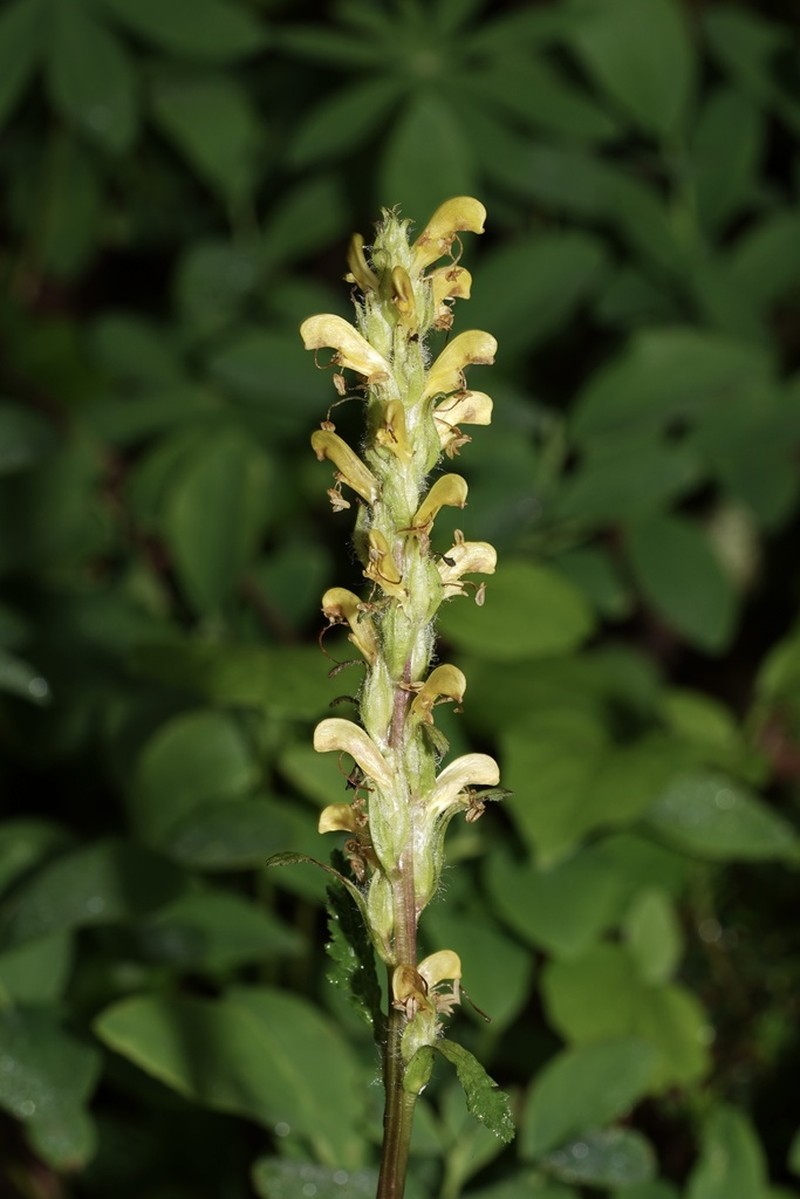
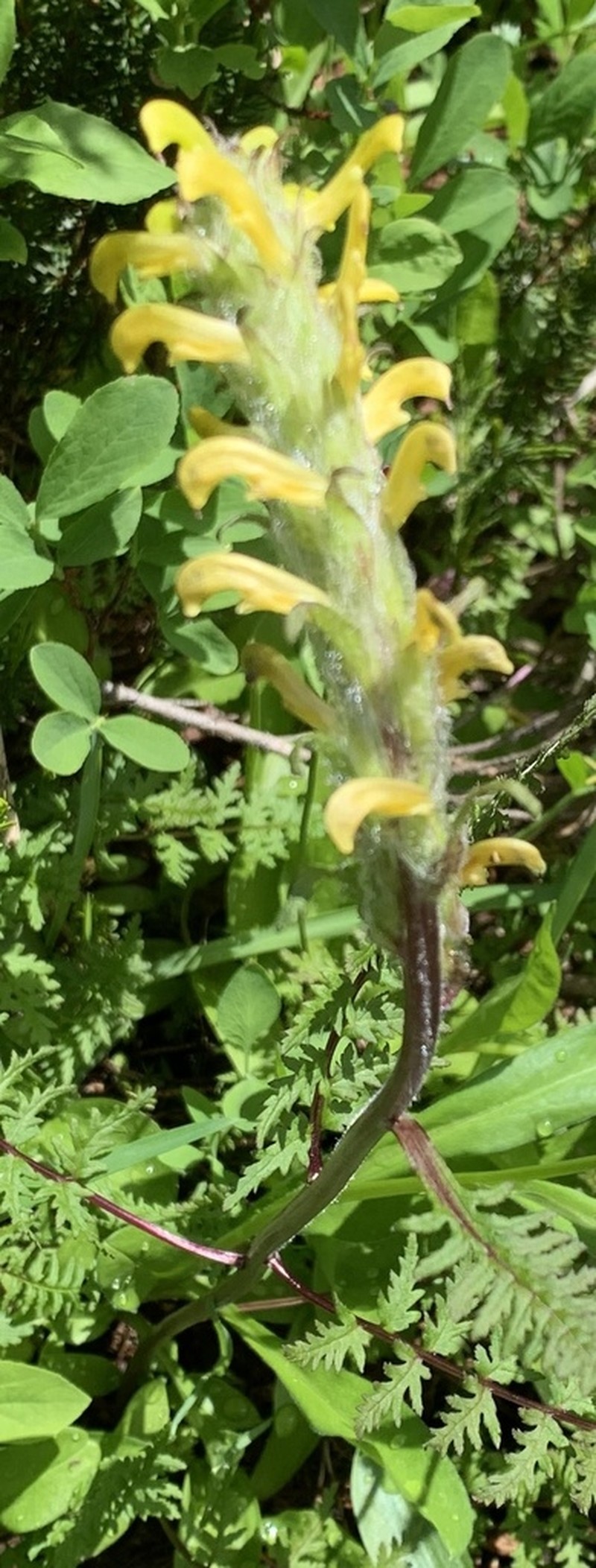
Taxonomy
- Division:
- Magnoliophyta | - Flowering plants
- Family:
- Orobanchaceae
- Genus:
- Pedicularis
- Species:
- Pedicularis rainierensis
- USDA Symbol:
- PERA6
Growth Characteristics
- Life Cycle:
- Perennial

- Growth Habit:
- Parasite
- Height:
- 41 cm

- Light Requirements:
- Part Shade

- Drought Tolerance:
- Low
- Bloom Months:
- jun, jul, aug
- Bloom Colors:
- yellow
Wildlife Benefits
- Bees:
- ★☆☆☆☆ Documented bee visitation (GBIF)
- Butterflies & Moths:
- ★☆☆☆☆ Documented Lepidoptera association (GBIF)
Garden & Ecology Notes
- Minimum Light:
- Part Sun
- Best Light:
- Full Sun, Part Sun
- Habitat:
- Alpine, Meadow
- Wildlife Value:
- bees
- Ecology:
- Endemic to Mount Rainier and the surrounding Cascade Range in Washington, where it grows in moist subalpine and alpine meadows. As a hemiparasite, it attaches to the root systems of neighboring plants via haustoria to supplement water and nutrient uptake.
Soil Requirements
- Soil:
- loam — also tolerates rocky
- pH:
- acidic to neutral
- Drainage:
- moist
- Moisture:
- moist to wet
- Notes:
- Grows in moist to wet gravelly, sandy, or peaty soils, often fed by snowmelt or seepage over volcanic substrates.
Propagation & Germination
- Notes:
- Requires cold-moist stratification to break seed dormancy and depends on proximity to suitable host roots for successful long-term establishment.
Pre-treatment: Cold-moist stratification for 30 days at 1–5°C (34–41°F).; then Cold-moist stratification for 60 days.
Source: Claude AI