
Little Yellow Rattle
Rhinanthus minor
- Native to:
- Albania, Austria, Baltic States, Belarus, Belgium, Bulgaria, Czechia-Slovakia, Denmark, Finland, Føroyar, France, Germany, Great Britain, Greece, Hungary, Iceland, Ireland, Italy, Kazakhstan, Krym, Labrador, Netherlands, North Caucasus, Norway, NW. Balkan Pen., Poland, Portugal, Romania, Russia, Spain, Sweden, Switzerland, Ukraine, United States
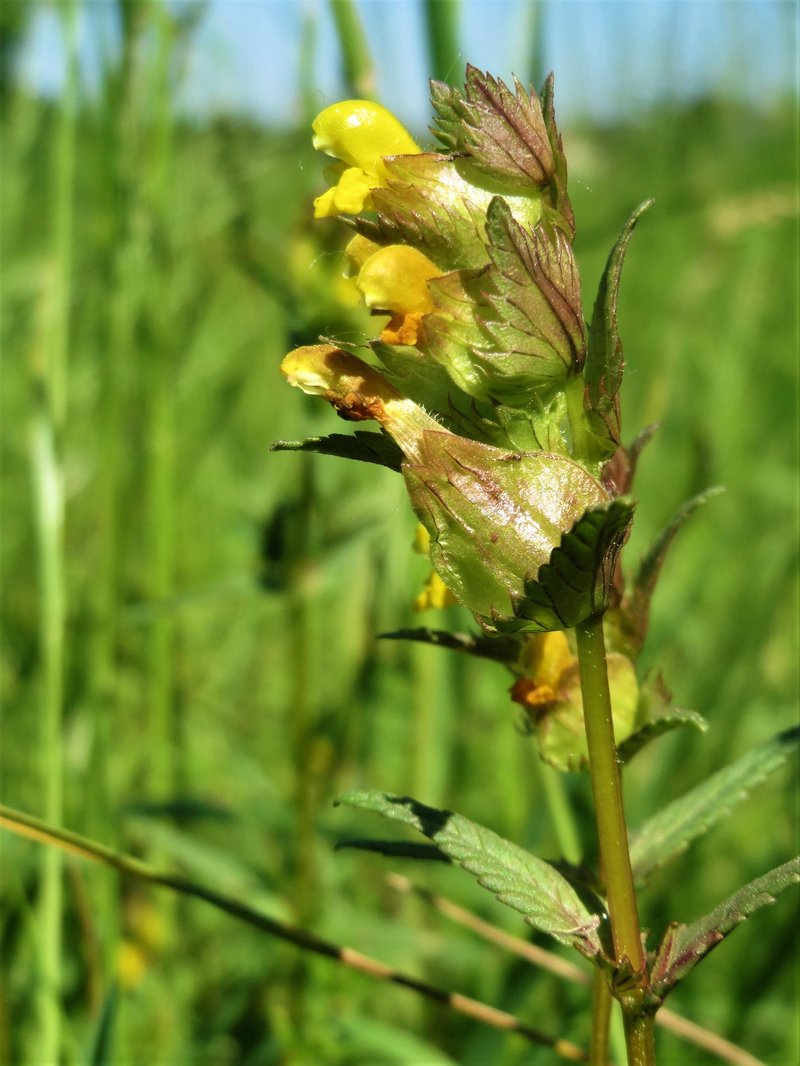
Didier Descouens
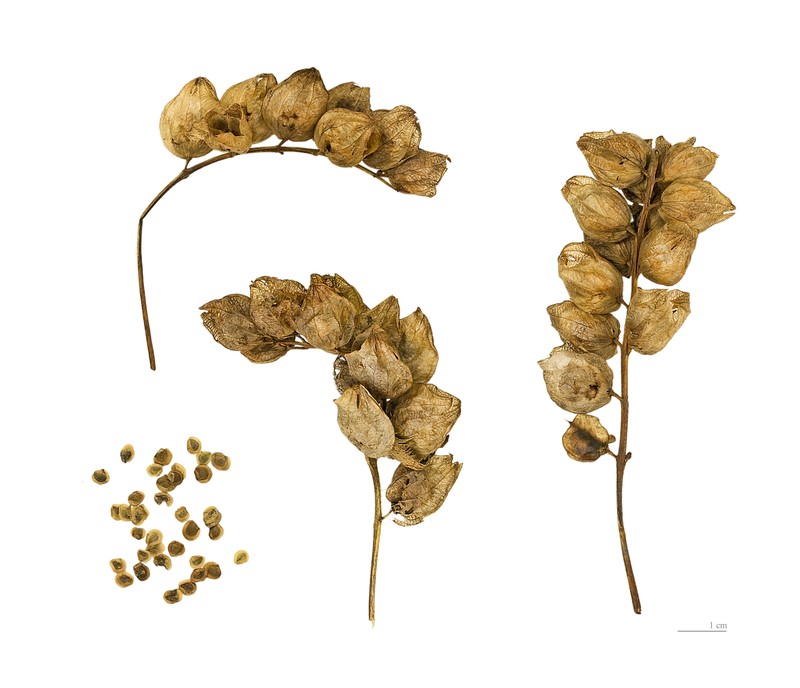
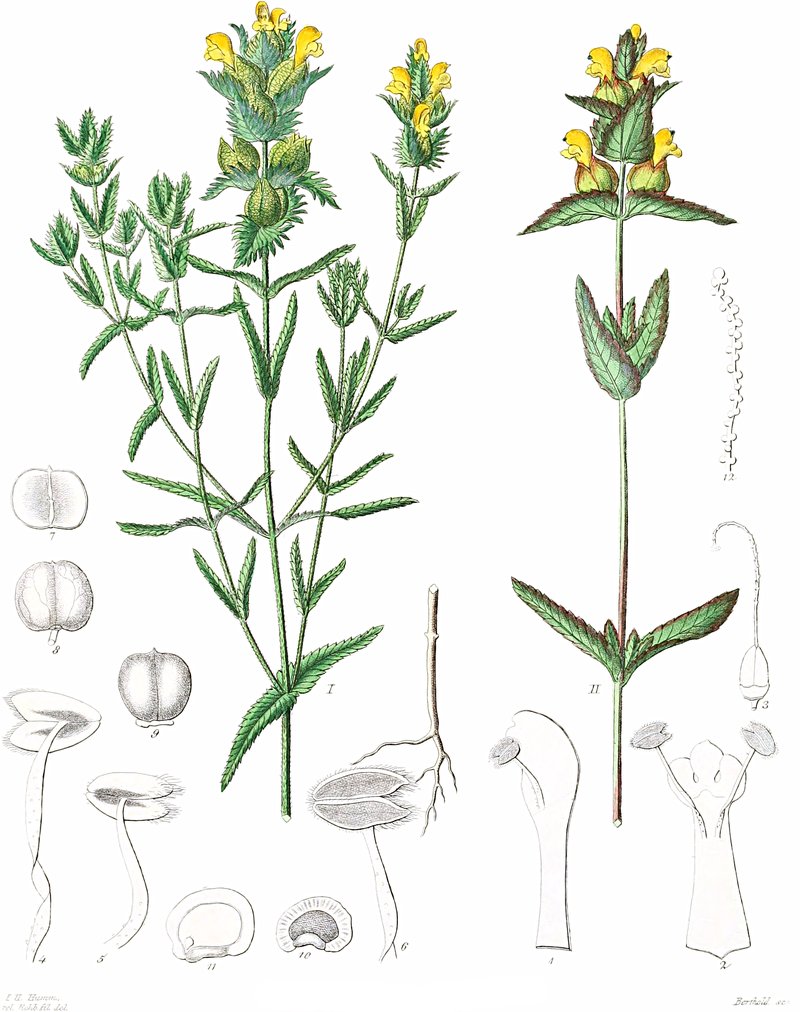
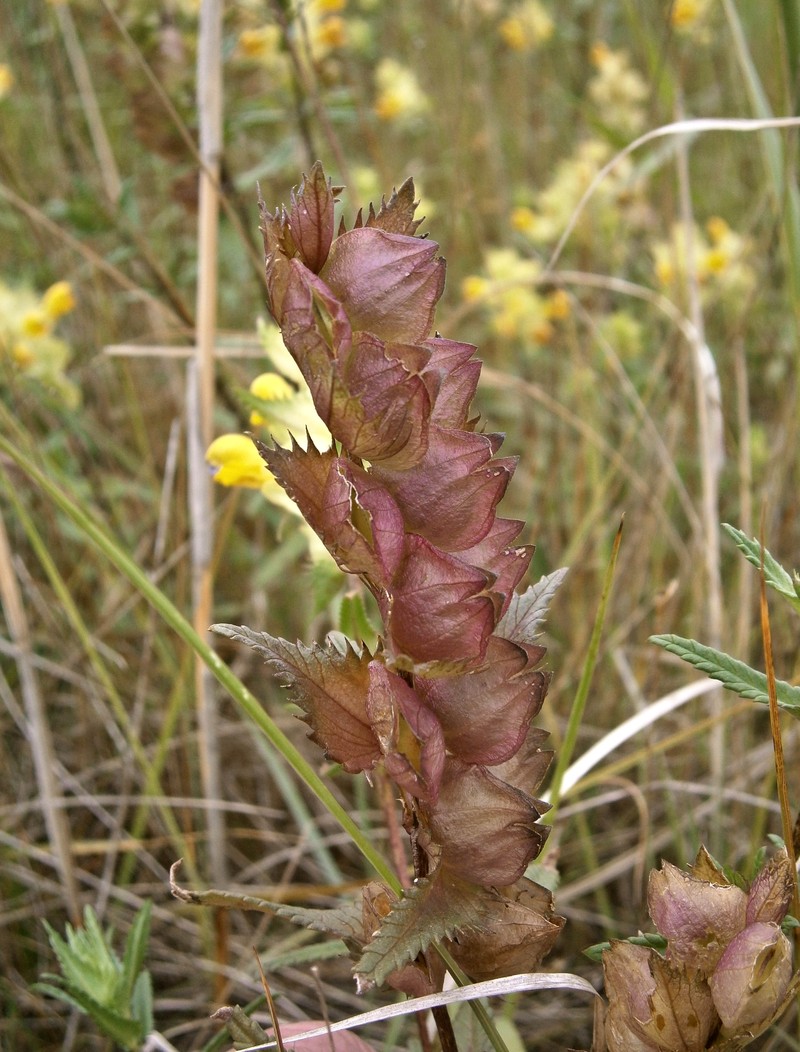
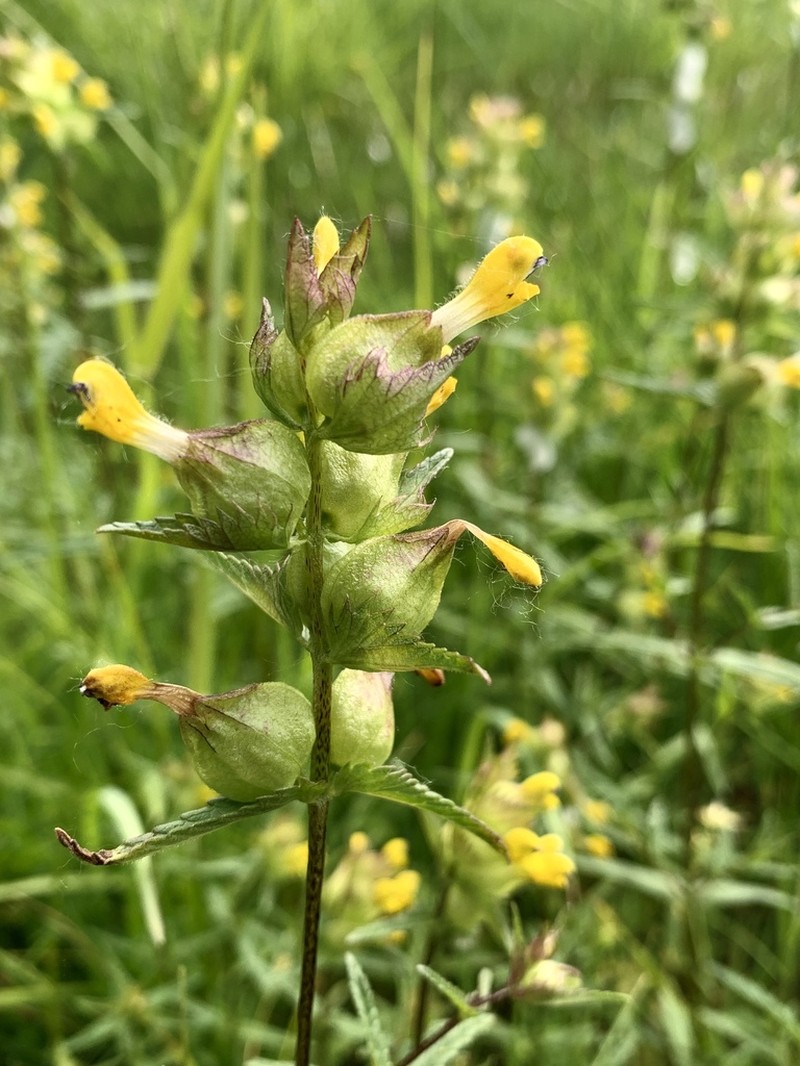
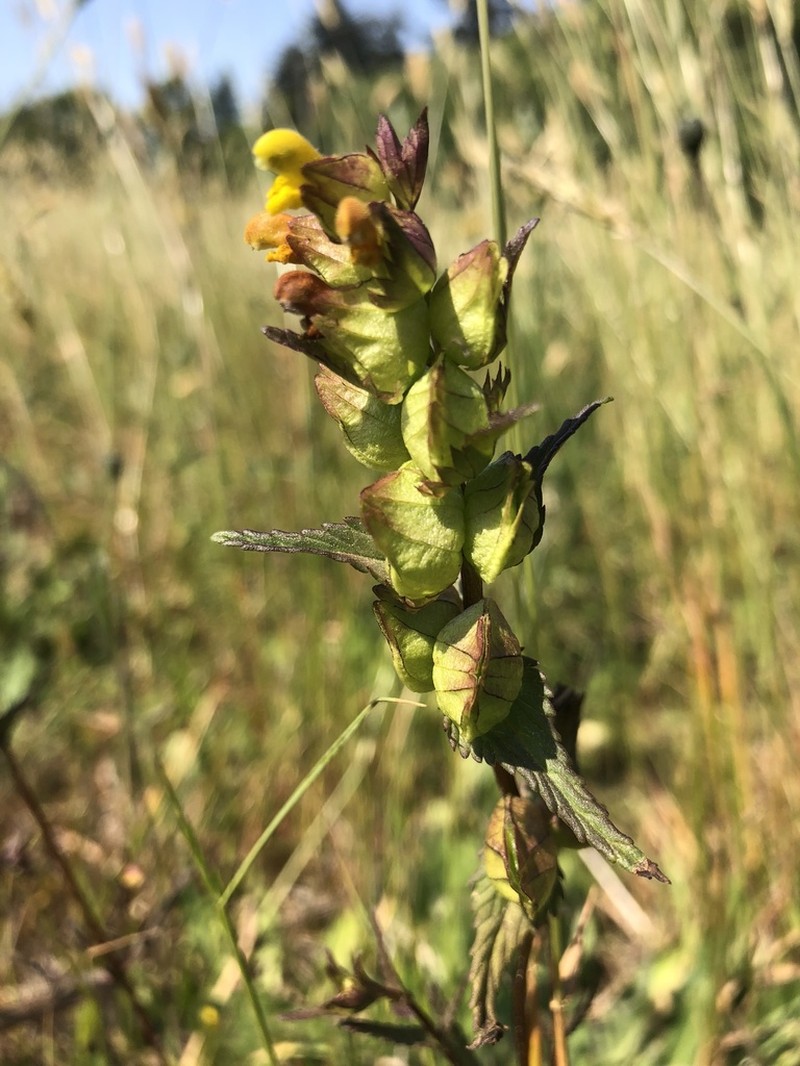
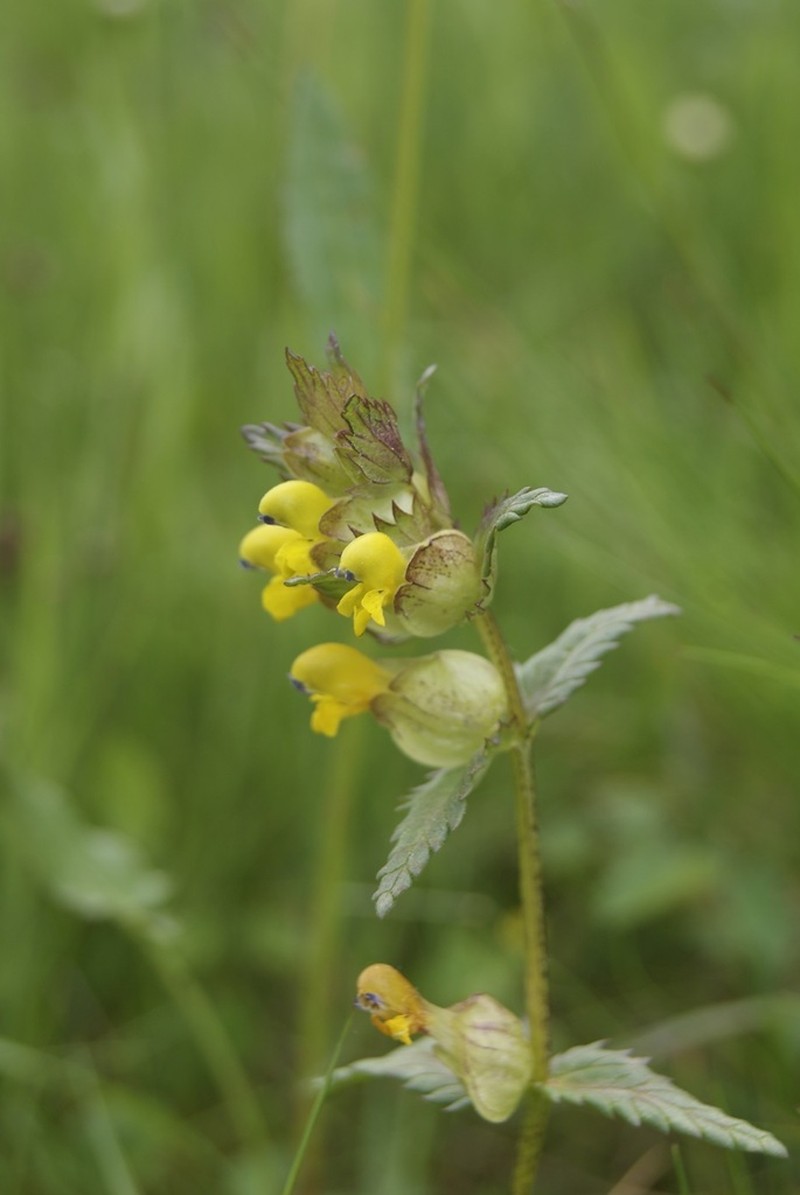
Taxonomy
- Division:
- Magnoliophyta | - Flowering plants
- Family:
- Orobanchaceae
- Genus:
- Rhinanthus
- Species:
- Rhinanthus minor
- USDA Symbol:
- RHMI13
Growth Characteristics
- Life Cycle:
- Annual
- Growth Habit:
- Forb/herb
- Height:
- 50 cm
- Light Requirements:
- Full Sun
- Drought Tolerance:
- Low
- Bloom Months:
- jun,jul,aug
- Bloom Colors:
- yellow
Wildlife Benefits
- Bees:
- ★☆☆☆☆ Documented bee visitation (GBIF)
- Butterflies & Moths:
- ★★★☆☆ Documented Lepidoptera association (GBIF)
Reported Fauna Sightings
Bees: Two-form bumble bee (Bombus bifarius)
Garden & Ecology Notes
- Wildlife Value:
- bees
Soil Requirements
- Soil Type:
- poor, sandy, well-drained soil
- pH:
- 5.5 - 7.5 (slightly acidic to neutral)
- Drainage:
- excellent drainage required
- Moisture:
- dry to moderate
- Notes:
- often found in meadows and grasslands
Propagation & Germination
- Stratification:
- Cold/moist stratification required — 30–60 days
- Germination Time:
- 14–30 days
- Notes:
- Seeds require cold stratification for 4-8 weeks to break dormancy.
Pre-treatment: Cold-moist stratification for 30 days at 1–5°C (34–41°F).
Source: Claude AI
ORGHPS Germination Guide: Sow at 4°C for 3 months, then place @ 20°C for 3 months. * parasitic, can survive and produce seed without host grass or clover but plants will be small; sow with caution in North America as it may become invasive