
California Poppy
Eschscholzia californica
- Native to:
- United States
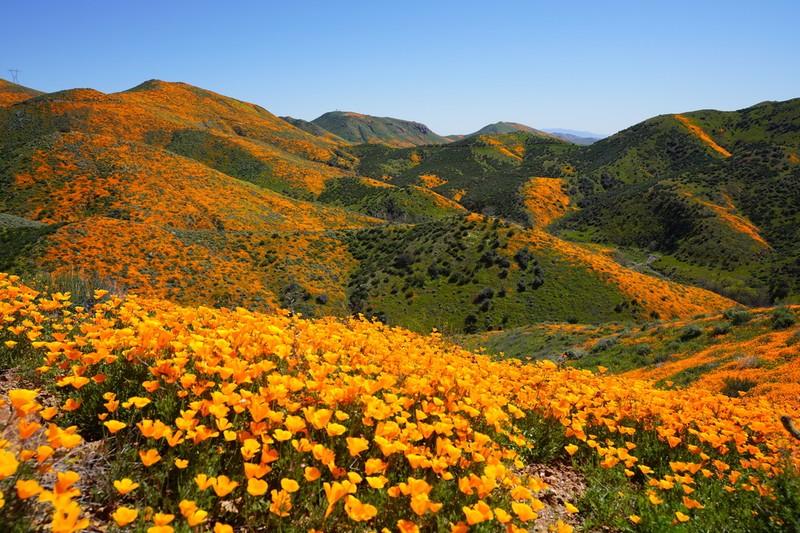
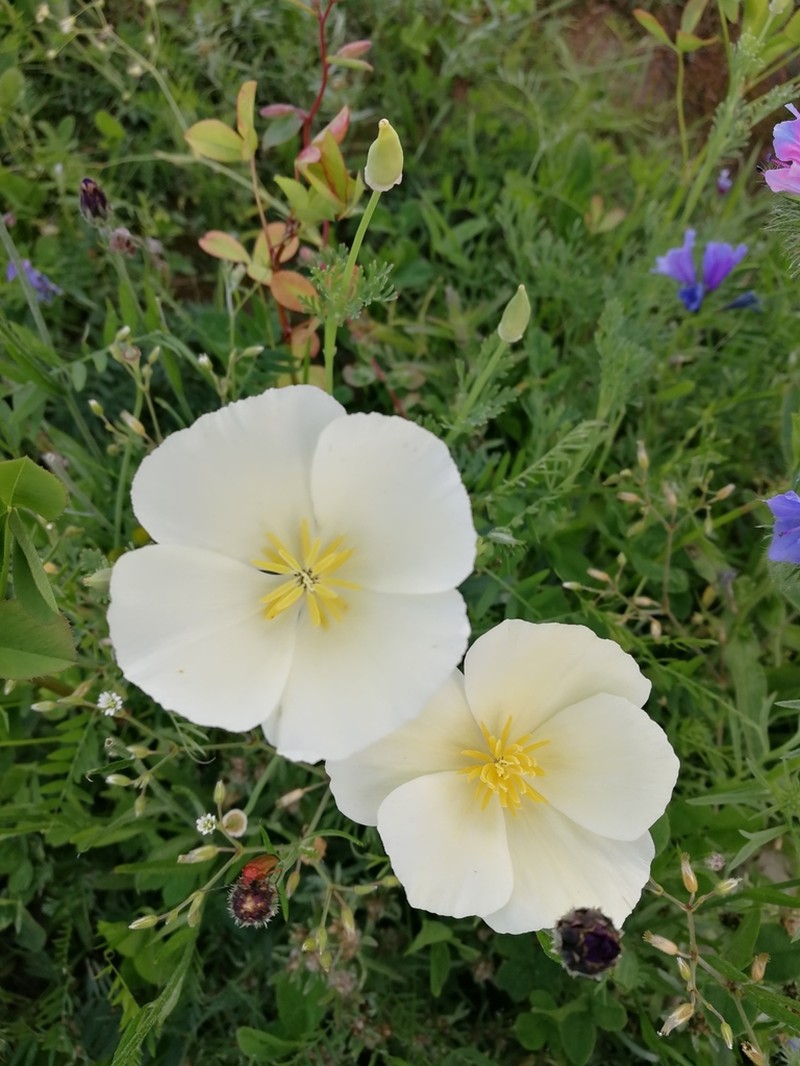
iNaturalist: © ekoberle (iNaturalist #21372472)
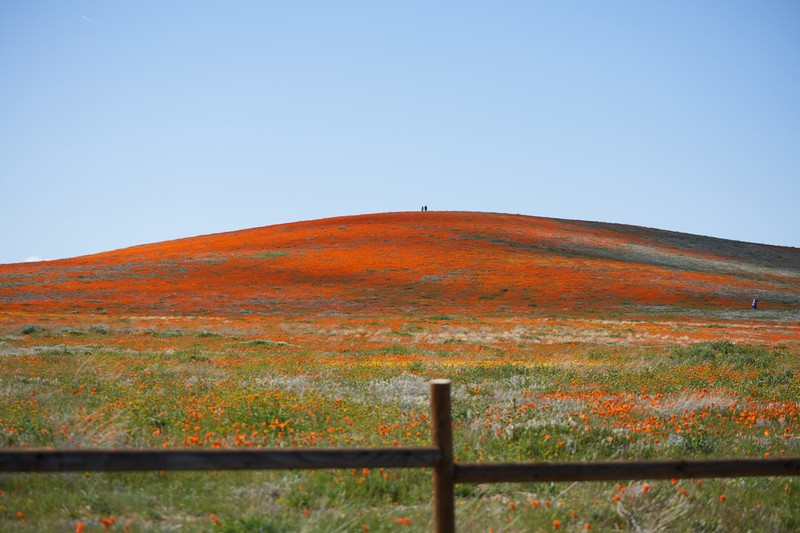
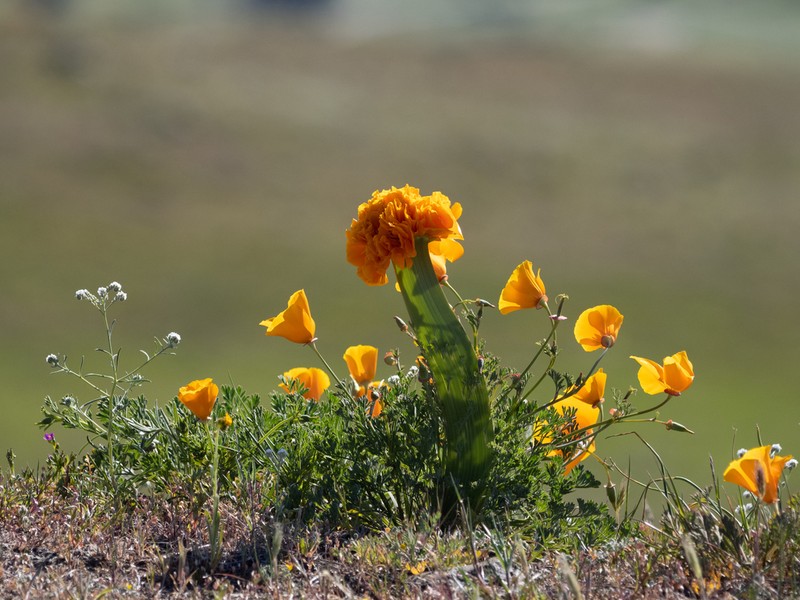
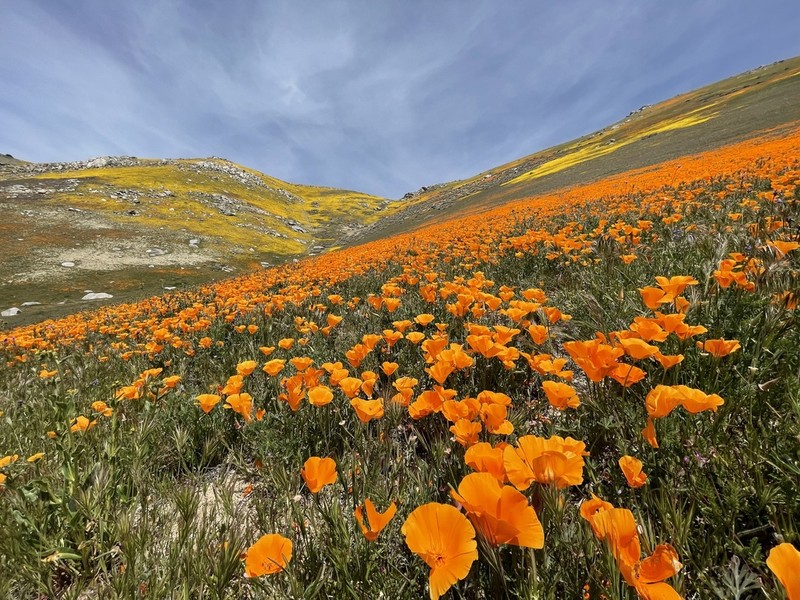
Taxonomy
- Division:
- Magnoliophyta | - Flowering plants
- Family:
- Papaveraceae
- Genus:
- Eschscholzia
- Species:
- Eschscholzia californica
- USDA Symbol:
- ESCA2
Growth Characteristics
- Life Cycle:
- Annual | Perennial
- Growth Habit:
- Forb/herb
- Height:
- 60 cm
- Light Requirements:
- Full Sun
- Drought Tolerance:
- High
- Bloom Months:
- feb,mar,apr,may,jun,jul,aug,sep,oct
- Bloom Colors:
- orange, yellow, red, pink, white
Wildlife Benefits
- Bees:
- ★★☆☆☆ Documented bee visitation (GBIF)
- Butterflies & Moths:
- ★★★★★ Documented Lepidoptera association (GBIF)
- Caterpillars:
- ★★☆☆☆ Recorded caterpillar host plant (HOSTS Database)
- Hummingbirds:
- ★☆☆☆☆ Documented hummingbird visits (GBIF)
Host Plant for Caterpillars
Cabbage looper (Trichoplusia ni), omnivorous leaftier (Cnephasia longana), Synanthedon polygoni, Acmon blue (Plebejus acmon), Dotted Blue (Euphilotes enoptes), ⚠️Mormon metalmark (Apodemia mormo), 🛑Neurona Blue (Plebejus neurona)
Reported Fauna Sightings
Bees: American bumble bee (Bombus pensylvanicus), Bombus californicus, Bombus sonorus, Plebeia emerina, Pyrobombus Dalla, Red-belted bumble bee (Bombus rufocinctus), Western bumble bee (Bombus occidentalis), ⚠️Western honey bee (Apis mellifera), Yellow bumble bee (Bombus fervidus) Hummingbirds: Anna's Hummingbird (Calypte anna) Moths:Neoterpes edwardsata Butterflies:Variable checkerspot (Euphydryas chalcedona)
Garden & Ecology Notes
- Wildlife Value:
- bees, butterflies, birds
- Deer Resistant:
- Yes
- Fire Ecology:
- Fire adapted — tolerates or benefits from fire
- Fire Notes:
- Seeds are stimulated by heat and smoke; post-fire germination is common in chaparral ecosystems.
Soil Requirements
- Soil Type:
- sandy, well-drained, nutrient-poor soil
- pH:
- 6.0 - 8.0 (slightly acidic to neutral)
- Drainage:
- excellent drainage required
- Moisture:
- dry to moderate
- Notes:
- thrives in open, sunny areas; drought-tolerant
Propagation & Germination
- Stratification:
- Cold/moist stratification required — 14–30 days
- Germination Time:
- 7–21 days
- Notes:
- Seeds germinate best with light; surface sow and do not cover. Cold stratification improves germination but is not strictly required.
Pre-treatment: None required
Establishment: Seeds are collected between May 1st and August 30th. Mature capsules are brown. Seed is dark grey at maturity. E. californica is found from the coast to the foothills of the Sierra Nevada; from southern California to Columbia River Gorge, Washington. It is a variable species; some populations are annual while others are short lived perennials.
Source: npn.rngr.net
ORGHPS Germination Guide: Sow @ 20C. Germinates within 3 months.
Where to Buy
Nationwide Seller
- Native Seed Group (seeds)
- Native Seed Group (seeds)
- Sheffield's Seed (seeds)
- Vermont Wildflower Farm (nursery and seeds)