
Philydrum lanuginosum
Philydrum lanuginosum
- Native to:
- Andaman Is., Australia, Borneo, Caroline Is., China, Federated States of Micronesia, Malaya, Myanmar, Nansei-shoto, New Guinea, Taiwan, Thailand, Vietnam
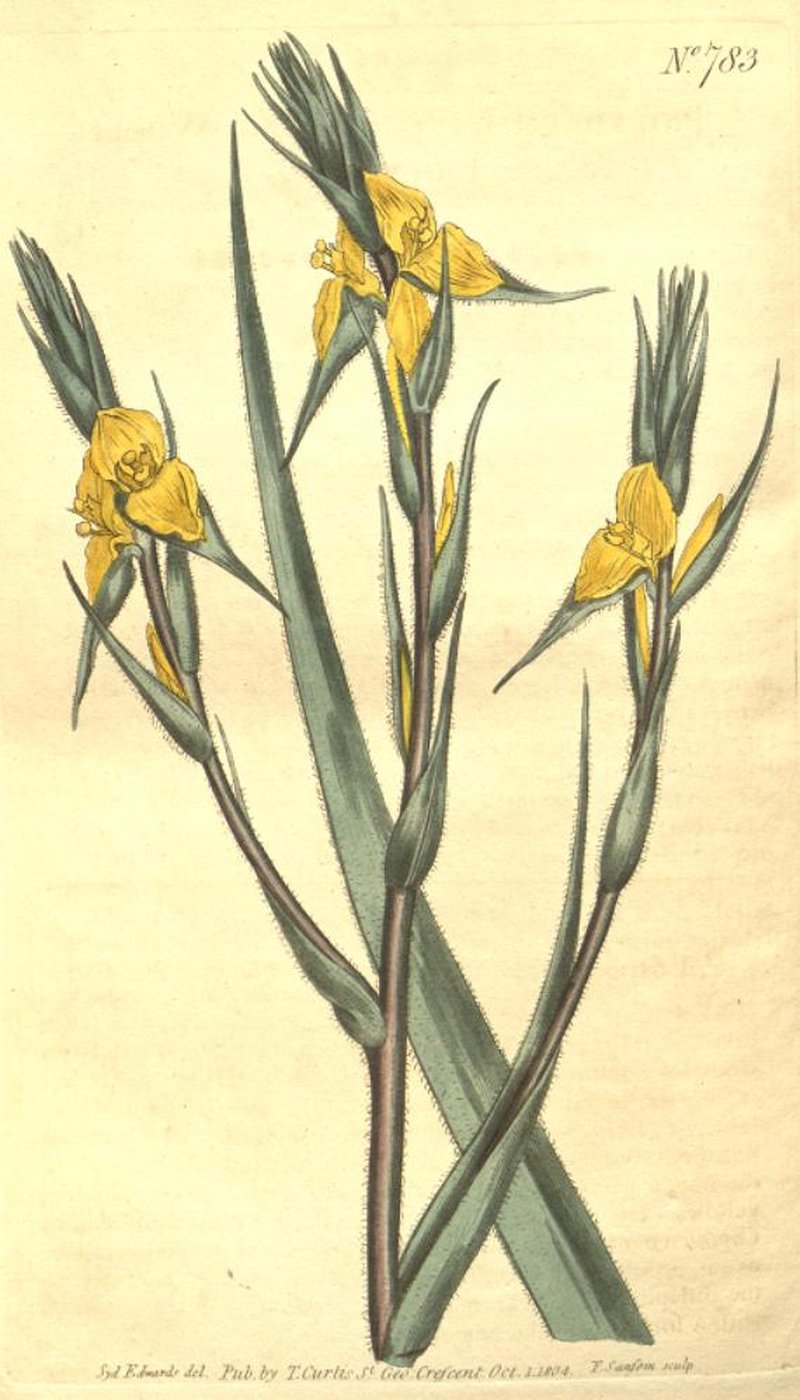
John Sims (en.wikipedia.org),Annelis,Harry Rose (www.flickr.com) from South West Rocks, Australia,Richard Fuller (www.inaturalist.org),Harry Rose (www.flickr.com) from South West Rocks, Australia,Harry Rose (www.flickr.com) from South West Rocks, Australia,Harry Rose (www.flickr.com) from South West Rocks, Australia,Harry Rose (www.flickr.com) from South West Rocks, Australia,Harry Rose (www.flickr.com) from South West Rocks, Australia,Harry Rose (www.flickr.com) from South West Rocks, Australia,Harry Rose (www.flickr.com) from South West Rocks, Australia,Harry Rose (www.flickr.com) from South West Rocks, Australia

Taxonomy
- Division:
- Magnoliophyta | - Flowering plants
- Family:
- Philydraceae
- Genus:
- Philydrum
- Species:
- Philydrum lanuginosum
- USDA Symbol:
- PHLA28
Growth Characteristics
- Height:
- 150 cm
- Light Requirements:
- Full Sun
- Drought Tolerance:
- Low
- Bloom Months:
- jan,feb,mar,apr,may,jun,jul,aug,sep,oct,nov,dec
- Bloom Colors:
- white, yellow
Soil Requirements
- Soil Type:
- rich, moisture-retentive clay or loam
- pH:
- 5.5 - 7.0 (slightly acidic to neutral)
- Drainage:
- tolerates poor drainage
- Moisture:
- consistently moist
- Notes:
- commonly found in wetlands and marshy areas