
Orange Bush Monkeyflower
Diplacus aurantiacus
- Native to:
- United States
iNaturalist: © gargic (iNaturalist #230915871)
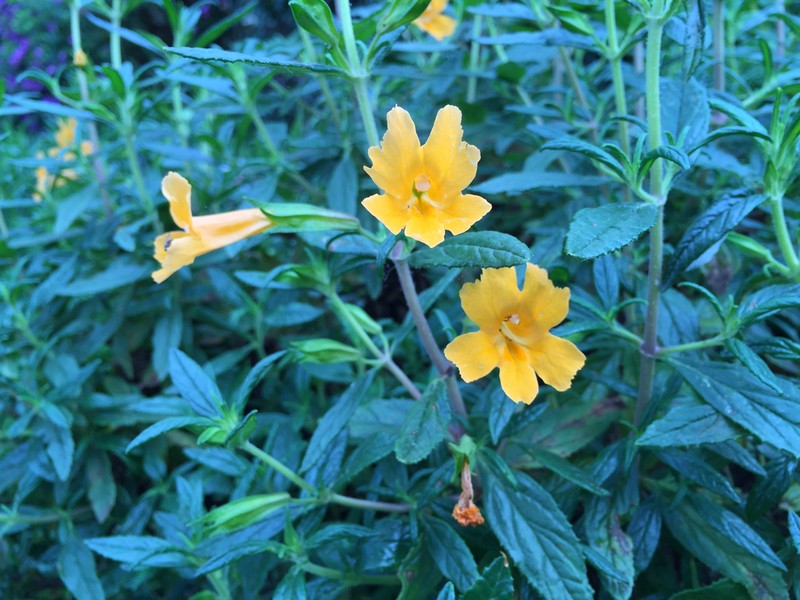
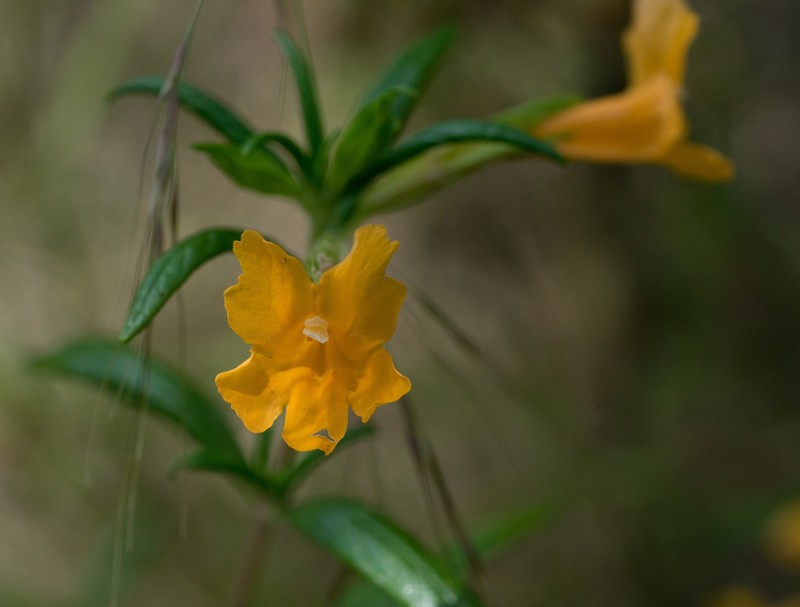
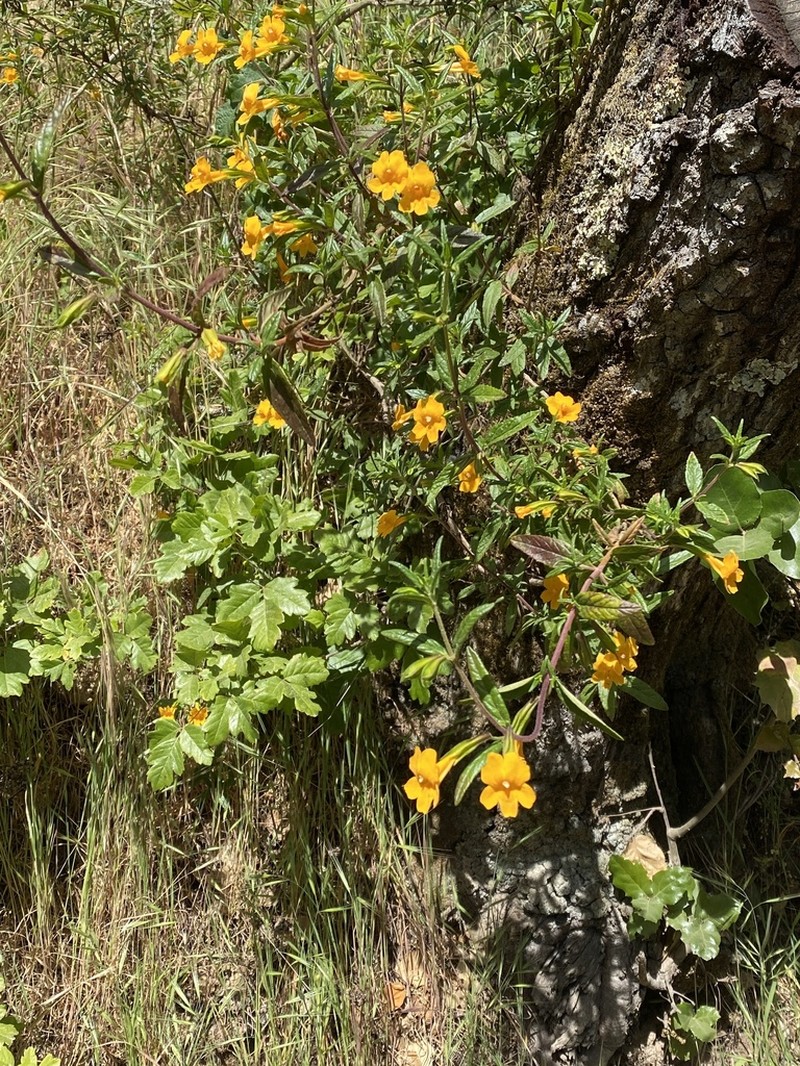
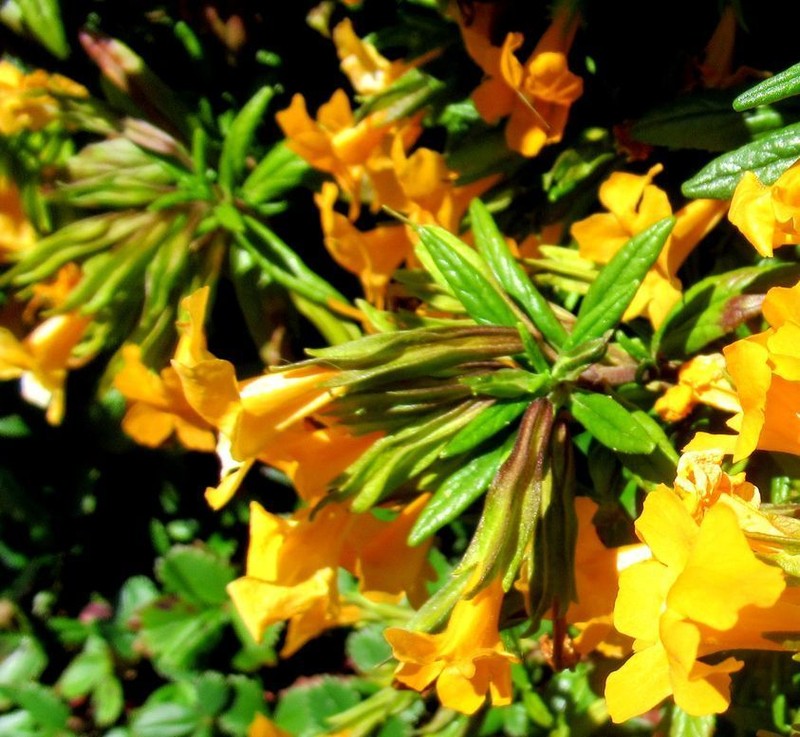
Taxonomy
- Division:
- Magnoliophyta | - Flowering plants
- Family:
- Phrymaceae
- Genus:
- Diplacus
- Species:
- Diplacus aurantiacus
- USDA Symbol:
- DIAU
Growth Characteristics
- Life Cycle:
- Perennial
- Growth Habit:
- Shrub , Subshrub
- Height:
- 120 cm
- Light Requirements:
- Full Sun
- Drought Tolerance:
- High
- Bloom Months:
- mar,apr,may,jun,jul,aug
- Bloom Colors:
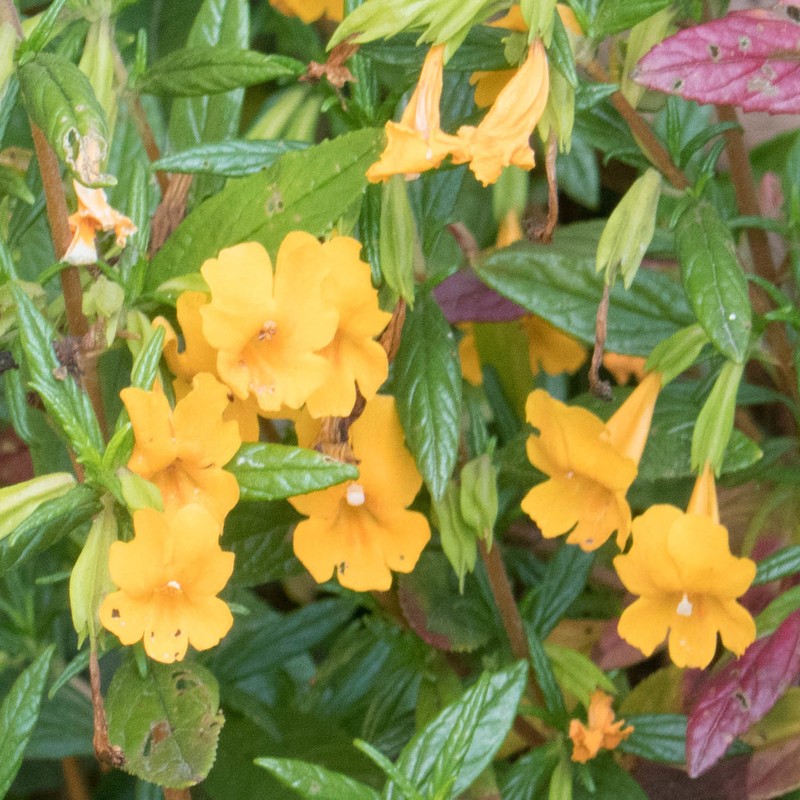
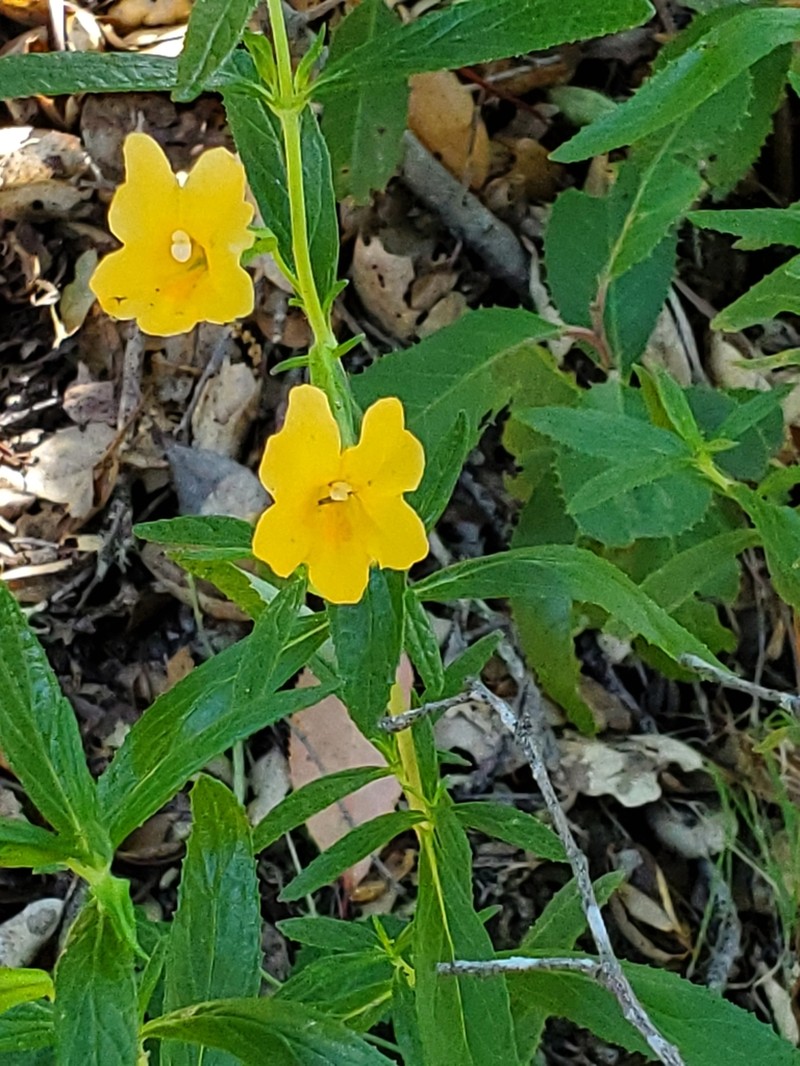
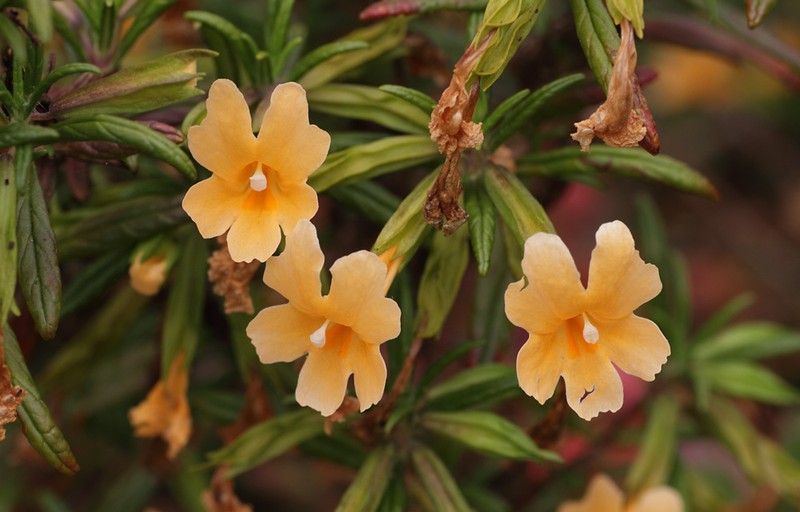
- orange, yellow, red
- Evergreen Shrub:
- Yes
- Landscaping Shrub:
- Yes
Wildlife Benefits
- Bees:
- ★☆☆☆☆ Documented bee visitation (GBIF)
- Butterflies & Moths:
- ★☆☆☆☆ Documented Lepidoptera association (GBIF)
- Hummingbirds:
- ★☆☆☆☆ Documented hummingbird visits (GBIF)
Host Plant for Caterpillars
Variable checkerspot (Euphydryas chalcedona)
Reported Fauna Sightings
Butterflies:⚠️Monarch butterfly (Danaus plexippus), Variable checkerspot (Euphydryas chalcedona)
Garden & Ecology Notes
- Wildlife Value:
- hummingbirds, bees, butterflies
- Deer Resistant:
- Yes
- Fire Ecology:
- Fire adapted — tolerates or benefits from fire
- Fire Notes:
- Resprouts from root crown after fire; seeds also germinate in post-fire conditions.
Soil Requirements
- Soil Type:
- sandy, well-drained, nutrient-poor soil
- pH:
- 5.5 - 7.5 (slightly acidic to neutral)
- Drainage:
- excellent drainage required
- Moisture:
- dry to moderate
- Notes:
- native to coastal scrub and chaparral regions
Propagation & Germination
- Stratification:
- None required
- Germination Time:
- 14–30 days
- Notes:
- Seeds germinate readily without pretreatment; surface sow on moist medium and keep warm.
Pre-treatment: None required
Establishment: Seeds are collected between Jun 1st and August 1st. Mature capsules are brown. Seed is black and tiny at maturity. D. aurantiacus is found in rocky places in the coastal range and foothills of the Sierras, below 3,000 feet elevation; from Santa Berbara and Placer counties to western Oregon.
Source: npn.rngr.net