
Purple Monkeyflower
Erythranthe lewisii
- Native to:
- Canada, United States
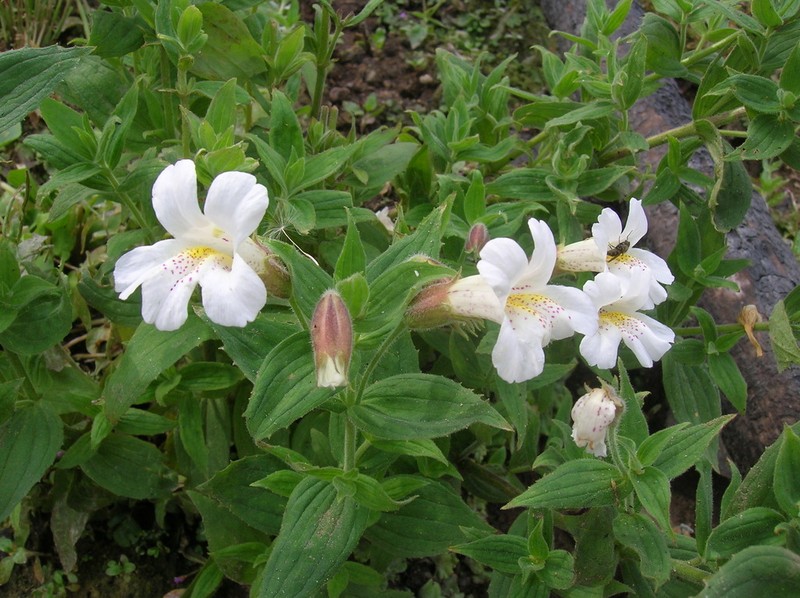
iNaturalist: © rockybajada (iNaturalist #67108944)
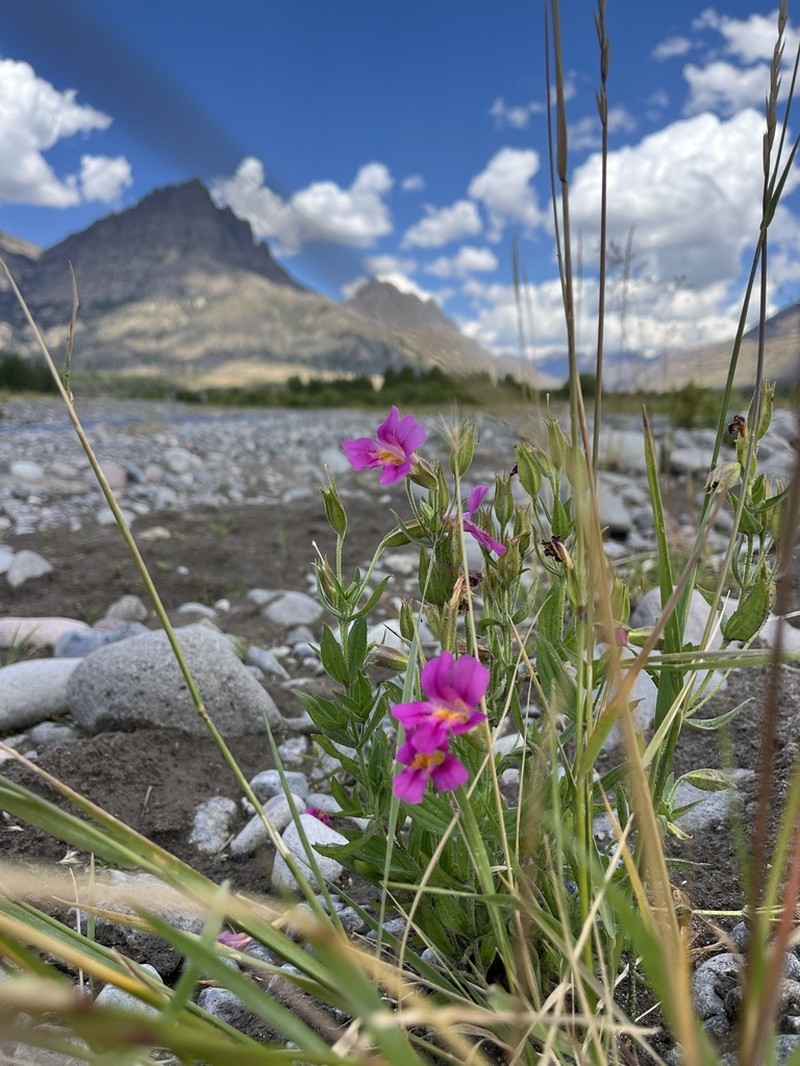
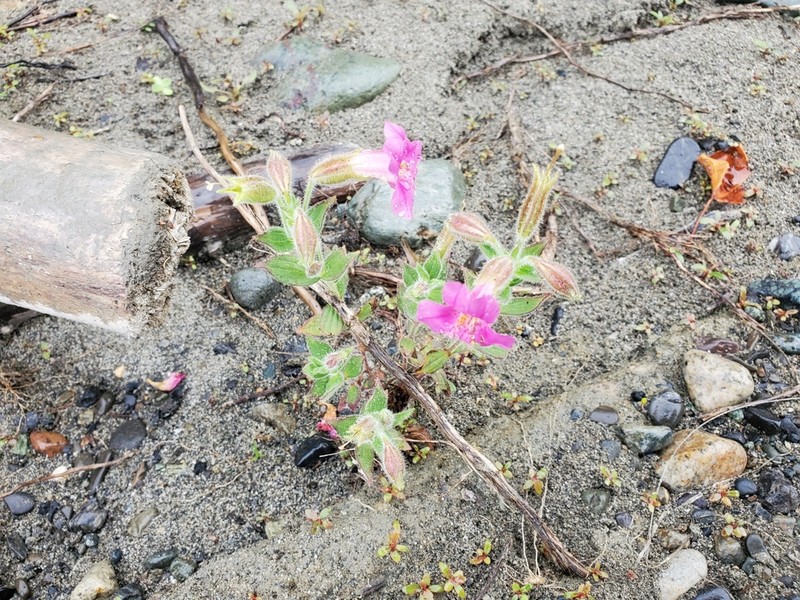
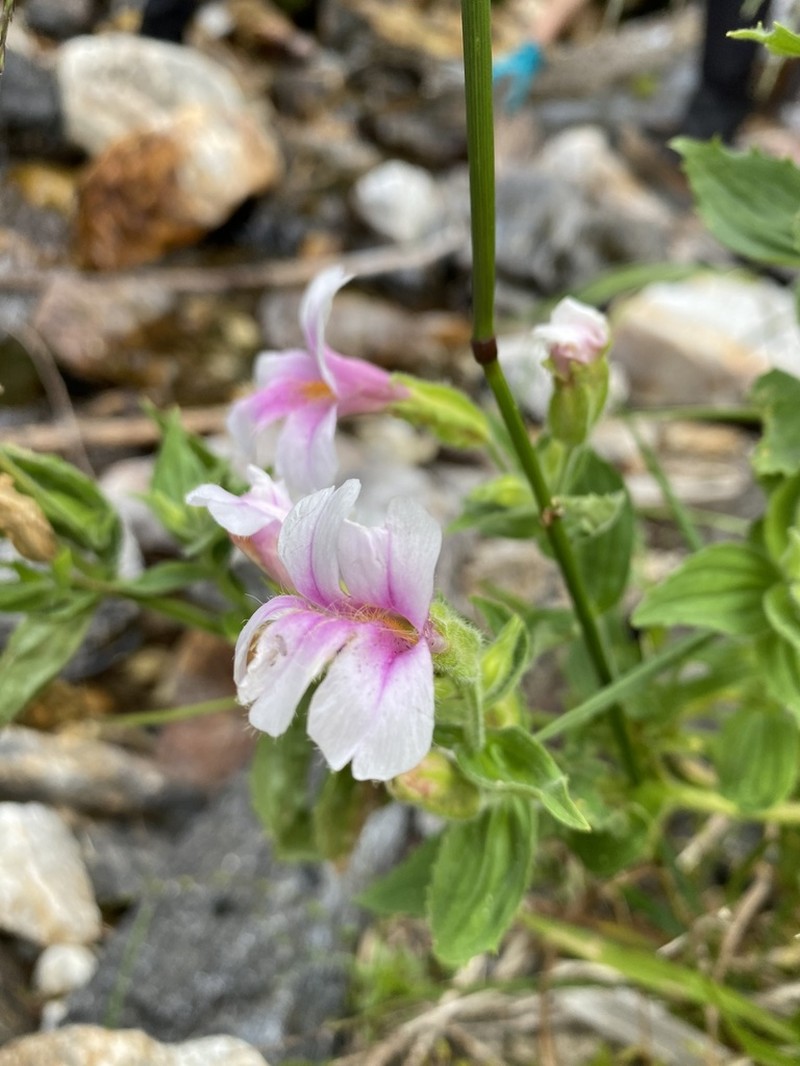
Taxonomy
- Division:
- Magnoliophyta | - Flowering plants
- Family:
- Phrymaceae
- Genus:
- Erythranthe
- Species:
- Erythranthe lewisii
- USDA Symbol:
- MILE2
Growth Characteristics
- Life Cycle:
- Perennial
- Growth Habit:
- Forb/herb
- Height:
- 80 cm
- Light Requirements:
- Full Sun
- Drought Tolerance:
- Low
- Bloom Months:
- jun,jul,aug,sep
- Bloom Colors:
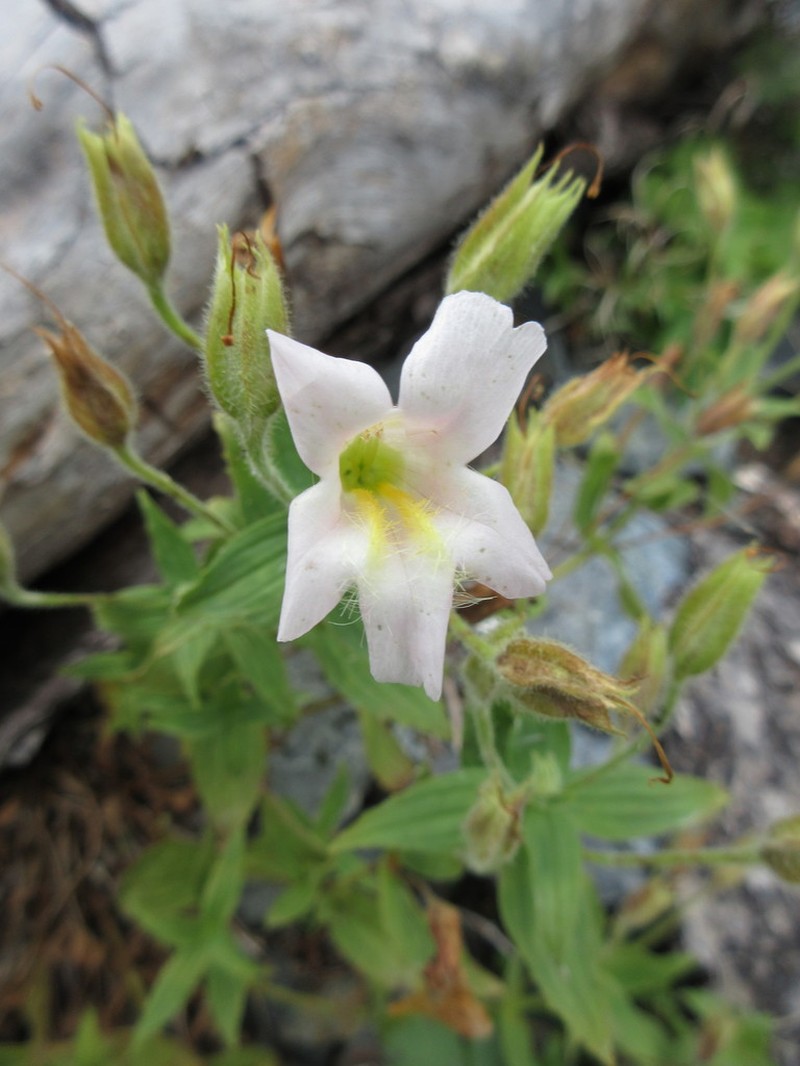
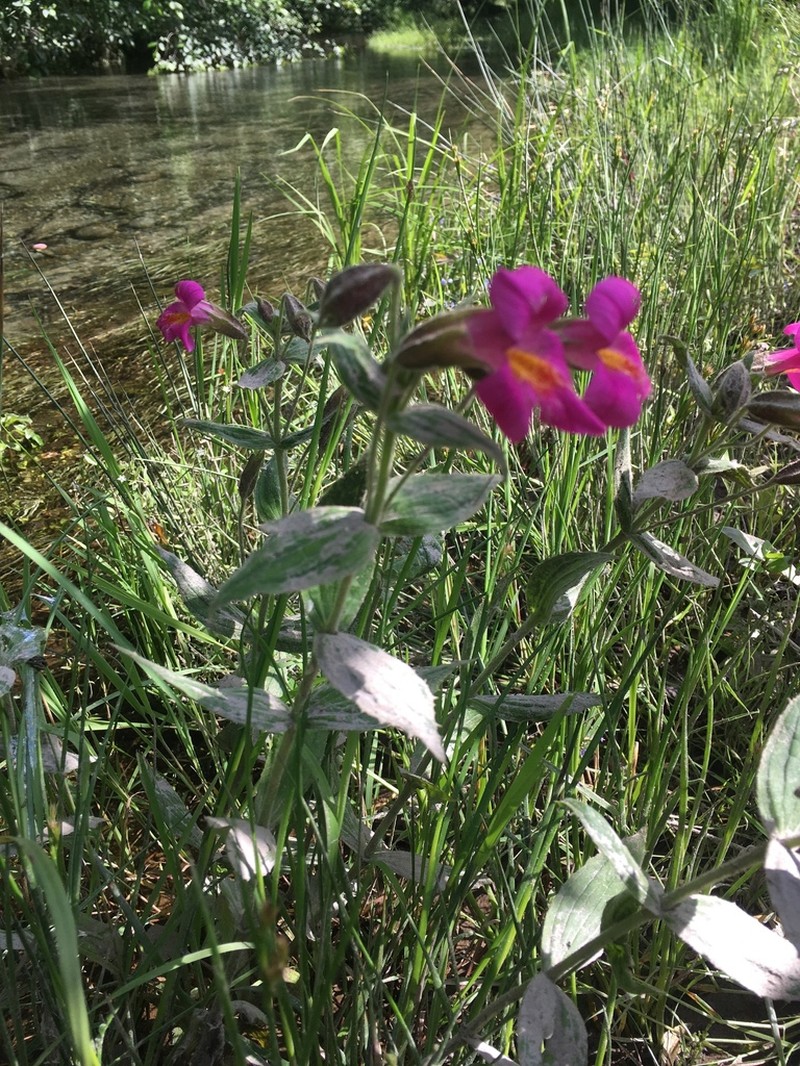
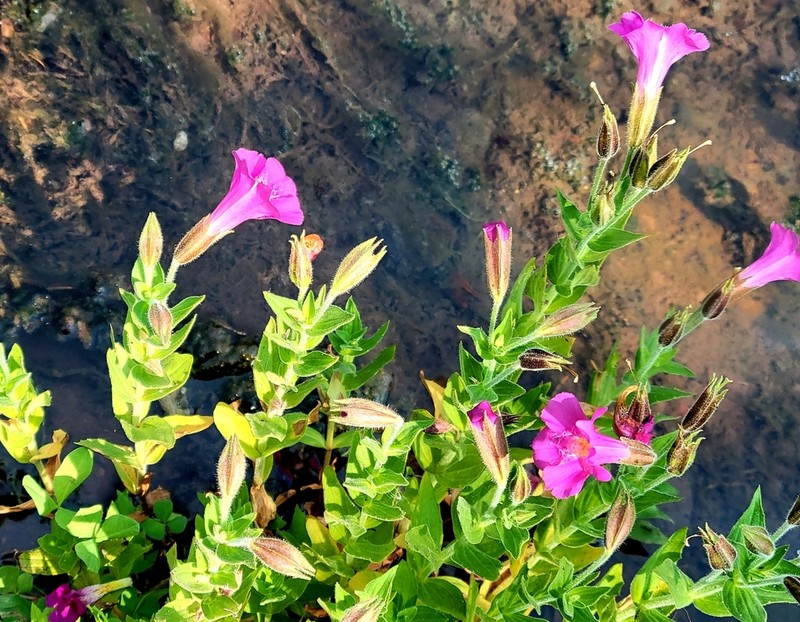
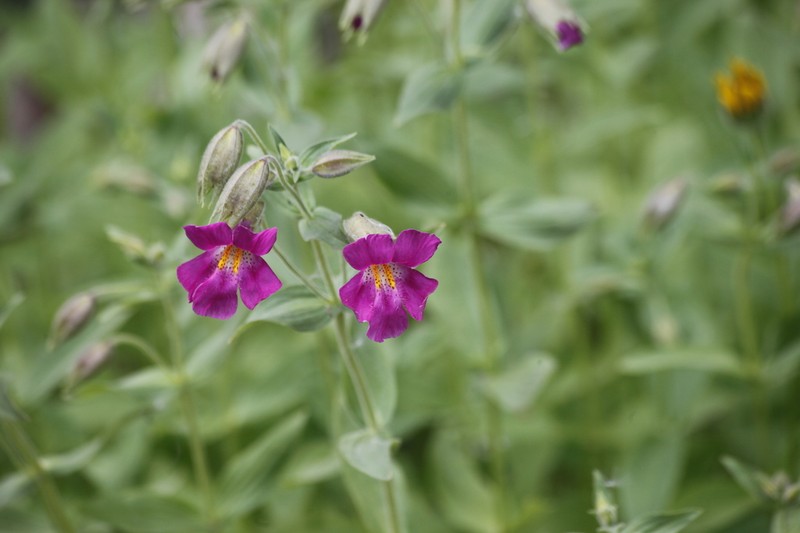
- pink, magenta
Wildlife Benefits
- Bees:
- ★☆☆☆☆ Documented bee visitation (GBIF)
- Butterflies & Moths:
- ★☆☆☆☆ Documented Lepidoptera association (GBIF)
Reported Fauna Sightings
Bees: Black-tailed bumble bee (Bombus melanopygus), Sitka bumble bee (Bombus sitkensis), Two-form bumble bee (Bombus bifarius), Western bumble bee (Bombus occidentalis), Yellow head bumble bee (Bombus flavifrons)
Garden & Ecology Notes
- Wildlife Value:
- bees, butterflies, hummingbirds
Soil Requirements
- Soil Type:
- rich, well-drained loamy soil
- pH:
- 5.5 - 7.0 (slightly acidic to neutral)
- Drainage:
- excellent drainage required
- Moisture:
- consistently moist
- Notes:
- prefers riparian zones in mountainous areas
Propagation & Germination
- Stratification:
- Cold/moist stratification required — 30–60 days
- Germination Time:
- 14–30 days
- Notes:
- Seeds require cold stratification for 4-8 weeks; surface sow on moist soil and keep cool.
Pre-treatment: 5 month cold, moist stratification
Establishment: Seeds are collected in early fall when capsules turn brown and begin to dehisce. Some Mimulus species capsules do not open fully unless soaked in water. M. lewisii is a rhizomatous perennial, forming dense clumps along streambanks and in wet, boggy ground in the subalpine zone.
Source: npn.rngr.net