
American Pokeweed
Phytolacca americana
- Native to:
- Canada, Mexico, United States, Virgin Islands
Humoyun Mehridinov
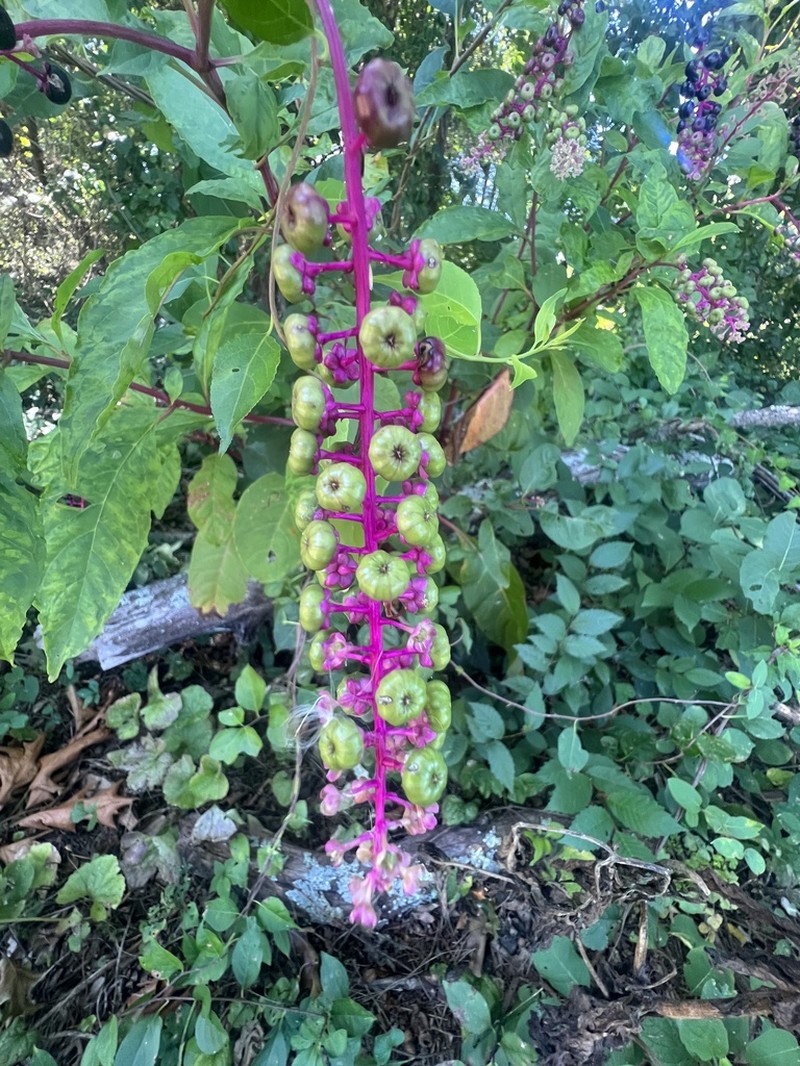
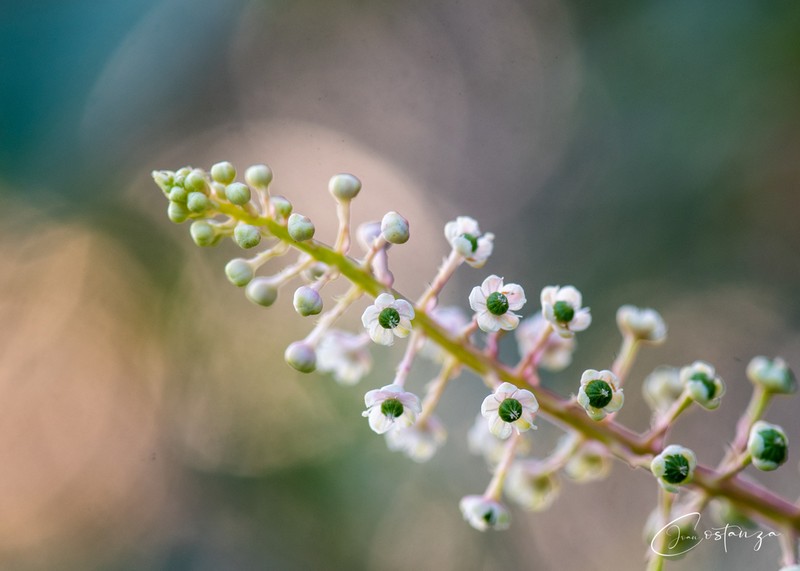
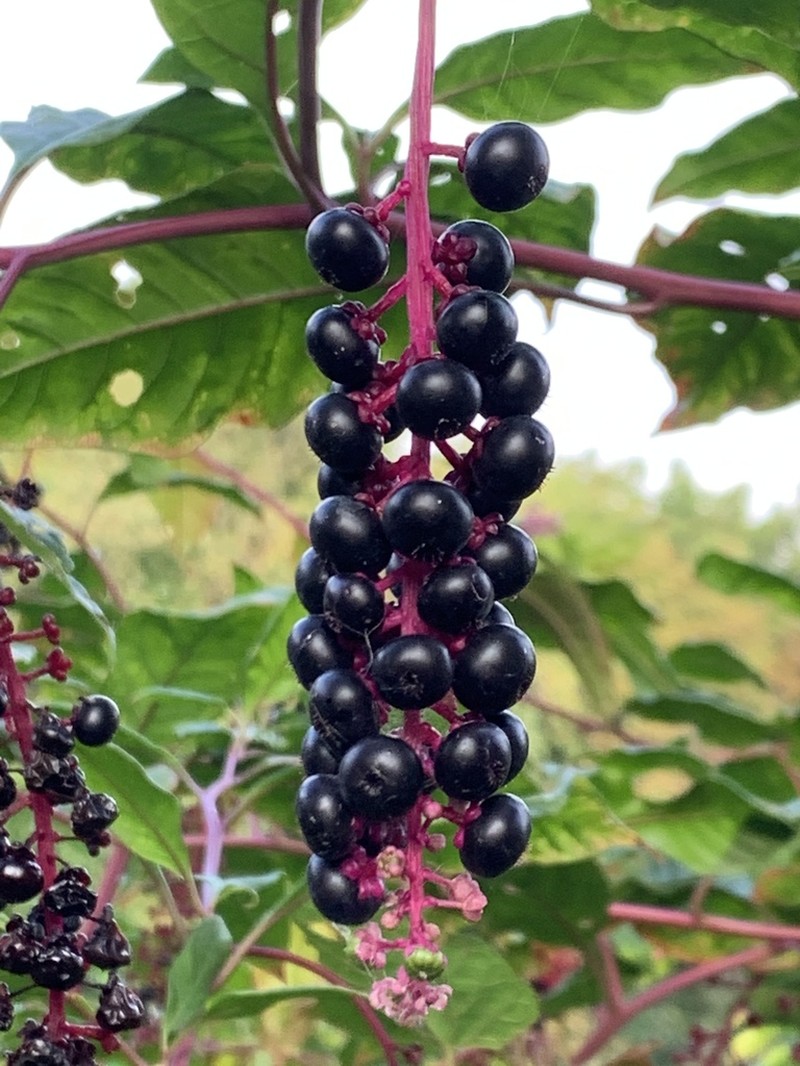
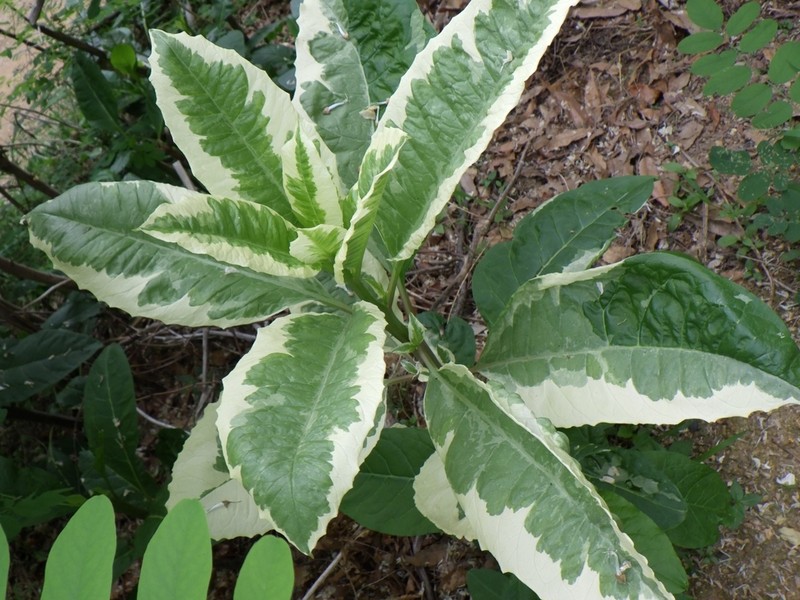
Taxonomy
- Division:
- Magnoliophyta | - Flowering plants
- Family:
- Phytolaccaceae
- Genus:
- Phytolacca
- Species:
- Phytolacca americana
- USDA Symbol:
- PHAM4
Growth Characteristics
- Life Cycle:
- Perennial
- Growth Habit:
- Forb/herb
- Height:
- 300 cm
- Light Requirements:
- Part Shade
- Drought Tolerance:
- Medium
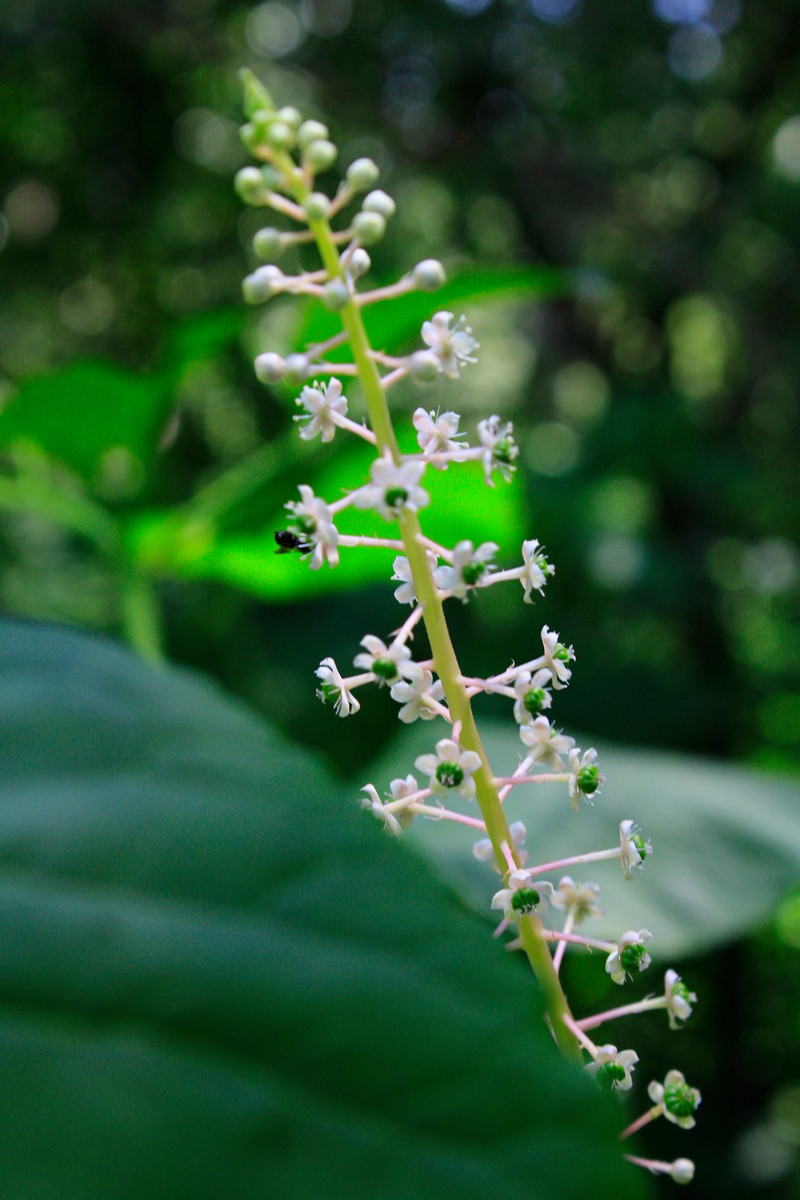
- Bloom Months:
- jun,jul,aug,sep
- Bloom Colors:
- white
Wildlife Benefits
- Bees:
- ★☆☆☆☆ Documented bee visitation (GBIF)
- Butterflies & Moths:
- ★★★★★ Documented Lepidoptera association (GBIF)
- Caterpillars:
- ★★☆☆☆ Recorded caterpillar host plant (HOSTS Database)
Host Plant for Caterpillars
beet webworm moth (Spoladea recurvalis), Giant leopard moth (Hypercompe scribonia), Nealyda phytolaccae, somber carpet moth (Disclisioprocta stellata), Southern armyworm (Spodoptera eridania), Synchlora herbaria, Yellow-striped armyworm (Spodoptera ornithogalli)
Reported Fauna Sightings
Moths:Obscure Psara Moth (Psara obscuralis)
Garden & Ecology Notes
- Wildlife Value:
- birds, small mammals
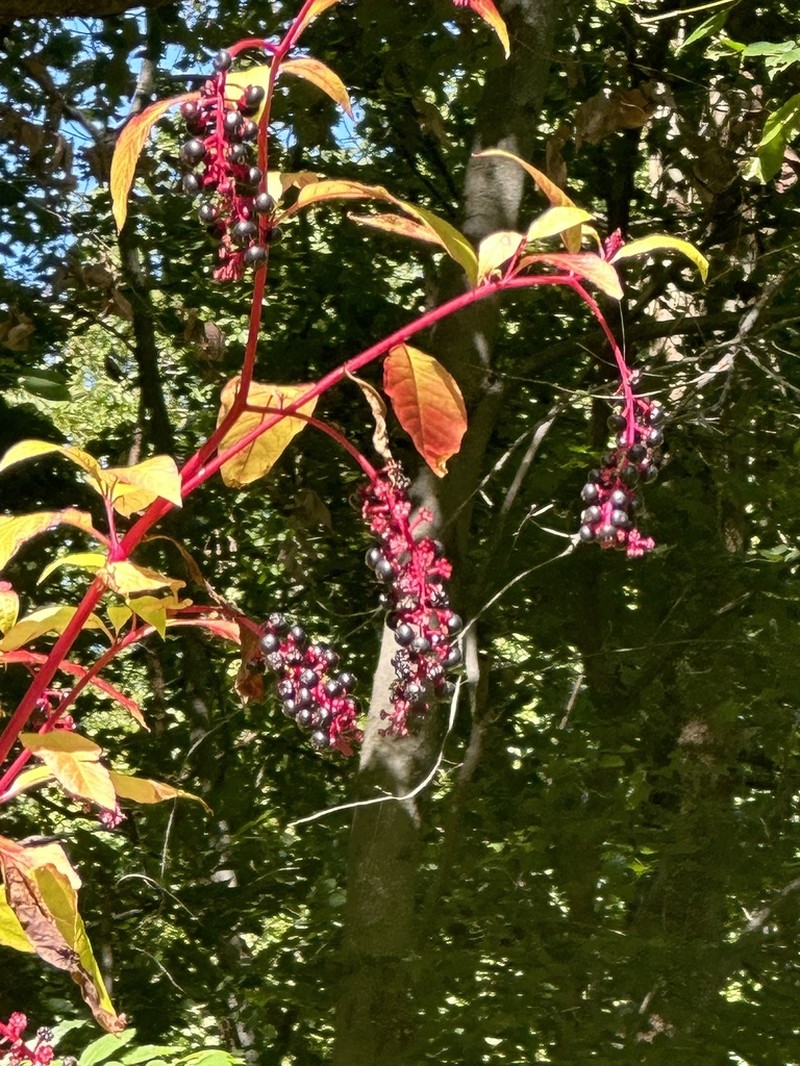
- Fall Color:
- red, purple
Soil Requirements
- Soil Type:
- rich, well-drained loamy soil
- pH:
- 4.5 - 7.0 (acidic to neutral)
- Drainage:
- tolerates poor drainage
- Moisture:
- consistently moist
- Notes:
- Common in disturbed areas and forest edges
Propagation & Germination
- Stratification:
- Cold/moist stratification required — 30–60 days
- Germination Time:
- 14–30 days
- Notes:
- Seeds germinate readily after cold stratification; direct sow in fall or stratify for spring planting.
Pre-treatment: Cold-moist stratification for 30 days at 1–5°C (34–41°F).
Notes: Seeds may require light for germination.
Source: Claude AI
ORGHPS Germination Guide: Sow at 4°C for 3 months, then place @ 20°C for 3 months. Pulpy coat inhibits germination. Remove by soaking and rinsing in clean water for approximately 7 days. Discard water. * wash in detergent; store dry
Where to Buy
Nationwide Seller
- Native American Seed (nursery and seeds)