
Lemmon's Keckiella
Keckiella lemmonii
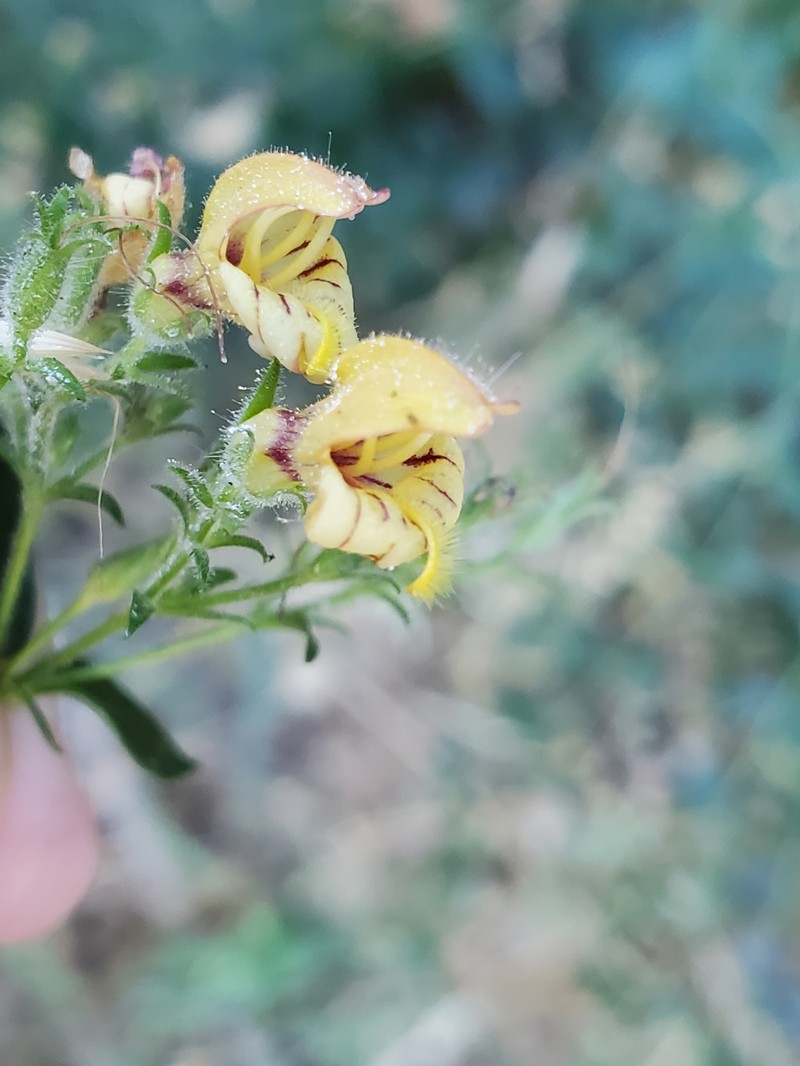
(c) Mary K. Hanson, some rights reserved (CC BY)
Taxonomy
- Division:
- Magnoliophyta | - Flowering plants
- Family:
- Plantaginaceae
- Genus:
- Keckiella
- Species:
- Keckiella lemmonii
Growth Characteristics
- Life Cycle:
- Perennial
- Growth Habit:
- Shrub , Subshrub
- Height:
- 4-6 ft
- Light Requirements:
- Full Sun
- Drought Tolerance:
- High
- Bloom Months:
- jun, jul, aug
- Bloom Colors:
- White, Orange, Yellow, Purple, Brown
- Landscaping Shrub:
- Yes
Native Range
United States: California, Nevada, Oregon
Host Plant for Caterpillars
Variable checkerspot (Euphydryas chalcedona)
Reported Fauna Sightings
Bees: Fuzzy-horned bumble bee (Bombus mixtus), Fuzzy-horned bumble bee (Bombus mixtus), van Dyke bumble bee (Bombus vandykei), van Dyke bumble bee (Bombus vandykei), Yellow head bumble bee (Bombus flavifrons), Yellow head bumble bee (Bombus flavifrons), Yellow-faced bumble bee (Bombus vosnesenskii), Yellow-faced bumble bee (Bombus vosnesenskii)
Soil Requirements
- Soil Type:
- rocky, well-drained, nutrient-poor soil
- pH:
- 6.0 - 7.5 (slightly acidic to neutral)
- Drainage:
- excellent drainage required
- Moisture:
- dry to moderate
- Notes:
- native to rocky slopes and chaparral areas
Germination Information
Pre-treatment: Seeds are soaked in a solution of 250 mg/L GA3 for 24 hours, rinsed, and soaked for an additional 4 hours in water. Seeds are sown into trays filled with stabilized medium plugs (Q-plugs). Trays are sealed inside plastic bags and refrigerated at 1 to 3 °C for 60 days. Trays are checked weekly and kept moist. If mold is evident, trays are treated with 1% hydrogen peroxide.
Establishment: Germination is not uniform and depends on the quality of the seeds. The plant is native to Oregon and northern California, and its range may extend just into Nevada in the High Sierra.
Source: npn.rngr.net