
Red Besseya
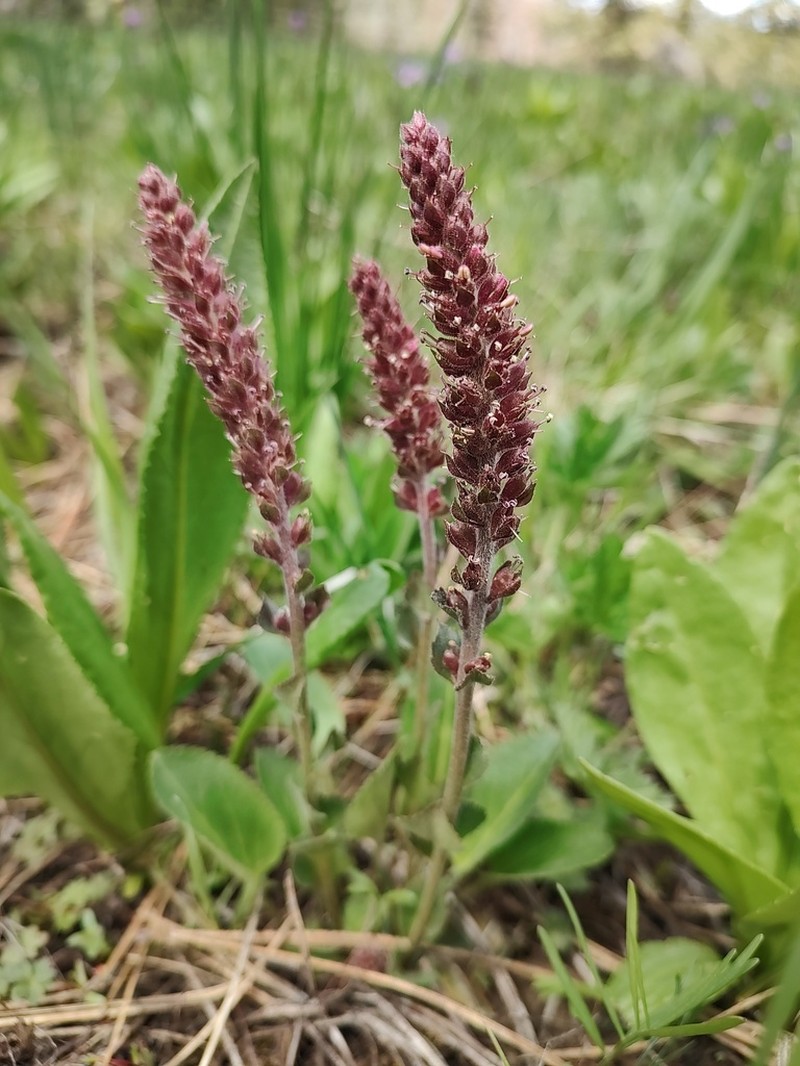
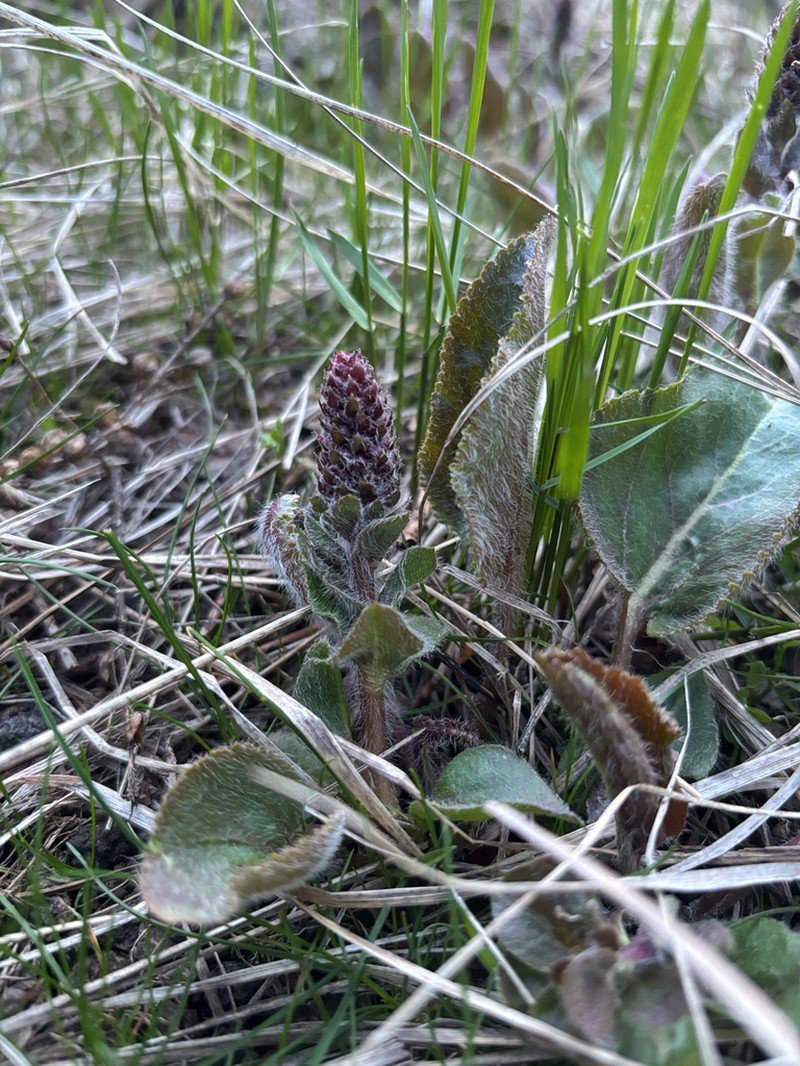
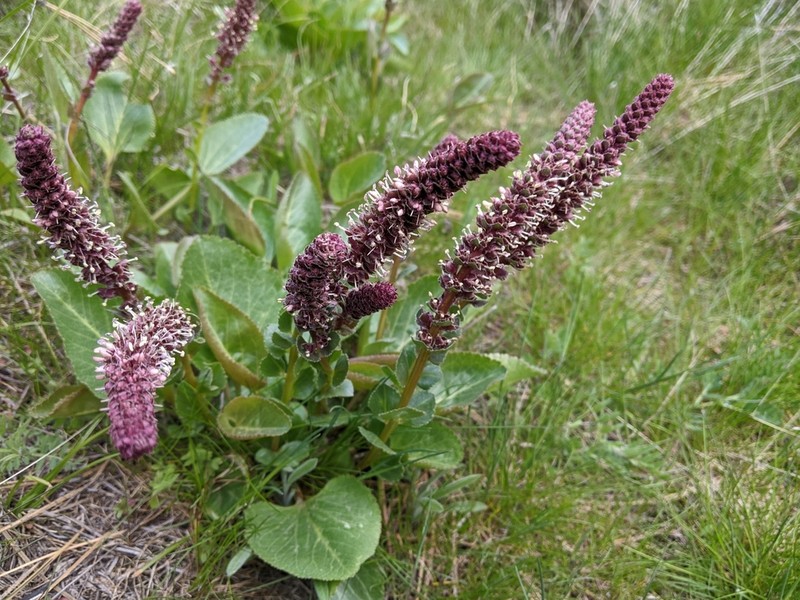
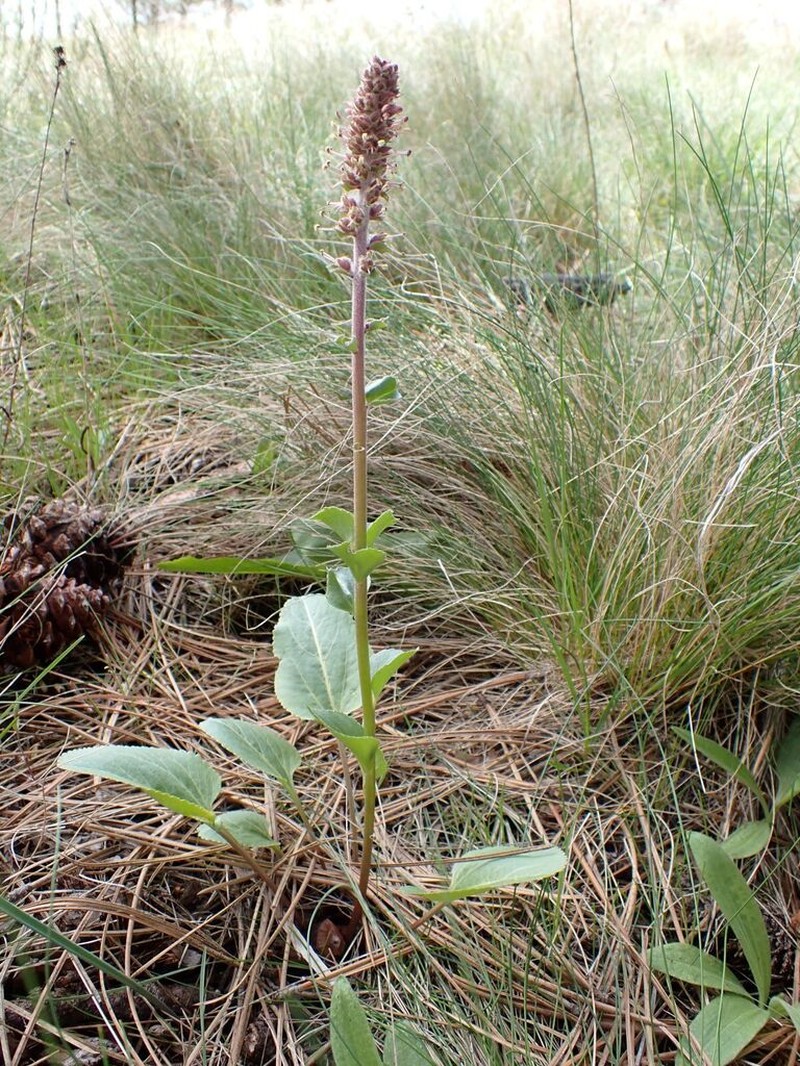
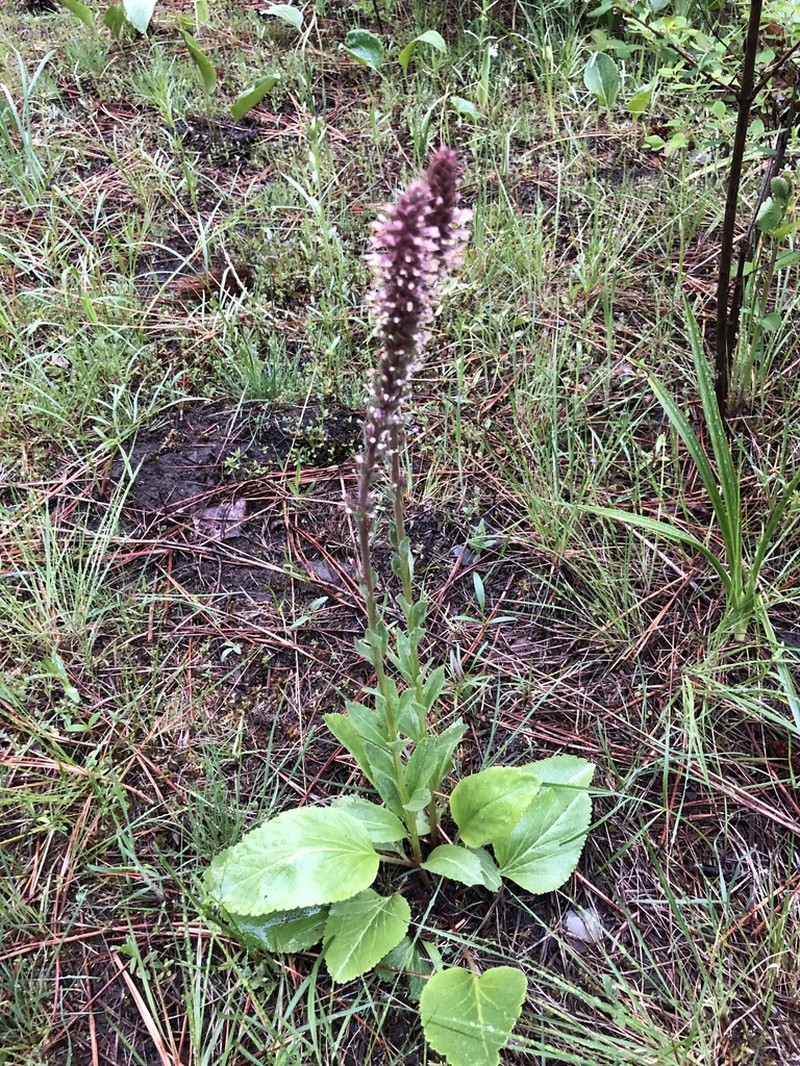
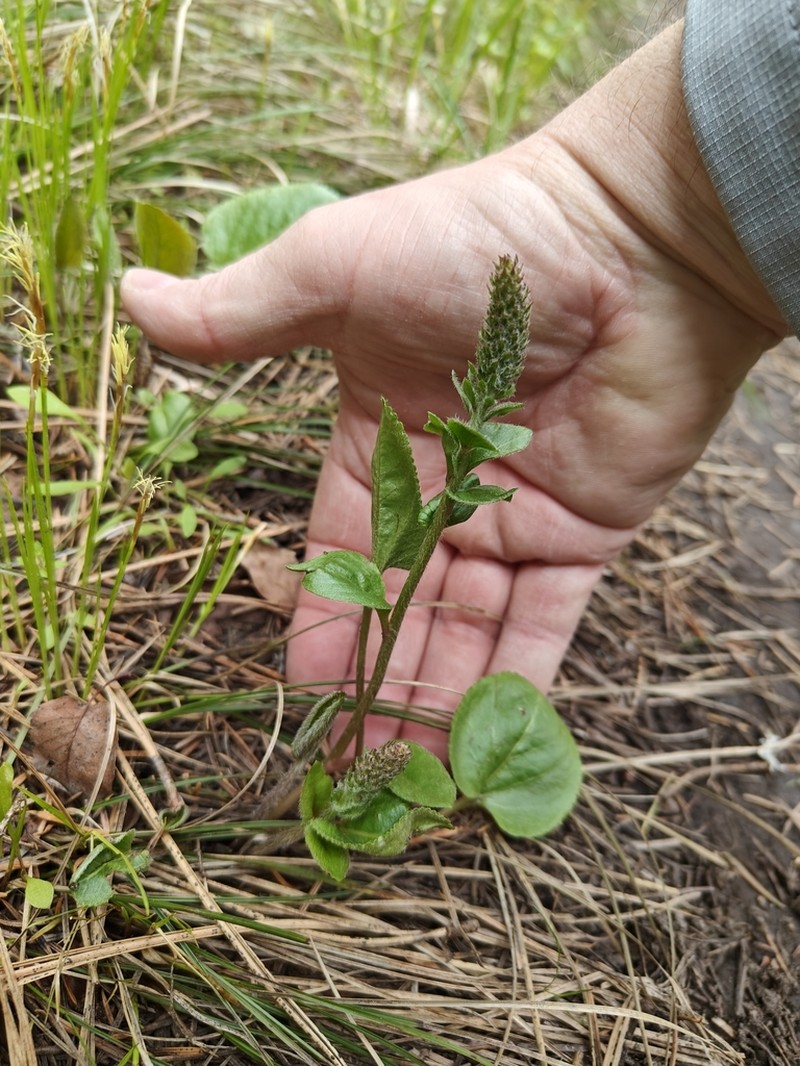
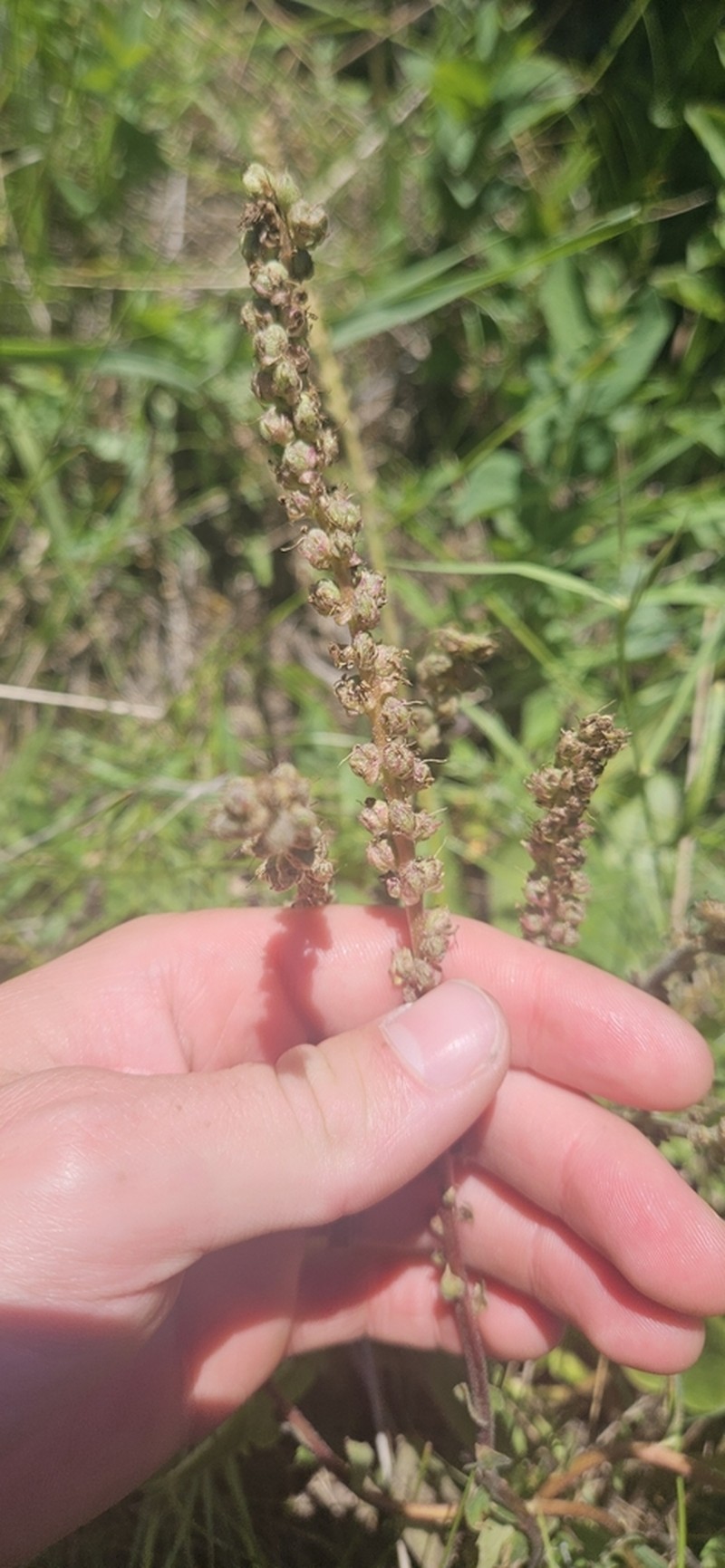
Veronica rubra
- Native to:
- United States
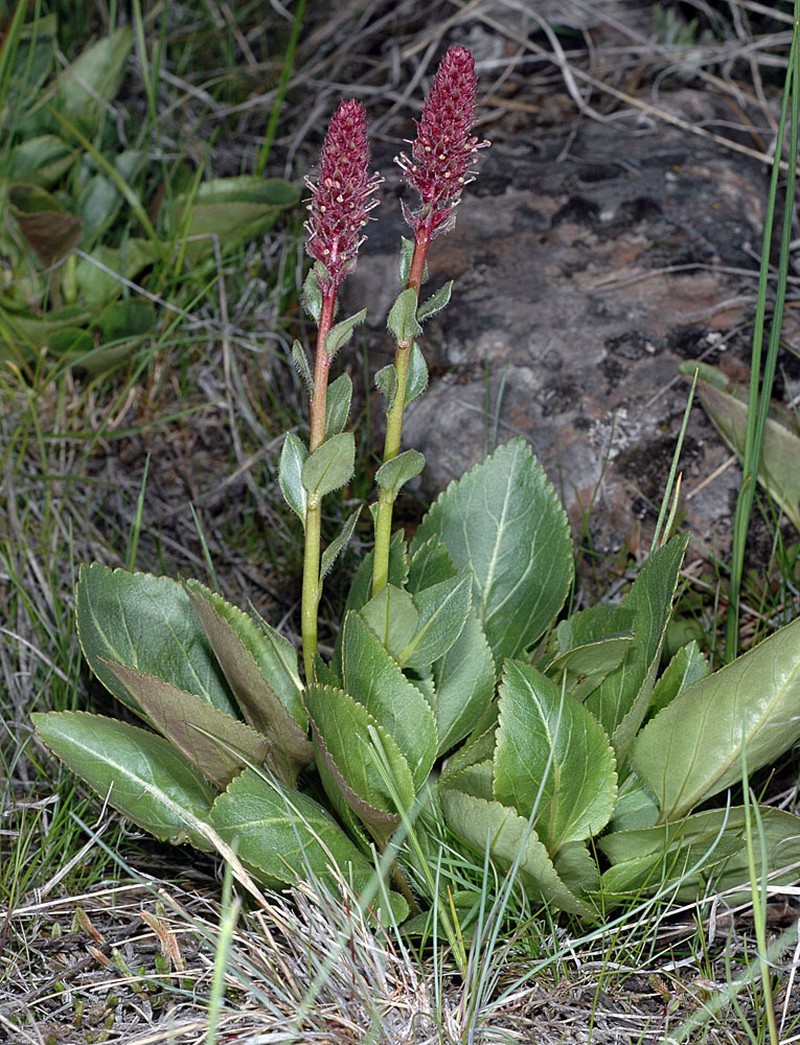
iNaturalist: © kupaoa (iNaturalist #301317177)
Taxonomy
- Division:
- Magnoliophyta | - Flowering plants
- Family:
- Plantaginaceae
- Genus:
- Veronica
- Species:
- Veronica rubra
- USDA Symbol:
- BERU
Growth Characteristics
- Life Cycle:
- Perennial
- Growth Habit:
- Forb/herb
- Height:
- 60 cm
- Light Requirements:
- Full Sun
- Drought Tolerance:
- Low
- Bloom Months:
- jun,jul,aug
- Bloom Colors:
- red
Wildlife Benefits
- Bees:
- ★☆☆☆☆ Documented bee visitation (GBIF)
- Butterflies & Moths:
- ★☆☆☆☆ Documented Lepidoptera association (GBIF)
Keystone Species Ranking
- Caterpillar Keystone:
- ★☆☆☆☆ Butterfly & moth species supported by this genus (NWF)
Garden & Ecology Notes
- Wildlife Value:
- bees, butterflies
Propagation & Germination
- Stratification:
- Cold/moist stratification required — 30–60 days
- Germination Time:
- 14–30 days
- Notes:
- Seeds germinate readily after cold stratification; surface sow on moist soil.
Pre-treatment: Seed germination requires pretreatment. Sow seeds in pots and place outside in late November for natural cold, moist stratification.
Establishment: Seed is collected by cutting the stalk when the capsules begin to split. Seed is a reddish brown color. Seed is harvested in late June and stored in paper bags at room temperature until cleaned. The plant is native to Washington and Oregon east of the Cascades, east to Idaho and Montana. It occurs in open grasslands, dry meadows and prairies.
Source: npn.rngr.net