
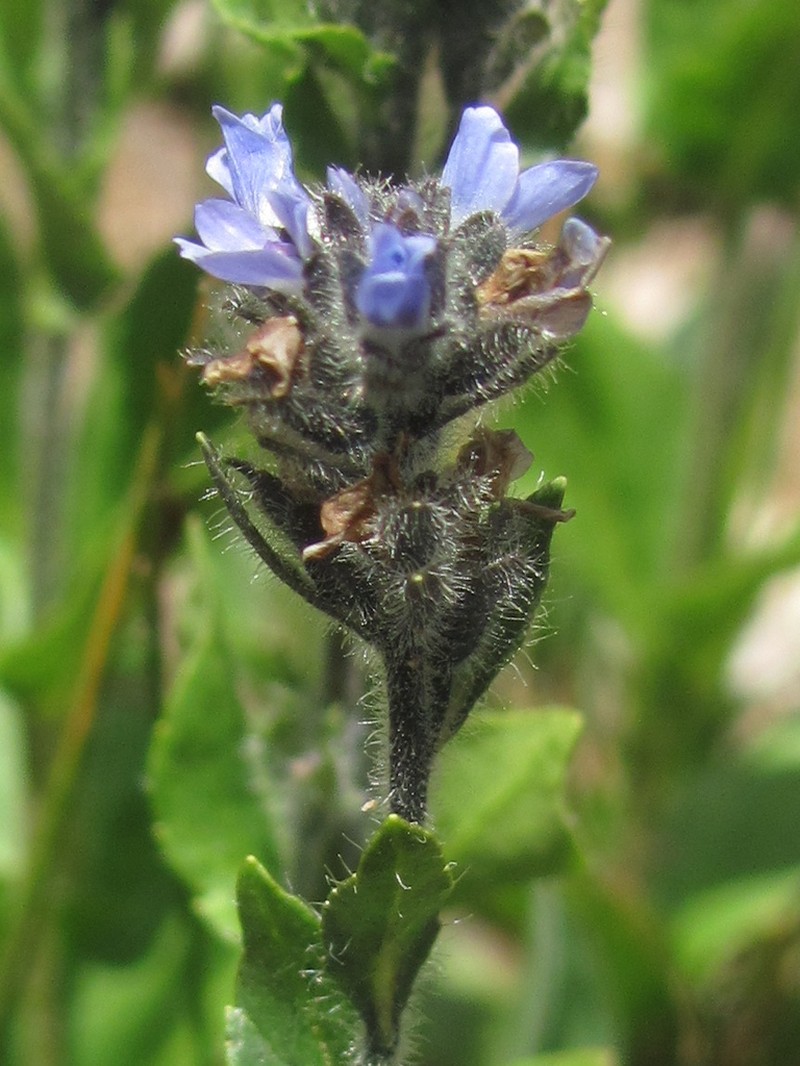
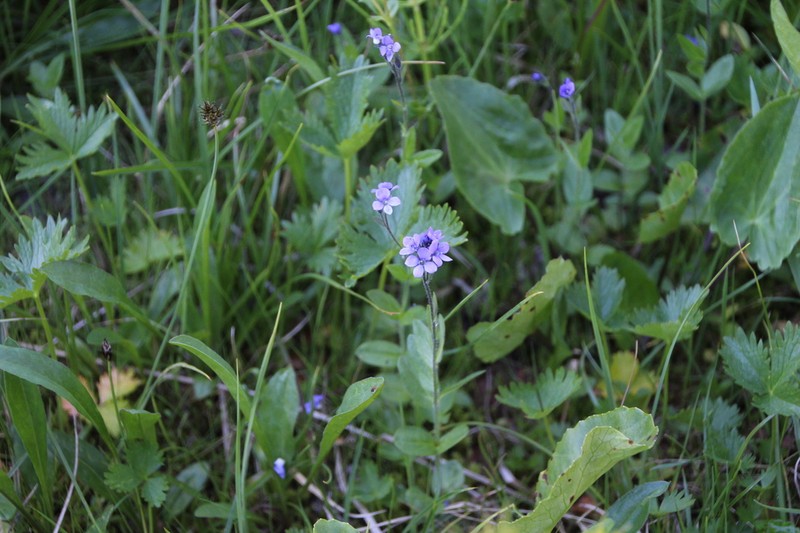
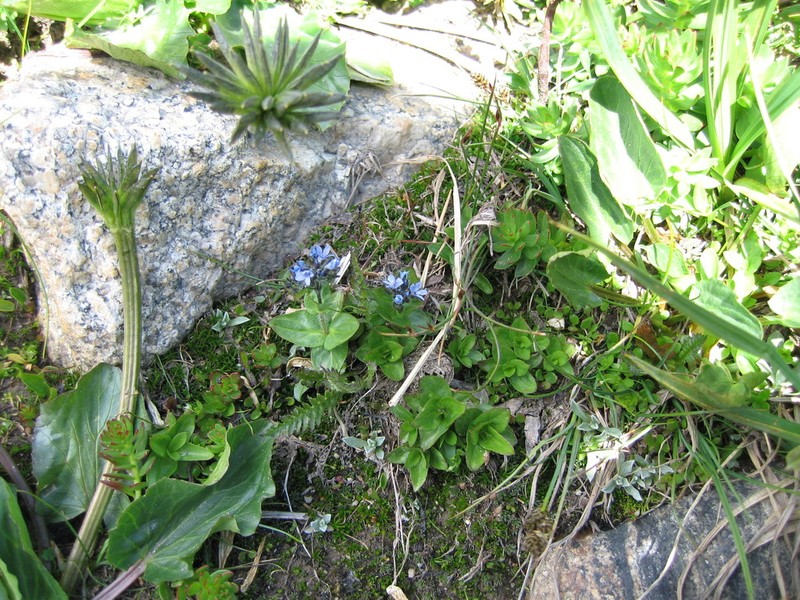
American Alpine Speedwell
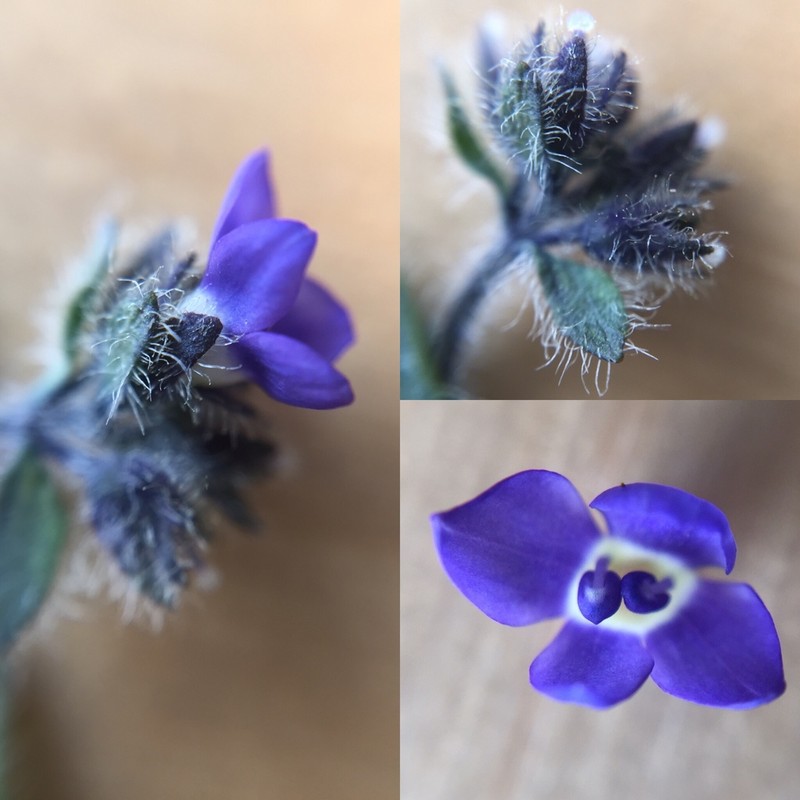
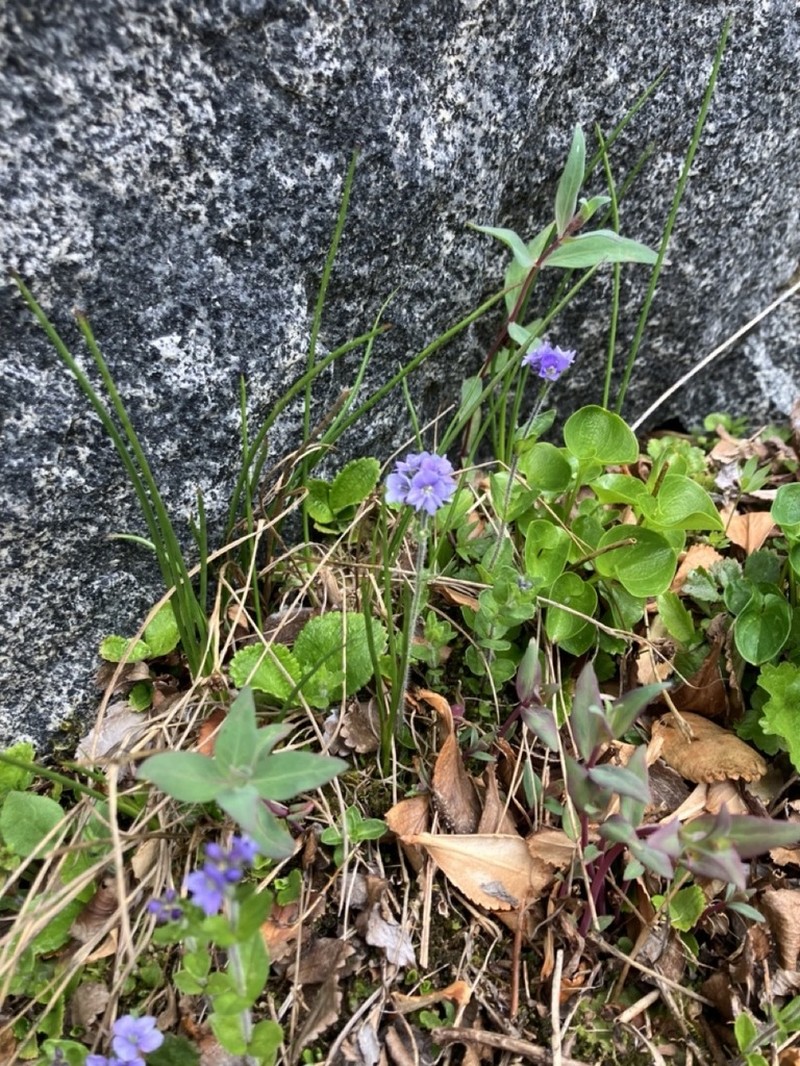
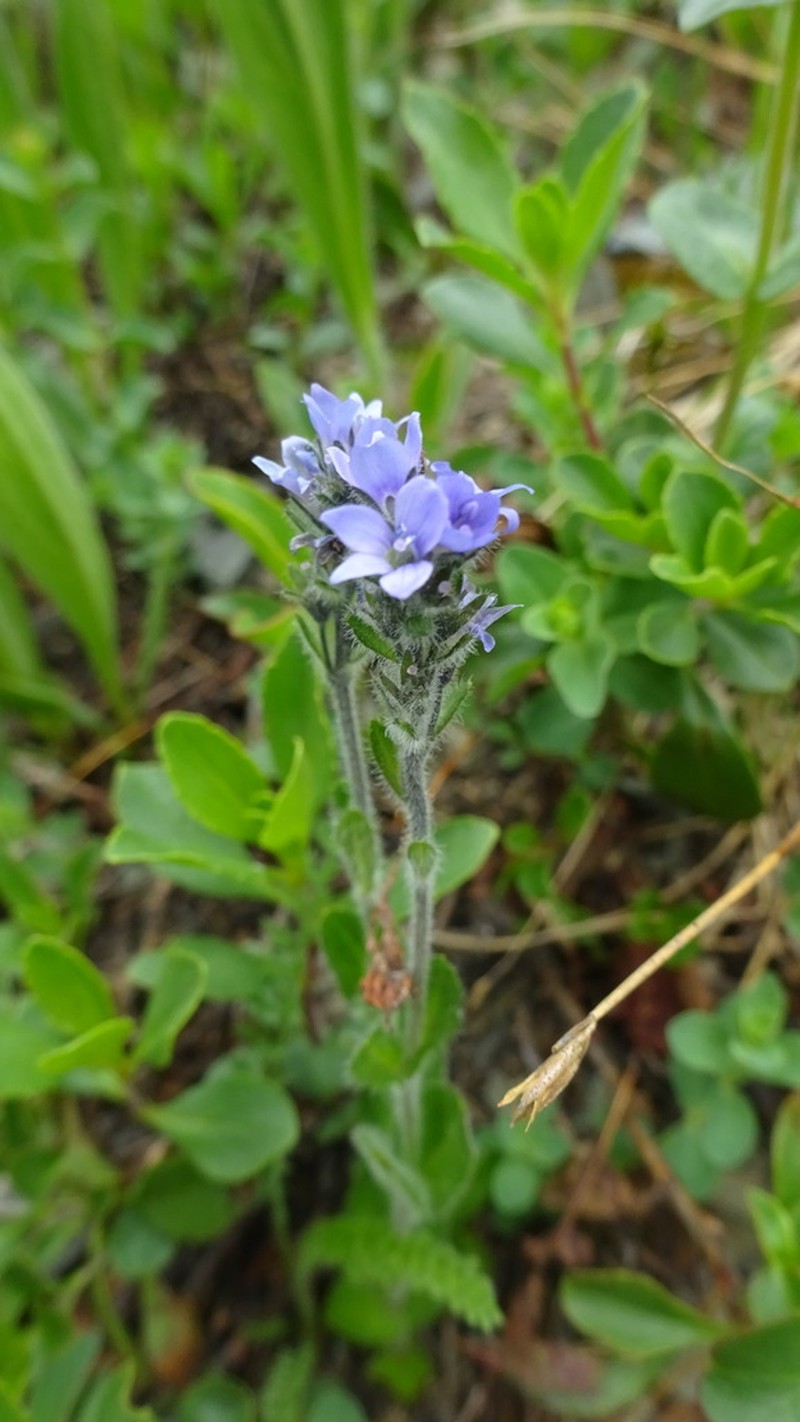
Veronica wormskjoldii
- Native to:
- Aleutian Is., Canada, Greenland, Labrador, United States
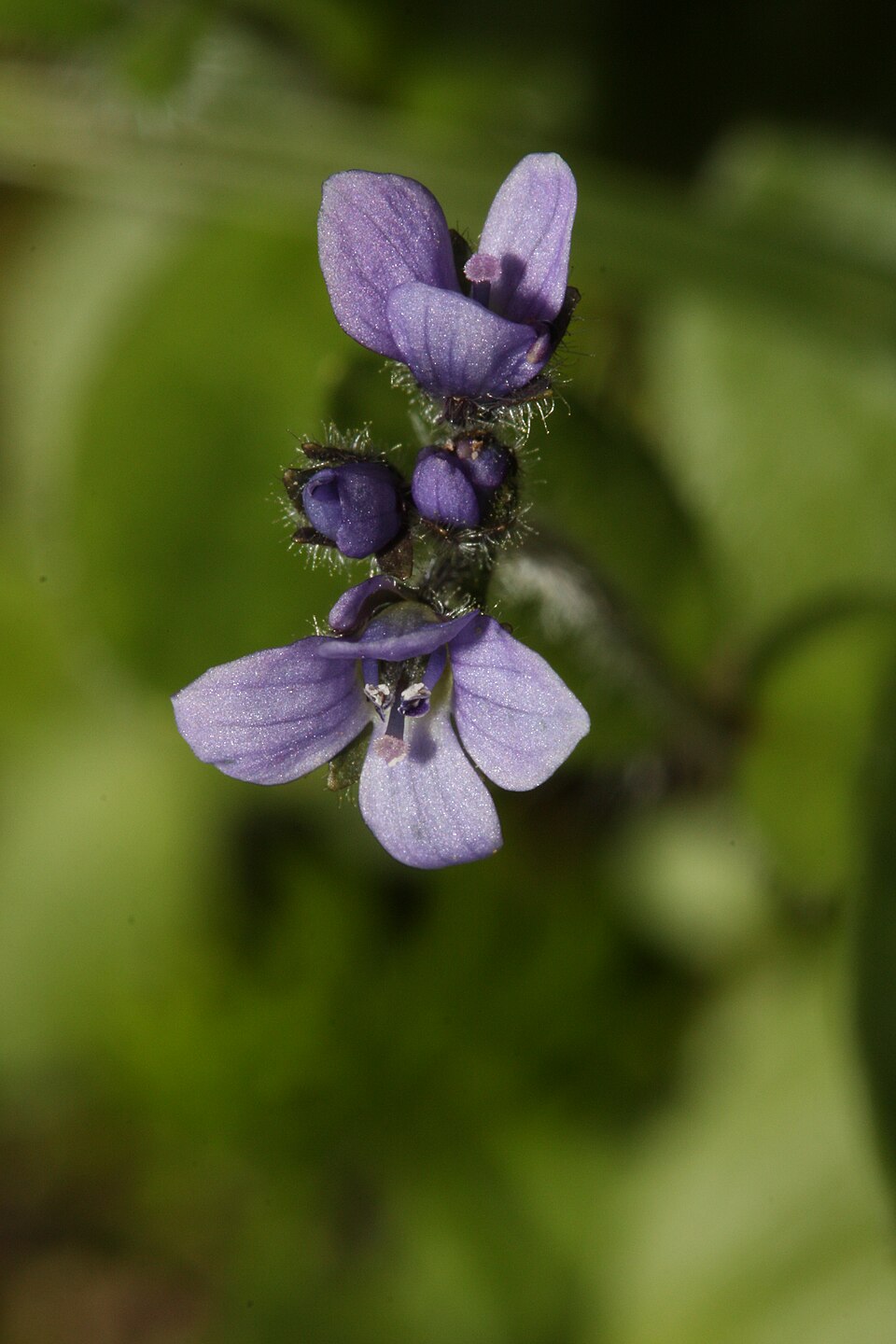
Walter Siegmund (talk)
Taxonomy
- Division:
- Magnoliophyta | - Flowering plants
- Family:
- Plantaginaceae
- Genus:
- Veronica
- Species:
- Veronica wormskjoldii
- USDA Symbol:
- VEWO2
Growth Characteristics
- Life Cycle:
- Perennial
- Growth Habit:
- Forb/herb
- Height:
- 40 cm
- Light Requirements:
- Part Shade
- Drought Tolerance:
- Low
- Bloom Months:
- jun,jul,aug
- Bloom Colors:
- blue, purple
Wildlife Benefits
- Bees:
- ★☆☆☆☆ Documented bee visitation (GBIF)
- Butterflies & Moths:
- ★☆☆☆☆ Documented Lepidoptera association (GBIF)
- Caterpillars:
- ★☆☆☆☆ Recorded caterpillar host plant (HOSTS Database)
Keystone Species Ranking
- Caterpillar Keystone:
- ★☆☆☆☆ Butterfly & moth species supported by this genus (NWF)
Host Plant for Caterpillars
Gillette's checkerspot (Euphydryas gillettii)
Garden & Ecology Notes
- Wildlife Value:
- bees, butterflies
Soil Requirements
- Soil Type:
- moist, well-drained loamy soil
- pH:
- 5.5 - 7.5 (slightly acidic to neutral)
- Drainage:
- good drainage preferred
- Moisture:
- consistently moist
- Notes:
- thrives in alpine and subalpine meadows
Propagation & Germination
- Stratification:
- Cold/moist stratification required — 30–60 days
- Germination Time:
- 14–30 days
- Notes:
- Seeds benefit from cold stratification; surface sow on moist medium and keep cool.
Pre-treatment: Seeds are placed into 5 month outdoor cold, moist stratification.
Establishment: V. wormskjoldii is found in subalpine and alpine meadows throughout North America, from mid to high elevations from Alaska to Greenland, south to California, and through the Rocky Mountain States to New Mexico, and south on the east coast to New Hampshire. It is common in subalpine to alpine, dry to moist seral meadows.
Source: npn.rngr.net