
Sweetgrass
Anthoxanthum nitens
- Native to:
- Afghanistan, Aleutian Is., Austria, Baltic States, Belarus, Belgium, Canada, China, Czechia-Slovakia, Denmark, Finland, France, Germany, Great Britain, Greenland, Iceland, Iran, Ireland, Italy, Kazakhstan, Kirgizstan, Korea, Labrador, Nepal, Netherlands, North Caucasus, Norway, Poland, Prince Edward I., Russia, Sweden, Switzerland, Transcaucasus, Türkiye, Ukraine, United States
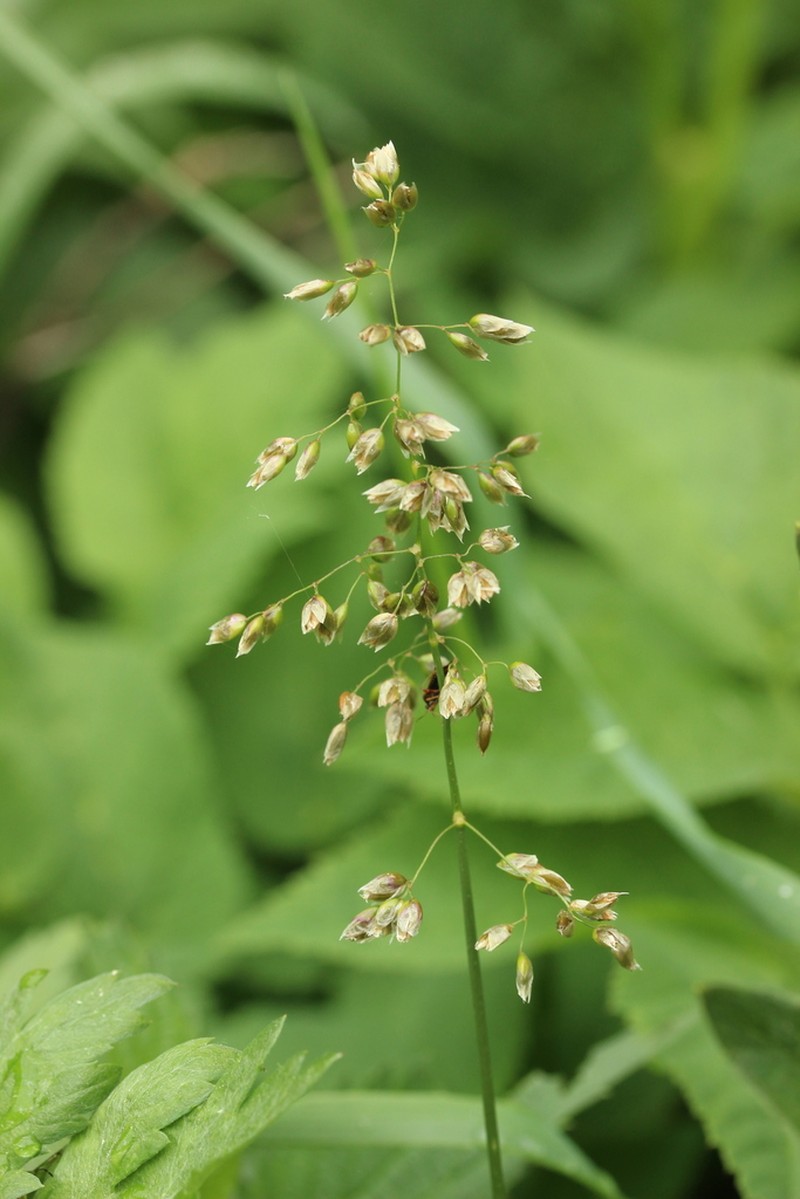
iNaturalist: © sokolkov2002 (iNaturalist #22483109)
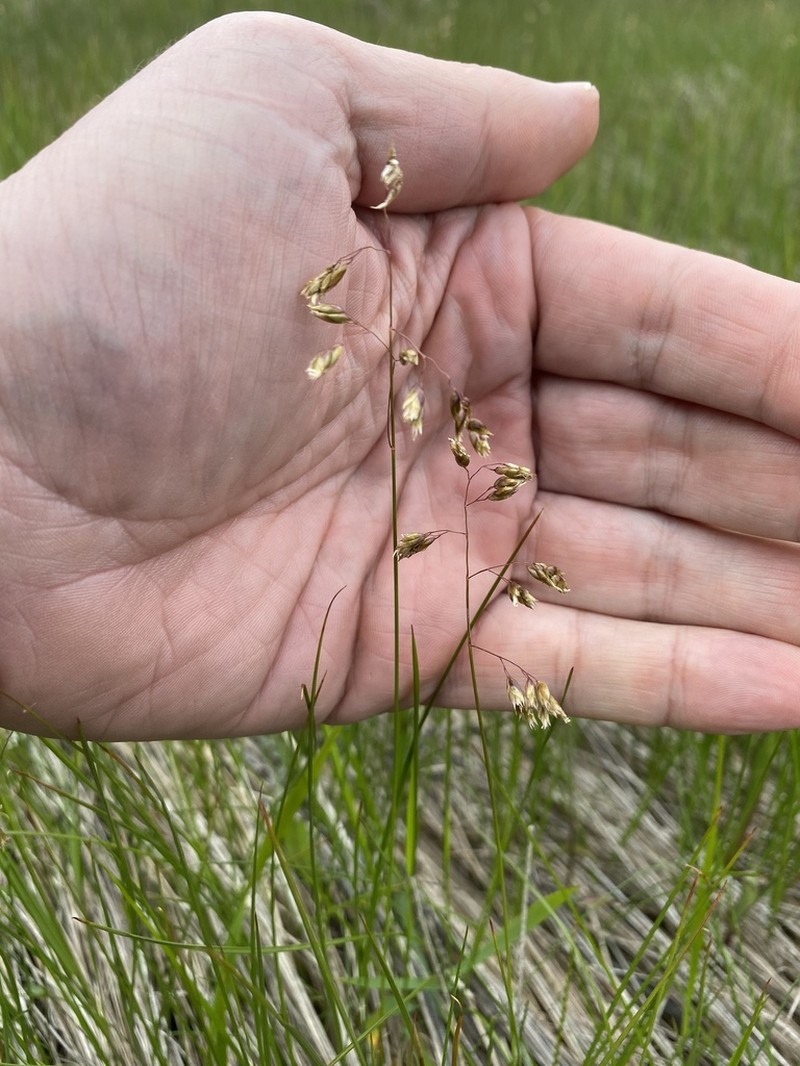
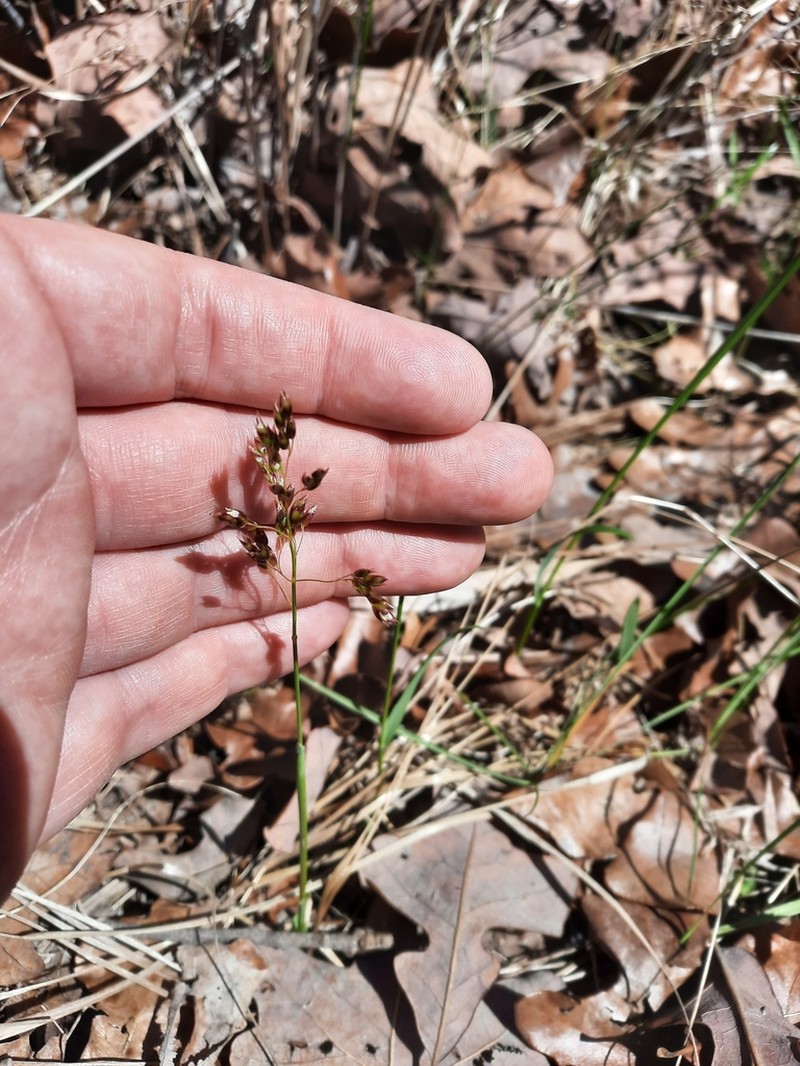
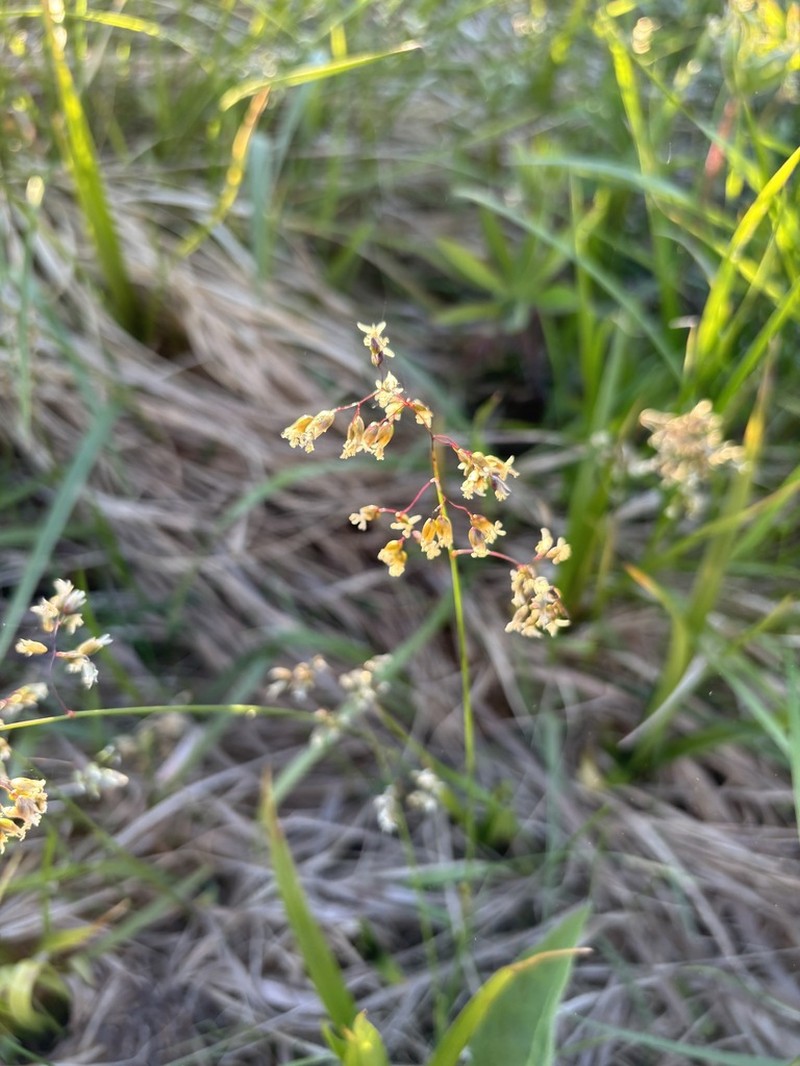
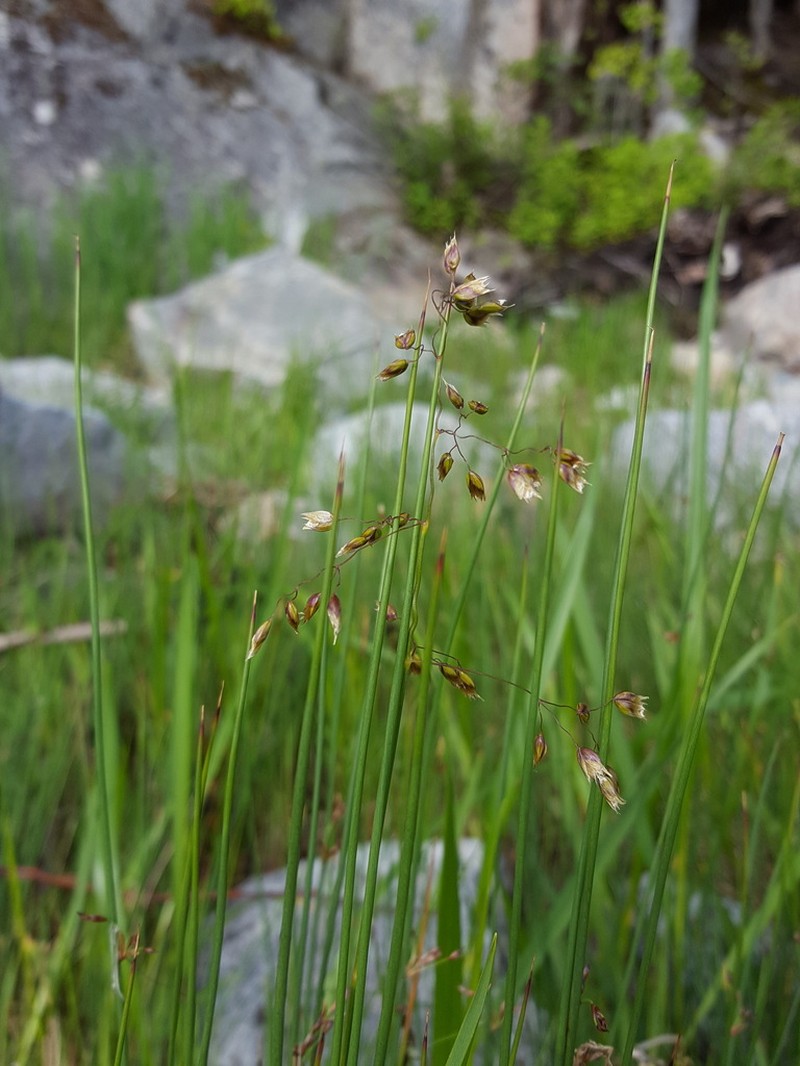
Taxonomy
- Division:
- Magnoliophyta | - Flowering plants
- Family:
- Poaceae
- Genus:
- Anthoxanthum
- Species:
- Anthoxanthum nitens
- USDA Symbol:
- HIOD
Growth Characteristics
- Life Cycle:
- Perennial
- Growth Habit:
- Graminoid
- Height:
- 100 cm
- Light Requirements:
- Full Sun
- Drought Tolerance:
- Medium
- Bloom Months:
- may,jun,jul
Garden & Ecology Notes
- Wildlife Value:
- birds, small mammals
- Fragrant:
- Yes
Propagation & Germination
- Stratification:
- Cold/moist stratification required — 30–60 days
- Germination Time:
- 14–30 days
- Notes:
- Requires light for germination; sow on soil surface and do not cover seed.
Pre-treatment: For seeds, cold moist stratification at 40 degrees F for 8 weeks or mix seeds with perlite or vermiculite and cold store at 33-42 degrees F for one month. For cuttings, rhizome divisions with at least 3 leaf bud shoots per rhizome are divided from nursery stock and planted into individual containers.
Establishment: Sweetgrass is a cool season species and its seeds require a period of cold temperatures before they germinate. Late fall, late winter and early spring are the best times to sow seeds. Sweetgrass inconsistently produces seeds. Seeds can be collected in late summer. Rhizome divisions were separated from established nursery plants.
Source: npn.rngr.net
Where to Buy
Nationwide Seller
- Pizzo Native Plant Nursery (wholesale nursery)
- Prairie Moon Nursery (nursery and seeds)