
Giant Cane
Arundinaria gigantea
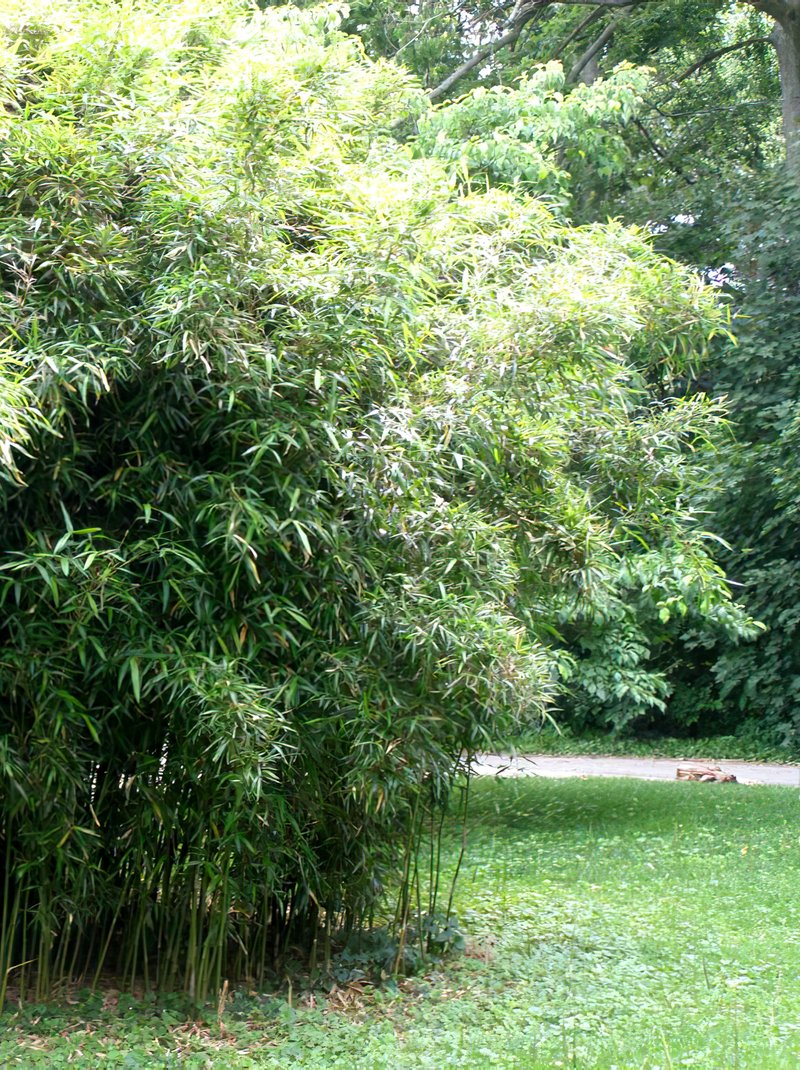
Taxonomy
- Division:
- Magnoliophyta | - Flowering plants
- Family:
- Poaceae
- Genus:
- Arundinaria
- Species:
- Arundinaria gigantea
Growth Characteristics
- Life Cycle:
- Perennial
- Growth Habit:
- Graminoid , Shrub , Subshrub
- Height:
- 20-40 ft
- Light Requirements:
- Part Shade
- Drought Tolerance:
- High
- Bloom Months:
- feb, mar, apr, may
- Bloom Colors:
- Green
Native Range
United States: Alabama, Arkansas, Delaware, Florida, Georgia, Illinois, Indiana, Kansas, Kentucky, Louisiana, Maryland, Missouri, Mississippi, North Carolina, New Jersey, New York, Ohio, Oklahoma, South Carolina, Tennessee, Texas, Virginia, West Virginia
Host Plant for Caterpillars
Carolina Roadside Skipper (Amblyscirtes carolina), Creole Pearly-eye (Enodia creola), Lace-winged Roadside Skipper (Amblyscirtes aesculapius), Northern Pearly-Eye (Enodia portlandia), reversed roadside skipper (Amblyscirtes reversa)
Soil Requirements
- Soil Type:
- rich, well-drained loamy soil
- pH:
- 5.0 - 7.0 (slightly acidic to neutral)
- Drainage:
- tolerates poor drainage
- Moisture:
- consistently moist
- Notes:
- Commonly found in floodplains and riverbanks
Germination Information
Pre-treatment: None required
Establishment: Giant cane is found from Ohio, Indiana, Illinois, Missouri and Oklahoma to North Carolina, Florida and Texas; mostly above the coastal plain. It forms dense stands in low and swampy woods, moist meadows and along river banks. Vegetative propagule collection is from south central Missouri.
Source: npn.rngr.net