
Cane Bluestem
Bothriochloa barbinodis
- Native to:
- Argentina, Bolivia, Brazil, Colombia, Ecuador, El Salvador, Mexico, Paraguay, Peru, United States, Uruguay
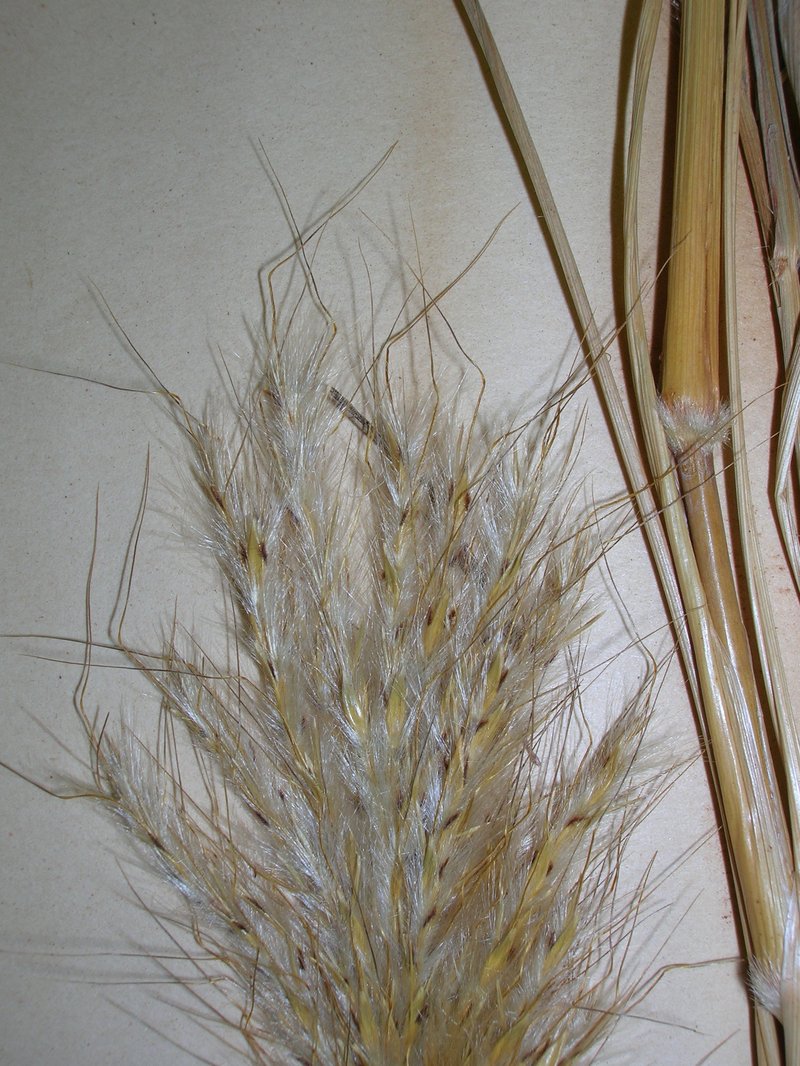
Forest & Kim Starr (www.hear.org)
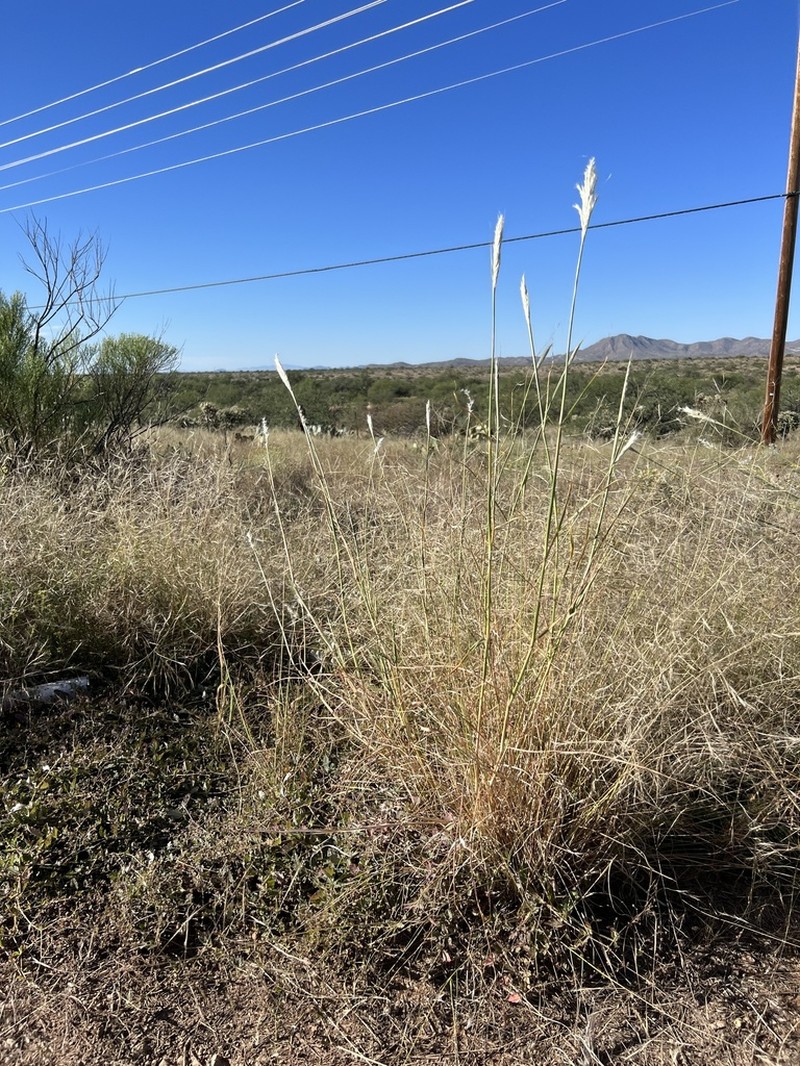
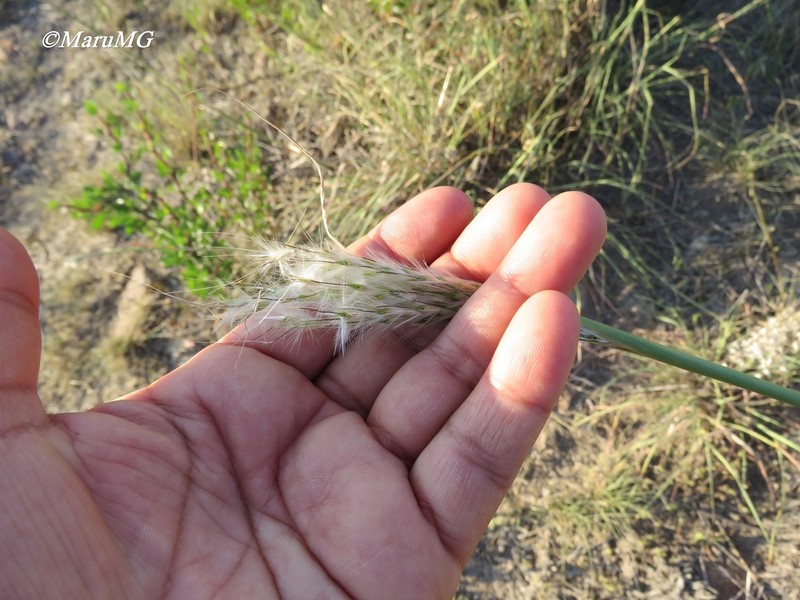
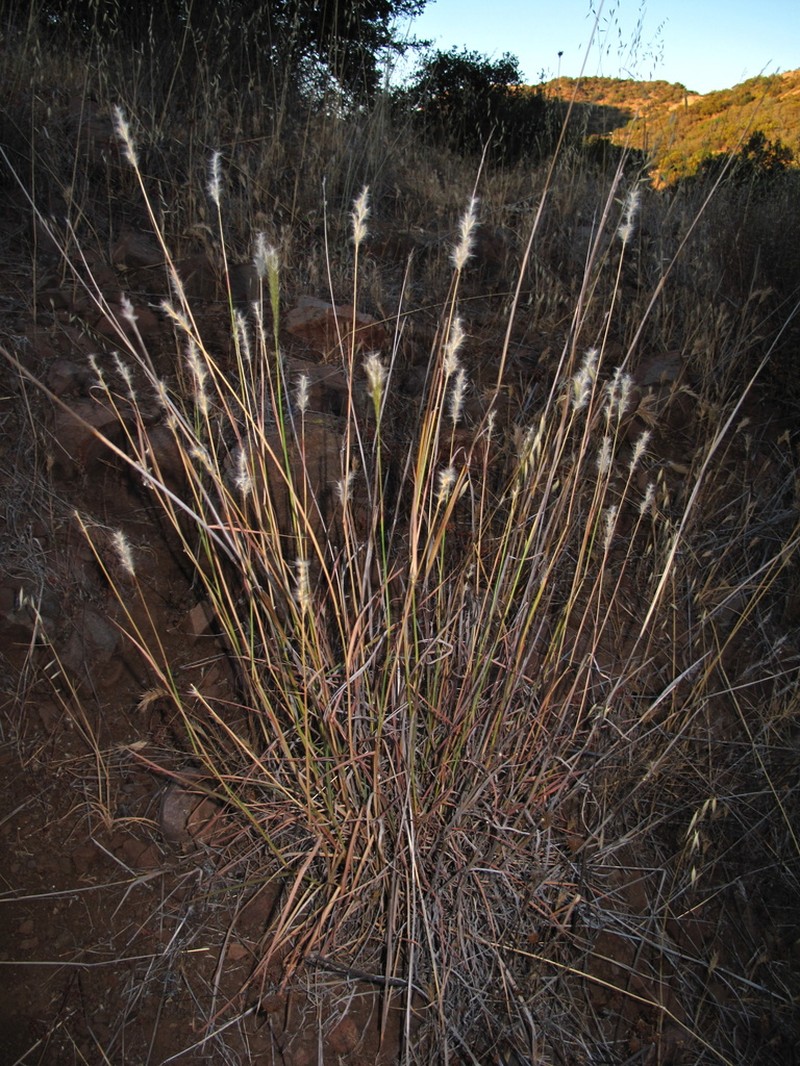
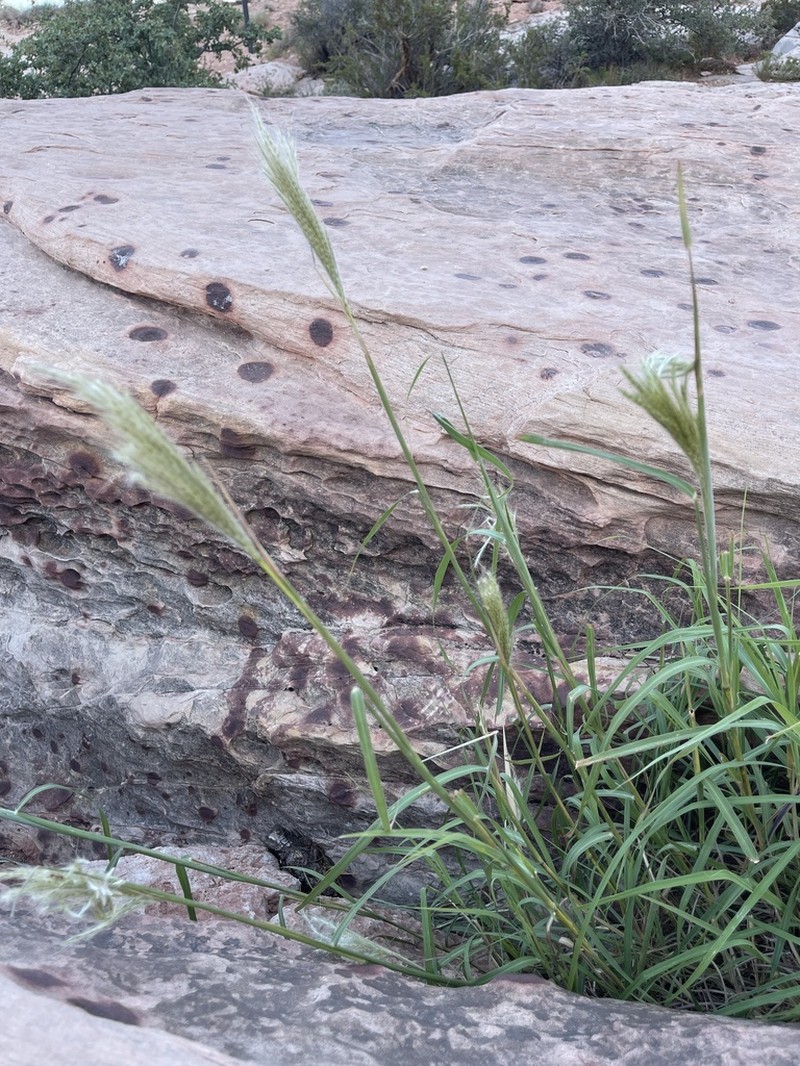
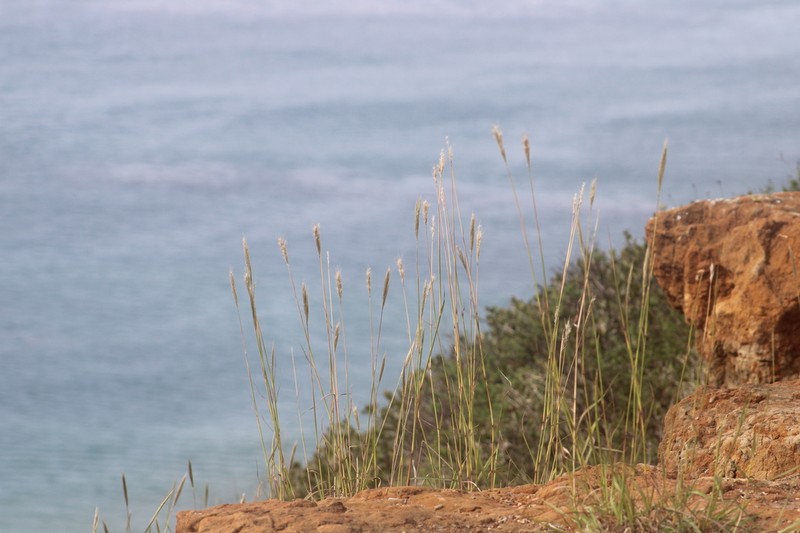
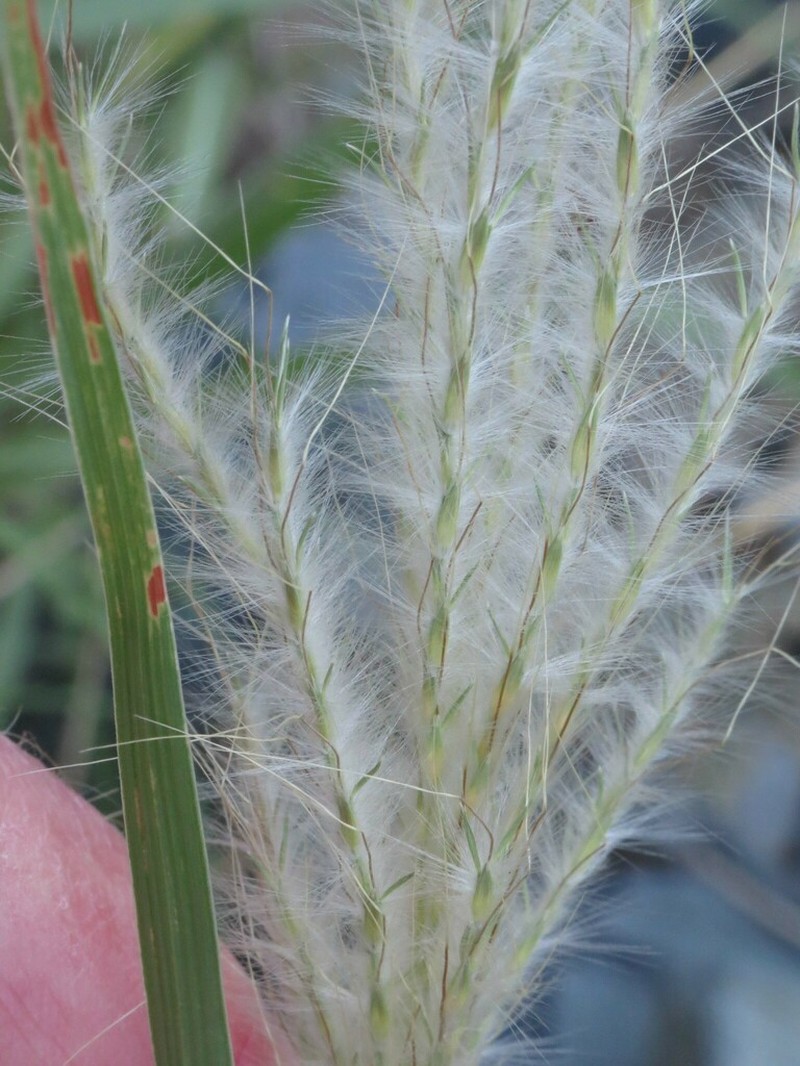
Taxonomy
- Division:
- Magnoliophyta | - Flowering plants
- Family:
- Poaceae
- Genus:
- Bothriochloa
- Species:
- Bothriochloa barbinodis
- USDA Symbol:
- BOBA3
Growth Characteristics
- Life Cycle:
- Perennial
- Growth Habit:
- Graminoid
- Height:
- 120 cm
- Light Requirements:
- Full Sun
- Drought Tolerance:
- High
- Bloom Months:
- jul,aug,sep,oct
Wildlife Benefits
- Butterflies & Moths:
- ★★★★★ Documented Lepidoptera association (GBIF)
- Caterpillars:
- ★☆☆☆☆ Recorded caterpillar host plant (HOSTS Database)
Host Plant for Caterpillars
paradoxical grass moth (Heliocheilus paradoxus)
Garden & Ecology Notes
- Wildlife Value:
- birds, small mammals
- Deer Resistant:
- Yes
- Salt Tolerant:
- Yes
- Fire Ecology:
- Fire adapted — tolerates or benefits from fire
- Fire Notes:
- Resprouts from basal crown after fire; fire can stimulate seed germination.
Soil Requirements
- Soil Type:
- well-drained, sandy to loamy soil
- pH:
- 6.0 - 8.0 (neutral to slightly alkaline)
- Drainage:
- excellent drainage required
- Moisture:
- dry to moderate
- Notes:
- prefers open, sunny locations
Propagation & Germination
Pre-treatment: Direct seeding on listed beds, irrigation, cultivation and fertilization.
Establishment: Seeds are collected when they form a white fluffy fan at the top of the culms and when they readily detach from the plant. The plant prefers calcareous loamy soils and can survive in very dry areas that receive seasonal flooding. It is an important food and shelter plant for Gambel’s quail and rabbits, and it can be useful in erosion control.
Source: npn.rngr.net
Where to Buy
Nationwide Seller
- Native American Seed (nursery and seeds)