
California Brome
Bromus carinatus
Also known as: Hoary Brome
- Native to:
- Canada, Costa Rica, El Salvador, Guam, Guatemala, Honduras, Mexico, Peru, United States, Venezuela
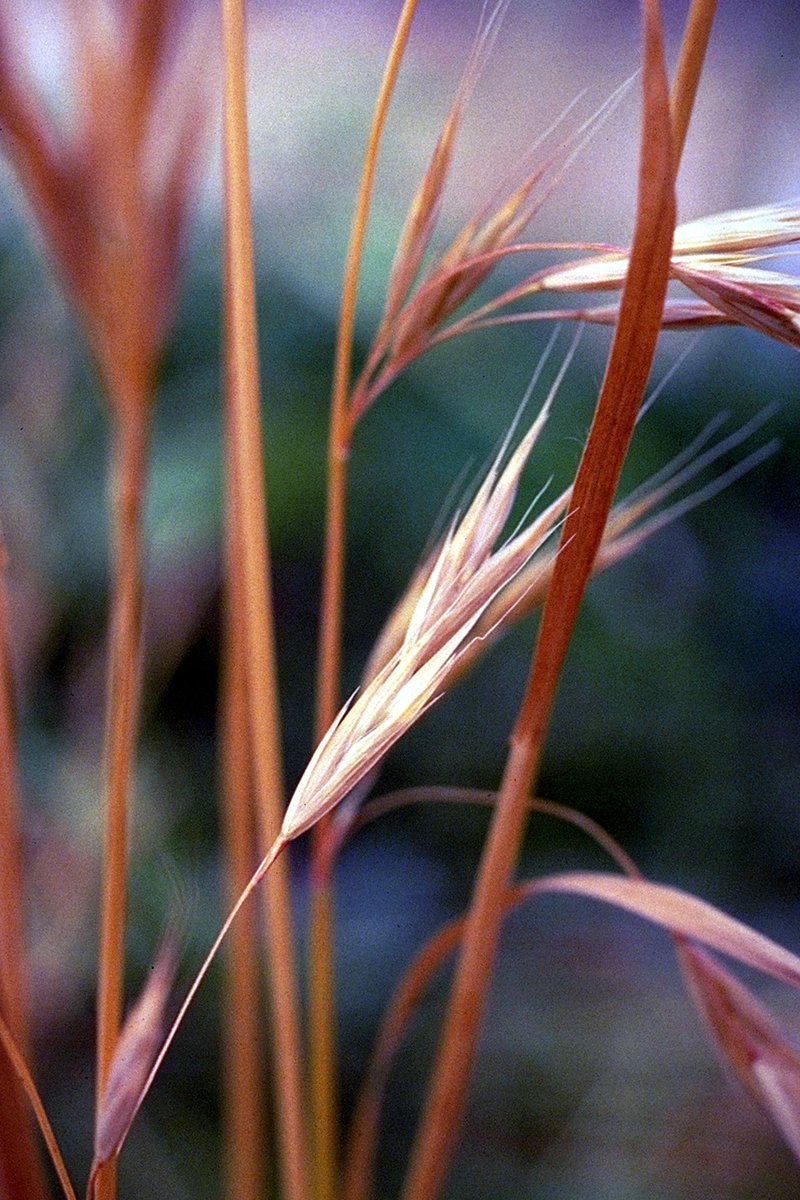
Lockeford Plant Materials Center (CAPMC)
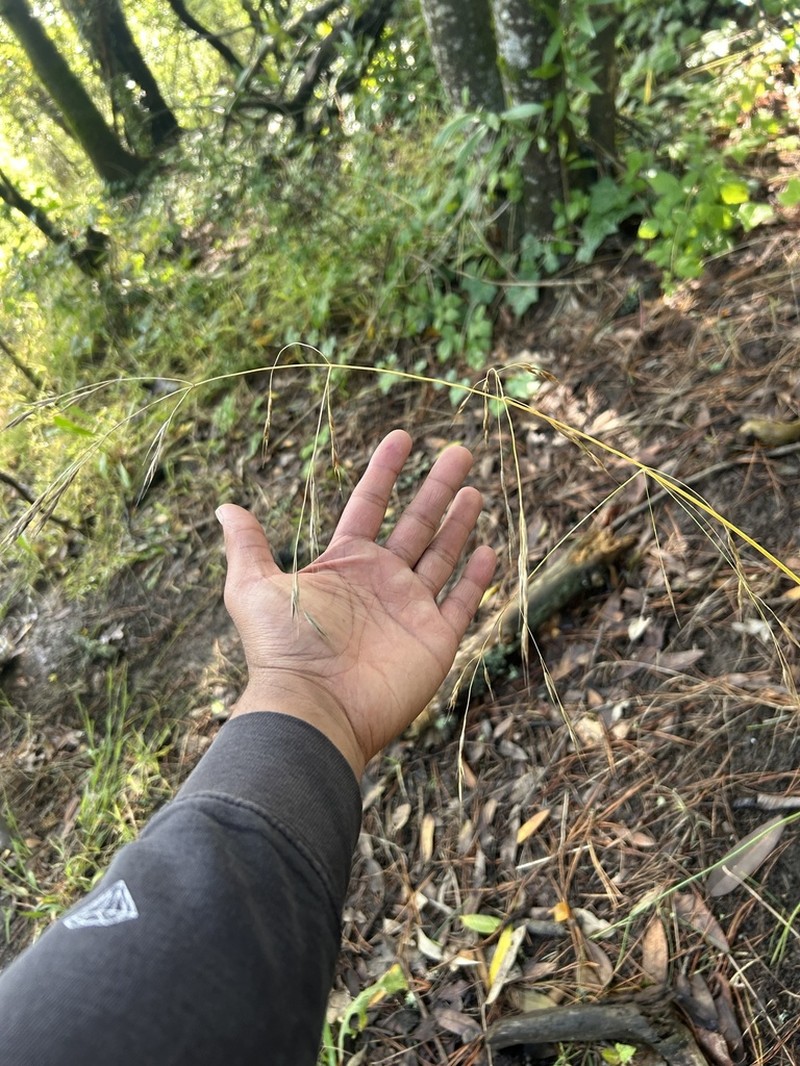
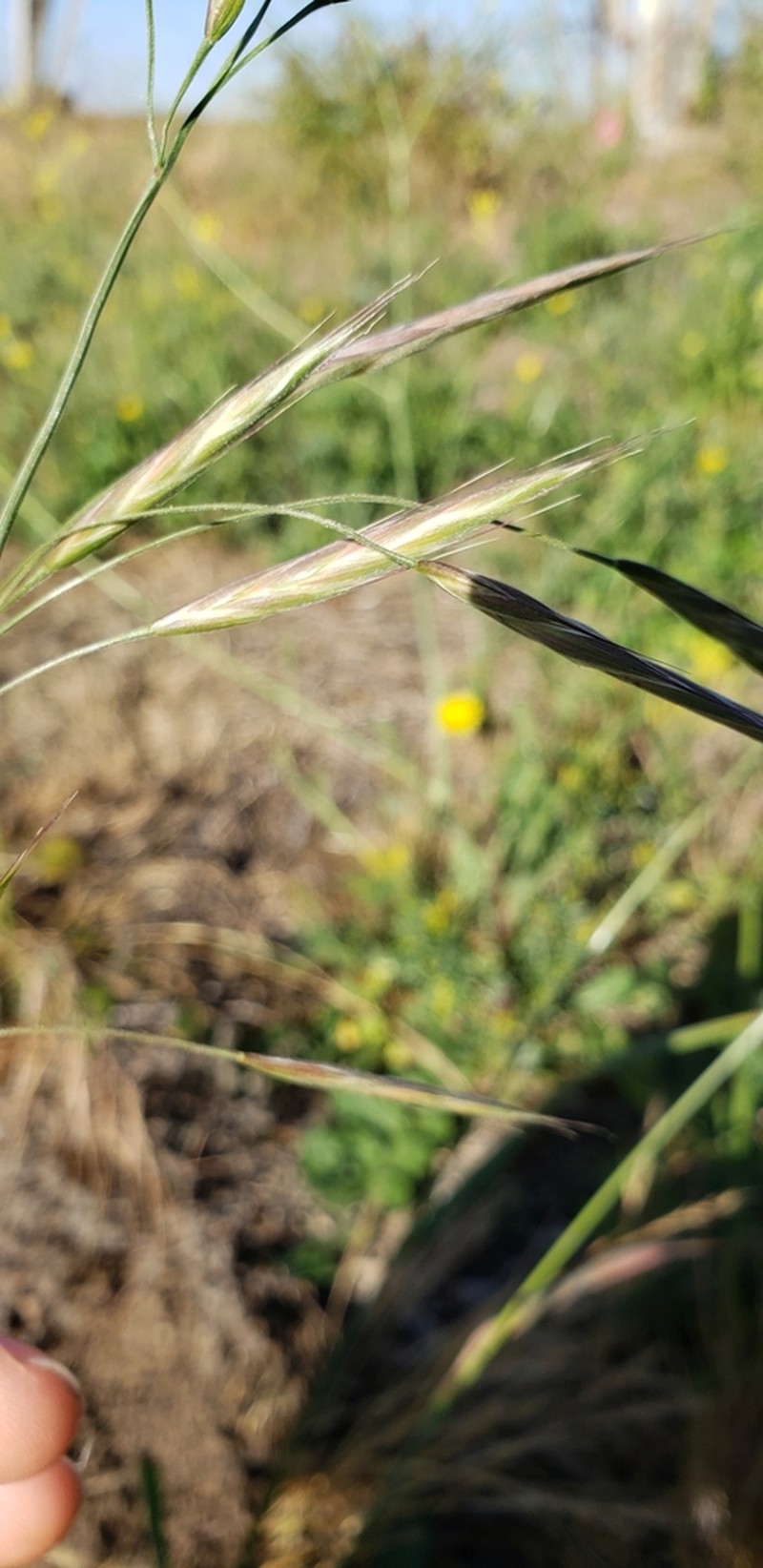
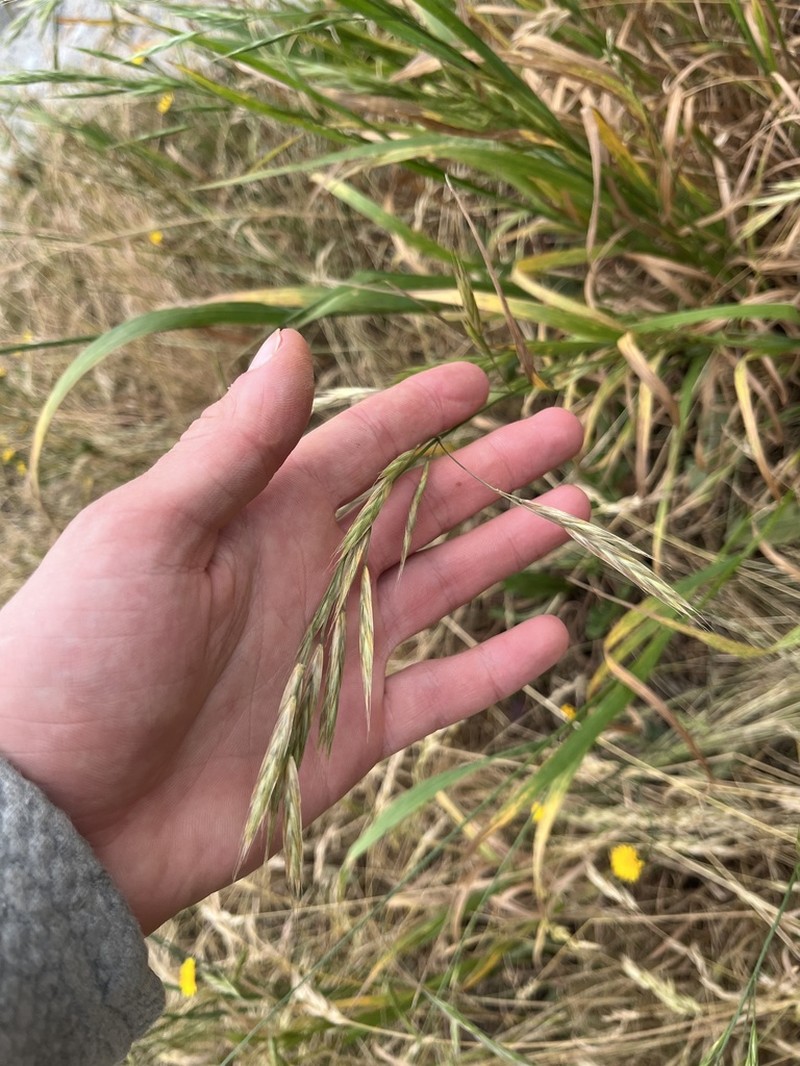
Taxonomy
- Division:
- Magnoliophyta | - Flowering plants
- Family:
- Poaceae
- Genus:
- Bromus
- Species:
- Bromus carinatus
- USDA Symbol:
- BRCA5
Growth Characteristics
- Life Cycle:
- Annual | Perennial
- Growth Habit:
- Graminoid
- Height:
- 150 cm
- Light Requirements:
- Part Shade
- Drought Tolerance:
- Medium
- Bloom Months:
- may,jun,jul
- Bloom Colors:
- green, purple
Garden & Ecology Notes
- Wildlife Value:
- birds, small mammals
- Fire Ecology:
- Fire adapted — tolerates or benefits from fire
- Fire Notes:
- Common in post-fire habitats; resprouts from root crown after low to moderate severity fire.
Soil Requirements
- Soil Type:
- rich, well-drained loamy soil
- pH:
- 5.5 - 7.5 (slightly acidic to neutral)
- Drainage:
- excellent drainage required
- Moisture:
- dry to moderate
- Notes:
- adaptable to various soil types within range
Propagation & Germination
- Stratification:
- Cold/moist stratification required — 30–60 days
- Germination Time:
- 7–21 days
- Notes:
- Seeds germinate readily after cold stratification; sow in fall or stratify for 30-60 days.
Pre-treatment: Seeds placed in 0-1°C (32-34°F) for a 10-day cold stratification treatment and then exposed to 22-25°C (72-77°F). Some references suggest pretreating seed with antifungal seed pretreatments such as 'Vitavax' for smut control. No pretreatment required for container (plug) propagation.
Establishment: Germination is fairly rapid; stand emergence generally is very good at 21 days. Transplant survival averages 75% for container (plug) propagation. Seed collection varies widely between lots and years. Seed is easily collected by hand-stripping into cloth sacks or by hand-sickle in more solid stands. Smutted seed heads were quite common in some years both in native stands and at the Corvallis PMC in increase fields.
Source: npn.rngr.net
Where to Buy
Nationwide Seller
- Native Seed Group (seeds)