
Fringed Brome
Bromus ciliatus
- Native to:
- Aleutian Is., Canada, China, Japan, Korea, Kuril Is., Labrador, Prince Edward I., Russia, United States, Virgin Islands
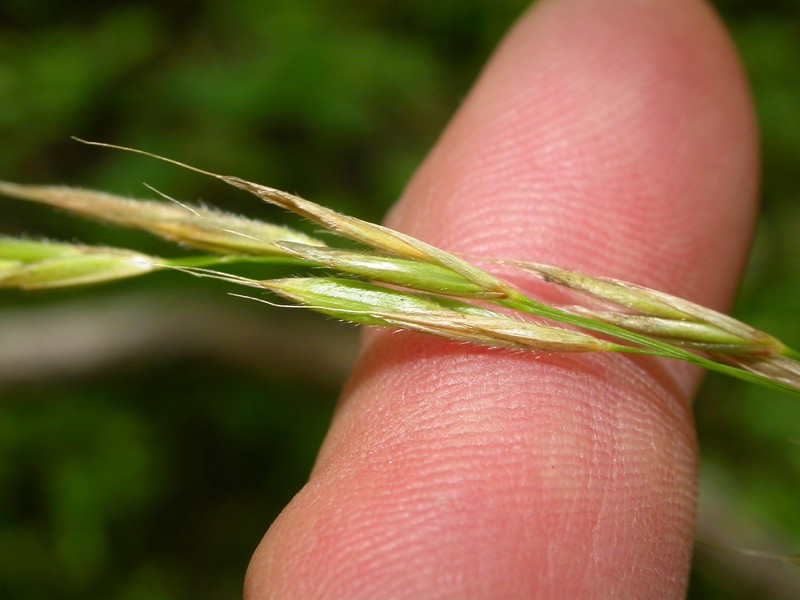
Matt Lavin (www.flickr.com)
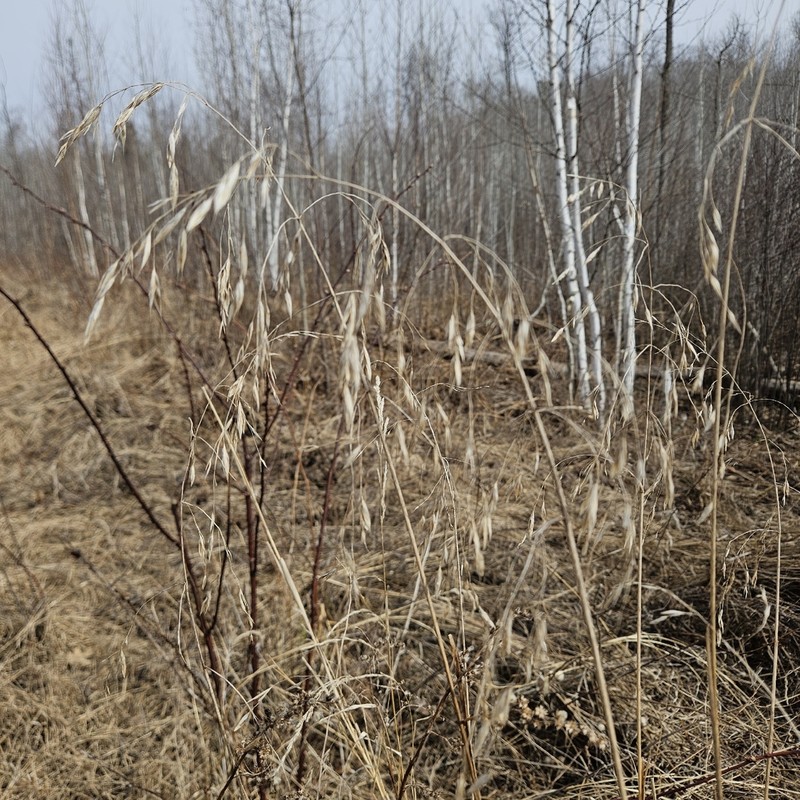
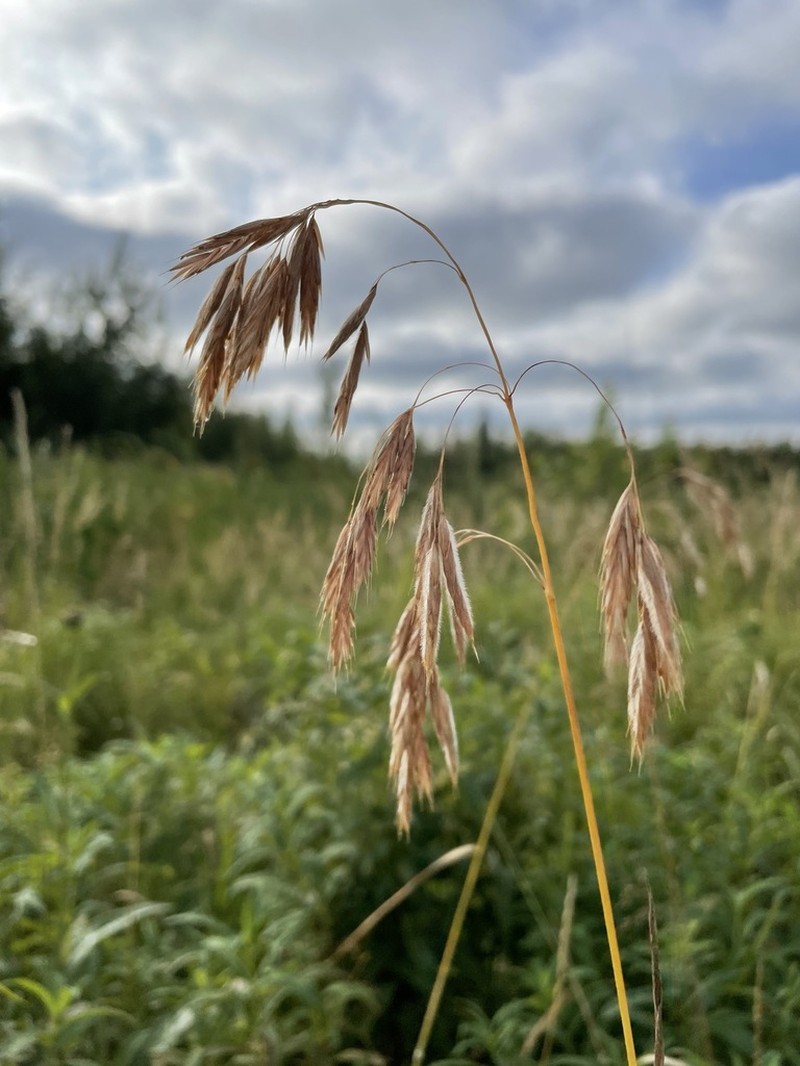
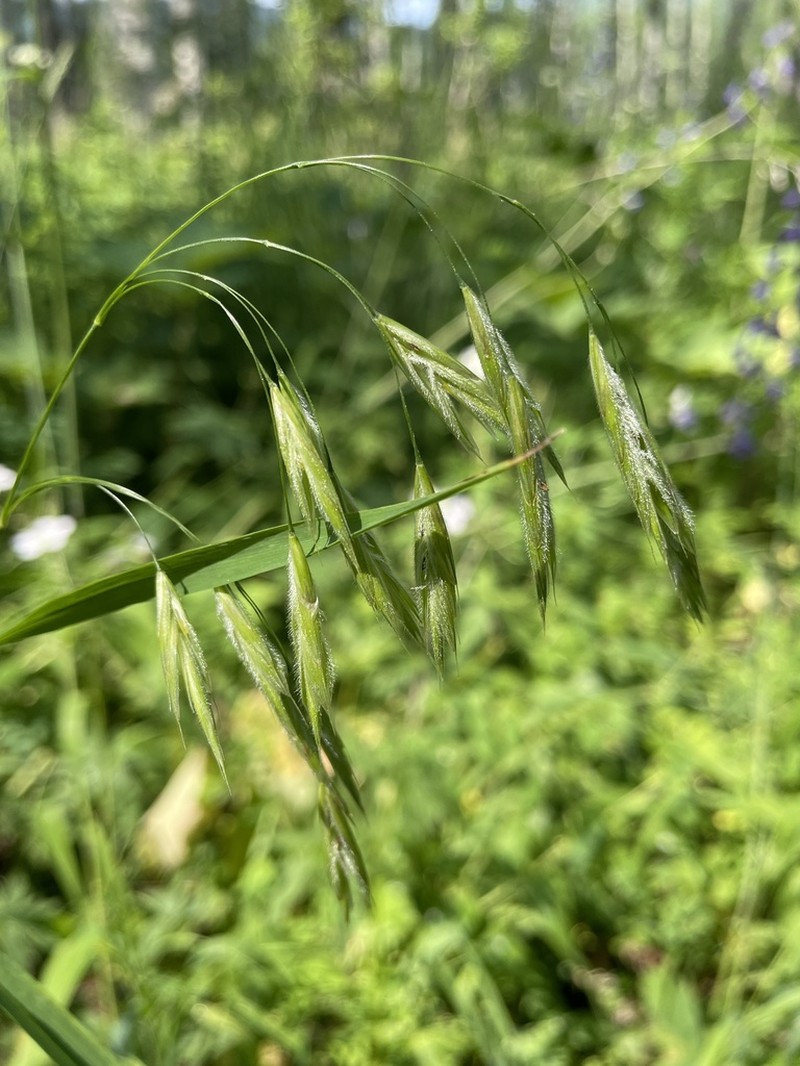
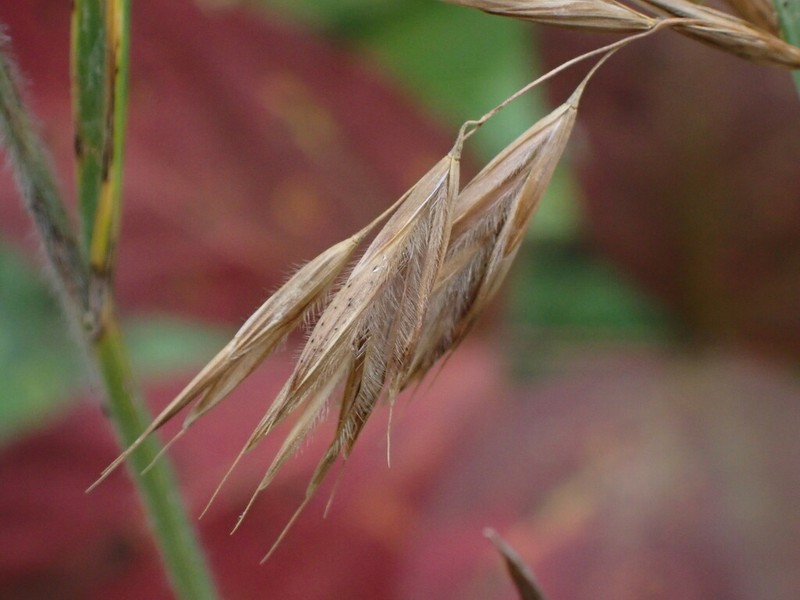
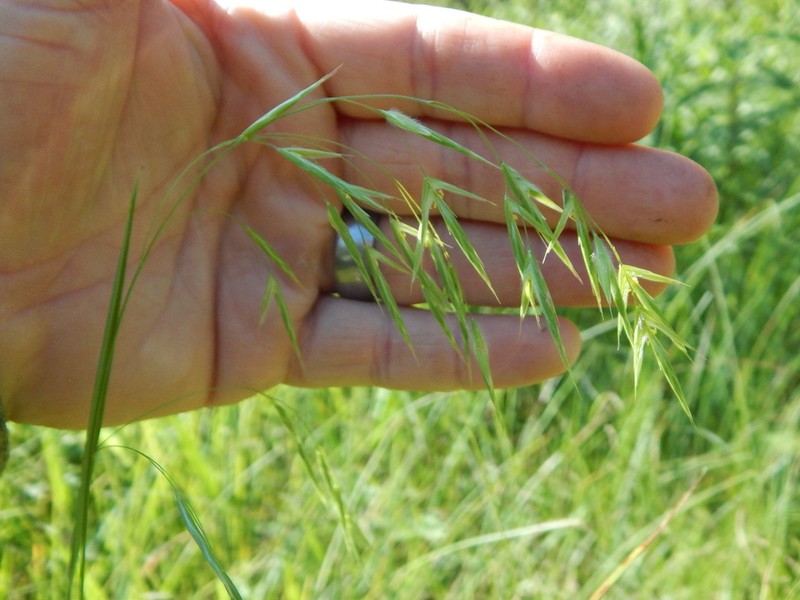
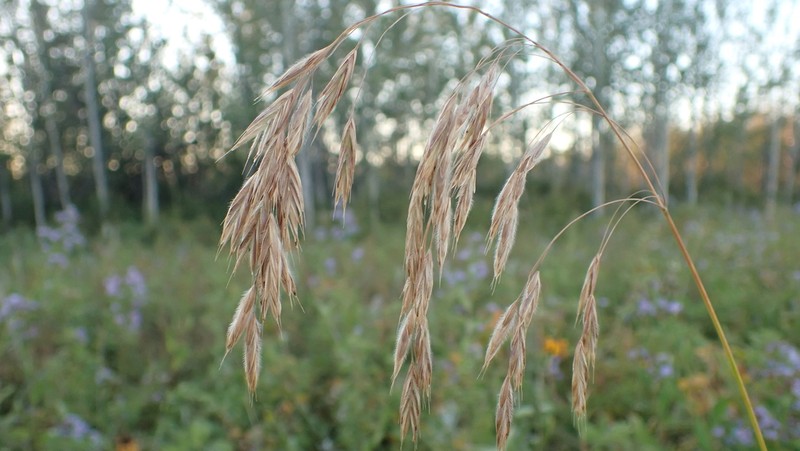
Taxonomy
- Division:
- Magnoliophyta | - Flowering plants
- Family:
- Poaceae
- Genus:
- Bromus
- Species:
- Bromus ciliatus
- USDA Symbol:
- BRCI2
Growth Characteristics
- Life Cycle:
- Perennial
- Growth Habit:
- Graminoid
- Height:
- 120 cm
- Light Requirements:
- Full Sun,Part Shade,Shade
- Drought Tolerance:
- Low
- Bloom Months:
- jun,jul,aug
- Bloom Colors:
- green, purple
Garden & Ecology Notes
- Wildlife Value:
- birds, small mammals
- Fire Ecology:
- Fire adapted — tolerates or benefits from fire
- Fire Notes:
- Can resprout after fire; often increases in abundance post-fire in moist meadows.
Soil Requirements
- Soil Type:
- moist, fertile, well-drained loam
- pH:
- 5.5 - 7.5 (slightly acidic to neutral)
- Drainage:
- tolerates poor drainage
- Moisture:
- consistently moist
- Notes:
- commonly found in meadows and forest edges
Propagation & Germination
- Stratification:
- Cold/moist stratification required — 30–60 days
- Germination Time:
- 14–30 days
- Notes:
- Seeds germinate readily after cold stratification; sow in fall or stratify for 30-60 days.
Pre-treatment: One month of moist cold stratification is required. Use a Ziploc-style bag or a small Rubbermaid-style container to mix an equal amount of seeds with either perlite or vermiculite. Add a small amount of water and place in a refrigerator or cold garage (33-42 degrees F) for at least one month. Cold store until planted (up to 3 years).
Establishment: Seeds are collected by hand from locally native plants within the eastern central Upper Peninsula. The plant flowers from June to July and seeds are harvested from July to September. The plant grows in clumps and can reach up to 2 feet in height. It is found in stream banks, thickets, moist shores, openings in cedar bogs, ditches and wet places. The second protocol mentions that germination occurs at 24 C, but does not provide any additional details.
Source: npn.rngr.net
Where to Buy
Nationwide Seller
- Native Seed Group (seeds)
- Prairie Moon Nursery (nursery and seeds)