
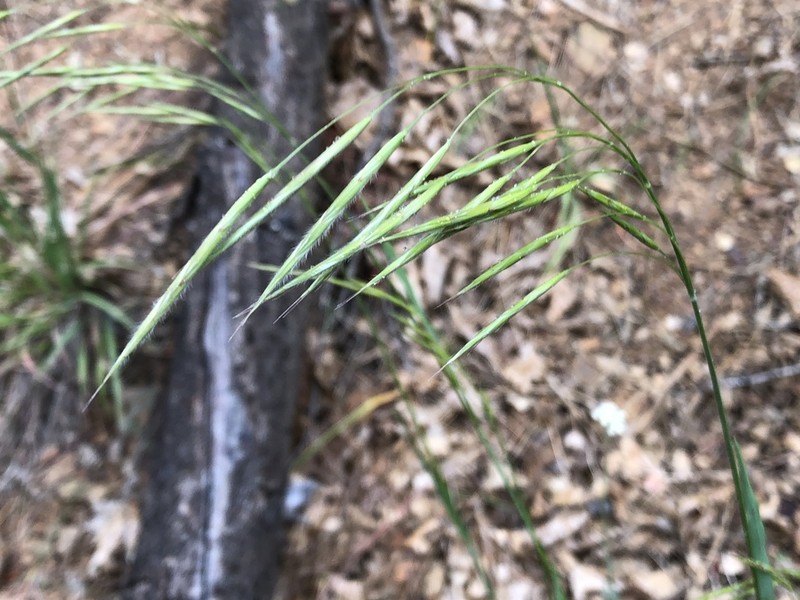
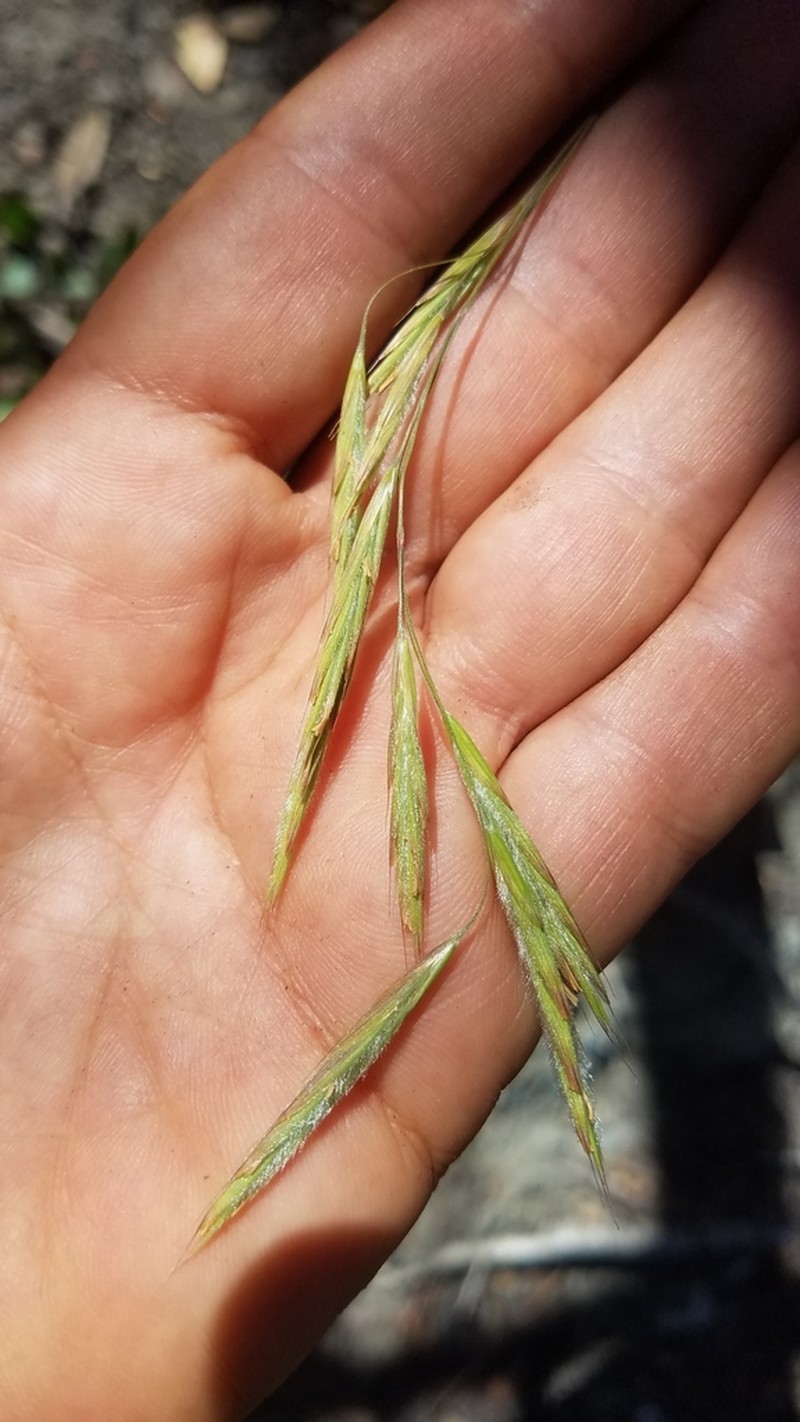
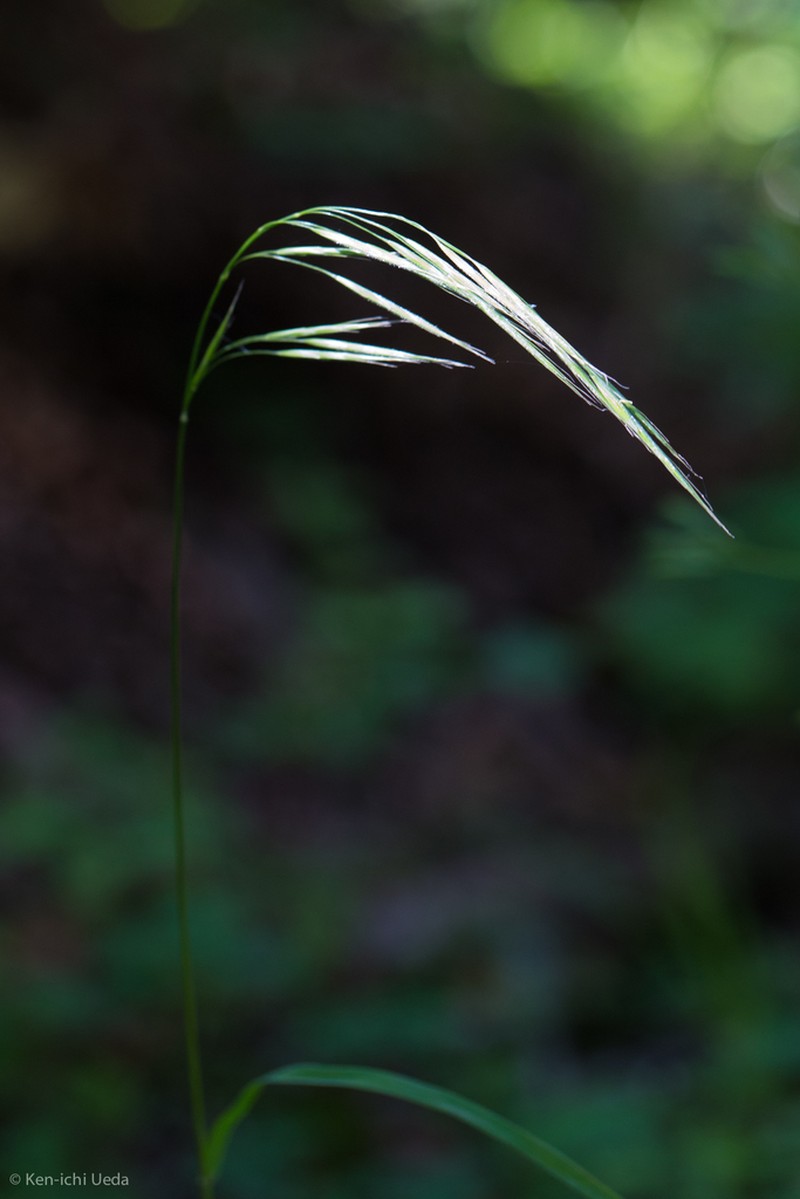
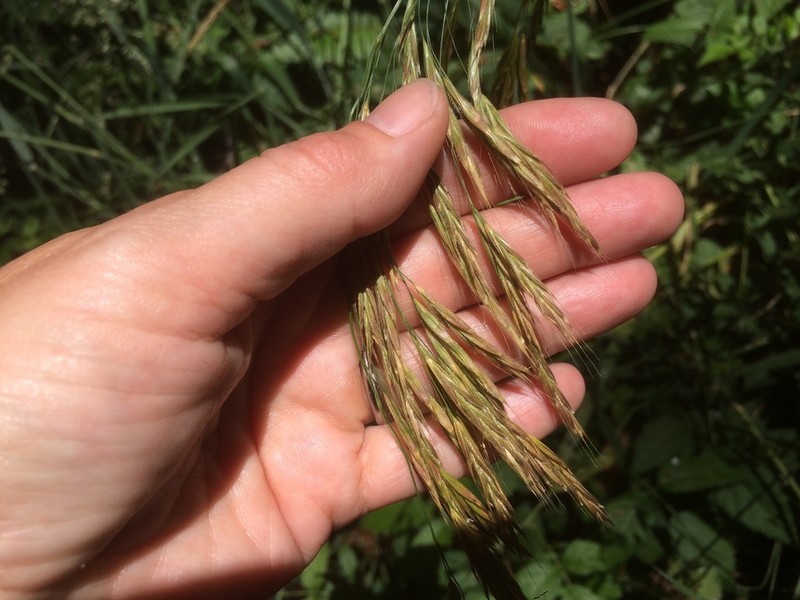
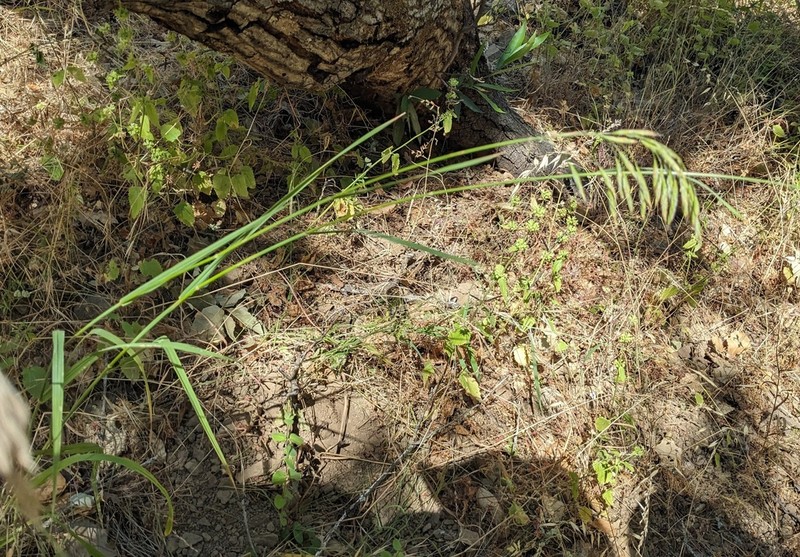
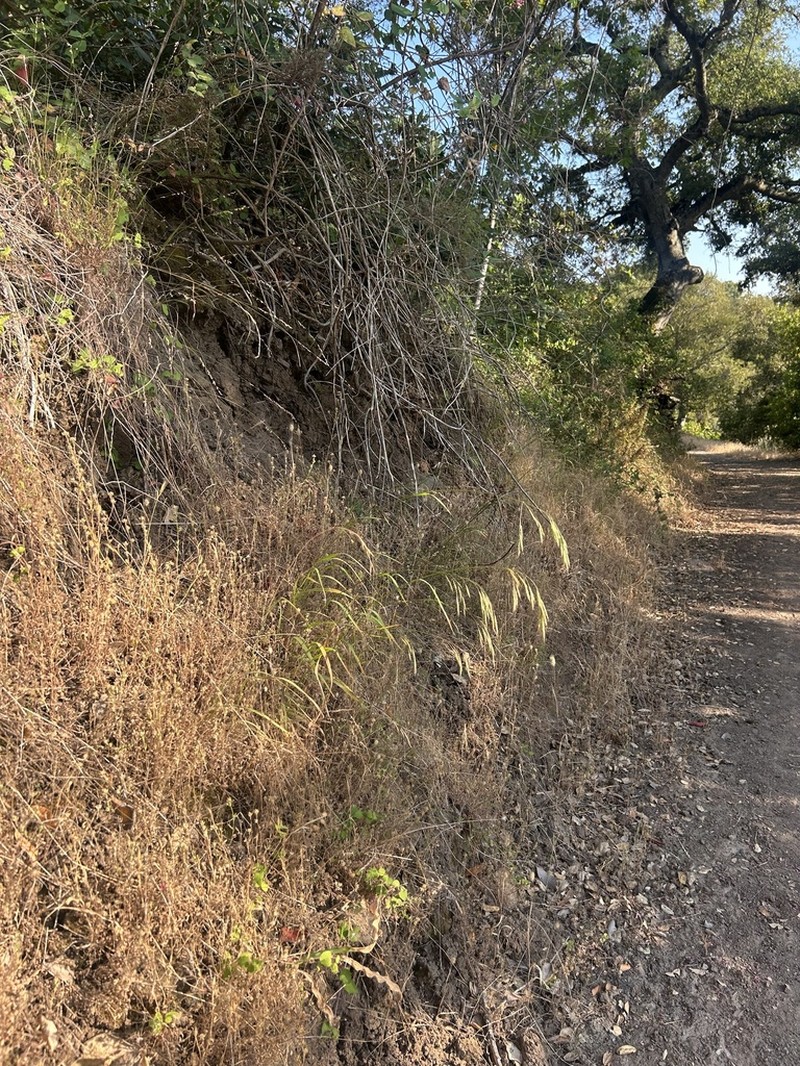
Chinook Brome
Bromus laevipes
- Native to:
- United States
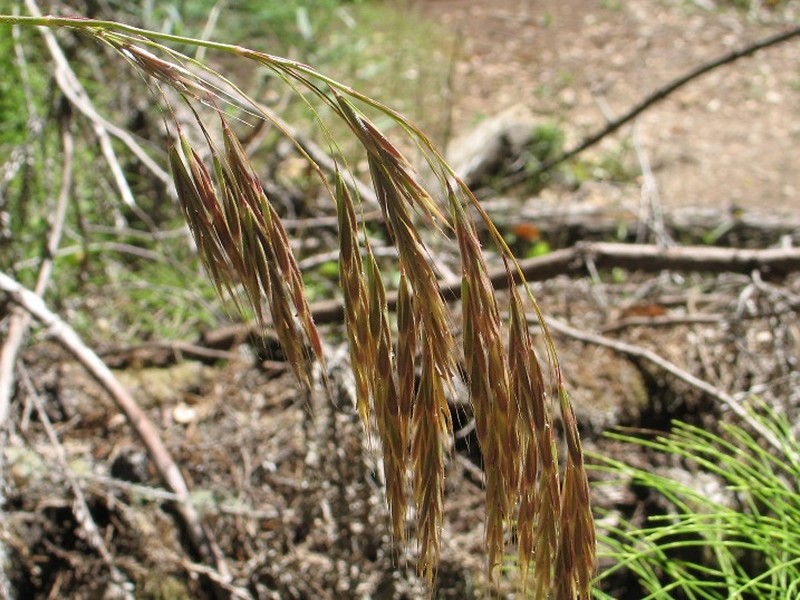
Robert Steers/NPS
Taxonomy
- Division:
- Magnoliophyta | - Flowering plants
- Family:
- Poaceae
- Genus:
- Bromus
- Species:
- Bromus laevipes
- USDA Symbol:
- BRLA3
Growth Characteristics
- Life Cycle:
- Perennial
- Growth Habit:
- Graminoid
- Height:
- 120 cm
- Light Requirements:
- Full Sun
- Drought Tolerance:
- Medium
- Bloom Months:
- may,jun,jul
Garden & Ecology Notes
- Wildlife Value:
- birds, small mammals
- Fire Ecology:
- Fire adapted — tolerates or benefits from fire
- Fire Notes:
- Resprouts from root crowns after low-severity fire; common in fire-prone chaparral and woodland ecotones.
Soil Requirements
- Soil Type:
- rich, well-drained loamy soil
- pH:
- 5.5 - 7.5 (slightly acidic to neutral)
- Drainage:
- excellent drainage required
- Moisture:
- consistently moist
- Notes:
- prefers shaded woodland areas
Propagation & Germination
Pre-treatment: None required
Establishment: This plant is commonly found in coastal scrubland, valley grasslands, chapparal, forested areas and subalpine regions in the far western United States including Washington, Oregon, Nevada and California.
Source: npn.rngr.net