
Pinegrass
Calamagrostis rubescens
- Native to:
- Canada, United States
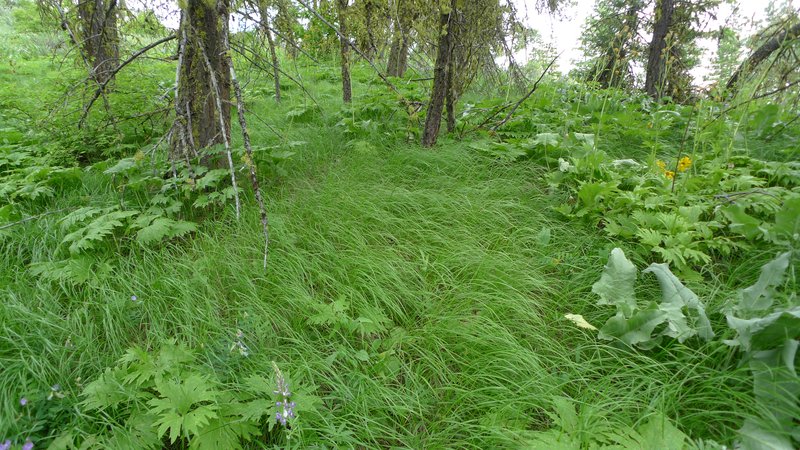
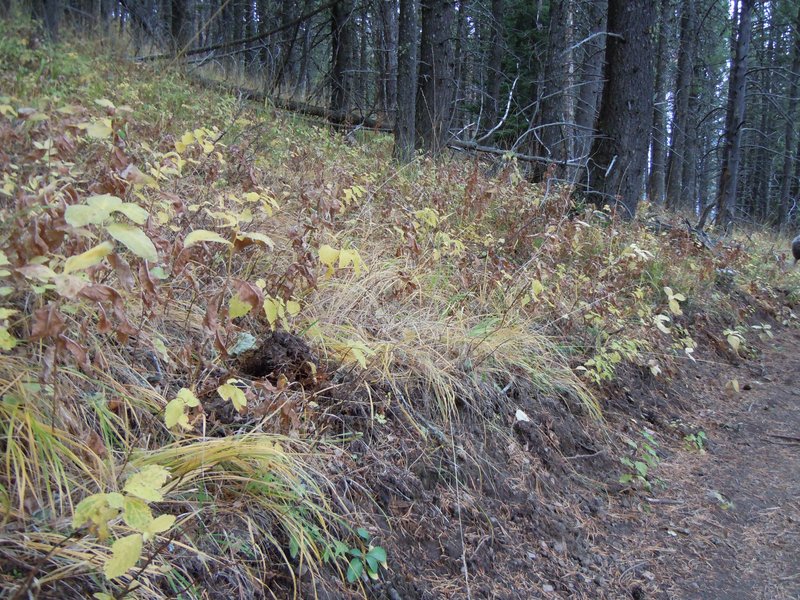
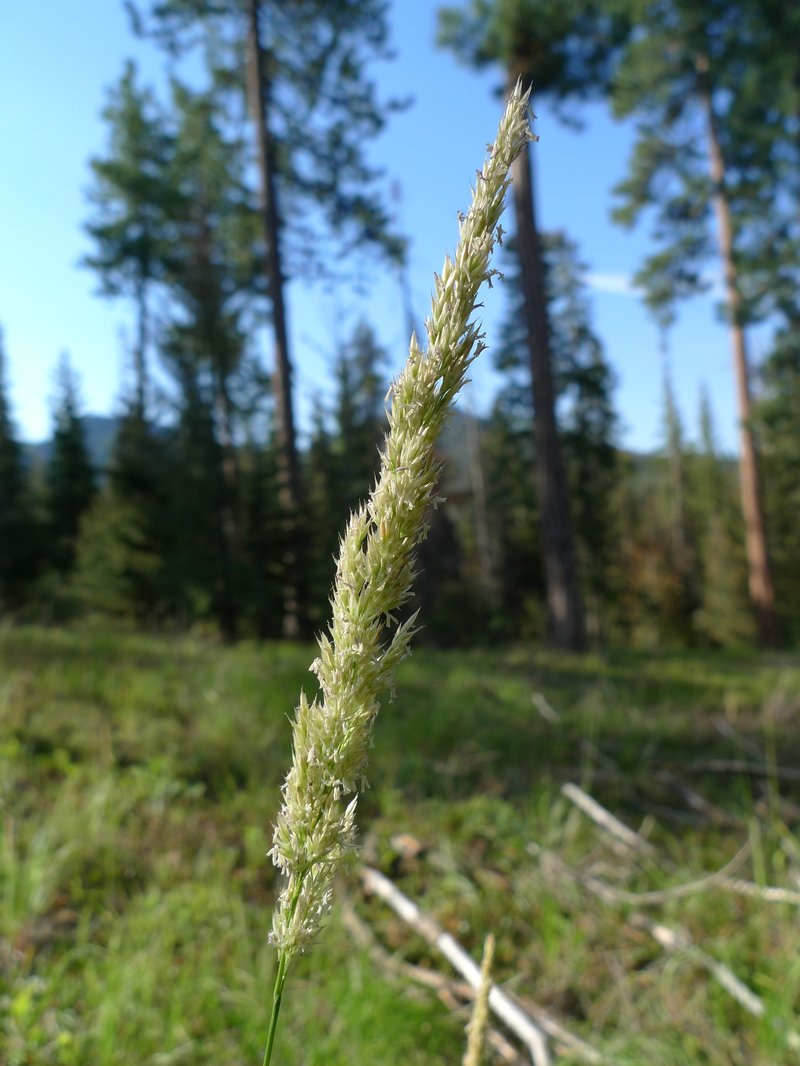
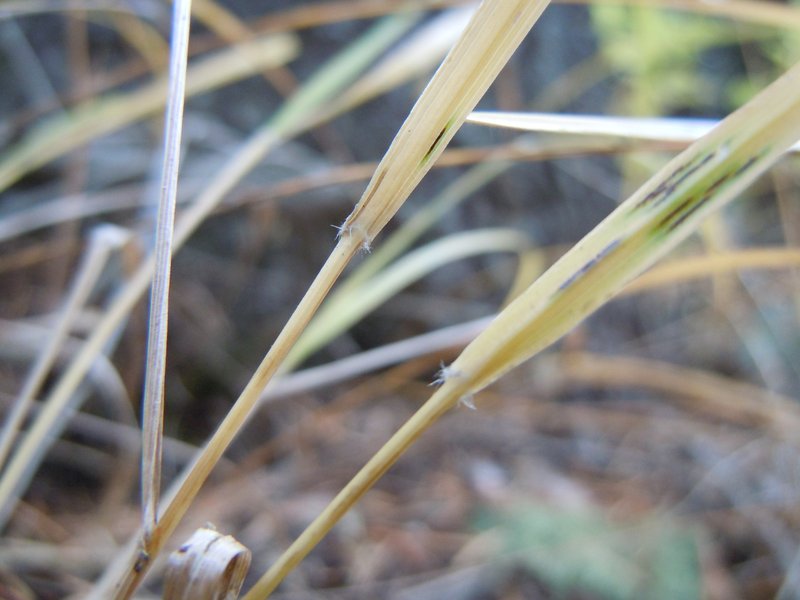
Matt Lavin (www.flickr.com) from Bozeman, Montana, USA
Taxonomy
- Division:
- Magnoliophyta | - Flowering plants
- Family:
- Poaceae
- Genus:
- Calamagrostis
- Species:
- Calamagrostis rubescens
- USDA Symbol:
- CARU
Growth Characteristics
- Life Cycle:
- Perennial
- Growth Habit:
- Graminoid
- Height:
- 120 cm
- Light Requirements:
- Part Shade
- Drought Tolerance:
- Medium
- Bloom Months:
- jun,jul,aug
- Bloom Colors:
- purple, green
Garden & Ecology Notes
- Wildlife Value:
- birds, small mammals
- Fire Ecology:
- Fire adapted — tolerates or benefits from fire
- Fire Notes:
- Resprouts from rhizomes after fire; often increases in abundance post-fire.
Soil Requirements
- Soil Type:
- rich, well-drained loamy soil
- pH:
- 5.5 - 7.0 (slightly acidic to neutral)
- Drainage:
- excellent drainage required
- Moisture:
- dry to moderate
- Notes:
- prefers open forested areas with good sunlight
Propagation & Germination
- Stratification:
- Cold/moist stratification required — 30–60 days
- Germination Time:
- 14–30 days
- Notes:
- Seeds germinate readily after cold stratification; surface sow and keep moist.
Pre-treatment: None required
Establishment: Seeds are collected in mid to late August when florets turn papery and light tan and seeds are easily stripped out of floret. Hand held sickles are used to cut stalks. Seeds are spread on an open tarp in a drying shed and turned twice a day to ensure even drying and prevent mold development. Seed production is usually very high 2 to 3 years after a fire.
Source: npn.rngr.net