
Bermudagrass
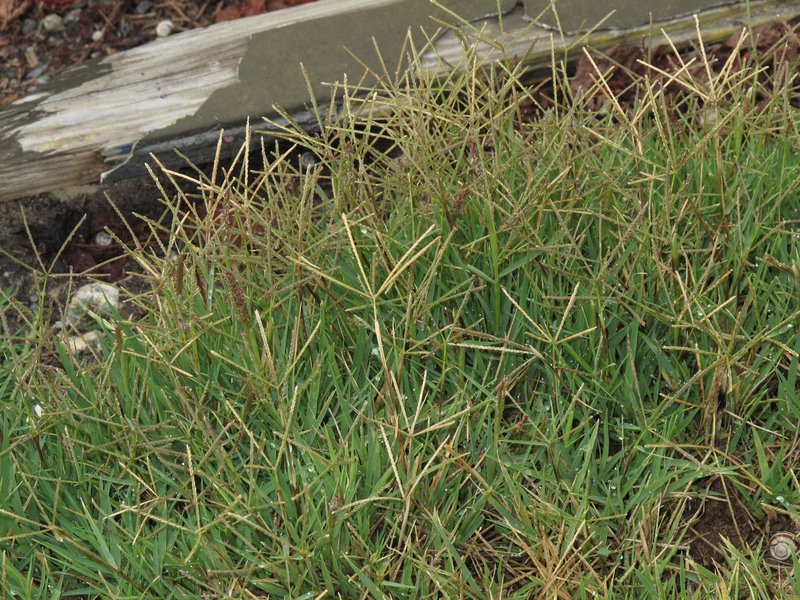
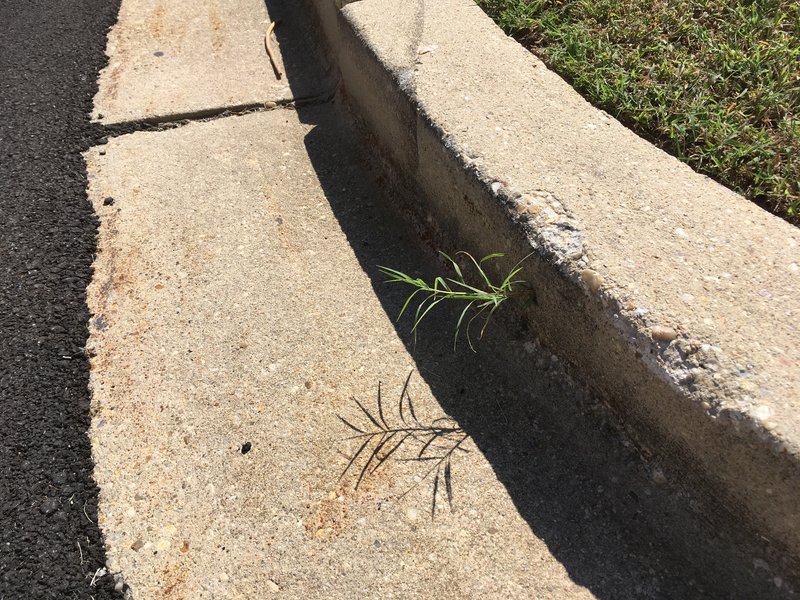
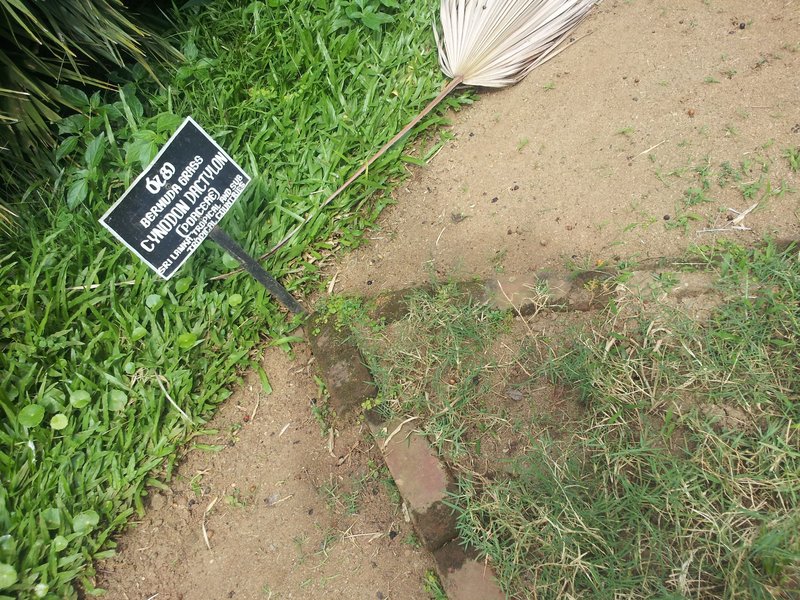
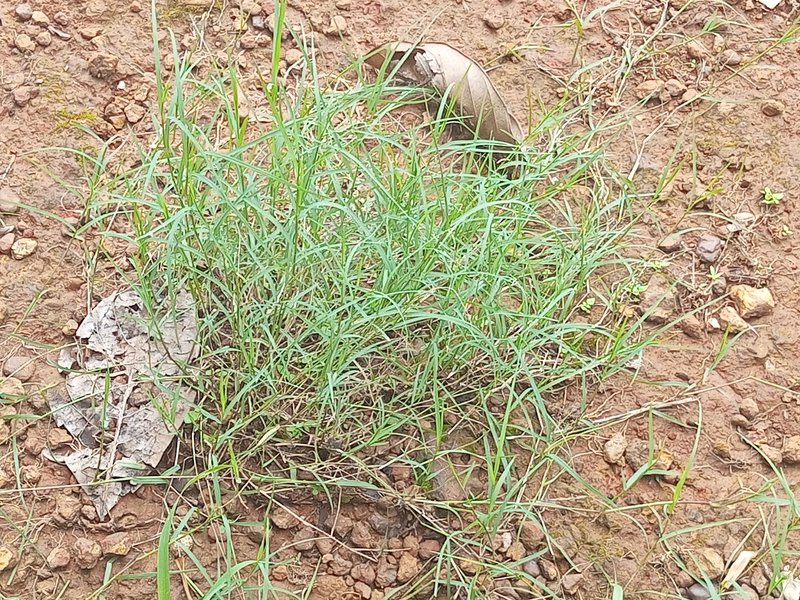
Cynodon dactylon
Also known as: Maritime Bermudagrass
- Native to:
- Afghanistan, Albania, Aldabra, Algeria, Andaman Is., Angola, Australia, Austria, Azores, Baleares, Bangladesh, Benin, Bismarck Archipelago, Borneo, Botswana, Bulgaria, Burkina, Burundi, Cambodia, Cameroon, Canary Is., Cape Verde, Caprivi Strip, Central African Republic, Chad, China, Congo, Corse, Cyprus, Czechia-Slovakia, Djibouti, DR Congo, East Aegean Is., Egypt, Equatorial Guinea, Eritrea, Eswatini, Ethiopia, France, Gabon, Gambia, Ghana, Great Britain, Greece, Guinea, Guinea-Bissau, Gulf of Guinea Is., Gulf States, Hainan, Hungary, India, Iran, Iraq, Italy, Ivory Coast, Japan, Jawa, Kazakhstan, Kenya, Kirgizstan, Korea, Kriti, Krym, Kuwait, Laccadive Is., Laos, Lebanon-Syria, Lesotho, Lesser Sunda Is., Liberia, Libya, Madagascar, Madeira, Malawi, Malaya, Mali, Maluku, Mauritania, Mauritius, Morocco, Mozambique, Mozambique Channel Is., Myanmar, Namibia, Nansei-shoto, Nepal, New Guinea, Nicobar Is., Niger, Nigeria, North Caucasus, NW. Balkan Pen., Ogasawara-shoto, Oman, Pakistan, Palestine, Philippines, Por
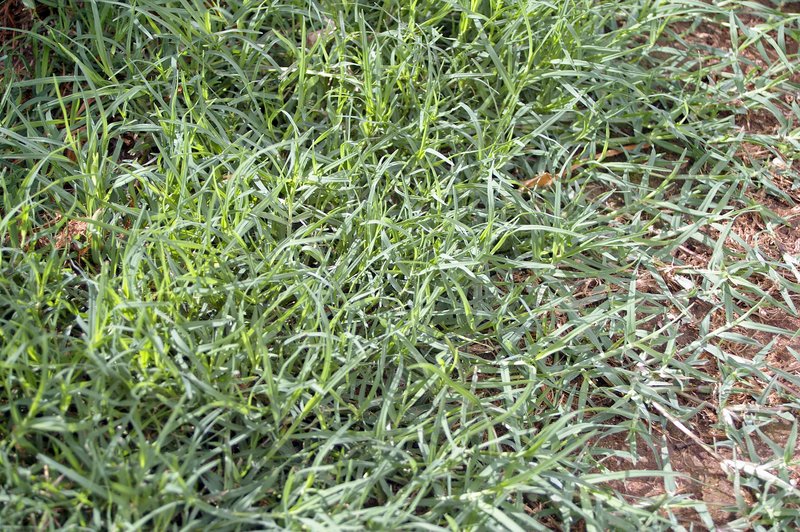
Bidgee
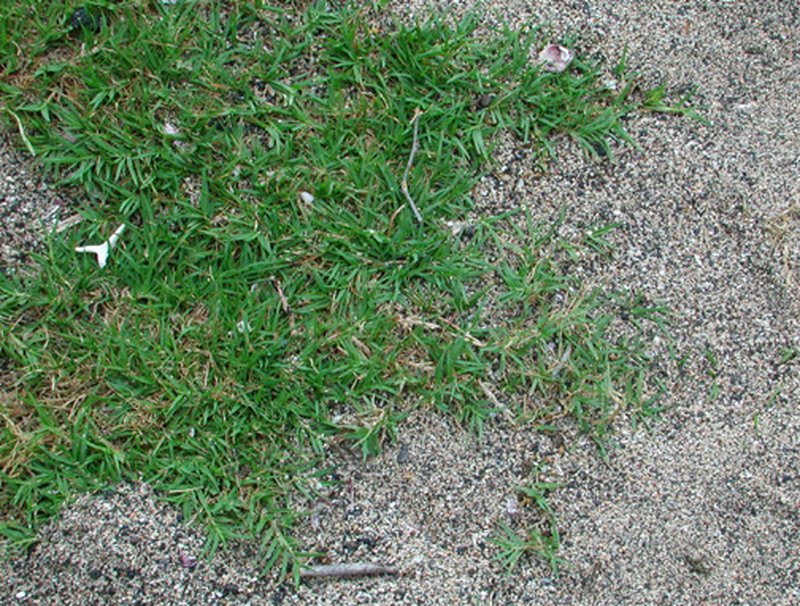
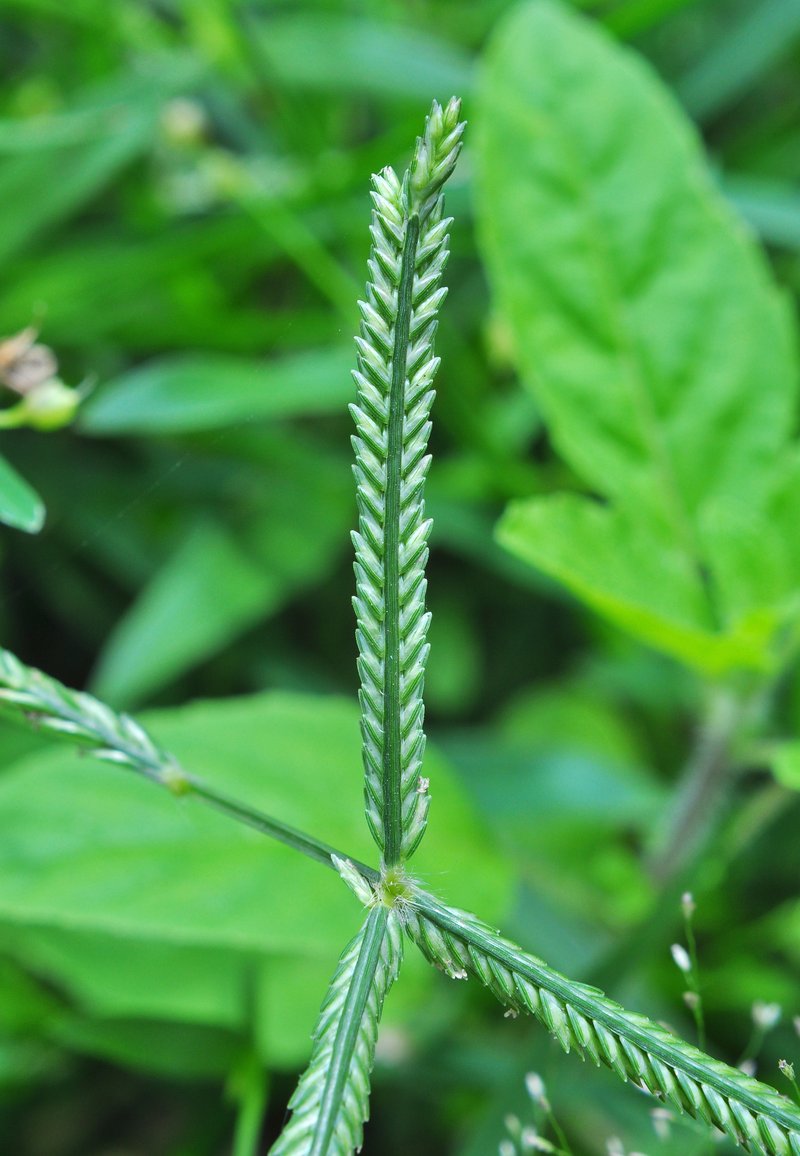
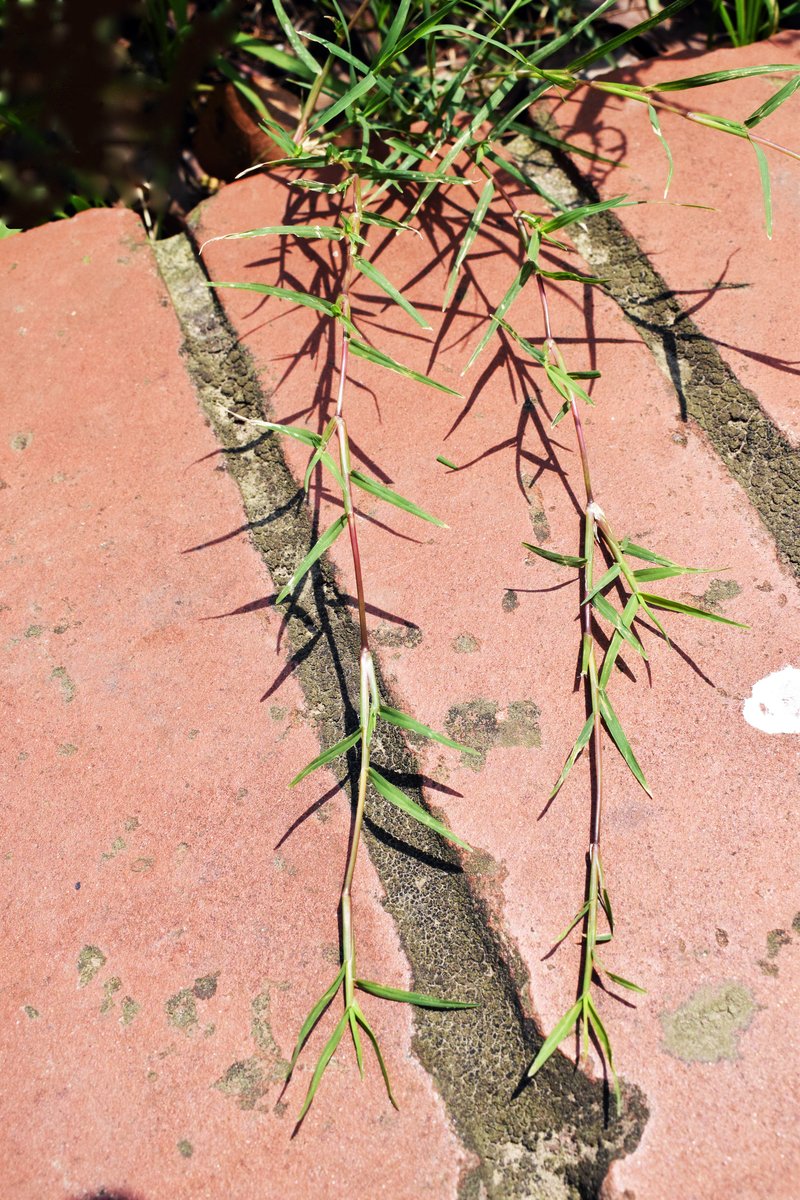
Taxonomy
- Division:
- Magnoliophyta | - Flowering plants
- Family:
- Poaceae
- Genus:
- Cynodon
- Species:
- Cynodon dactylon
- USDA Symbol:
- CYDA
Growth Characteristics
- Life Cycle:
- Perennial
- Growth Habit:
- Graminoid
- Height:
- 40 cm
- Light Requirements:
- Full Sun
- Drought Tolerance:
- High
- Bloom Months:
- jun,jul,aug,sep
- Bloom Colors:
- green, purple
- Ground Cover:
- Yes
- Lawn Substitute:
- Yes
Host Plant for Caterpillars
Armyworm moth (Pseudaletia unipuncta), Automeris patagoniensis, Black cutworm (Agrotis ipsilon), Fall armyworm (Spodoptera frugiperda), Io moth (Automeris io), Leucania latiuscula, black patch (Paratrytone melane), canyonland satyr (Cyllopsis pertepida), Carolina Satyr (Hermeuptychia sosybius), Eufala Skipper (Lerodea eufala), Fiery Skipper (Hylephila phyleus), Gemmed Satyr (Cyllopsis gemma), Hermes Satyr (Hermeuptychia hermes), Obscure skipper (Panoquina panoquinoides), orange skipperling (Copaeodes aurantiaca), Red Satyr (Megisto rubricata), Sachem (Atalopedes campestris), Sandhill Skipper (Polites sabuleti), southern skipperling (Copaeodes minimus), Whirlabout (Polites vibex), Woodland Skipper (Ochlodes sylvanoides)
Reported Fauna Sightings
Butterflies:Fiery Skipper (Hylephila phyleus), Hedone vibex, Oarisma minima, Woodland Skipper (Ochlodes sylvanoides)
Garden & Ecology Notes
- Wildlife Value:
- birds, small mammals
- Deer Resistant:
- Yes
- Salt Tolerant:
- Yes
- Fire Ecology:
- Fire adapted — tolerates or benefits from fire
- Fire Notes:
- Resprouts vigorously from rhizomes after fire; often increases in abundance post-fire.
Soil Requirements
- Soil Type:
- sandy, well-drained, nutrient-poor soil
- pH:
- 5.5 - 7.5 (slightly acidic to neutral)
- Drainage:
- excellent drainage required
- Moisture:
- dry to moderate
- Notes:
- thrives in disturbed areas and grasslands
Propagation & Germination
- Germination Time:
- 7–21 days
- Notes:
- Seeds germinate readily in warm soil (20-30°C) with light; no pretreatment required.