
Egyptian Grass
Dactyloctenium aegyptium
- Native to:
- Afghanistan, Algeria, Angola, Bangladesh, Benin, Borneo, Botswana, Burkina, Burundi, Cambodia, Cameroon, Central African Republic, Chad, China, Comoros, Congo, Djibouti, DR Congo, East Aegean Is., Egypt, Eritrea, Eswatini, Ethiopia, Gabon, Gambia, Ghana, Guinea, Guinea-Bissau, Gulf of Guinea Is., Gulf States, Hainan, India, Iran, Iraq, Ivory Coast, Jawa, Kazan-retto, Kenya, Kuwait, Laccadive Is., Laos, Lebanon-Syria, Lesser Sunda Is., Liberia, Libya, Madagascar, Malawi, Malaya, Maldives, Mali, Maluku, Mauritania, Mauritius, Mozambique, Mozambique Channel Is., Myanmar, Namibia, Nansei-shoto, Nepal, New Guinea, Niger, Nigeria, Ogasawara-shoto, Oman, Pakistan, Palestine, Philippines, Réunion, Rwanda, Saudi Arabia, Senegal, Sierra Leone, Sinai, Socotra, Somalia, South Africa, South China Sea, Sri Lanka, Sudan-South Sudan, Sulawesi, Sumatera, Taiwan, Tanzania, Thailand, Togo, Tunisia, Türkiye, Uganda, Vietnam, Yemen, Zambia, Zimbabwe
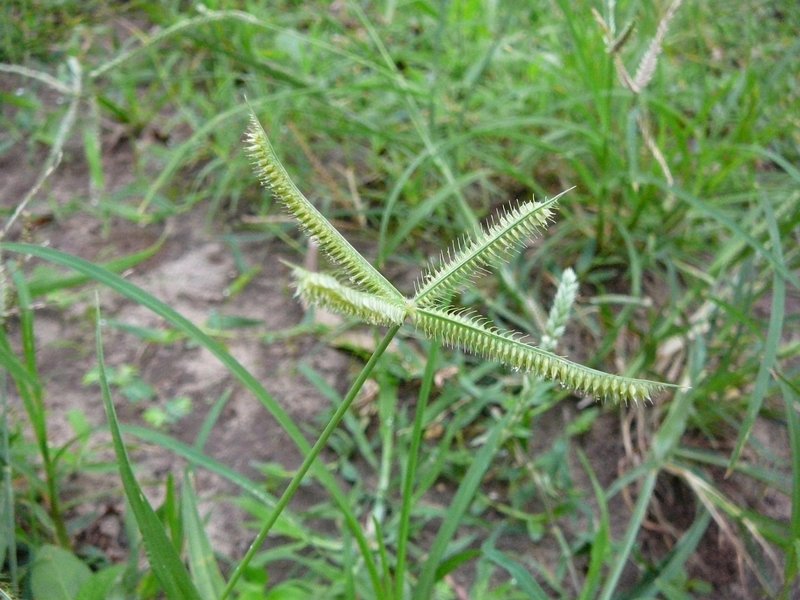
Mohana hari balu
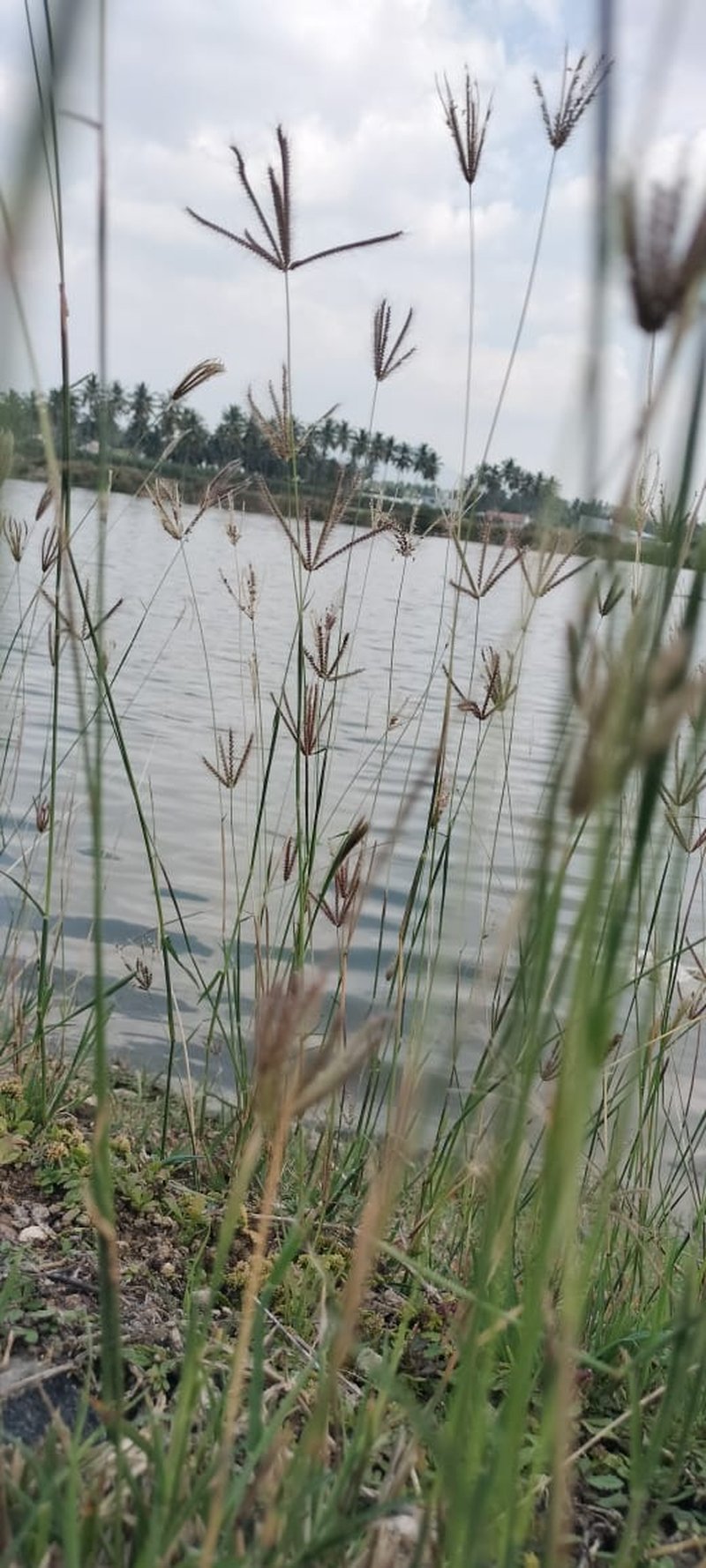
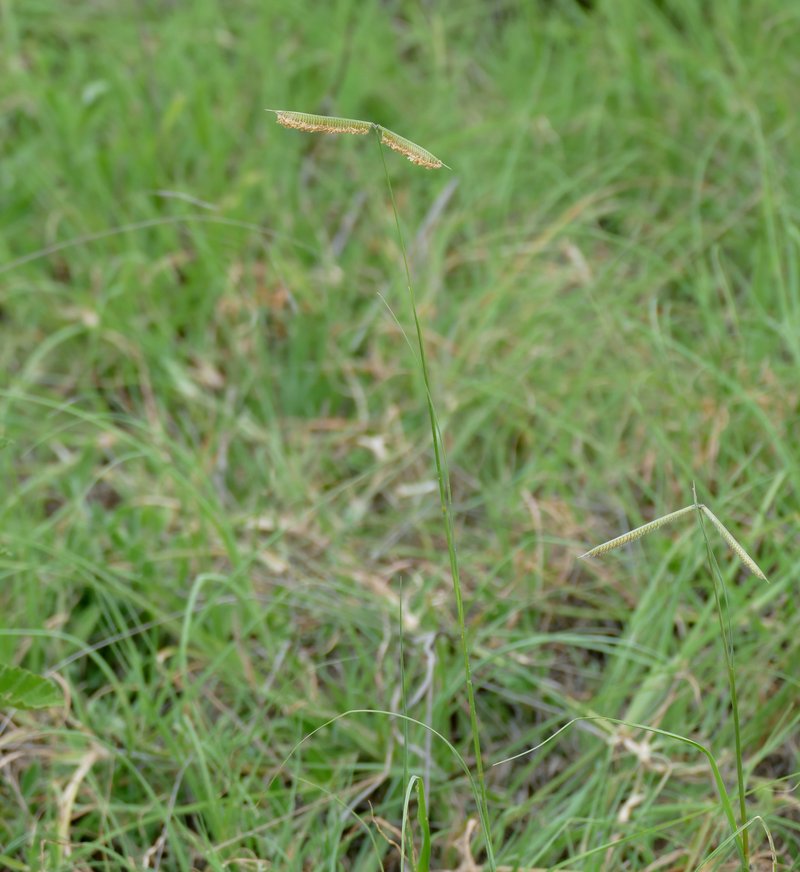
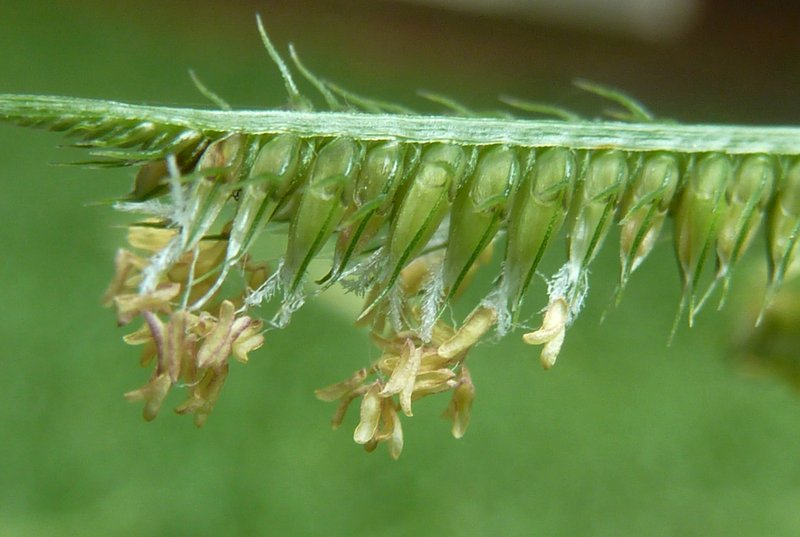
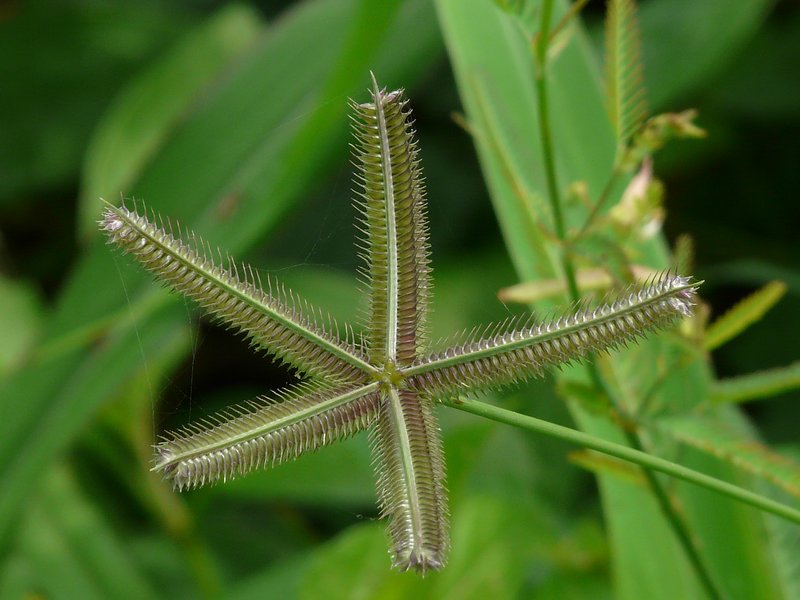
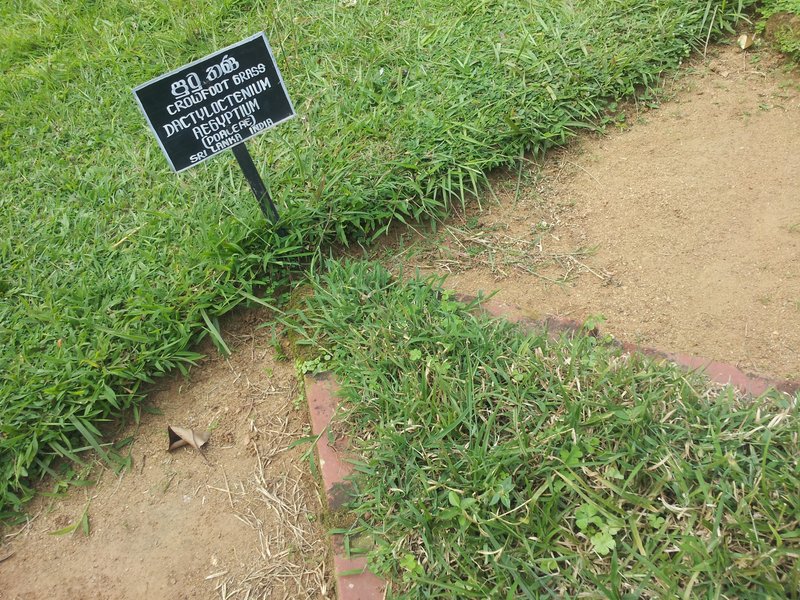
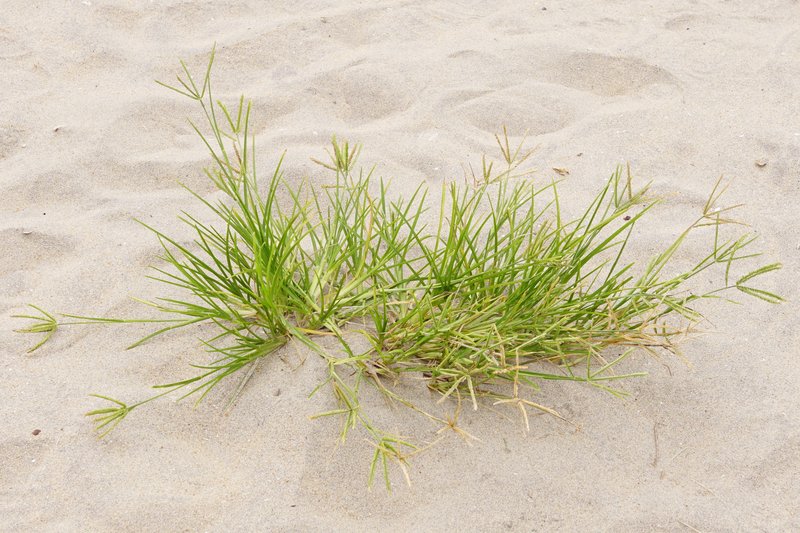
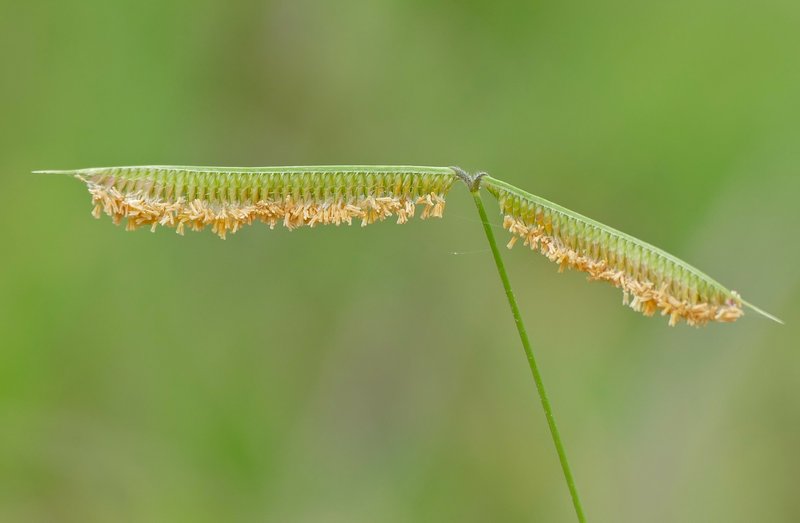
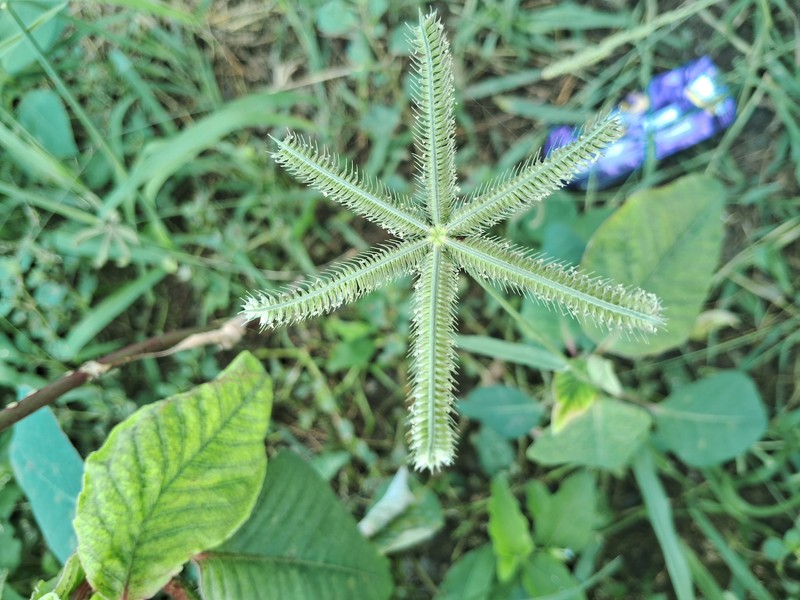
Taxonomy
- Division:
- Magnoliophyta | - Flowering plants
- Family:
- Poaceae
- Genus:
- Dactyloctenium
- Species:
- Dactyloctenium aegyptium
- USDA Symbol:
- DAAE
Growth Characteristics
- Life Cycle:
- Annual
- Growth Habit:
- Graminoid
- Height:
- 60 cm
- Light Requirements:
- Full Sun
- Drought Tolerance:
- High
- Bloom Months:
- jun,jul,aug,sep
- Bloom Colors:
- green, purple
Host Plant for Caterpillars
Fall armyworm (Spodoptera frugiperda)
Garden & Ecology Notes
- Wildlife Value:
- birds
- Salt Tolerant:
- Yes
Soil Requirements
- Soil Type:
- sandy, well-drained, nutrient-poor soil
- pH:
- 5.5 - 8.5 (acidic to alkaline)
- Drainage:
- excellent drainage required
- Moisture:
- dry to moderate
- Notes:
- commonly found in disturbed areas and coastal regions
Propagation & Germination
- Germination Time:
- 7–14 days
- Notes:
- Seeds germinate readily in warm soil without pretreatment.