
Poverty Oatgrass
Danthonia spicata
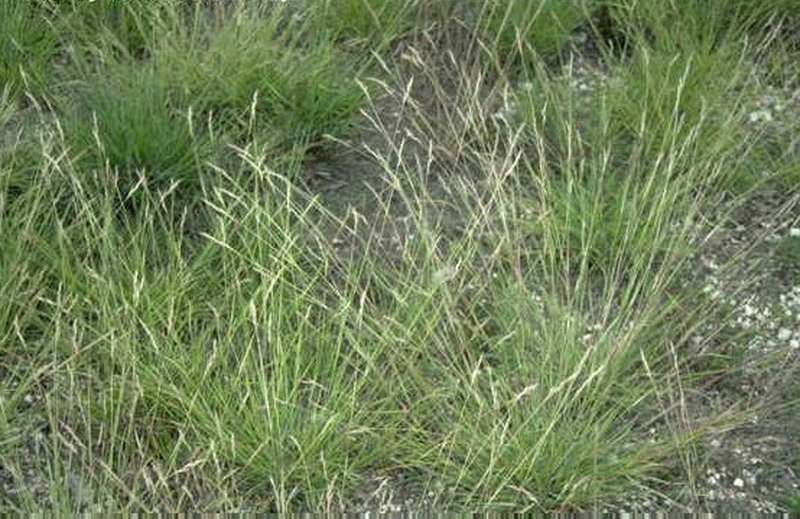
Matthew C. Perry, USGS
Taxonomy
- Division:
- Magnoliophyta | - Flowering plants
- Family:
- Poaceae
- Genus:
- Danthonia
- Species:
- Danthonia spicata
Growth Characteristics
- Life Cycle:
- Perennial
- Growth Habit:
- Graminoid
- Height:
- 3-4 ft
- Light Requirements:
- Full Sun, Part Shade, Shade
- Drought Tolerance:
- High
- Bloom Months:
- may, jun, jul
- Bloom Colors:
- Green
- Lawn Substitute:
- Yes
Native Range
United States: Alaska, Alabama, Arkansas, Arizona, Colorado, Connecticut, District of Columbia, Delaware, Florida, Georgia, Iowa, Idaho, Illinois, Indiana, Kansas, Kentucky, Louisiana, Massachusetts, Maryland, Maine, Michigan, Minnesota, Missouri, Mississippi, Montana, North Carolina, North Dakota, Nebraska, New Hampshire, New Jersey, New Mexico, New York, Ohio, Oklahoma, Oregon, Pennsylvania, Rhode Island, South Carolina, South Dakota, Tennessee, Texas, Virginia, Vermont, Washington, Wisconsin, West Virginia, Wyoming, Canada: Alberta, British Columbia, Manitoba, New Brunswick, Nova Scotia, Northwest Territories, Ontario, Prince Edward Island, Quebec, Saskatchewan, Yukon
Host Plant for Caterpillars
Soil Requirements
- Soil Type:
- sandy, acidic, nutrient-poor soil
- pH:
- 4.5 - 6.5 (acidic to slightly acidic)
- Drainage:
- excellent drainage required
- Moisture:
- dry to moderate
- Notes:
- adapted to poor, rocky soils
Germination Information
Pre-treatment: One month of moist cold stratification is required. Use a Ziploc-style bag or a small Rubbermaid-style container to mix an equal amount of seeds with either perlite or vermiculite. Add a small amount of water. Place in a refrigerator or cold garage (33-42 degrees F) for at least one month. Cold store until planted (up to 3 years).
Establishment: The plant is found in the eastern half of the United States and likes dry to sterile or rocky soils. It is particularly common on jack pine plains, where it may form a solid carpet after disturbance, occasionally found in marshy or boggy places. Seed is collected by hand from locally native plants within the eastern central Upper Peninsula or in Acadia National Park, Maine.
Source: npn.rngr.net