
Deertongue
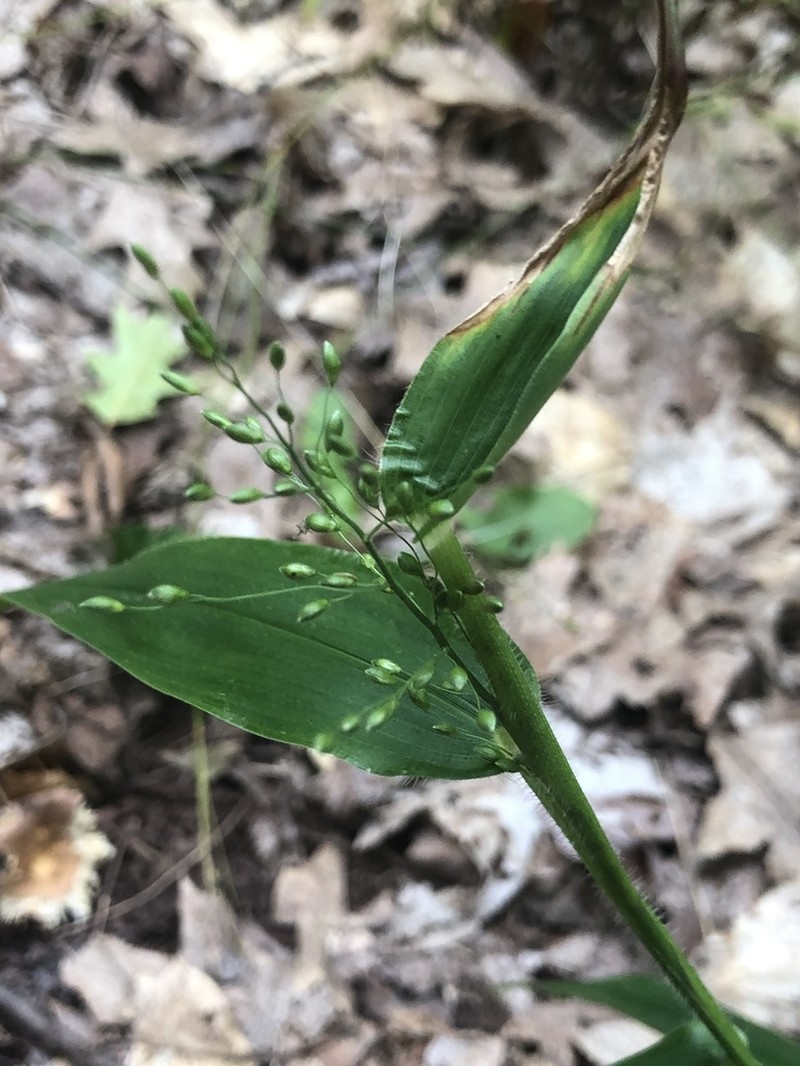
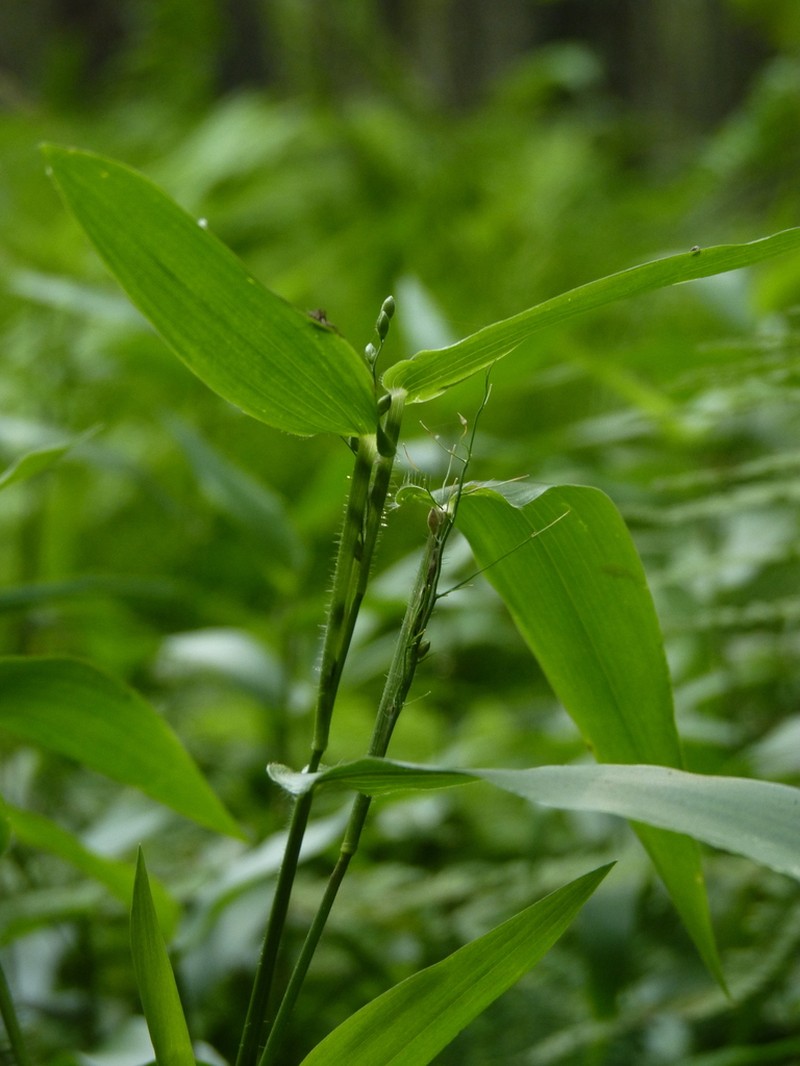
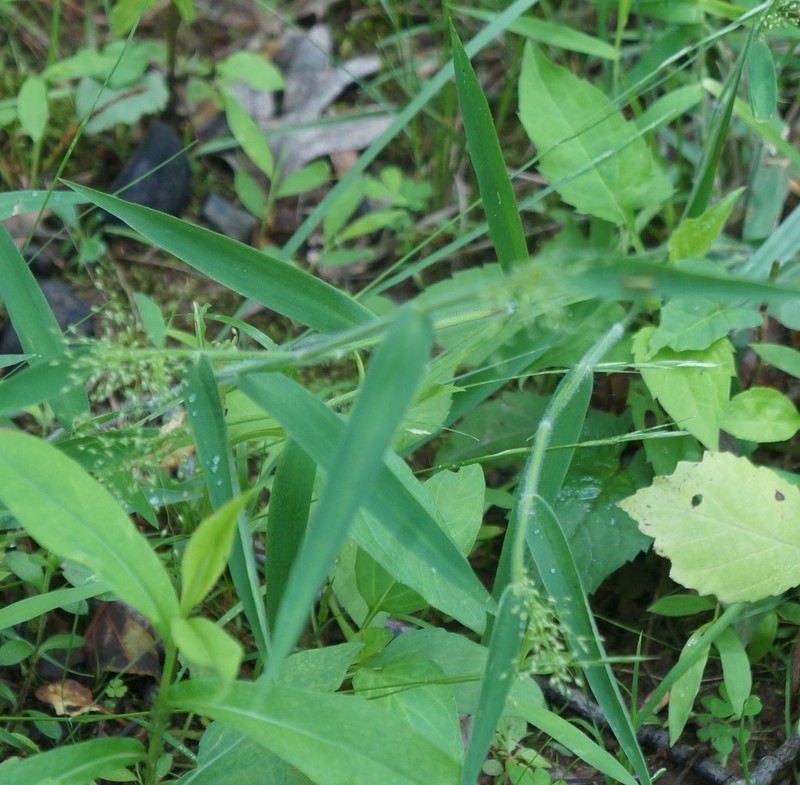
Dichanthelium clandestinum
- Native to:
- Canada, United States, Virgin Islands
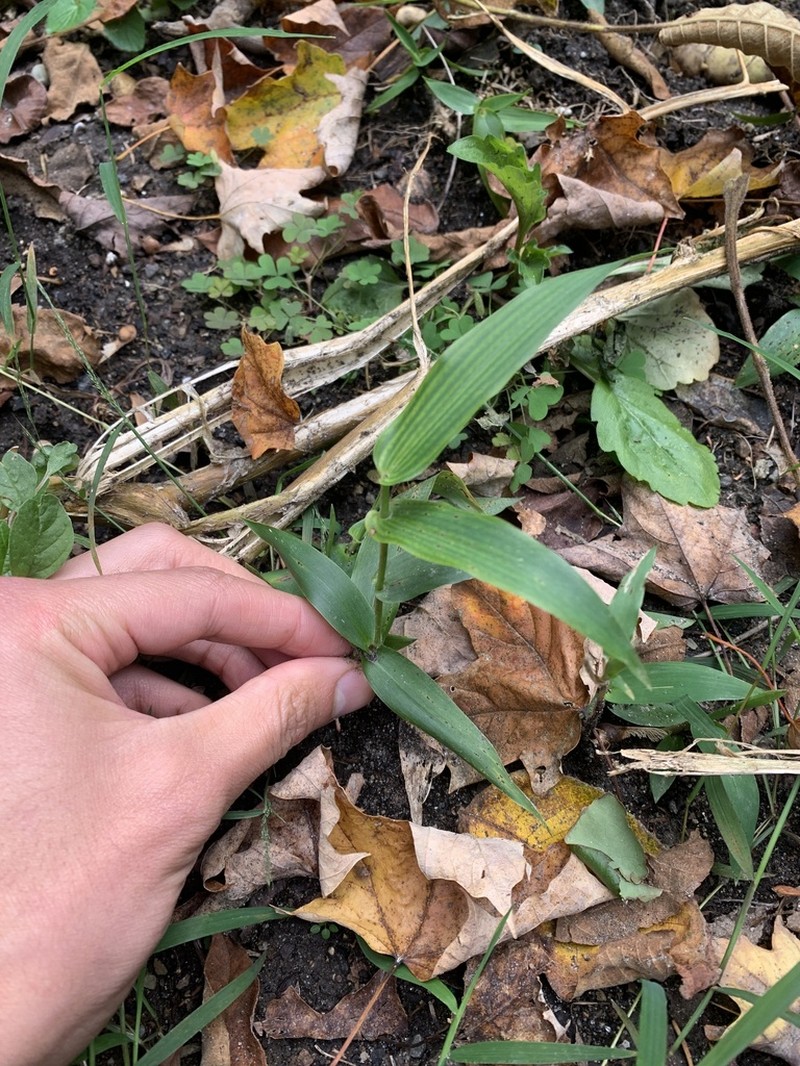
iNaturalist: © u_s (iNaturalist #187926076)
Taxonomy
- Division:
- Magnoliophyta | - Flowering plants
- Family:
- Poaceae
- Genus:
- Dichanthelium
- Species:
- Dichanthelium clandestinum
- USDA Symbol:
- DICL
Growth Characteristics
- Life Cycle:
- Perennial
- Growth Habit:
- Graminoid
- Height:
- 120 cm
- Light Requirements:
- Full Sun
- Drought Tolerance:
- Medium
- Bloom Months:
- may,jun,jul,aug,sep
- Bloom Colors:
- green, purple
Wildlife Benefits
- Bees:
- ★★★☆☆ Documented bee visitation (GBIF)
- Butterflies & Moths:
- ★★☆☆☆ Documented Lepidoptera association (GBIF)
- Caterpillars:
- ★★☆☆☆ Recorded caterpillar host plant (HOSTS Database)
Host Plant for Caterpillars
Cosmopterix clandestinella, Cycloplasis panicifoliella, Elachista radiantella, Idioglossa miraculosa, Northern Broken-Dash (Wallengrenia egeremet), Tawny-edged Skipper (Polites themistocles)
Reported Fauna Sightings
Moths:Cycloplasis panicifoliella
Garden & Ecology Notes
- Wildlife Value:
- birds, small mammals
- Fall Color:
- yellow, brown
- Fire Ecology:
- Fire adapted — tolerates or benefits from fire
- Fire Notes:
- Can resprout from rhizomes after fire; fire may reduce competition and promote growth.
Soil Requirements
- Soil Type:
- rich, well-drained loamy soil
- pH:
- 5.5 - 7.0 (slightly acidic to neutral)
- Drainage:
- tolerates poor drainage
- Moisture:
- consistently moist
- Notes:
- prefers wetland or riparian areas
Propagation & Germination
- Stratification:
- Cold/moist stratification required — 30–60 days
- Germination Time:
- 14–30 days
- Notes:
- Seeds benefit from cold moist stratification for 30-60 days to break dormancy.
Pre-treatment: None required
Establishment: Sowing dates are February for spring planting and July for fall planting. The plant prefers moist conditions but somewhat sandy soils and is found in thickets and wooded areas.
Source: npn.rngr.net
Where to Buy
Nationwide Seller
- Vermont Wildflower Farm (nursery and seeds)
- Sheffield's Seed (seeds)