
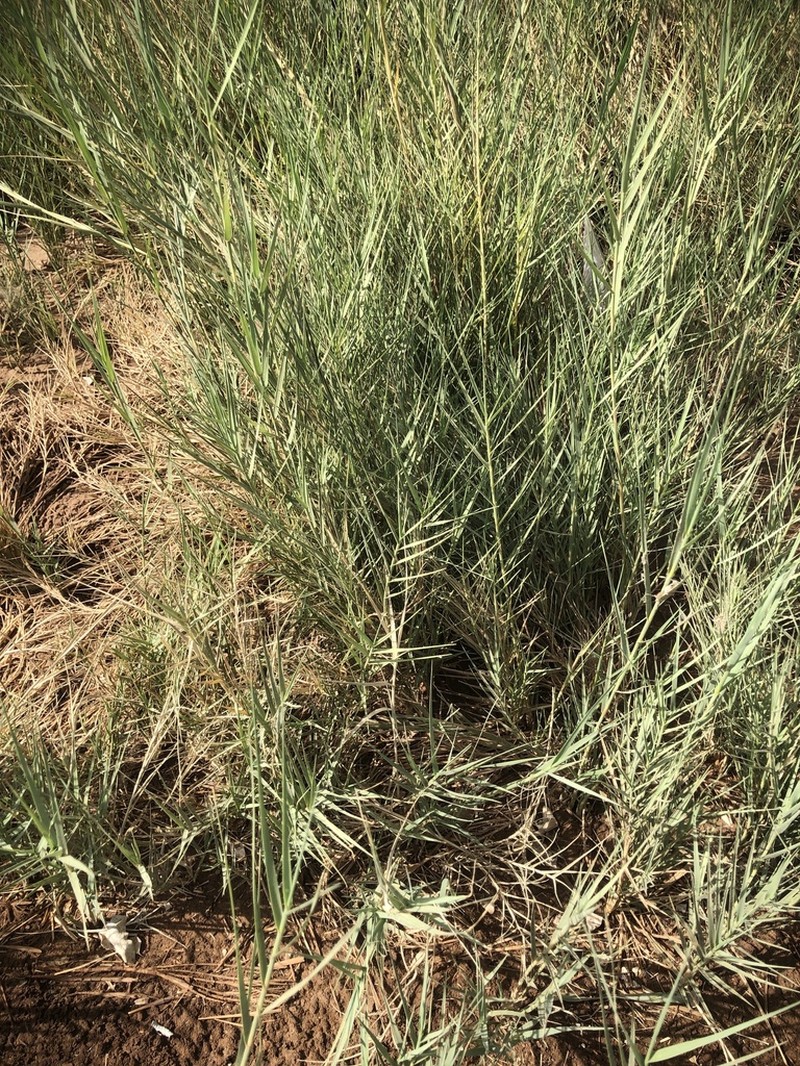
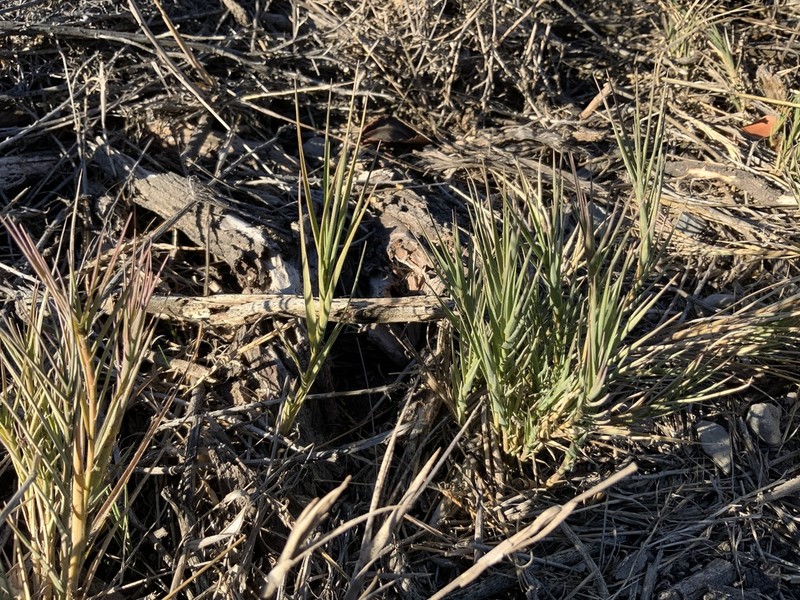
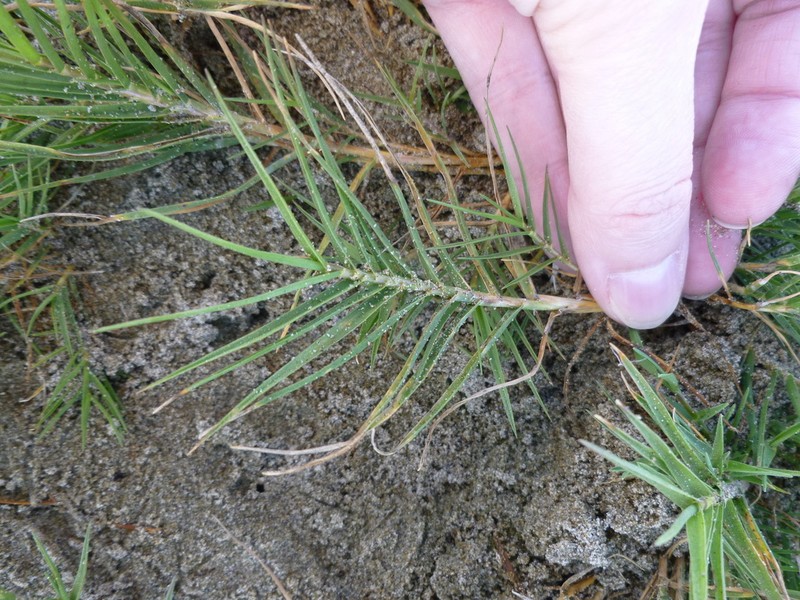
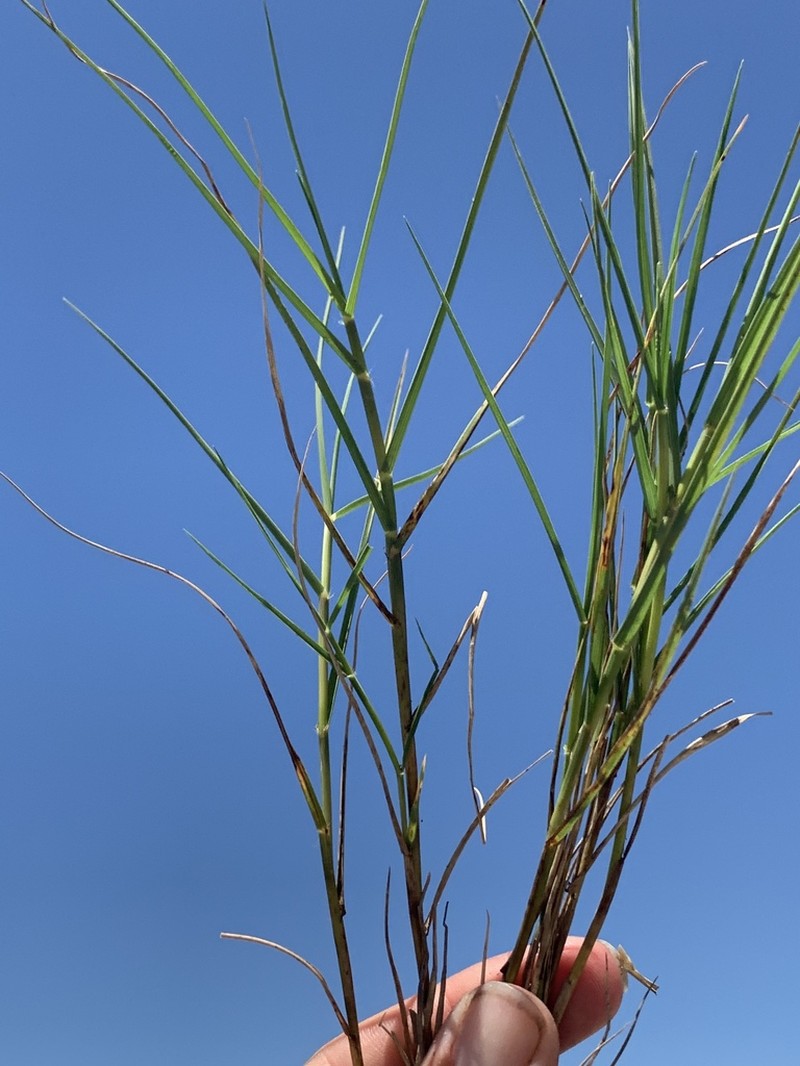
Saltgrass
Distichlis spicata
- Native to:
- Argentina, Bahamas, Belize, Bolivia, Canada, Cayman Is., Chile, Colombia, Cuba, Dominican Republic, Ecuador, El Salvador, Galápagos, Guam, Guatemala, Haiti, Mexico, Peru, Prince Edward I., Turks-Caicos Is., United States, Uruguay, Virgin Islands
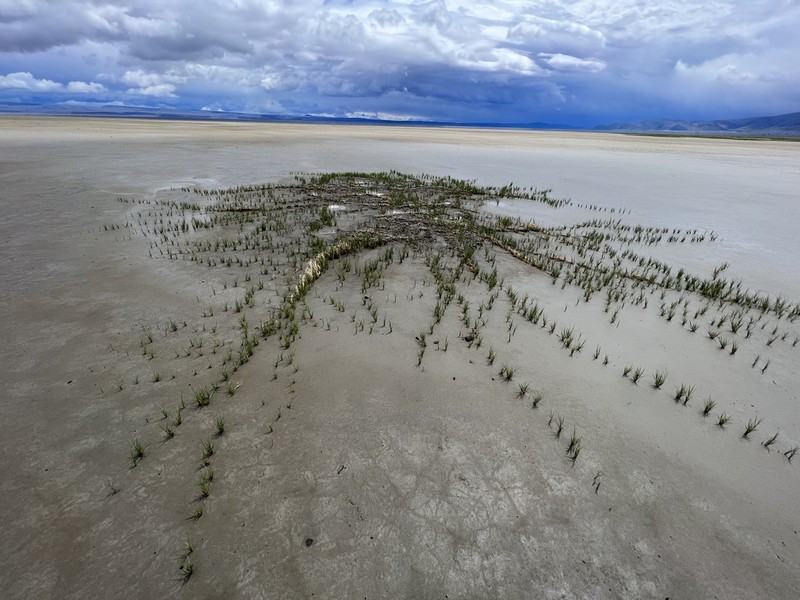
iNaturalist: © cabbagefreak (iNaturalist #121963747)
Taxonomy
- Division:
- Magnoliophyta | - Flowering plants
- Family:
- Poaceae
- Genus:
- Distichlis
- Species:
- Distichlis spicata
- USDA Symbol:
- DISP
Growth Characteristics
- Life Cycle:
- Perennial
- Growth Habit:
- Graminoid
- Height:
- 60 cm
- Light Requirements:
- Full Sun
- Drought Tolerance:
- High
- Ground Cover:
- Yes
- Lawn Substitute:
- Yes
Wildlife Benefits
- Butterflies & Moths:
- ★★☆☆☆ Documented Lepidoptera association (GBIF)
- Caterpillars:
- ★★☆☆☆ Recorded caterpillar host plant (HOSTS Database)
Host Plant for Caterpillars
Olivia's buckmoth (Hemileuca oliviae), Eunus Skipper (Pseudocopaeodes eunus), Obscure skipper (Panoquina panoquinoides), Sachem (Atalopedes campestris), Salt Marsh Skipper (Panoquina panoquin), Sandhill Skipper (Polites sabuleti), Wandering Skipper (Panoquina errans)
Reported Fauna Sightings
Butterflies:Wandering Skipper (Panoquina errans)
Garden & Ecology Notes
- Wildlife Value:
- birds, small mammals
- Deer Resistant:
- Yes
- Salt Tolerant:
- Yes
- Fire Ecology:
- Fire adapted — tolerates or benefits from fire
- Fire Notes:
- Can resprout from rhizomes after fire; fire may reduce thatch and promote new growth.
Soil Requirements
- Soil Type:
- saline, sandy, nutrient-poor soil
- pH:
- 7.5 - 9.0 (neutral to alkaline)
- Drainage:
- tolerates poor drainage
- Moisture:
- consistently moist
- Notes:
- thrives in saline conditions
Propagation & Germination
- Stratification:
- Cold/moist stratification required — 30–60 days
- Germination Time:
- 14–30 days
- Notes:
- Seeds germinate best after cold stratification; sow in moist sand at 4°C for 30-60 days.
Pre-treatment: Mechanical injury of the caryopis or covering layers or soaking seeds for 24 hours in water
Establishment: Seeds are collected between September 11th and November 4th. Mature inflorescences are panicles 2 to 8 cm long. Seed is 2 mm long and brownish grey in color at maturity. D. spicata var. stricta is found from the Great Plains region of North America to the Pacific coast; also in South America, Australia, Tasmania, and Tahiti. D. spicata is found in coastal salt marsh from Orange County, California to Oregon, and on Catalina and Santa Cruz islands.
Source: npn.rngr.net
Where to Buy
Nationwide Seller
- Native Plants Nursery (nursery)