
Pendantgrass
Dupontia fulva
- Native to:
- Canada, Finland, Greenland, Labrador, Russia, Svalbard, Sweden, United States
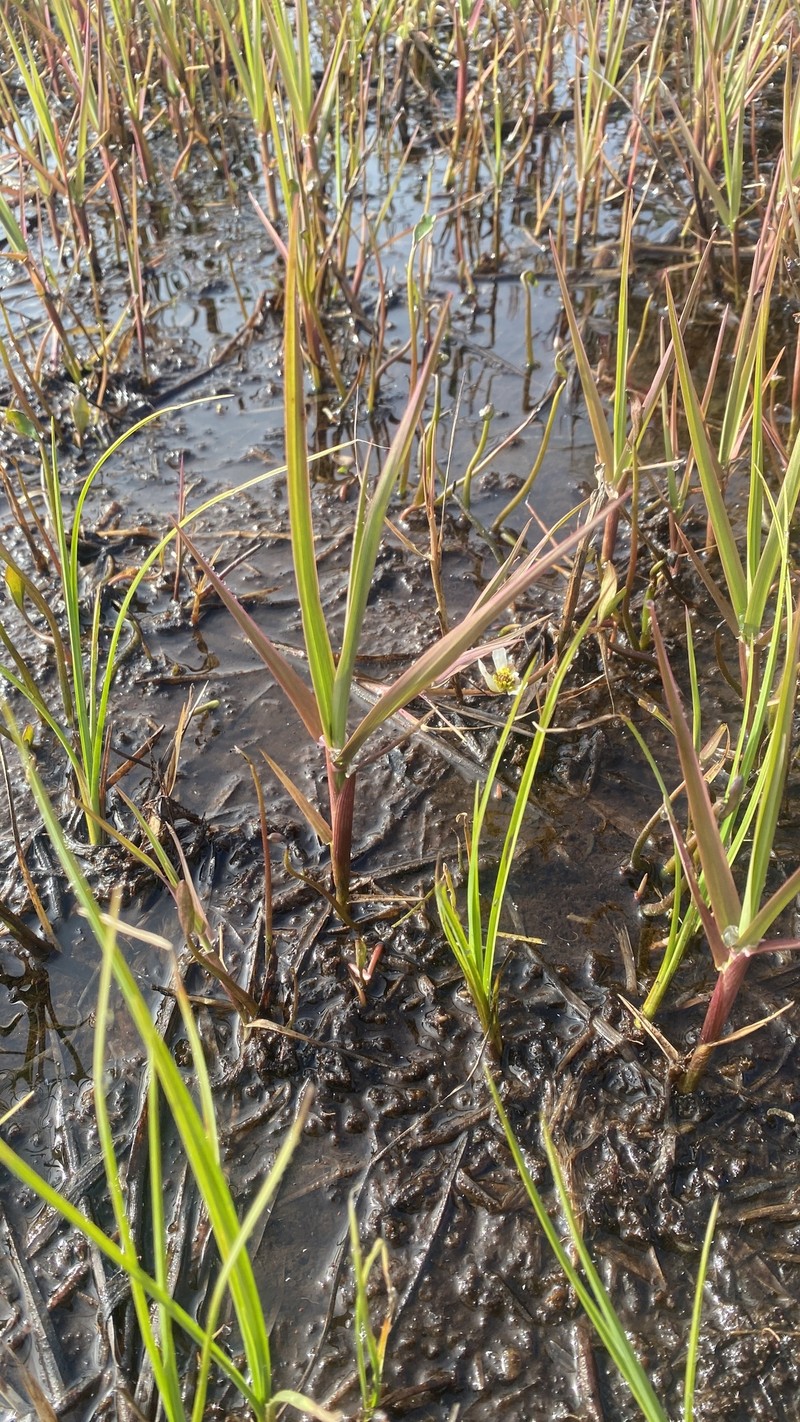
GBIF: James Seale
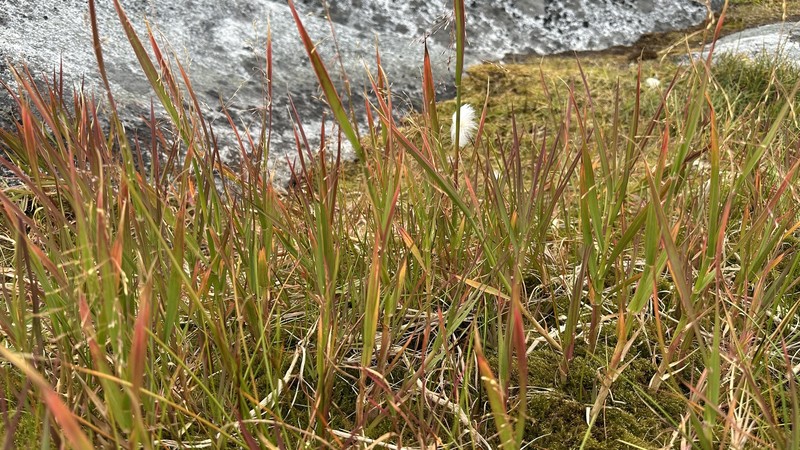
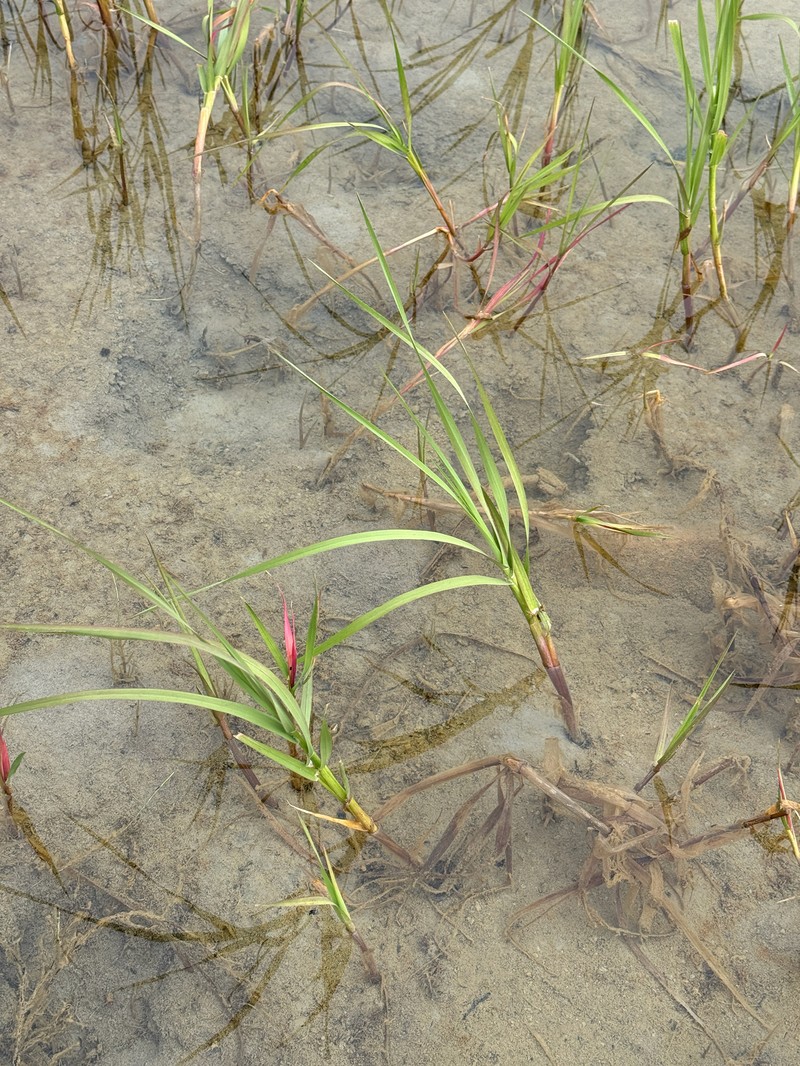
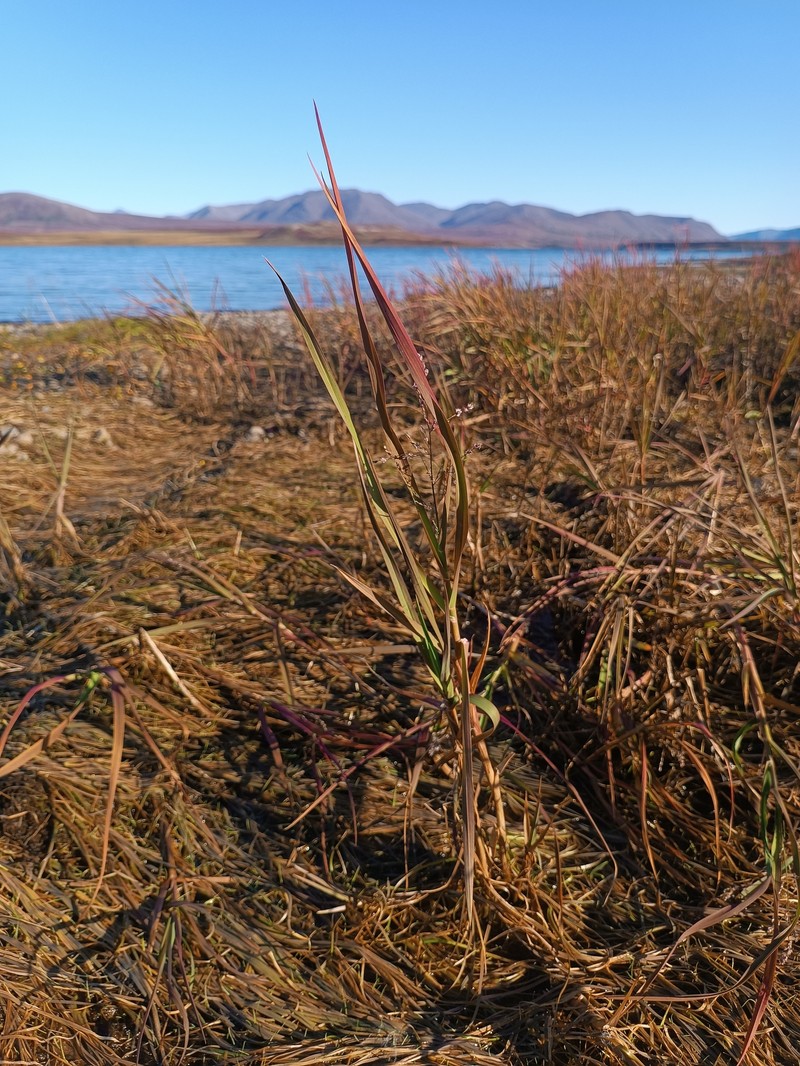
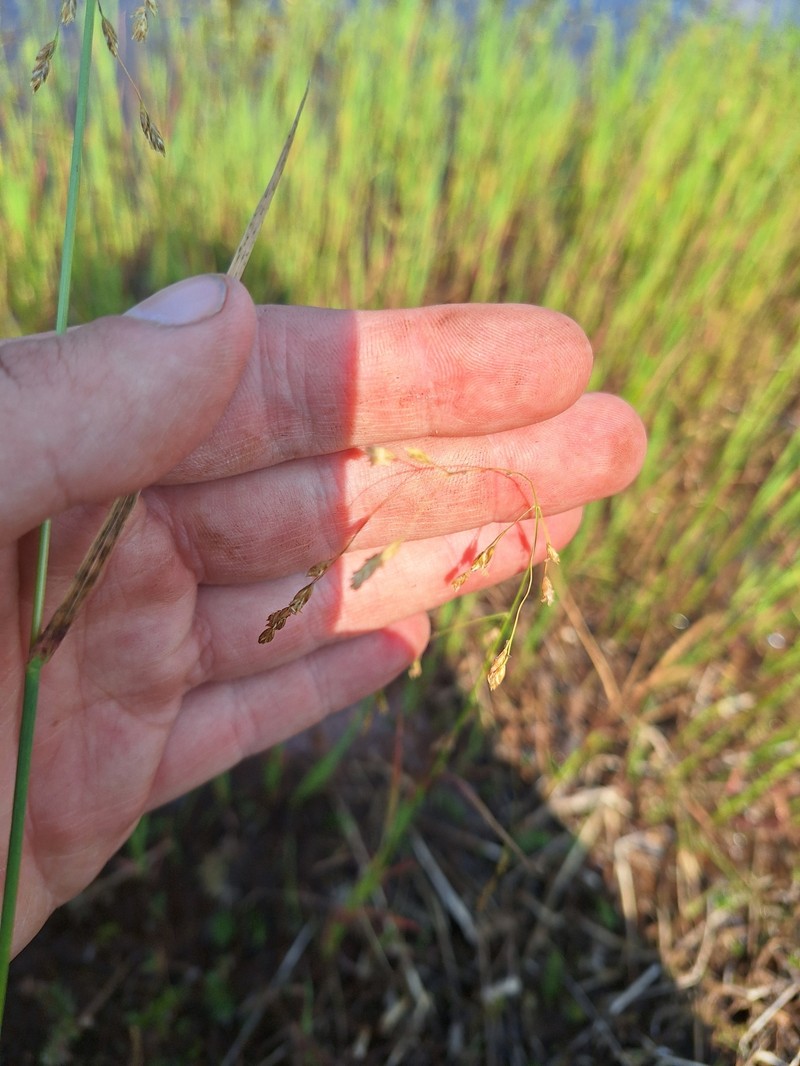
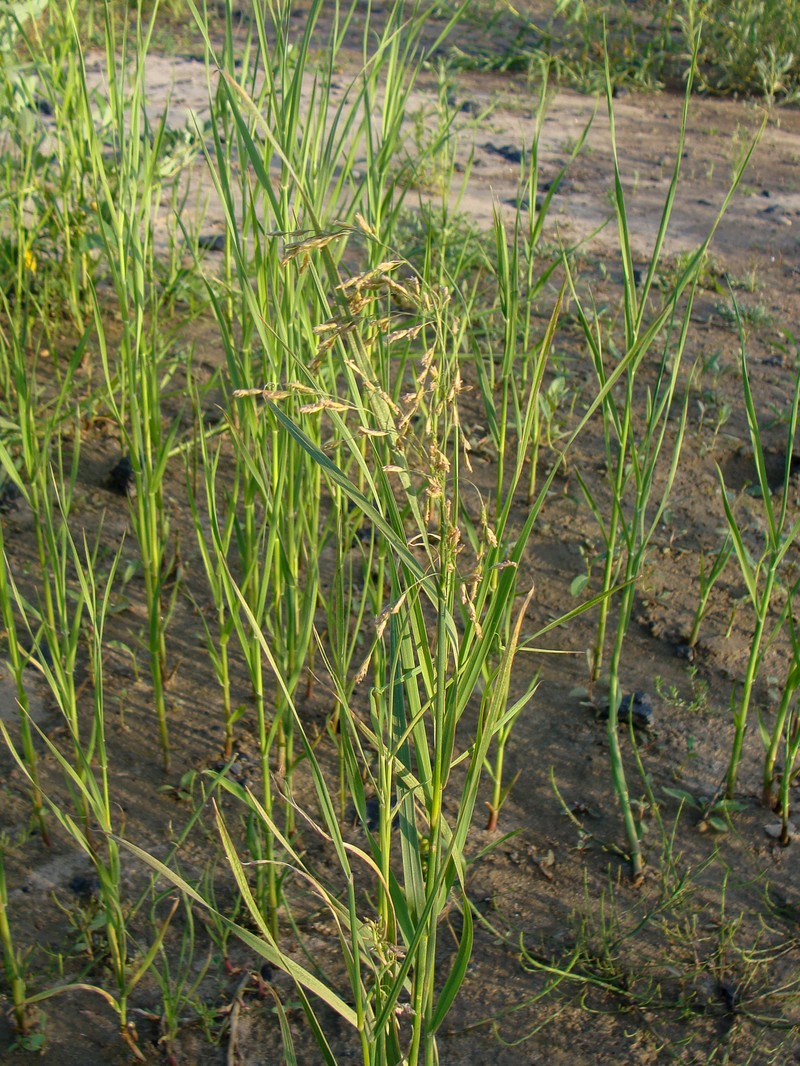
Taxonomy
- Division:
- Magnoliophyta | - Flowering plants
- Family:
- Poaceae
- Genus:
- Dupontia
- Species:
- Dupontia fulva
- USDA Symbol:
- ARFU2
Growth Characteristics
- Life Cycle:
- Perennial
- Growth Habit:
- Graminoid
- Height:
- 100 cm
- Light Requirements:
- Full Sun
- Drought Tolerance:
- Low
- Bloom Months:
- jun,jul,aug
- Bloom Colors:
- greenish, purple
Garden & Ecology Notes
- Wildlife Value:
- waterfowl, shorebirds
Soil Requirements
- Soil Type:
- moist, nutrient-rich, loamy soil
- pH:
- 5.5 - 7.0 (slightly acidic to neutral)
- Drainage:
- tolerates poor drainage
- Moisture:
- consistently moist
- Notes:
- Common in tundra regions; prefers cold climates
Propagation & Germination
Pre-treatment: Seeds should be planted in the fall. They should be placed in a small cloth bag and washed with cold running water for 24 hours. Four seeds should be planted per cell in standard no hole flats containing 18 3x3" cells with obligate soil mixture. The cells should be stored in a cooler over winter for cold moist stratification. The cooler should be left to fluctuate with ambient temperature.
Establishment: The seeds should be stripped by hand before the seed head shatters. In early September, when the seeds are ripe, they are brown and hard. The establishment phase lasts for two months.
Source: npn.rngr.net